A US Tesla owner decided to try something risky.
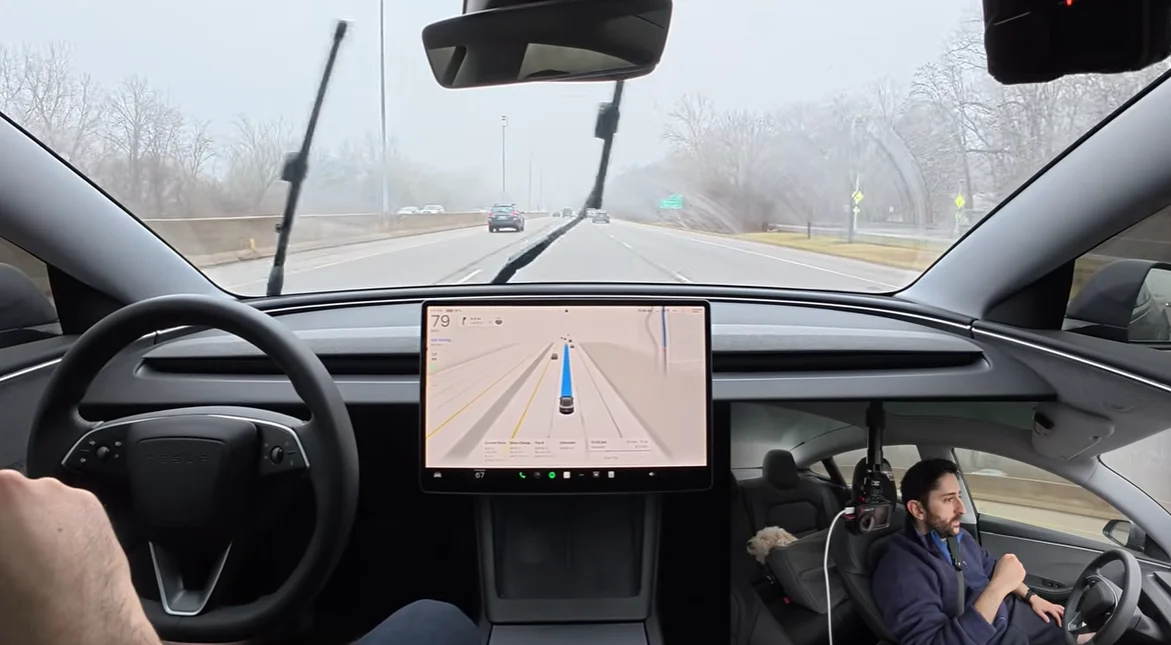
He turned on self-driving while driving through thick fog.
Visibility was so bad he could barely see down the road.
But instead of taking over, he let the car handle it.
DISCOVER SBX CARS – The global premium auction platform powered by Supercar Blondie
How Tesla’s Full Self Driving actually behaved in fog
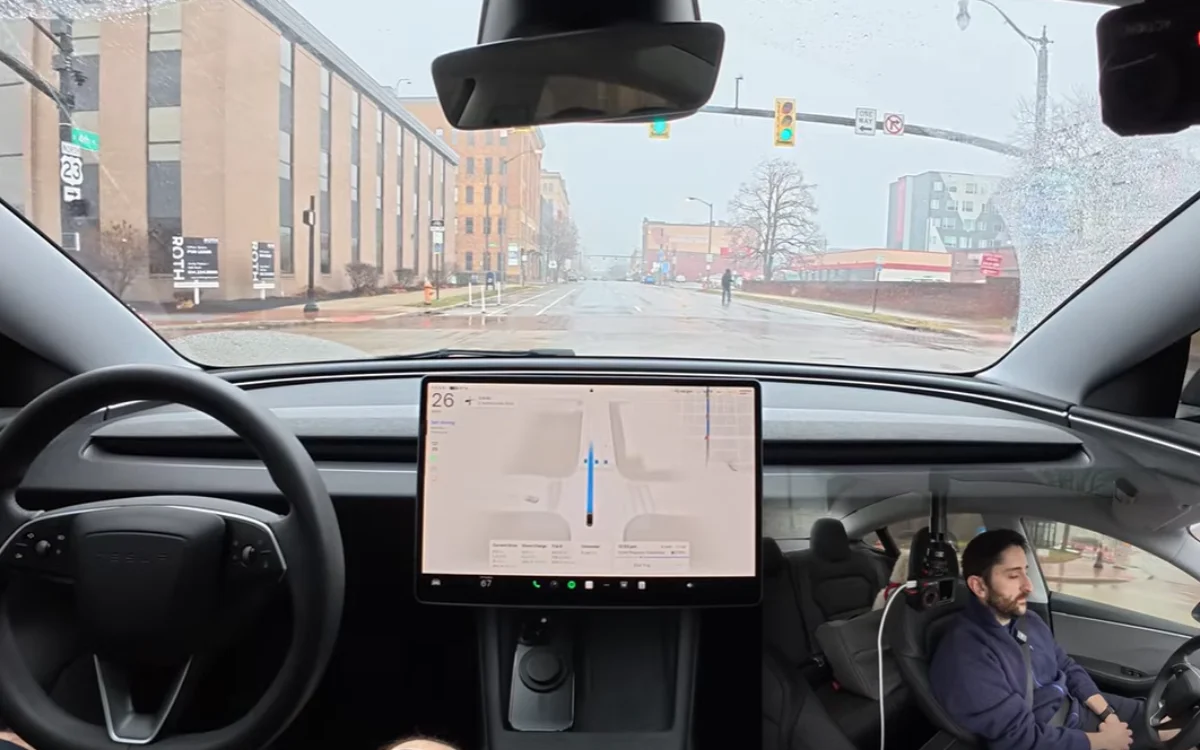
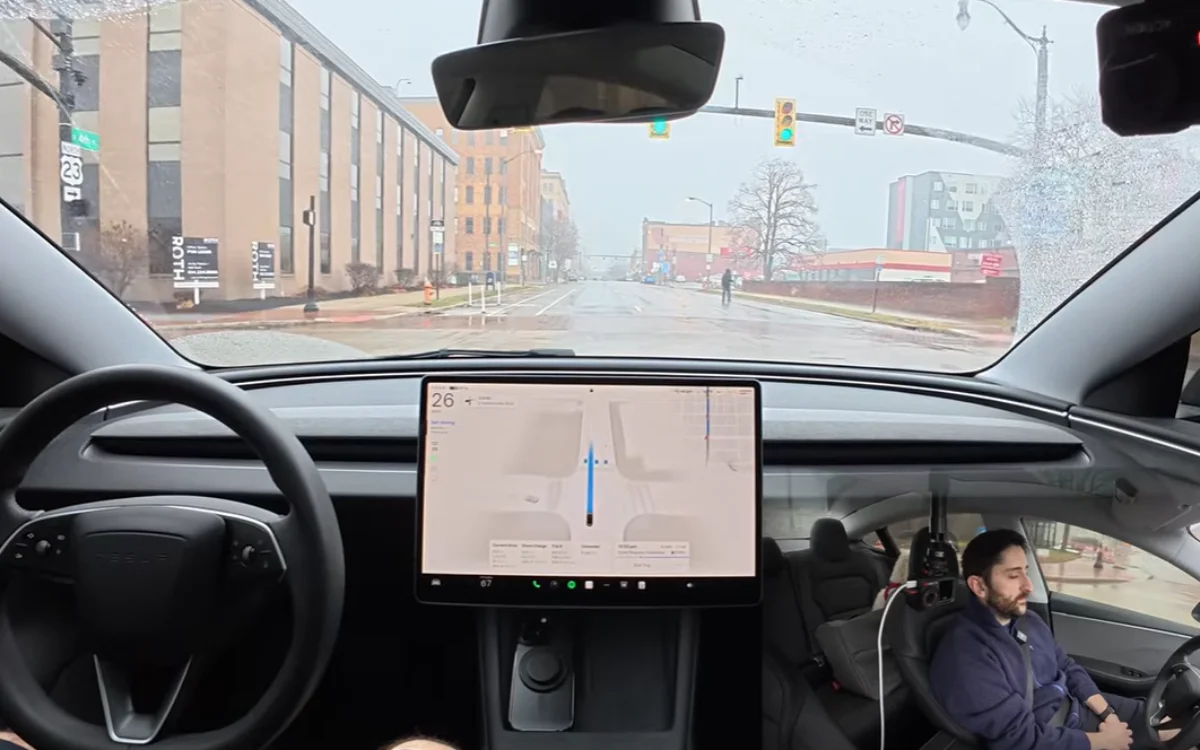
The test comes from the Drive Electric Today YouTube channel, who activated Tesla Full Self Driving during an official fog advisory and drove through highways and city streets to see what would happen.
From the start, the fog was heavy.
Visibility was down to about a quarter mile, and the driver admitted he couldn’t see much past the front of the car.
But what surprised him was how normal the Tesla acted.
 Drive Electric Today
There were no immediate warning messages and the car didn’t ask him to take over.
Instead, it just kept driving.
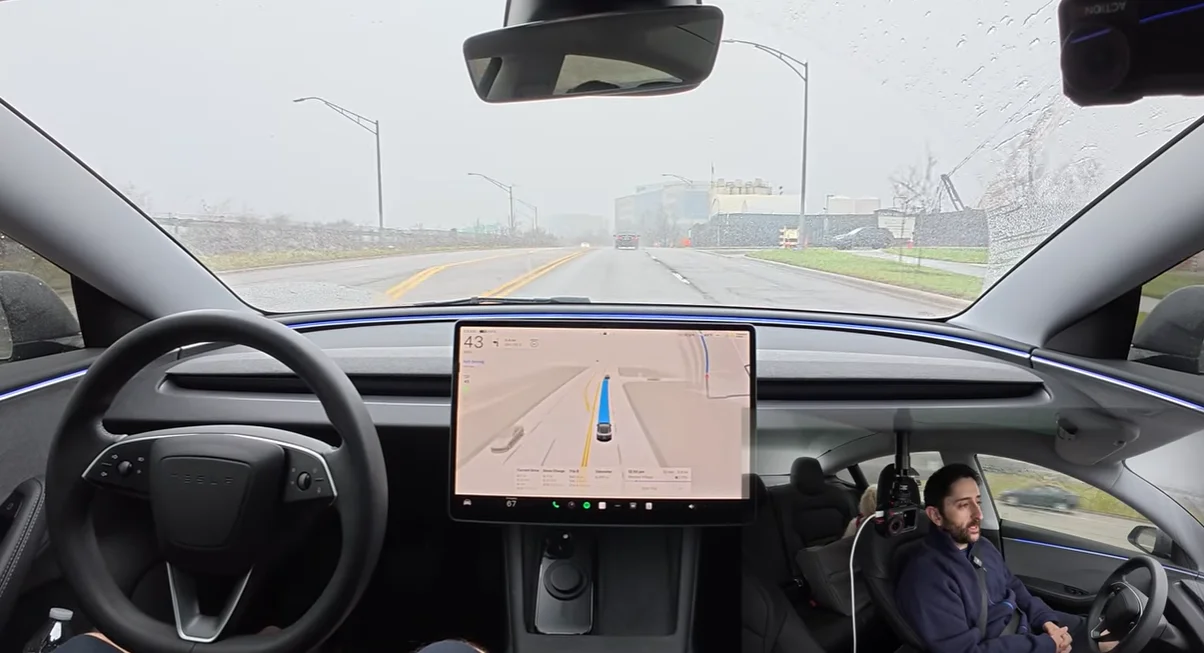
On the highway, Full Self Driving changed lanes smoothly and merged without hesitation.
It stayed centered in its lane and didn’t wobble, slow down, or panic.
It correctly waited for an ambulance that ran a red light.
At one intersection, it slammed on the brakes after detecting a stop sign the driver said he hadn’t even seen.
But the drive wasn’t perfect.
 Drive Electric Today
The biggest problem wasn’t seeing through the fog, it was directions.
Several times, the Tesla ignored the navigation route and turned the wrong way.
It unexpectedly drove into parking garages and once appeared to go straight from a lane that should only turn.
Later in the drive, the system finally showed a warning saying the weather was causing reduced performance.
By the end, the result was mixed.
The car could still detect signs, lanes, and other vehicles in heavy fog, but it also made confusing decisions that needed the driver to stay alert.
What this test really shows
This drive brings up a big question: should self-driving cars rely only on cameras?
Tesla thinks cameras are enough to handle real-world driving, but other companies use LiDAR, which can sometimes see better in bad weather like fog.
Drive Electric Today’s test didn’t settle that debate.
What it did show is that Tesla’s self-driving system can handle fog better than most people expected.
 Drive Electric Today
It stayed in its lane, reacted to traffic, and didn’t shut itself off right away.
But it also showed the limits.
The car still made confusing choices and needed a human ready to step in when things didn’t look right.
So while the tech worked surprisingly well, it’s still not something you can trust without paying attention.
Watch the full video here.
Tesla Full Self-Driving timeline
2020: FSD ‘beta’ first released to select testers in the US
2021 – 2022: Rollout expands, as hardware updates come in
Early 2024: FSD ‘beta’ is now labelled ‘supervised’, meaning driver supervision is still required
2025: International expansion targets for FSD (Supervised) set in regions like Europe and China
Mid-2025: FSD v14 update announced
Late 2025: Roll-out of FSD v14 builds
Early 2026: Unsupervised FSD rollout goal
DISCOVER SBX CARS:
The global premium car auction platform powered by Supercar Blondie