Image: Tesla
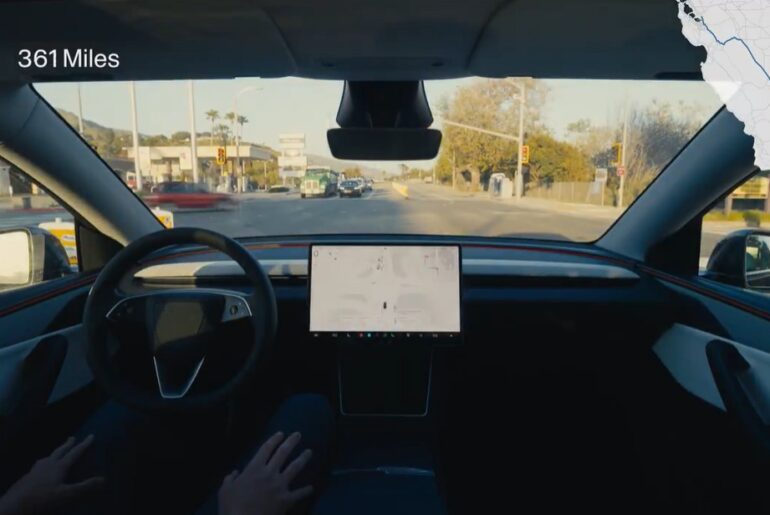
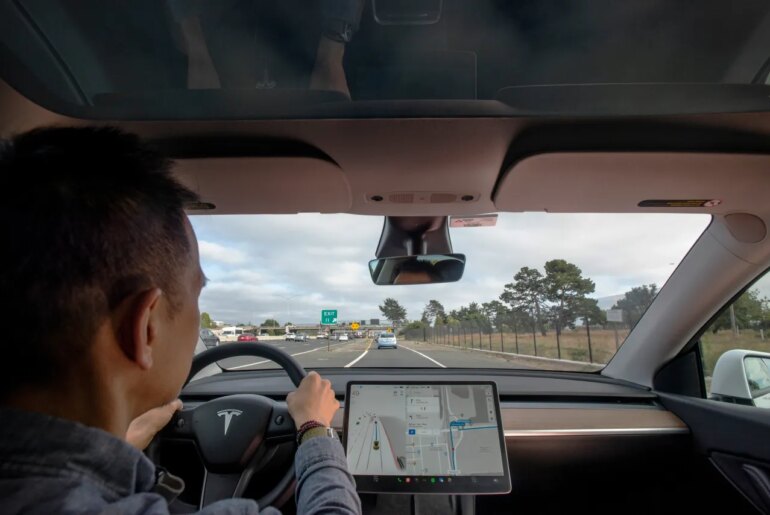
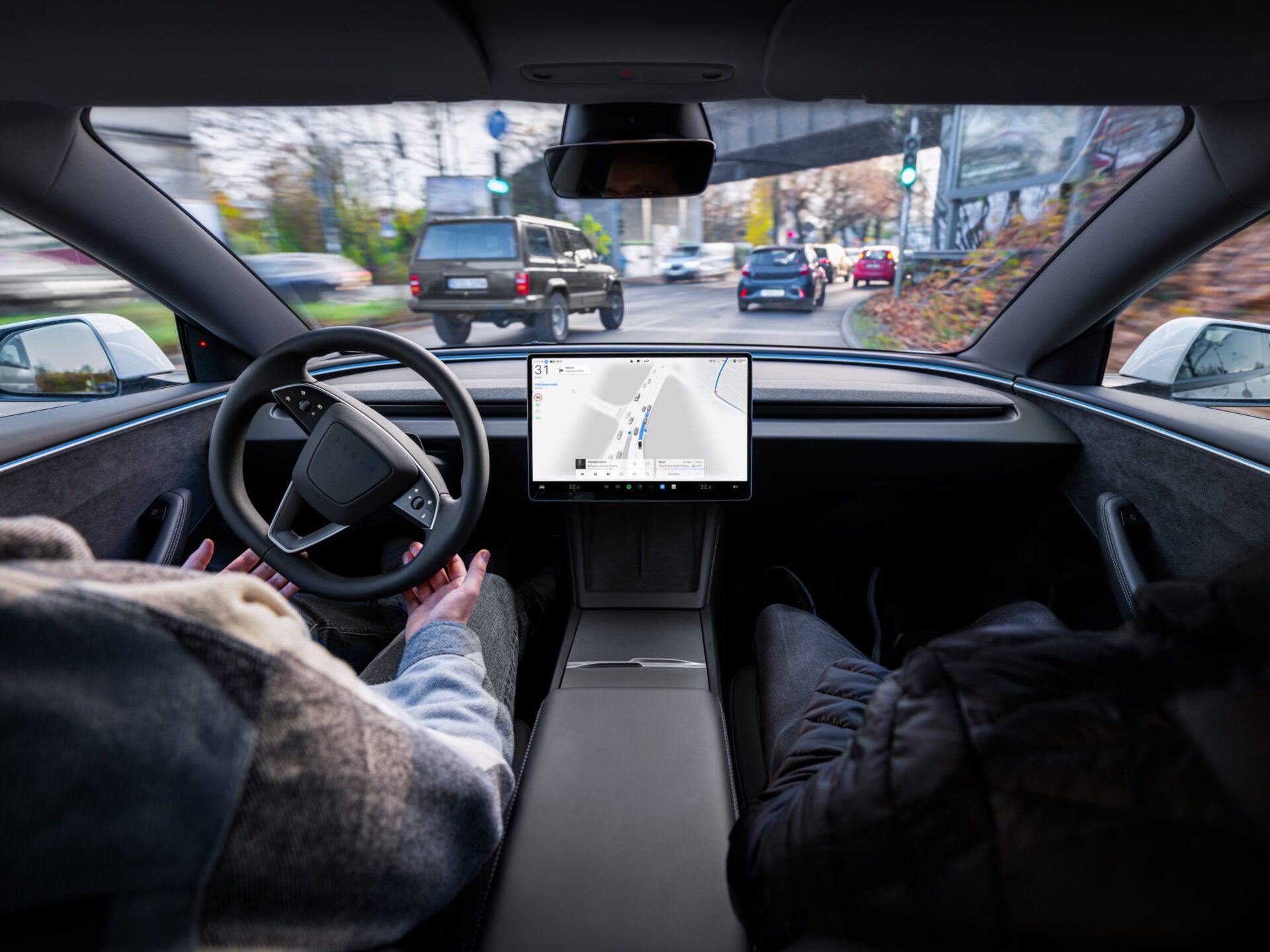
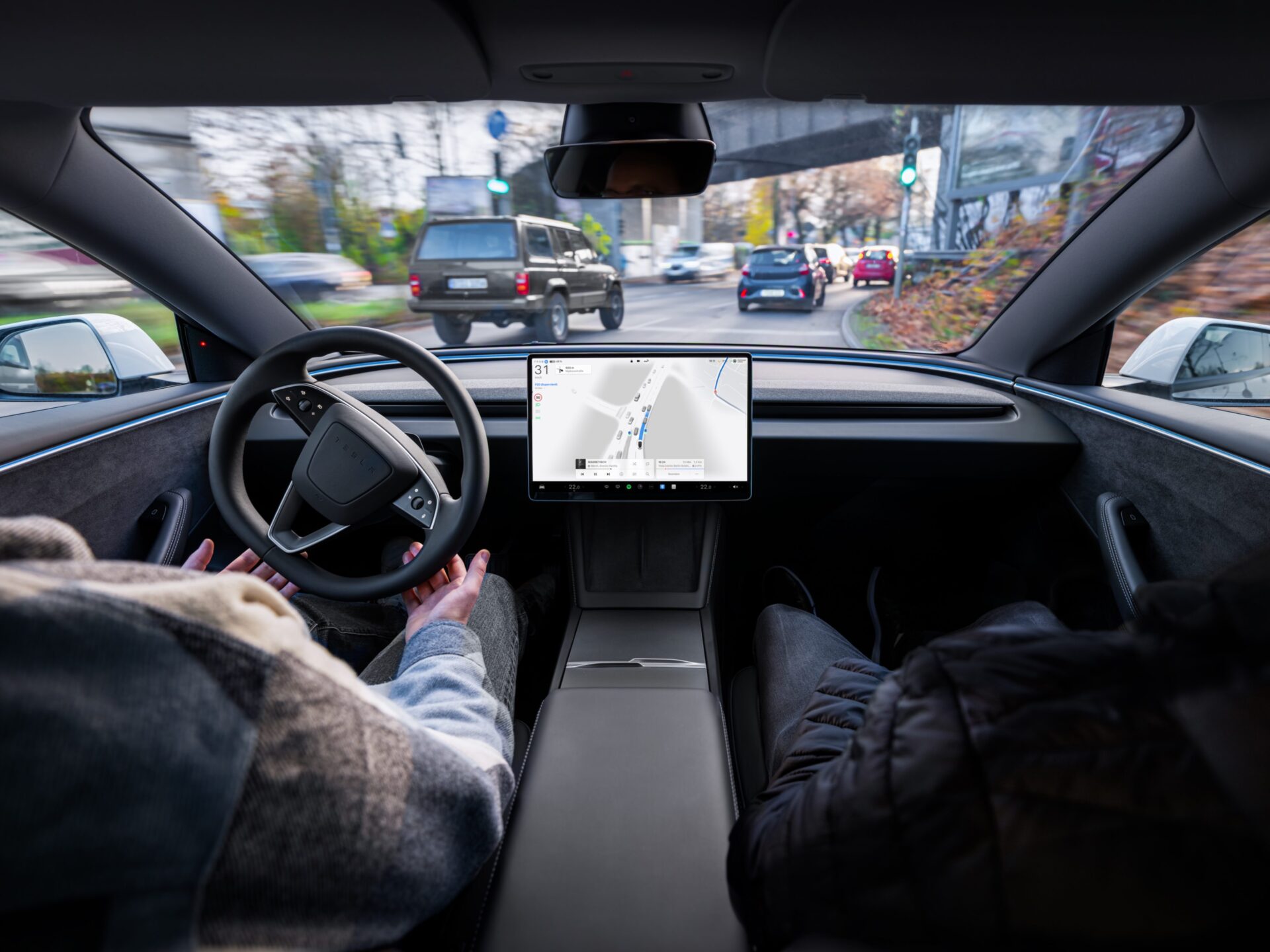
U.S. auto safety regulators have given Tesla more time to respond to a growing federal investigation into whether its Full Self-Driving (FSD) software may have been involved in traffic law violations while active.
The National Highway Traffic Safety Administration (NHTSA) has granted Tesla a five-week extension, pushing the deadline for key responses to February 23. The move comes after Tesla asked for additional time to manually review thousands of internal records tied to the probe, according to Reuters, which first reported the development.
The investigation, opened in October, is part of broader federal scrutiny into Tesla’s advanced driver-assistance systems and the way the company markets and deploys FSD. In December, NHTSA sent Tesla a sweeping information request seeking data on consumer complaints, field reports, crashes, lawsuits, and internal assessments related to alleged traffic violations committed while FSD was engaged.
So far, the agency says it has received 62 consumer complaints and has identified additional media reports and crash data that may be relevant to the investigation. In a January 12 filing, Tesla told regulators that 8,313 records still needed to be reviewed, adding that its team can process roughly 300 records per day. At that pace, the company argued, more time was needed to ensure accuracy and completeness.
Tesla also pointed to the strain of responding to multiple NHTSA probes at once. Beyond FSD, the automaker is currently under investigation for separate issues involving delayed crash reporting and door handle failures affecting both the Model 3 and Model Y. Tesla has already committed to revamping aspects of its door handle design following regulatory pressure.
The FSD probe itself focuses on reports that Teslas operating with the software engaged may have violated traffic laws, including improper lane usage or failing to obey traffic controls. While the investigation does not imply wrongdoing, it could ultimately lead to further regulatory action if safety-related defects are identified.
For Tesla, the extension buys time — but it also underscores the growing regulatory spotlight on its driver-assistance technology as FSD continues to roll out to more users.