(3 Minutes Read)
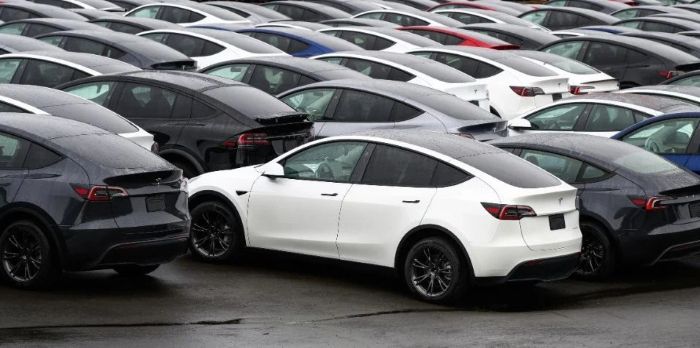
Tesla has relinquished its long-held position as the world’s largest seller of electric vehicles, marking a significant turning point for the once-dominant automaker. The company confirmed that a combination of consumer backlash against CEO Elon Musk’s right-wing political views, the expiration of key U.S. tax incentives, and intensifying competition from overseas rivals has driven sales lower for the second consecutive year.
The company reported global vehicle deliveries of 1.64 million units in 2025, representing a 9% decline compared with the previous year. This downturn allowed China’s BYD to seize the top spot in the global EV market after selling 2.26 million vehicles over the same period, making it the new world leader in electric vehicle production and sales.
The shift represents a dramatic reversal of fortunes for Tesla, which for years appeared virtually unstoppable. The company had rapidly surpassed established automakers with far greater financial and manufacturing resources, reshaping the global auto industry in the process and helping propel Musk to the status of the world’s richest individual. That momentum has now slowed considerably.
Notably, Tesla’s struggles have persisted despite unusually high-profile political support. Early last year, President Donald Trump publicly praised Musk during a White House press conference, calling him a “patriot” while standing in front of Tesla vehicles displayed on the White House driveway. Trump even announced his intention to purchase a Tesla himself, breaking with long-standing presidential norms against endorsing specific private-sector products. The endorsement, however, failed to translate into a sustained boost in sales.
Tesla’s fourth-quarter performance underscored the depth of its challenges. The company delivered 418,227 vehicles during the period, falling well short of analysts’ already reduced expectations of 440,000 units, according to estimates compiled by FactSet.
Read Also;
https://trendsnafrica.com/egypt-to-produce-electric-cars/
A major factor behind the weak results was the expiration of a USD 7,500 federal tax credit for electric vehicle buyers. The incentive, which had played a crucial role in making EVs more affordable for U.S. consumers, was phased out by the Trump administration at the end of September. The loss of the subsidy significantly dampened demand, particularly in Tesla’s core domestic market.
Together, these pressures—political controversy, shifting government policy, and aggressive competition from fast-growing international players—have eroded Tesla’s dominance and signaled a new, more competitive era in the global electric vehicle industry.