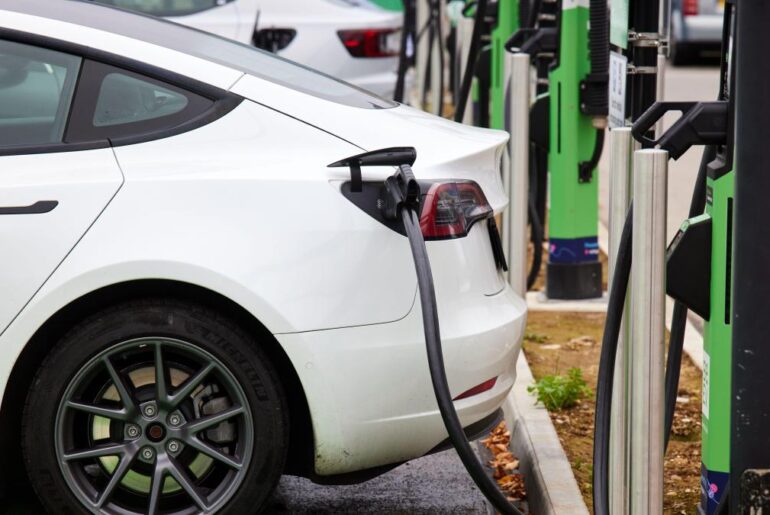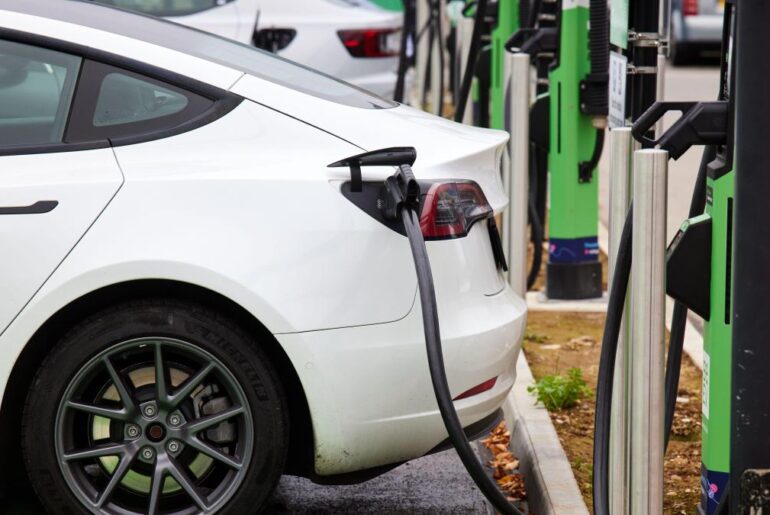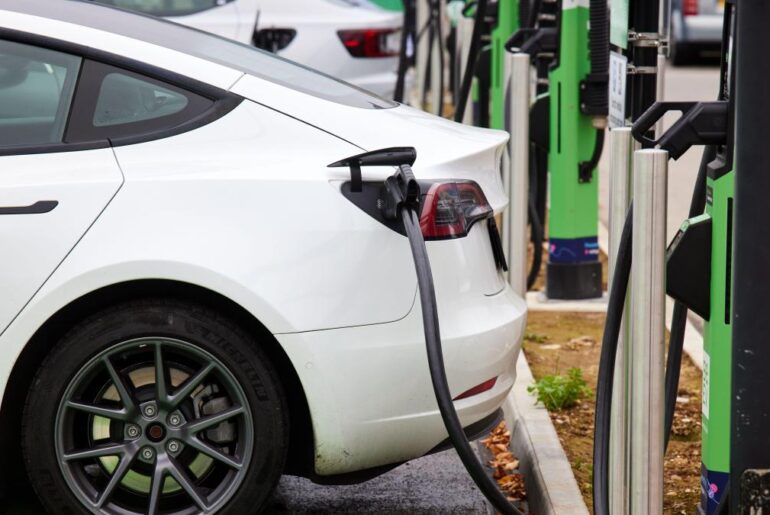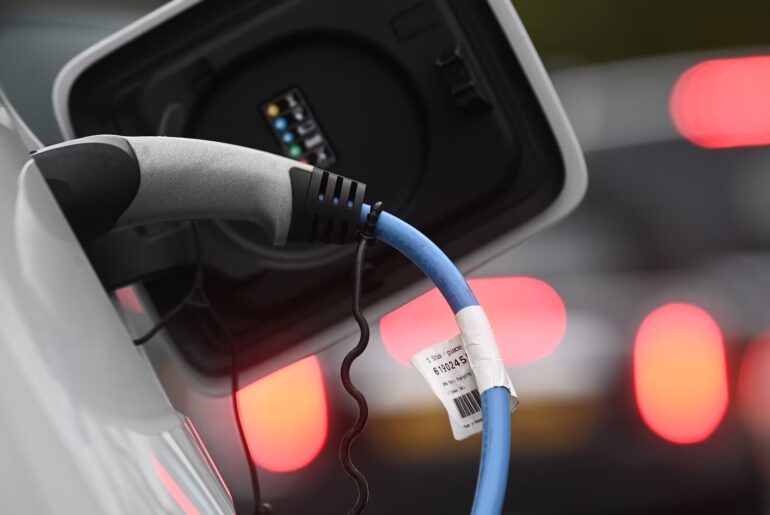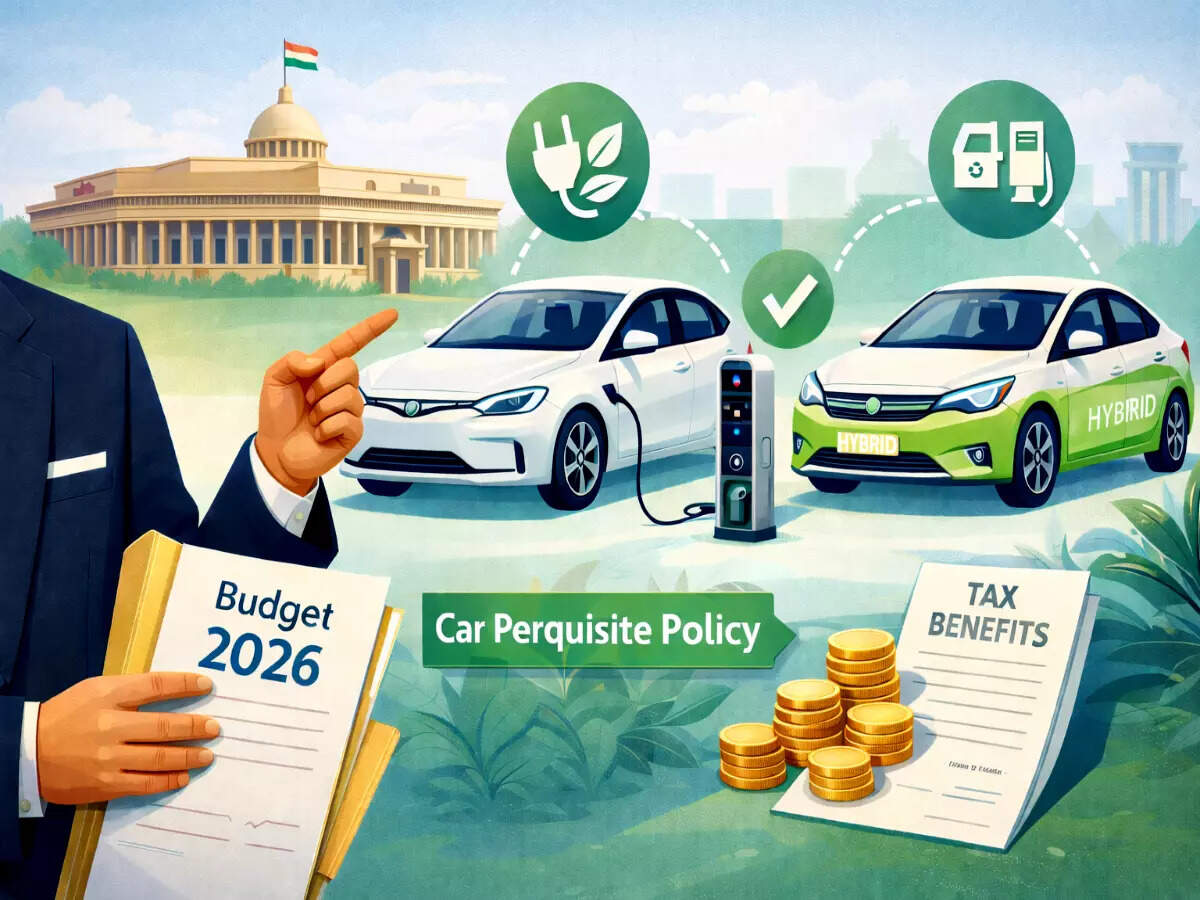
When an employer provides car facility to their employee or reimburses their running costs, it counts as a perquisite or perk under Section 17(2) of the Income Tax Act, 1961. An employee can claim tax benefit against such expenses under certain conditions. But there is a catch. While those with combustion engine cars of a particular capacity can claim tax benefits under the car perquisite scheme, this doesn’t apply the same benefits are not extended to people with electric vehicles (EVs) or hybrid cars.
Given the government’s growing emphasis on EVs, many experts believe the electric and hybrid cars should also be brought under the car perquisite policy. What is the car perquisite policy under Income Tax Act?
Chartered accountant Avinash Rao, partner at Mohindra & Associates, explains that when an employer provides a car, or reimburses running expenses of an employee’s car, the Income-tax Act treats this as a ‘perquisite’ under Section 17(2).
“As per Rule 3 of the Income-tax Rules, 1962, the government provides a structured and transparent method of taxing car benefits by assigning a fixed notional value instead of the actual cost. This allows employees to receive employer-provided mobility support in a tax-efficient and fully compliant manner,” says Rao.
Rao says three factors decide car perquisite taxation-
Factor
Meaning
Who owns the car Employer or Employee Who pays running expenses Employer or Employee How the car is used Official, Personal or Both
Cars are also classified as small car (engine up to 1.6 litres) and big car (engine above 1.6 litres).What’s the issue with the car perquisite policy? Divya Baweja, direct tax partner, Deloitte, says while the income tax rules provide a detailed mechanism for calculating the car perquisite for fuel vehicles, the same clarity is absent for EVs.
“This lack of clarity leads to uncertainty and anxiety about valuation for the employer, increased concerns for tax withholding and the probability for future litigation,” says Baweja.
Sachin Garg, partner, Nangia & Co LLP, says the current perquisite valuation framework under Rule 3 of the Income Tax Rules, 1962, is built around engine cubic capacity, a parameter that is either irrelevant (in EVs) or only partially relevant (in hybrids), resulting in inconsistent tax treatment.
How does the car perquisite policy impact employees?Sneha Pai, senior director, direct tax, Nexdigm, says if perquisite values for electric and hybrid vehicles are aligned with their lower operating and environmental costs, employees may face a comparatively lower tax burden than they would for conventional fuel-based cars.
“This could further enhance the appeal of electric vehicles among salaried individuals and encourage broader adoption, thereby supporting India’s push towards ambitious electrification targets in the transportation sector,” feels Pai.
What experts want the government to do on car perquisite policy in Budget 2026?
Baweja says CBDT should consider notifying regulations for EVs immediately as that will help employers to value the perquisite and enable employees to understand the tax impact better.
Garg suggests policy should include reimbursements for public charging costs, electricity used for charging, recognition of battery usage or replacement costs and separate recognition of fuel and electric components for hybrid vehicles.
Vishwas Panjiar, founder, SVAS Business Advisors, feels the policy does not require a complete redesign, and limited and targeted tweaks to the existing framework can help achieve continuity.
“For instance, in the case of employer-owned electric or hybrid vehicles, a fixed monthly perquisite value could be prescribed, similar to the current slab-based system, with battery capacity or vehicle category replacing engine capacity as the relevant metric,” says Panjiar.
Pai suggests that for EVs, the car perquisite policy should also include battery leasing or replacement and specialised maintenance. For hybrid vehicles, Pai recommends the government follow a balanced approach that accounts for both fuel and electric usage.
How does car perquisite policy impact employers?Garg says the lack of clarity on perquisite valuation framework for EVs and hybrid vehicles discourages employers from including them in standard car policies.
“Such policies are thereby slowing corporate EV adoption despite government incentives under Faster Adoption and Manufacturing of Electric Vehicles (‘FAME’) and related schemes,” explains Garg.