Mitsubishi Electric becomes the latest automotive components supplier to trim away its operations and focus on profitability. By Stewart Burnett
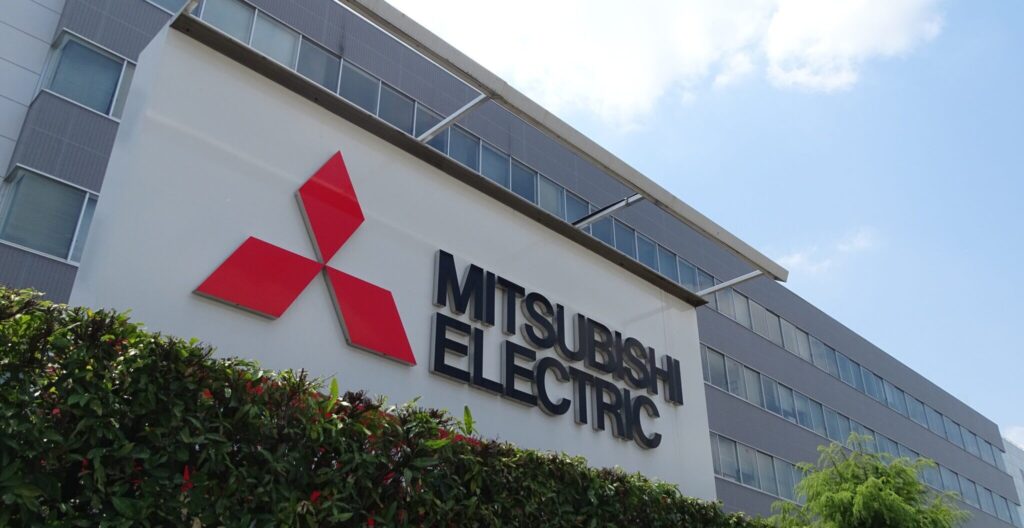
Mitsubishi Electric is soliciting bids for its automotive equipment business, with the first round of proposals from car parts suppliers and private equity funds due by 26 January. The Japanese electronics manufacturer expects that the divestment will generate somewhere between JP¥200bn and JP¥300bn (US$1.3bn-US$1.9bn), people familiar with the plans told Bloomberg.
The automotive equipment unit manufactures inverters and motors for hybrid and electric vehicles (EVs), alongside in-car entertainment systems and other components. The business reported sales of JP¥423bn during the April-September period, with an operating margin of approximately 5%. Mitsubishi Electric’s overall margin for the period was 8.2% —more than three points higher—suggesting that the motivation for the sell-off is to boost operating margins.
Mitsubishi Electric announced its automotive equipment restructuring back in April 2023, almost three years ago, transferring the unit’s operations to a newly formed subsidiary in October of the same year. The entity, named Mitsubishi Electric Mobility Corporation in December 2023, commenced operations as a separate business in April 2024. The manufacturer indicated at the time it would exit car navigation systems where earnings potential remained weak. Given the almost three years between the initial announcement and the first round of offers, it is highly possible that management exhausted all options for an internal turnaround before proceeding with the sell-off.
The attempted sale forms part of a large-scale structural reform at the electronics manufacturer, targeting roughly JP¥800bn in sales across underperforming operations. Management aims to reallocate resources away from businesses facing intense cost competition and capital requirements associated with connected, autonomous and EV technologies. The global electric vehicle market slowdown—as well as the need to compete against lower-cost rivals in China and elsewhere—has compressed margins across component suppliers.
Mitsubishi Electric is far from alone in selling off its automotive divisions: other conglomerates have retreated from automotive exposure due to the same pressures. For example, Panasonic Holdings agreed in 2024 to sell a stake in Panasonic Automotive Systems to an Apollo Global Management affiliate. Dedicated automotive suppliers like Continental and ZF have also hacked away at their business divisions to focus on profitability.
Mitsubishi Electric intends to retain operations where it holds a competitive advantage—for instance, electric power steering systems—while discontinuing internal combustion engine-related products and infotainment system offerings. Potential acquirers include established automotive suppliers looking for scale in electrification components, and private equity firms betting on consolidation opportunities.