Geotab’s EV battery survey reveals low degradation rates, showing modern EV batteries last longer than expected, even with fast charging.
Telematics and fleet management firm, Geotab, has published an all new EV battery health survey, leaning on data collected from EVs using its telematics software.With over 22,700 electric vehicles analysed, across 21 different vehicle models, the results show that for modern EVs, there is little reason for owners to panic about battery degradation.For the small amount of battery degradation that does take place, there are steps that can be taken to reduce this.Worrying about EV battery degradation?
The latest survey carried out over 2025 by Geotab shows that on average, EV batteries are degrading at a rate of 2.3%. This means that on average, a new EV is expected to have 81.6% of its original battery capacity after eight years of ownership (effectively reducing its possible range by around 20%).
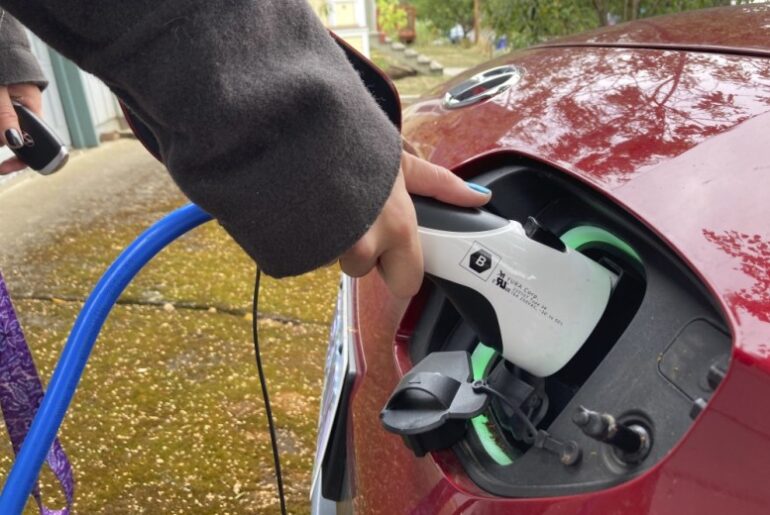
Surprisingly, the 2.3% annual degradation rate is actually up on Geotab’s similar survey ran in 2023, where the average degradation rate stood at 1.8% per year. However, Geotab notes that much of this rise could be down the growth in use of high-power public charging, particularly those units with charging rates above 100kW which are known to slightly speed up battery degradation. Within the data, Geotab found that for EVs where less than 12% of total charging took place on DC fast chargers, average degradation stood at 1.5%. For EVs that carrried out more than 12% of charging on DC fast chargers, degradation stood at a notably higher 2.5%.
Even when EVs are used in extreme weather conditions or regularly charged on high-power chargers, the evidence from Geotab’s survey is clear: EV battery degradation is no longer an issue to worry about, with any severe effects on battery range taking place well beyond the typically expected service life of EVs and ICE vehicles alike. This also backs other studies on EV battery degradation, such as Tesla’s 2023 report which showed that its Tesla Model 3 and Y cars still had, on average, 85% remaining battery capacity after 200,000 miles of driving.
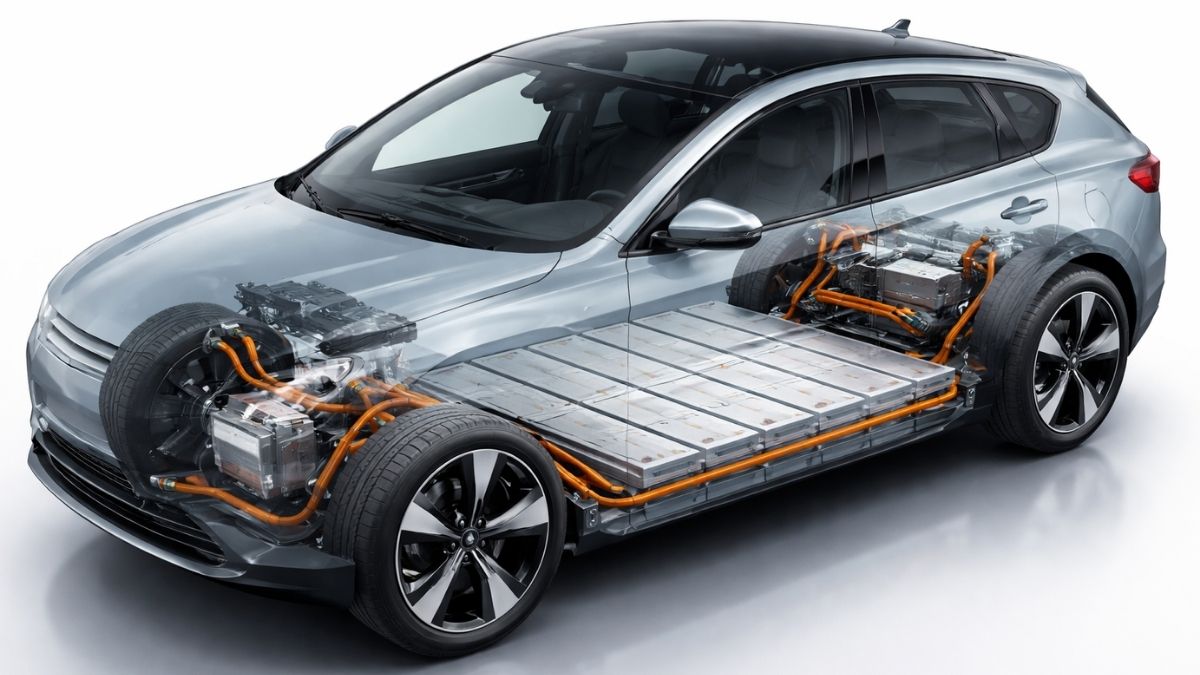
Geotab’s study did not go as far as to break down degradation by battery chemistry type. However, many manufacturers are now making the switch to LFP batteries, which are not only typically more affordable than their counterparts, but are also believed to tolerate more charge cycles and be more resistant to degradation from high-power charging. This is an area to watch in future EV battery degradation studies.