Tesla CEO Elon Musk has made some audacious claims in his time.
The $40,000 Cybertruck, Tesla Cybercab, and Roadster all represent promises made, and broken, by Musk in recent years.
Q4 Model 3 and Y deliveries: 406,585
Q4 all other models deliveries: 11,642
Q4 Model 3/Y production: 422,652
Q4 all other models production: 11,706
Sometimes those promises and broken deadlines even end up costing the company more than just its reputation.
Last year, a Florida jury ruled that Tesla owed $243 million to the family of the victims of a crash involving a Tesla with Autopilot engaged. The lawyer for the plaintiffs said the case hinged on the gap between what Tesla has promised and what it can actually do.
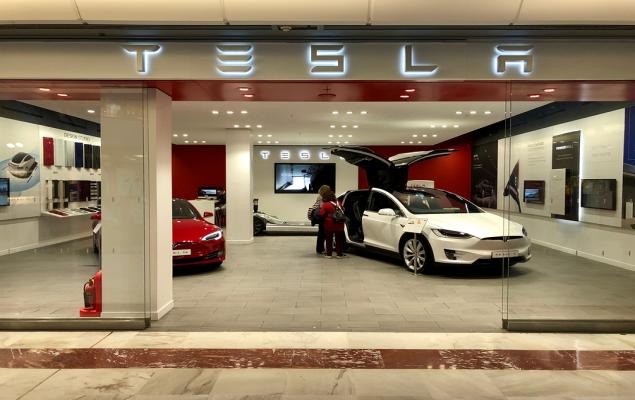
“Tesla in the showroom tells you that they’ve invented the greatest full self-driving car the world has ever seen. Mr. Musk has been peddling to consumers and investors for more than a decade that the cars are fully self-driving and that the hardware is capable of full autonomy. And those statements were as untrue the day he said them as they remain untrue today,” said attorney Brett Schreiber.
Tesla currently faces a class-action lawsuit in California District Court over claims that the company misled customers about the capabilities of its Full Self-Driving (FSD) feature.
Tesla has teased its Robotaxi program since Musk first mentioned it in 2016. As recently 2024, Musk claimed there would be 1 million of them on the road by 2025.
However, Tesla achieved a significant milestone when it launched with approximately a dozen Robotaxis in Austin, Texas, last summer.
Since then, progress has been slow. Still, analysts at Deutsche Bank believe that 2026 is the year for the Robotaxi, and Tesla will need to deliver there to keep investors from asking questions about other parts of the business.
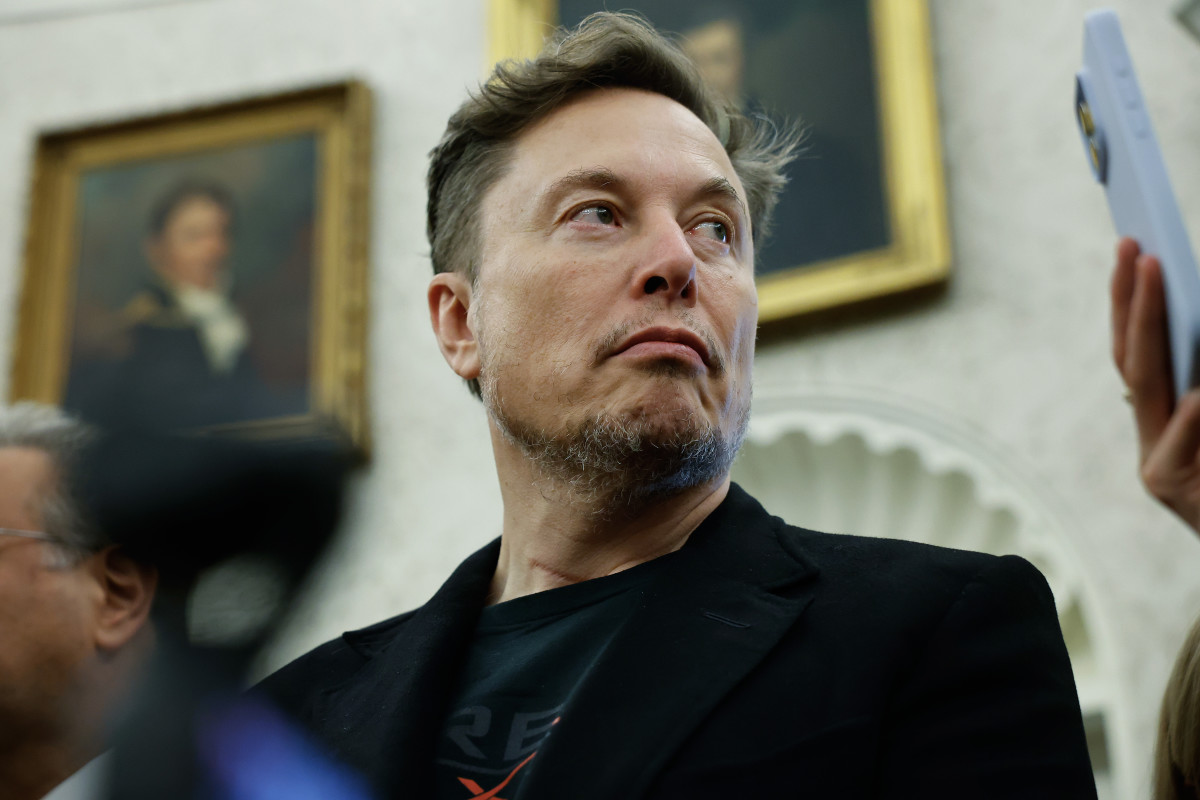
 Elon Musk is known for big promises that sometimes don’t come to fruition.Photo by Bloomberg on Getty Images
Robotaxi is at the forefront of most Tesla investors’ minds, including Elon Musk’s.
But last year, the company struggled to even approach fulfilling the promises Musk made about Robotaxis’ progress.
“I think we will probably have autonomous ride-hailing in probably half the population of the U.S. by the end of the year,” Musk said during the opening remarks of the company’s second-quarter earnings call in July.
Related: Tesla hits huge Robotaxi milestone, but questions in Austin remain
By the third-quarter call in October, Musk had struck a much more sober tone. He preached being “cautious about the deployment,” saying that the company’s goal now was to be “actually paranoid about deployment” because, as he put it, “even one accident will be front-page headline news worldwide.”
But analysts at Deutsche Bank don’t believe the company has time to be paranoid in 2026.
Tesla reported its second consecutive year of declining deliveries in 2025, and analysts expect the company to face challenges with demand again in 2026. But DB analysts also expect investors to look past the low volume and to a future driven by autonomous Robotaxis.
“While the autos business at Tesla may underperform in 2026, we think more attention is directed towards the company’s robotaxi expansion and efforts at humanoid development,” Deutsche Bank analysts said in a recent note.
“To the extent that the macro regime doesn’t change materially, we think investors will continue to look beyond weakness in the autos business.”
However, the firm also expects “the race for autonomy and embodied AI” to accelerate in 2026.
While Tesla CEO Elon Musk thinks of his company as much more than just an electric vehicle maker, more than 90% of Tesla’s revenue comes from cars.
And unfortunately for the company, its car business isn’t doing very well.
Earlier this month, the company reported delivering 418,000 vehicles in the fourth quarter, exceeding the 15% year-over-year decline to 422,000 vehicles that analysts polled by Tesla had expected.
Related: Tesla’s troubles are mounting in a few key regions
For the year, they expected 1.64 million deliveries, an 8.6% decline, which Tesla achieved.
The year 2025 is the second consecutive one in which Tesla delivered fewer cars than it did the previous year. Tesla delivered 1.79 million vehicles in 2024 while producing 1.77 million. In 2023, the company delivered 1.81 million cars and produced 1.85 million.
Musk will undoubtedly have something to say about the year’s results during the company’s earnings call after the market close on Wednesday, January 28, and investors will be on the call.
In November of last year, Tesla reported that sales of vehicles produced at its Shanghai Gigafactory increased by 9.9% year over year. Sales of Model 3 and Model Y vehicles produced at the factory increased 41% month over month, according to data from the China Passenger Car Association, cited by Reuters.
While Tesla Shanghai delivers to many regions outside of China, the numbers represented good news for the car company after sales in China dropped to a three-year low in October.
China: 6.4 million EVs sold
Europe: 2.2 million EVs sold
U.S.: 1.2 million EVs sold
Rest of world: 1 million EVs sold
Source: International Energy Agency
Going into December, Tesla had sold nearly 532,000 vehicles in China, according to data crunched by Electrek.
Tesla sold more than 657,000 EVs in China last year, so it needed to sell another 125,000 in the final four weeks to match last year’s total.
But Tesla Shanghai only produced 97,171 units in the month. So, despite Giga Shanghai producing at full capacity in the month, it would not create enough vehicles to meet the number needed to surpass last year’s delivery total.
Tesla’s downturn in Europe has been a long time coming, and it doesn’t seem to be letting up anytime soon.
The company reported falling sales across the European region for most of 2025, driven by numerous issues, including CEO Elon Musk’s increased involvement in politics.
Although Musk promised investors that he would spend more time at Tesla HQ in Austin once his time in D.C. ended, he instead flirted with starting his own political party and spends much of his social media bandwidth commenting on government concerns.
According to Reuters data, Norway was the only major European market to report an increase in sales last year. Sweden and Belgium each reported at least a 50% decline, while the Netherlands fell just short of that threshold.
Portugal, Spain, Italy, Switzerland, and Britain all reported significant declines as well; however, Norway, Italy, and Switzerland reported more than 50% year-over-year increases in December.
Related: Ford debuts plan to leapfrog key Tesla tech
This story was originally published by TheStreet on Jan 14, 2026, where it first appeared in the Investing section. Add TheStreet as a Preferred Source by clicking here.