The biggest car news and reviews, no BS
Our free daily newsletter sends the stories that really matter directly to you, every weekday.
The first of BMW’s M Neue Klasse models won’t be on roads until 2027, but today the company spilled some more basic details about them, and most importantly, how they’ll be different from their non-M counterparts. These days, we’re used to “performance” versions of EVs simply having software tunes, but if there’s one thing that BMW wants to make clear heading into the Neue Klasse era, it’s that these future M cars will pack unique hardware as well, all in service of a driving experience designed to rival that of any combustion-powered machine.
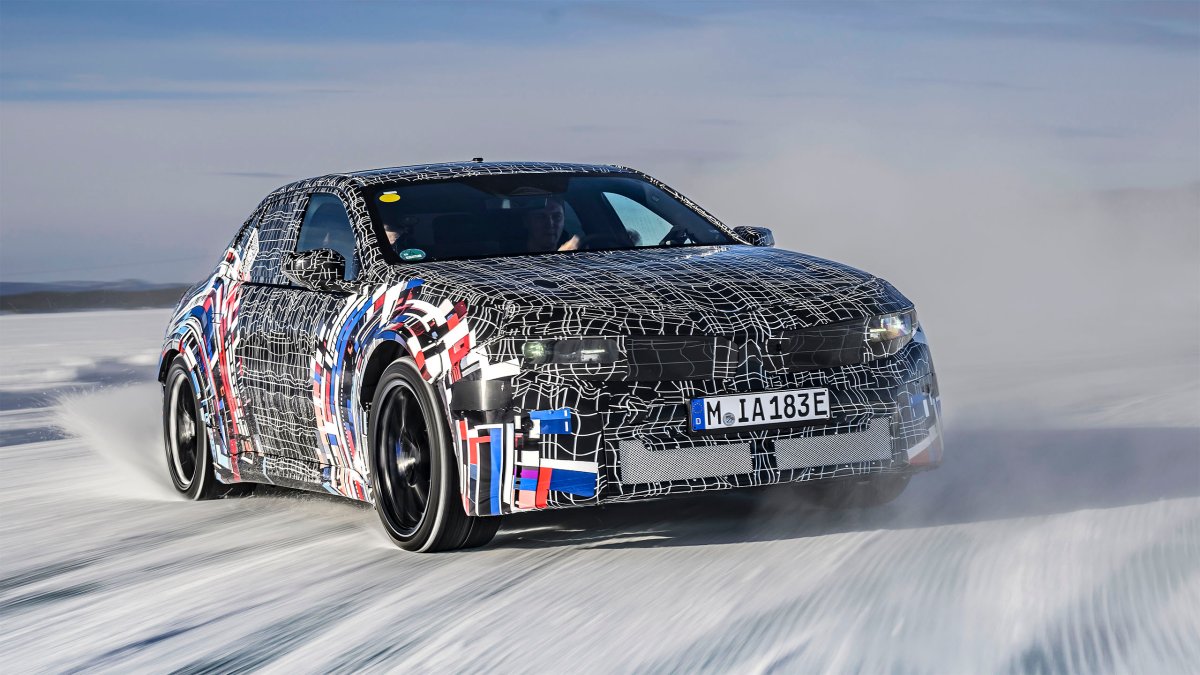
The M Neue Klasse sedan you see here is a prototype, likely representative of the production M-branded i3 sedan, though the philosophy behind its construction will apply to all electric M models. Central to the system is a dual drive-unit powetrain. Each unit is placed on an axle and contains two motors—one for each wheel—allowing the Heart of Joy ECU to modulate torque delivery on all four corners. The rear axle can also operate completely decoupled from the front, giving the driver a choice between the unyielding grip of all-wheel drive or the oversteer bias of rear-wheel drive.
But then, you’d probably expect a high-end, performance EV to place torque dynamically, when and where it’s needed most. What’s refreshing about BMW’s approach with M Neue Klasse is that it hasn’t just sharpened power delivery at the end of the chain—it’s revitalized the whole stack. To achieve the peak and sustained performance targets the M division wanted, BMW had to develop a unique cell chemistry especially for these models. As a result, the M Neue Klasse won’t just produce more power than the Neue Klasse, but it’ll charge faster and recapture more energy, too.
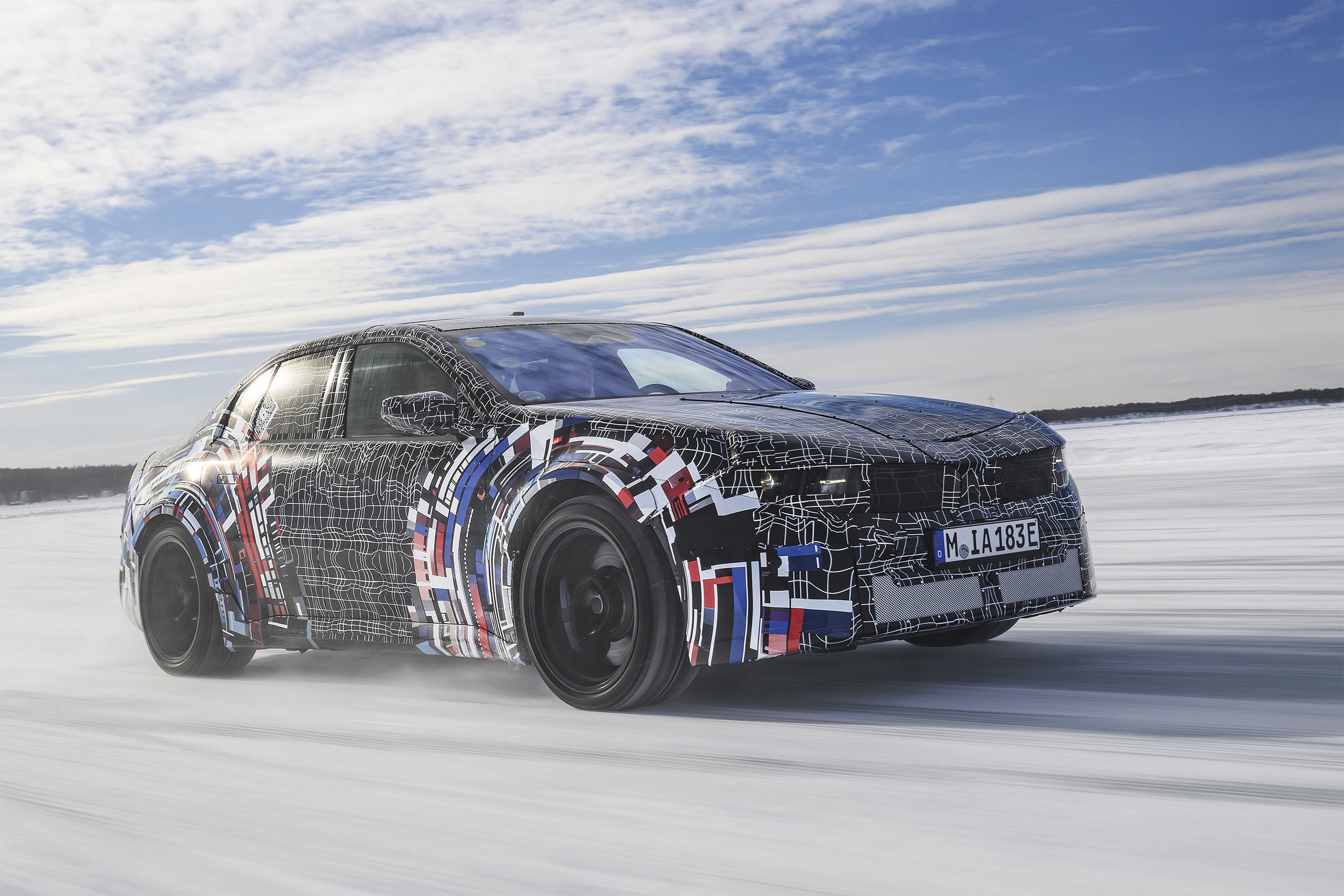
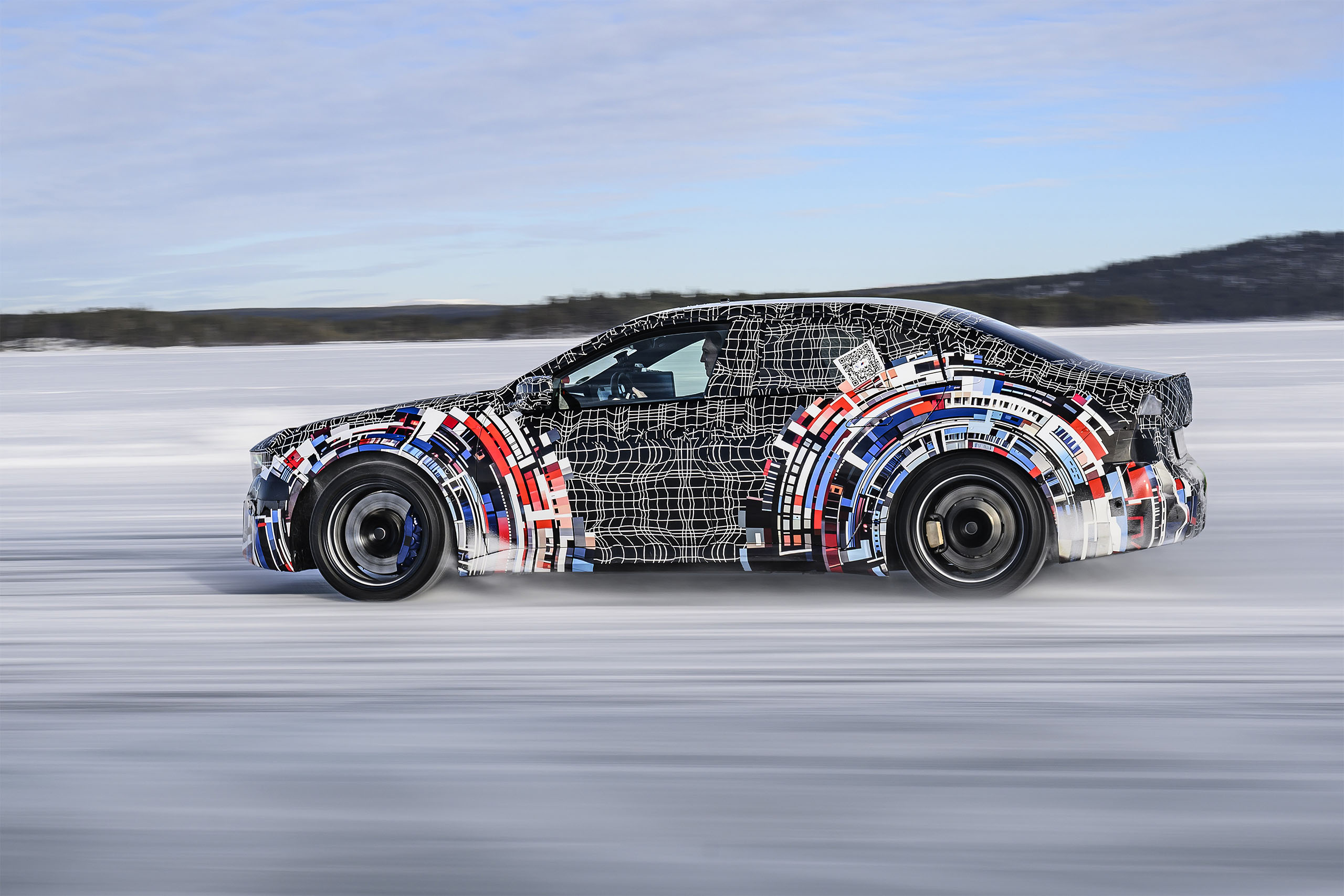
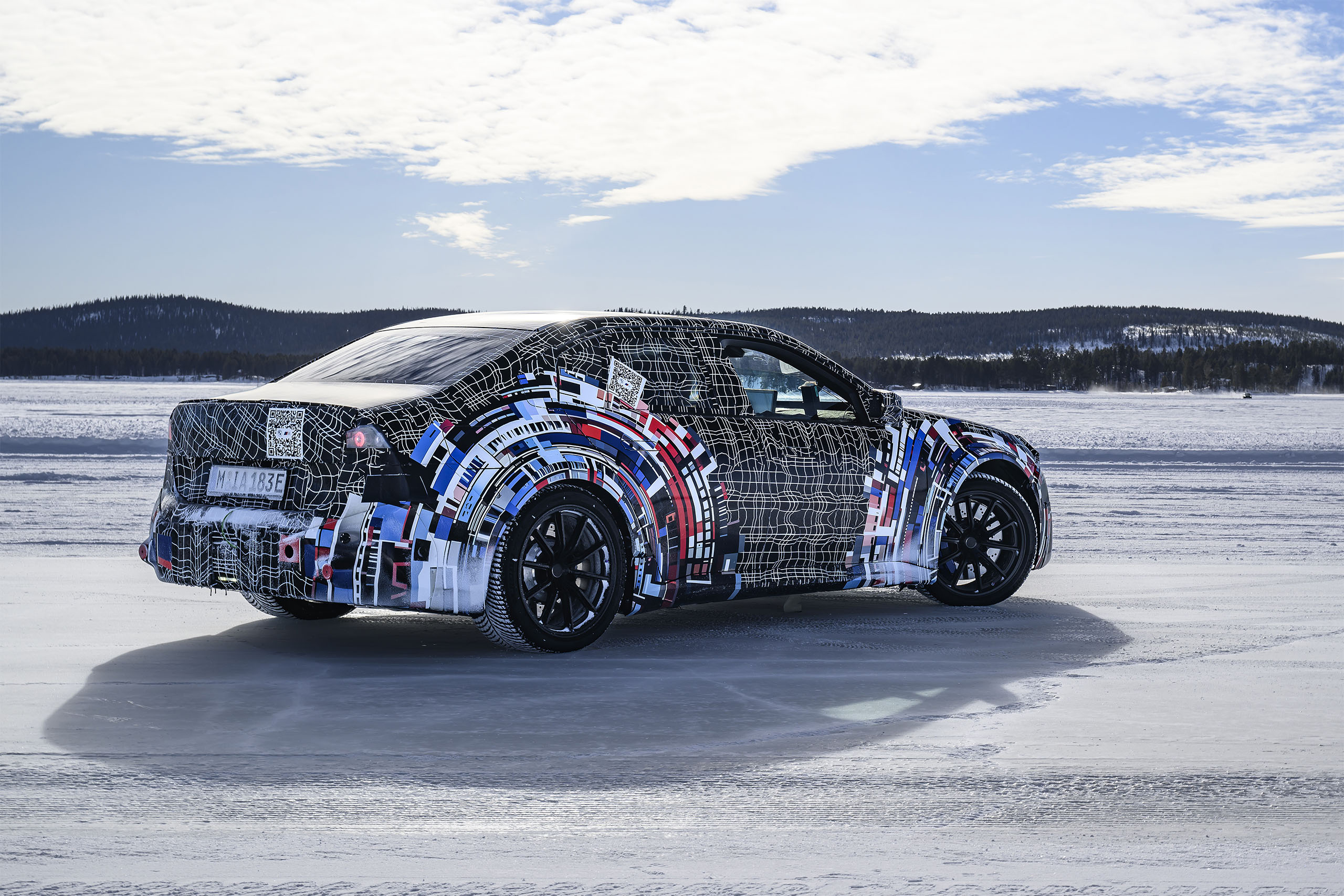
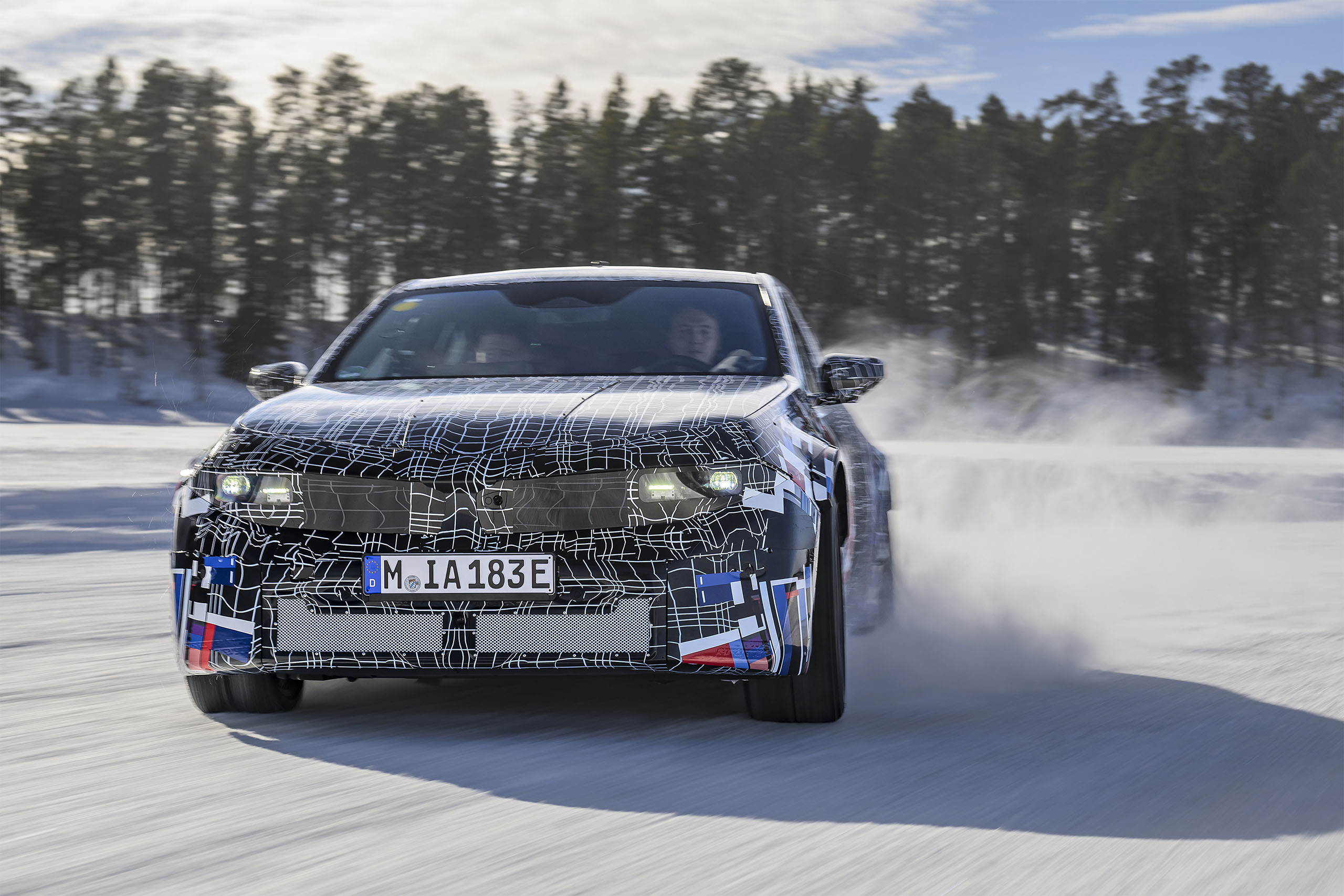
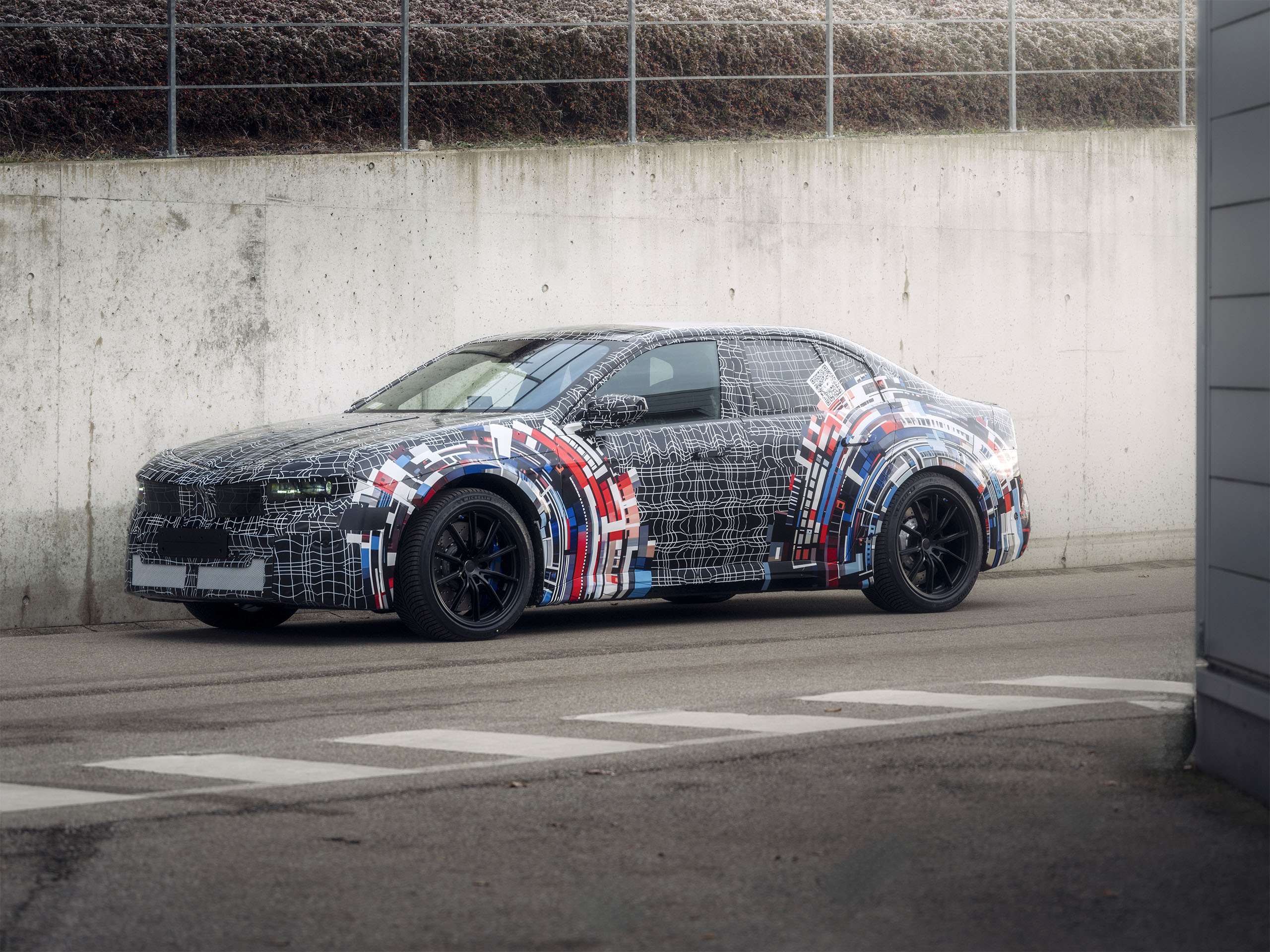
BMW M Neue Klasse prototype. BMW
This is an 800-volt system, with a pack “capacity exceeding 100 kWh,” as BMW vaguely put it. Everything is routed through a streamlined network of four control units, appropriately named “Superbrains,” reducing the complexity of modern high-performance EV architectures.
The battery housing has been attached to the car’s suspension and body in ways that you wouldn’t see in the regular Neue Klasse, enhancing overall stiffness. And BMW’s also refined the lightweight “natural fiber” material it’s been developing through motorsport since 2019, to the point that it’s now ready for mass deployment. BMW says it “offers similar properties to carbon fiber but can be produced with around 40% less CO2e,” or carbon dioxide equivalent emissions.
It feels like we’ve been hearing about BMW’s first true electric M car for ages. With the Neue Klasse sedan rumored to begin production in Munich this summer, it hopefully won’t be long before we see the final, roadworthy iteration of the base design, before its rowdier sibling lands sometime next year. Hey, it’s already 2026, somehow—what’s 12 more months?
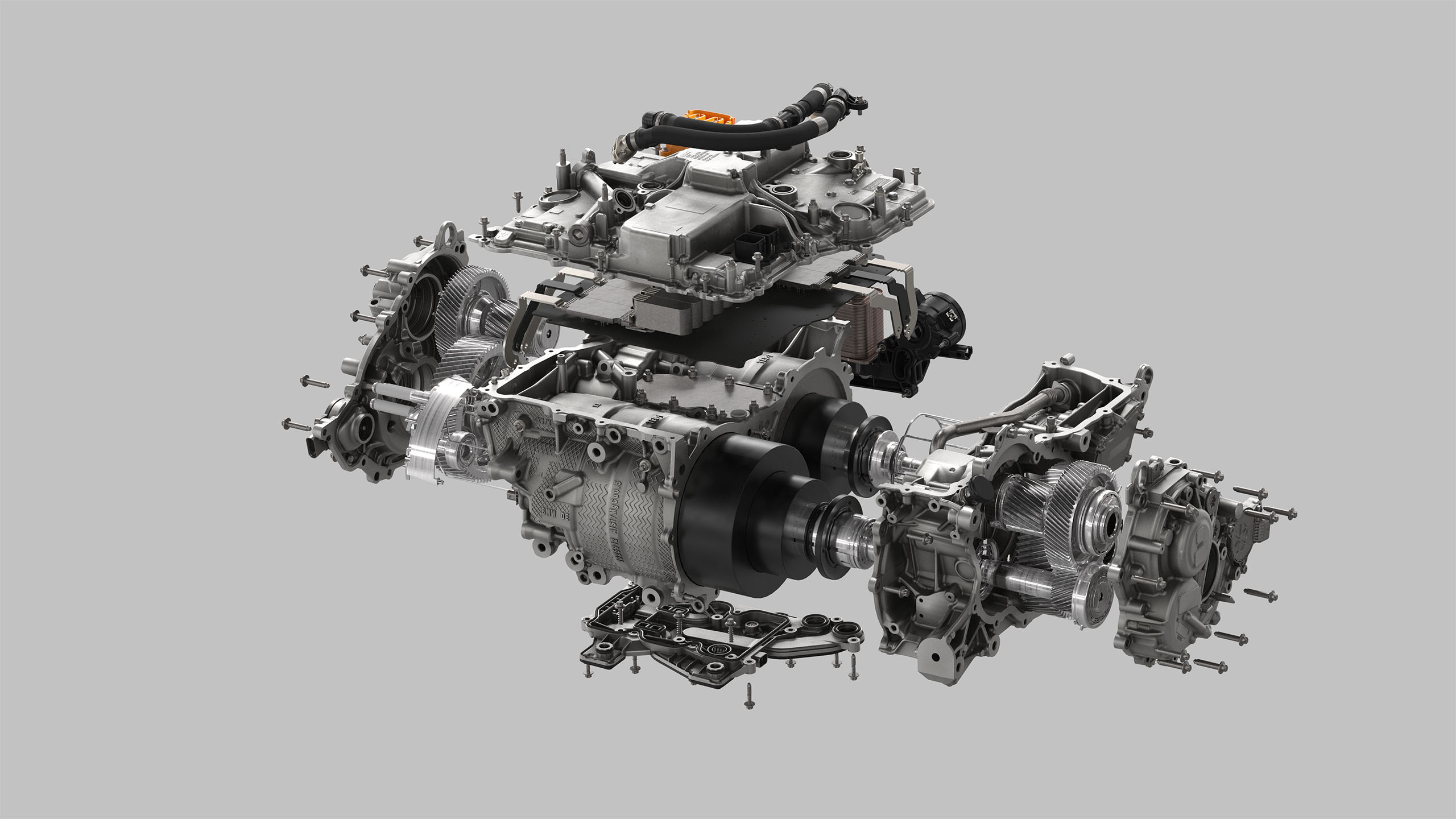
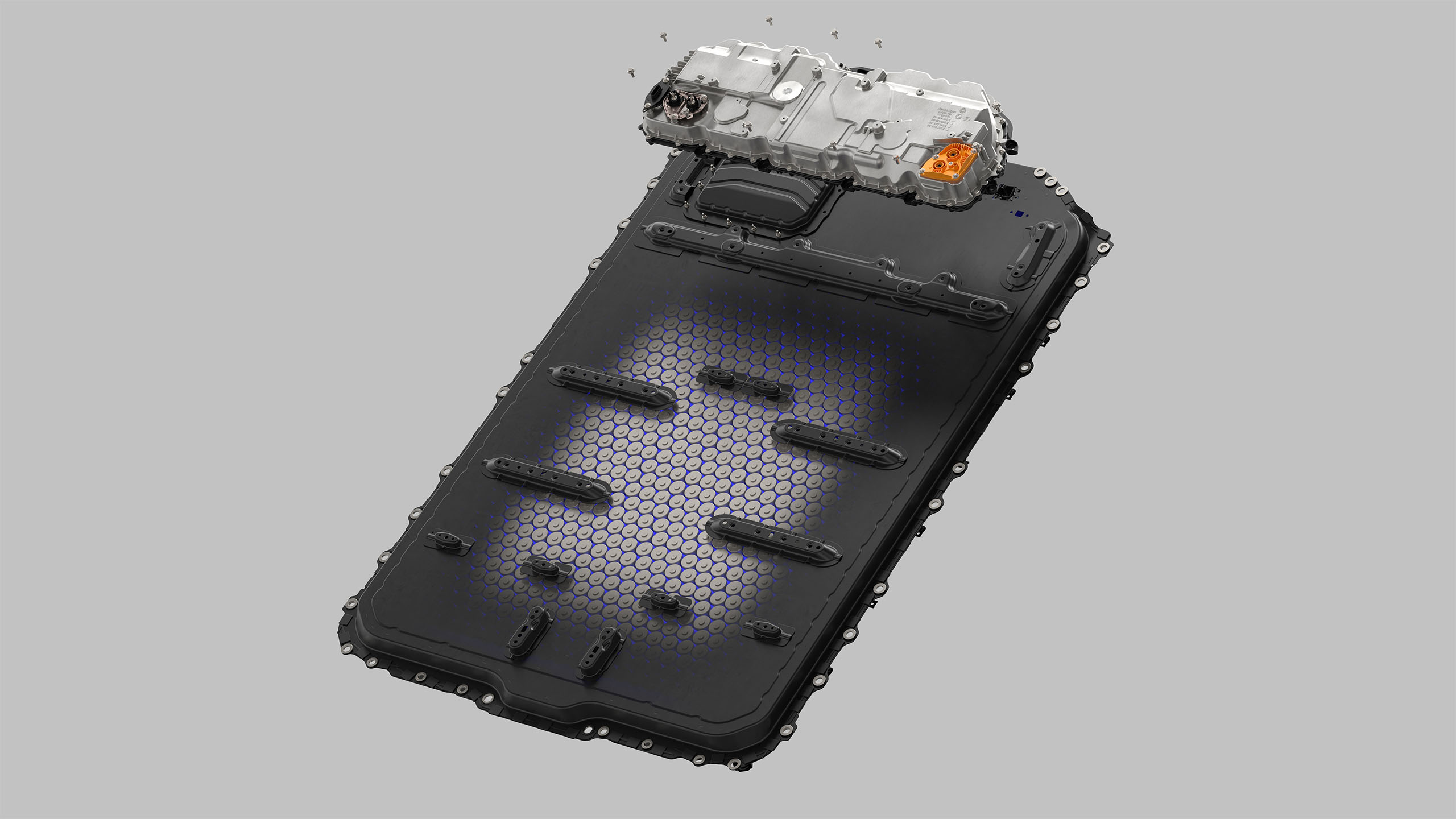
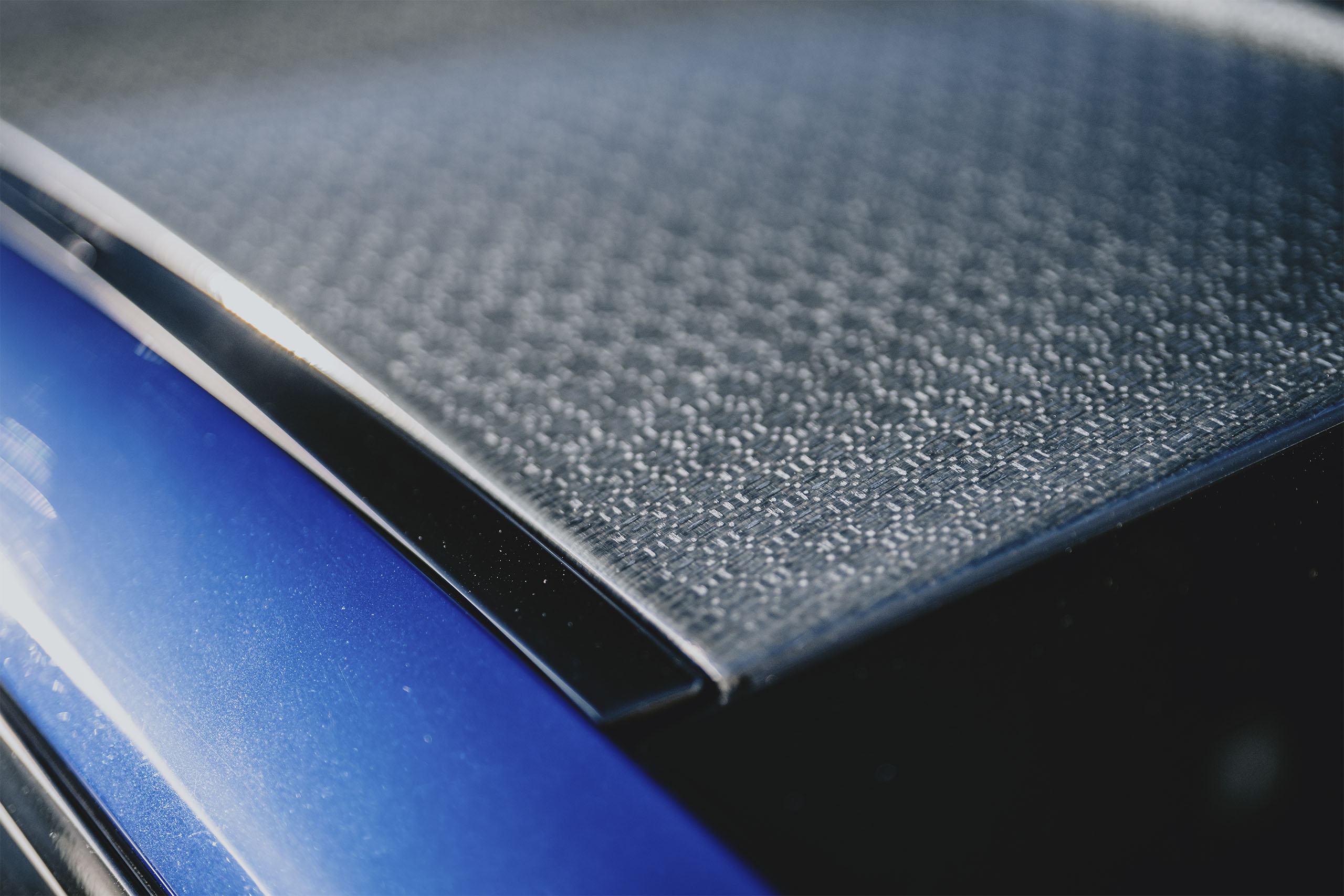
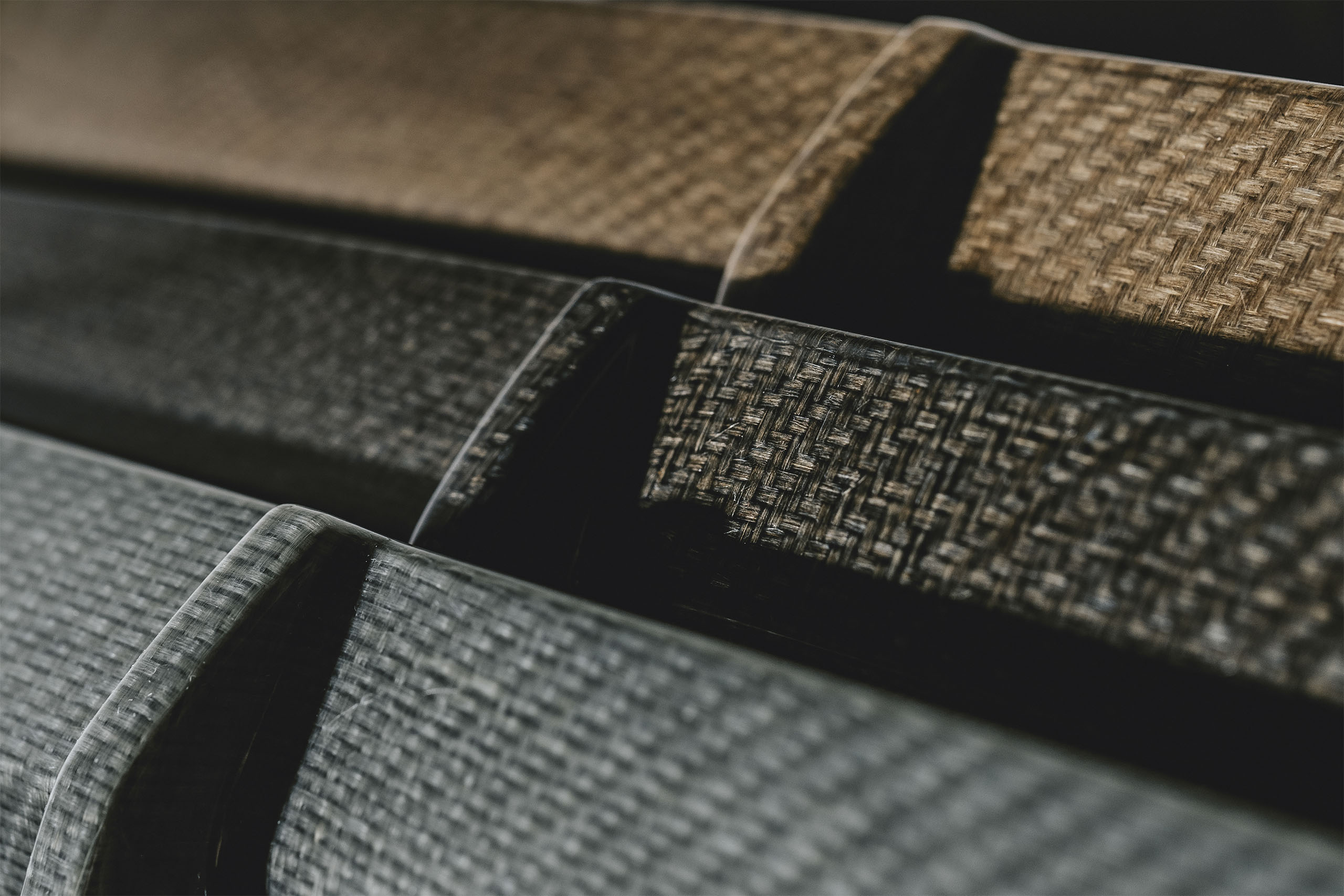
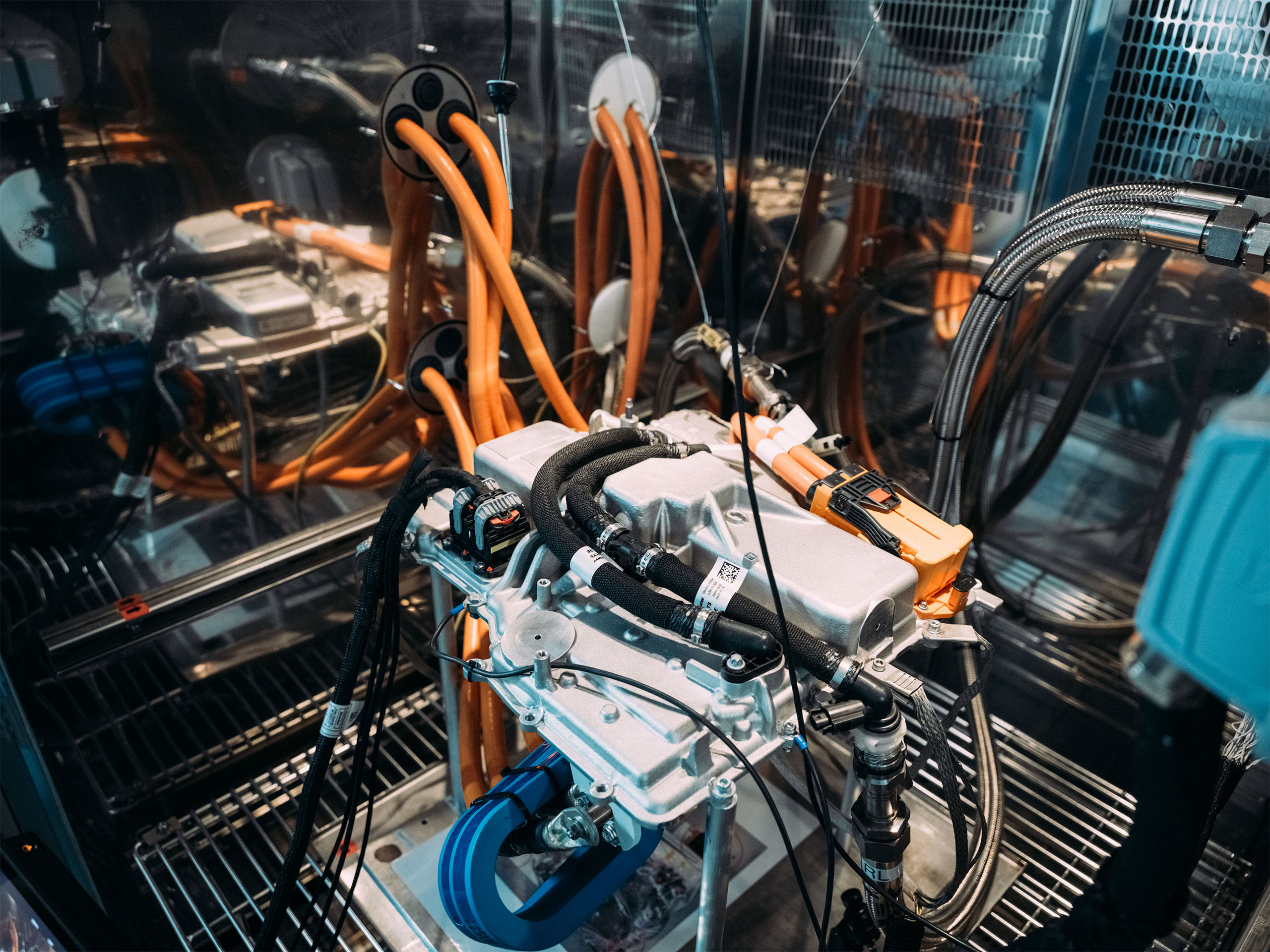
The BMW M eDrive unit, high-voltage battery, and natural fiber material. BMW
Got a tip? Let us know at tips@thedrive.com
Backed by a decade of covering cars and consumer tech, Adam Ismail is a Senior Editor at The Drive, focused on curating and producing the site’s slate of daily stories.