High-power DC charging and heat are factors in degradation, but small changes in habits can help extend the battery life of your vehicle
Modern electric vehicles have been around for more than two decades, yet battery degradation is still a worry among potential EV owners. But a new study by Geotab helps put those concerns to rest, for both consumers and business owners alike.
The fleet telematics company based in Oakville, Ont., recently completed a study entitled How long do electric vehicle batteries really last? The updated guide to real-world EV battery health. Looking at telematics for more than 22,700 electric vehicles covering 21 different light- to medium-duty models from fleets in Canada, the U.S. and Europe, the study proves that EV batteries are robust enough to last the life of the vehicle, or more.
“We’ve been doing this type of study for the last six or … seven years,” said Charlotte Argue, the senior manager of Sustainable Mobility for Geotab, in an interview with Electric Autonomy. “So we’ve been slowly starting to build confidence and build understanding on what can be expected with EVs and the batteries.”
Degradation is up, with a caveat
The study found that the average battery degradation for EVs was 2.3 per cent per year. That means that, even after eight years, the battery will have 81.6 per cent of its original capacity. But the study also highlights how some factors can affect battery life, and what EV owners should avoid to get the most out of their vehicle.
Geotab’s first EV battery study came out in 2020, and that finding was the same 2.3 per cent degradation. By 2023, the number was down to 1.8 per cent, likely due to advancements in battery technology and thermal management systems. So why the rise in degradation with this last study?
Part of that comes down to different battery chemistries and vehicle types. Another part is that this round of test subjects includes more newer EVs than the previous study. “It’s typical that batteries have this cycle in terms of degradation, where there’s a bit of a … faster drop-off for the first couple of years, or first year or two,” said Argue. “And then at some point, it kind of flattens out, continues to degrade at a flat rate, or a base rate. But then at some point, the battery will … degrade a lot faster at the end of life.
“We haven’t seen much evidence of that to date, so I think we need to wait a few more years before we start seeing it, but that’s a good sign, because that means that these batteries are long lasting, performing really well.”
Tellingly, according to the report, eight of the 11 models from the 2023 data have stabilized to 1.4 per cent average degradation per year.
Fast charging is a factor
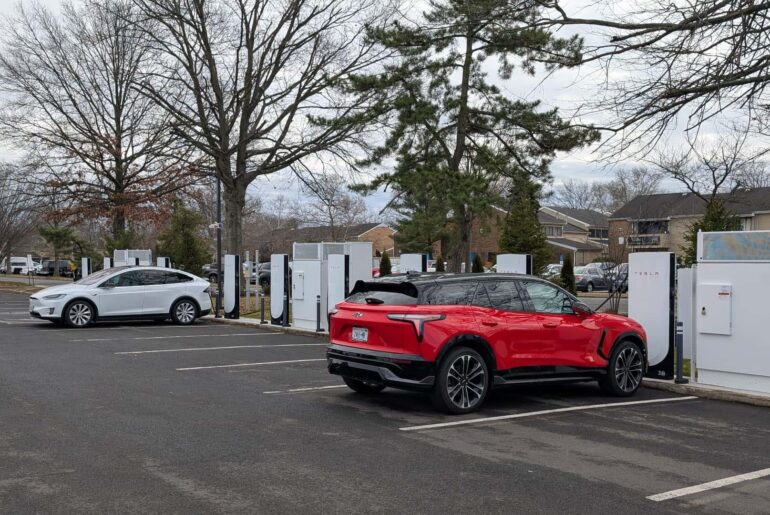
But one of the largest factors in the discrepancy, which the study also highlights as a factor for overall battery health, is charging speed and power. With Level 3 DC fast chargers not only becoming more prevalent, but also more powerful, the report studied its effects and found that vehicles that were charged at Level 3 DC fast chargers with more than a 12 per cent frequency had slightly higher battery degradation than those that did not. And vehicles that charged above 100 kWh for more than 12 per cent of their lifecycles saw a rise to 3.0 per cent of battery degradation.
When it comes to charging, another finding was surprising. Traditionally, common knowledge says to keep the battery between 20 per cent and 80 per cent charge to avoid stress. But the study shows that battery degradation only accelerates if the vehicle spends more than 80 per cent of its time above or below those extreme numbers.
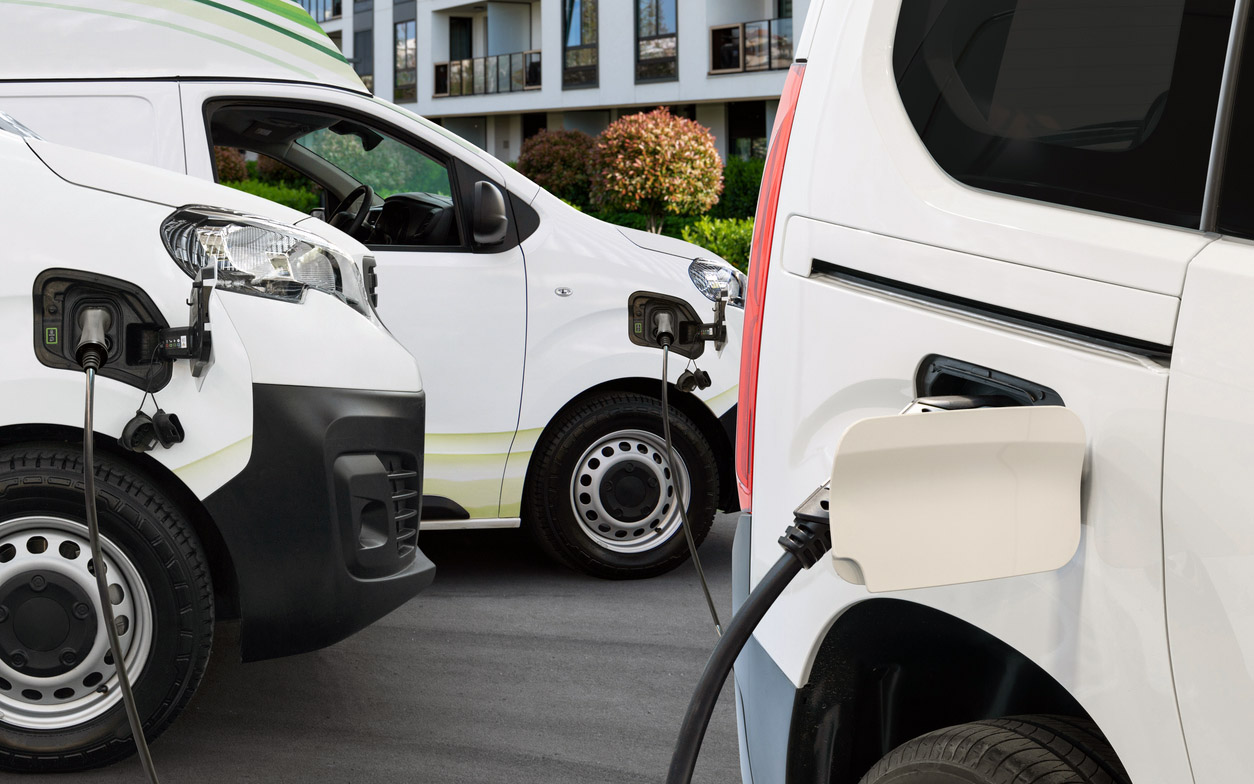
Basically, according to the report, find the charging solution that fits your needs. “If your operation requires really fast charging because you don’t have a lot of dwell time in your natural duty cycle,” said Argue, “then that’s going to be the compromise that you take. But … most fleets, they sit around overnight. They’re dwelled for many hours in the 24-hour period. So if you can default to slightly lower power charging, then that’s just going to help the vehicles last.”
Just use your EV
Hot weather also plays a small part in battery degradation. Vehicles that spent more than 35 per cent of their time in 25 C had their batteries degrade 0.4 per cent faster. Unfortunately for Canadians, this study did not cover colder climate.
Finally, every charge cycle – a full discharge and replenishment of the battery – reduces the life of a battery, meaning the more you use it, the shorter life span it has. But not significantly enough to consider: the report finds that after eight years, “low-use vehicles are projected to retain 88 per cent state of health, while high-use vehicles still maintain a highly functional 81.6 per cent.”
Basically, the report suggests the ROI, fuel savings and daily productivity of vehicle utilization far outweigh coddling its battery.
“I think the main takeaway is use your vehicles and … be confident that your batteries should last,” said Argue. “But if you’re going to make any operational adjustments, don’t default to higher power is always best. Size your charger based on your actual operational needs.”
To read the report in full, visit Geotab’s website.