This probably won’t come as a surprise to anyone, but sometimes it is good to have actual data to prove something. A new study has attempted just that, concluding that if you don’t plug in a PHEV and charge it up, it isn’t good for the air. Not charging it at all means it’s not green… at all. In fact, it could be worse than just running a car with a plain ol’ gas engine.
Study Looked At How Real Owners Charge
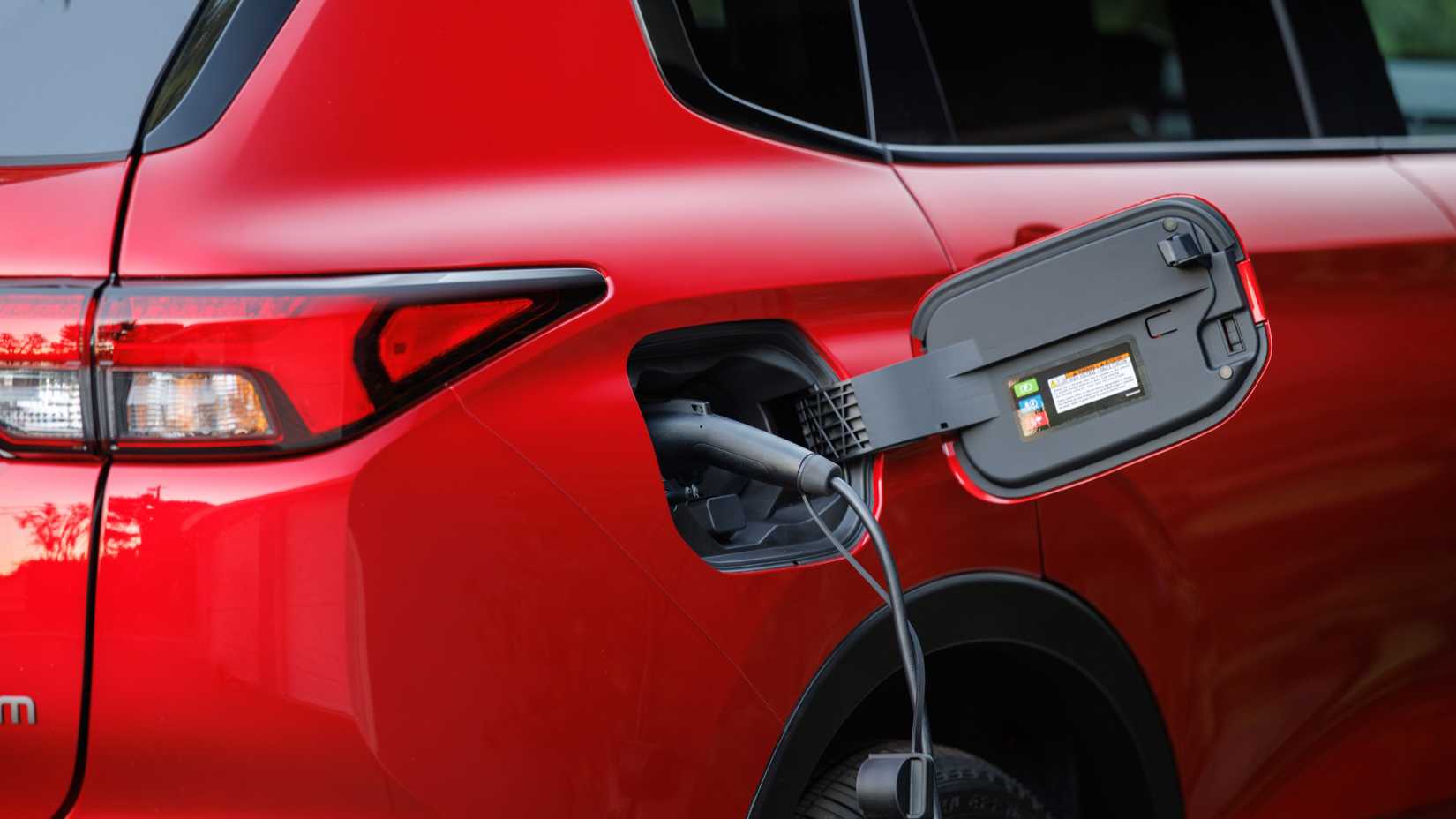
2026 Nissan Rogue PHEVNissan
PHEVs are looked at as the next big thing for slashing tailpipe emissions. You drive 40 miles or so on electric power, and then if you have to go a longer distance, the gas engine kicks on. The promise of lower emissions without range anxiety has driven massive PHEV incentives around the world, including in the US where they could get the same $7,500 federal incentive as a full EV when it was still offered.
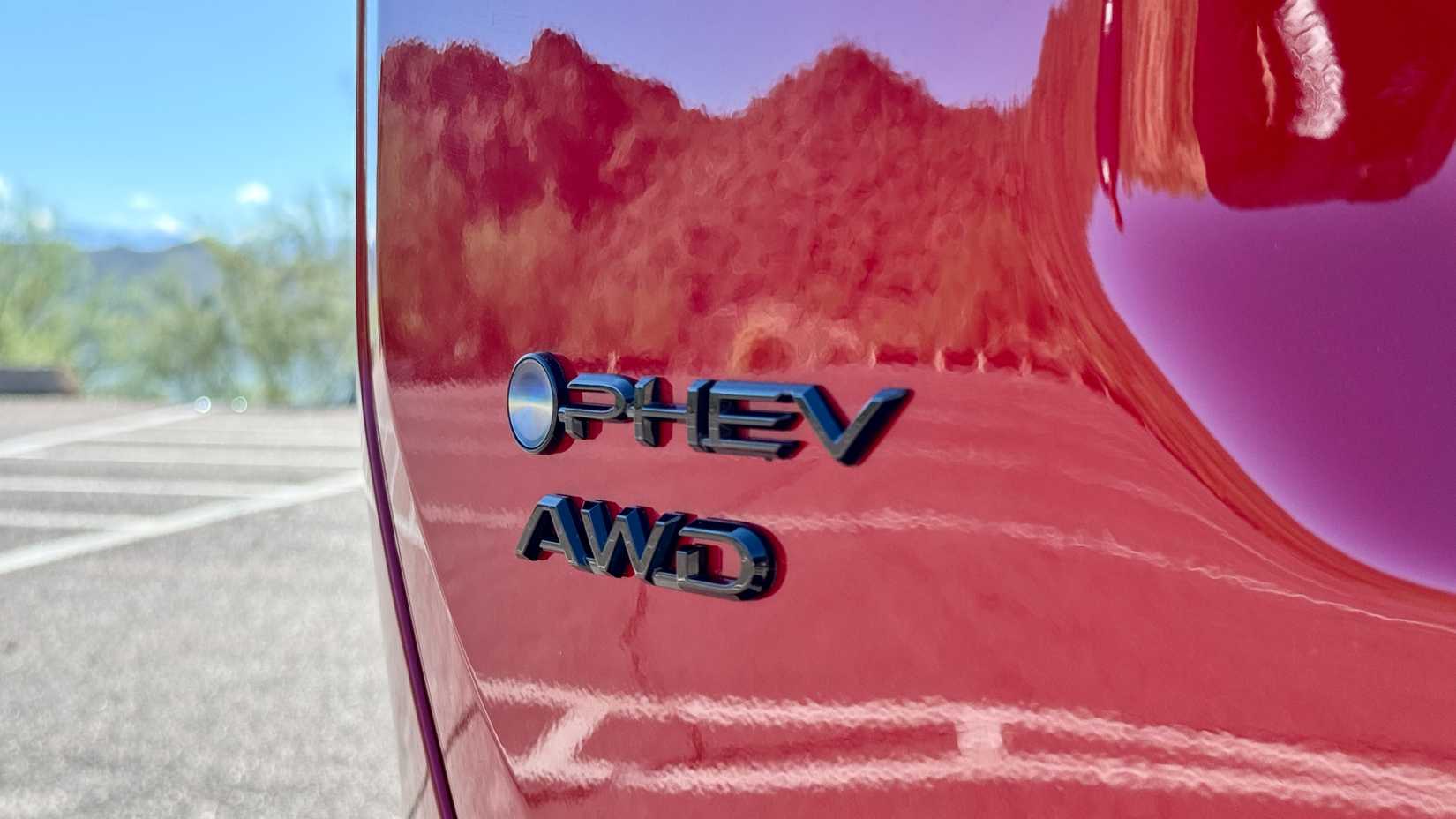
2026 Toyota RAV4 PHEV badgeJared Rosenholtz/CarBuzz/Valnet
The new study analyzed the use of 500 PHEV users in Shanghai, China over a three-month stretch. They combined that with real driving emissions test data taken from two PHEV models under different operating circumstances. Driving in electric mode, which it calls Charge Depleting mode, PHEVs obviously have much lower overall emissions. Compared with a normal car, the study claims PHEVs in EV mode emit 40% to 60% fewer oxides of nitrogen than normal gas models.
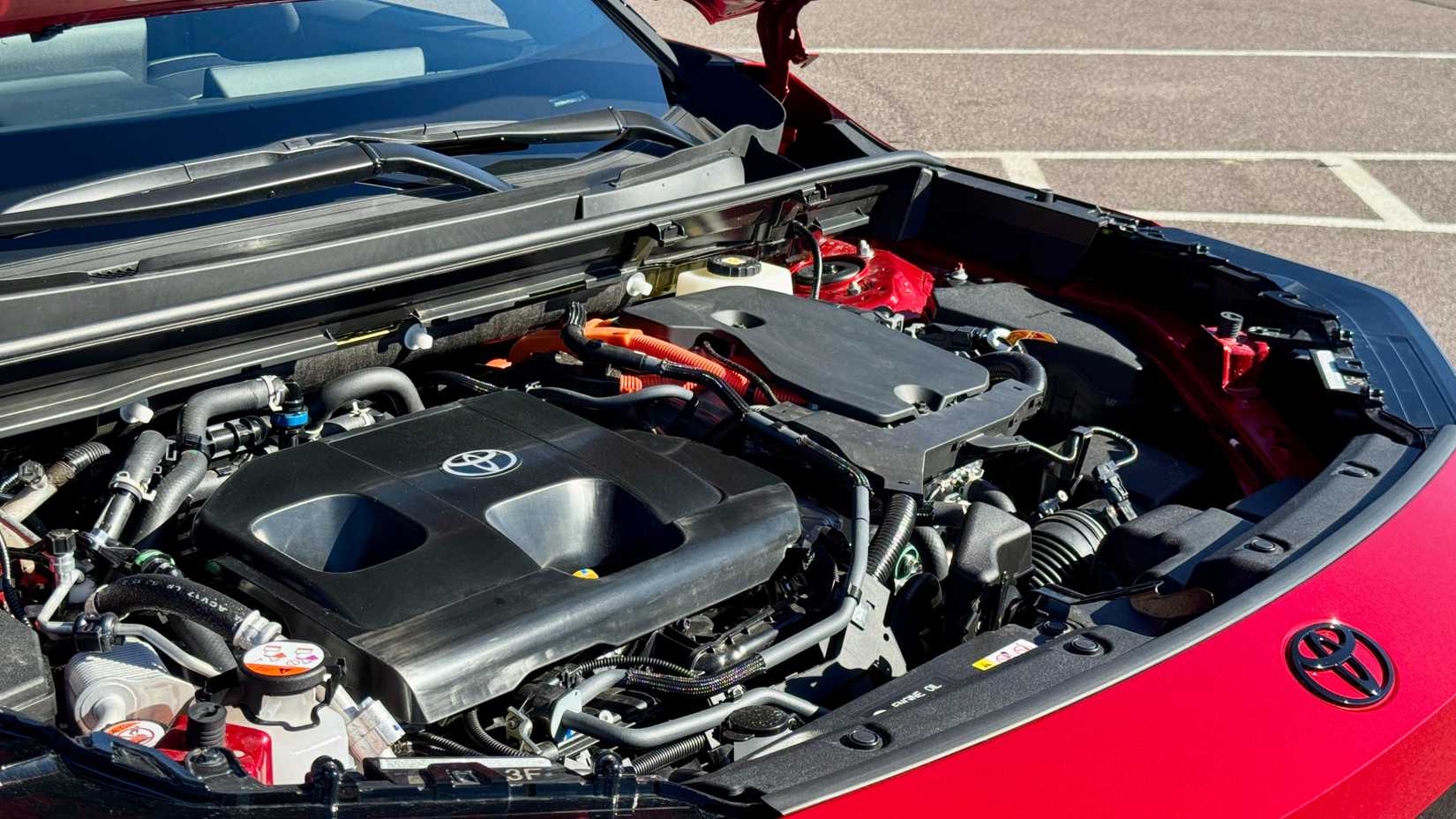
2026 Toyota RAV4 PHEV GR Sport engineJared Rosenholtz/CarBuzz/Valnet
It looked at four charging scenarios: S1 through S4. S1 followed so-called real-world use, where users charged when they wanted to. S2 looked at PHEVs charged whenever possible, including midday and mid-trip, an idealized scenario. S3 was set as users never charging their vehicle, and S4 was starting every trip with a full charge.

Related
5 Ways EVs Are Less Efficient Than Gas Cars
Think that EV will be cheaper to run than your current gas guzzler? Think again.
S4 had the lowest emissions overall, amounting to an estimated 124 tons of CO2 over the test period. S3, which was no charging at all, had the highest at more than double – 285 tons to be exact. However, S1 was nearly as bad at 220. This is the real-world scenario, depicting how people generally use their PHEV. Lastly, S2 was on the low side as expected, close to S4 at 147 tons.
NOx emissions showed a much larger swing. Those emissions were 0.161 tons in S4 and 0.5 tons in S2 on the low side, versus 2.99 tons in S3 and 1.75 in S1. So if you use a PHEV as intended, it works. Otherwise, not so much.
Here’s Why Not Charging Is Bad
Honda Next-Generation Hybrid Study at Tochigi Proving GroundRoger Biermann/CatBuzz/Valnet
Here’s why not charging is so bad. When a PHEV runs the battery to a low state of charge, it tries to charge itself back up. It won’t charge back to full, but to a desired minimum. That means more gas engine use, and that can mean higher loads than a standard gas engine, never mind one with a mild hybrid system.
And then there are simple physics to consider. PHEVs weigh significantly more than their non-PHEV counterparts because of more powerful motors and larger battery packs. Moving that extra weight around uses more fuel.
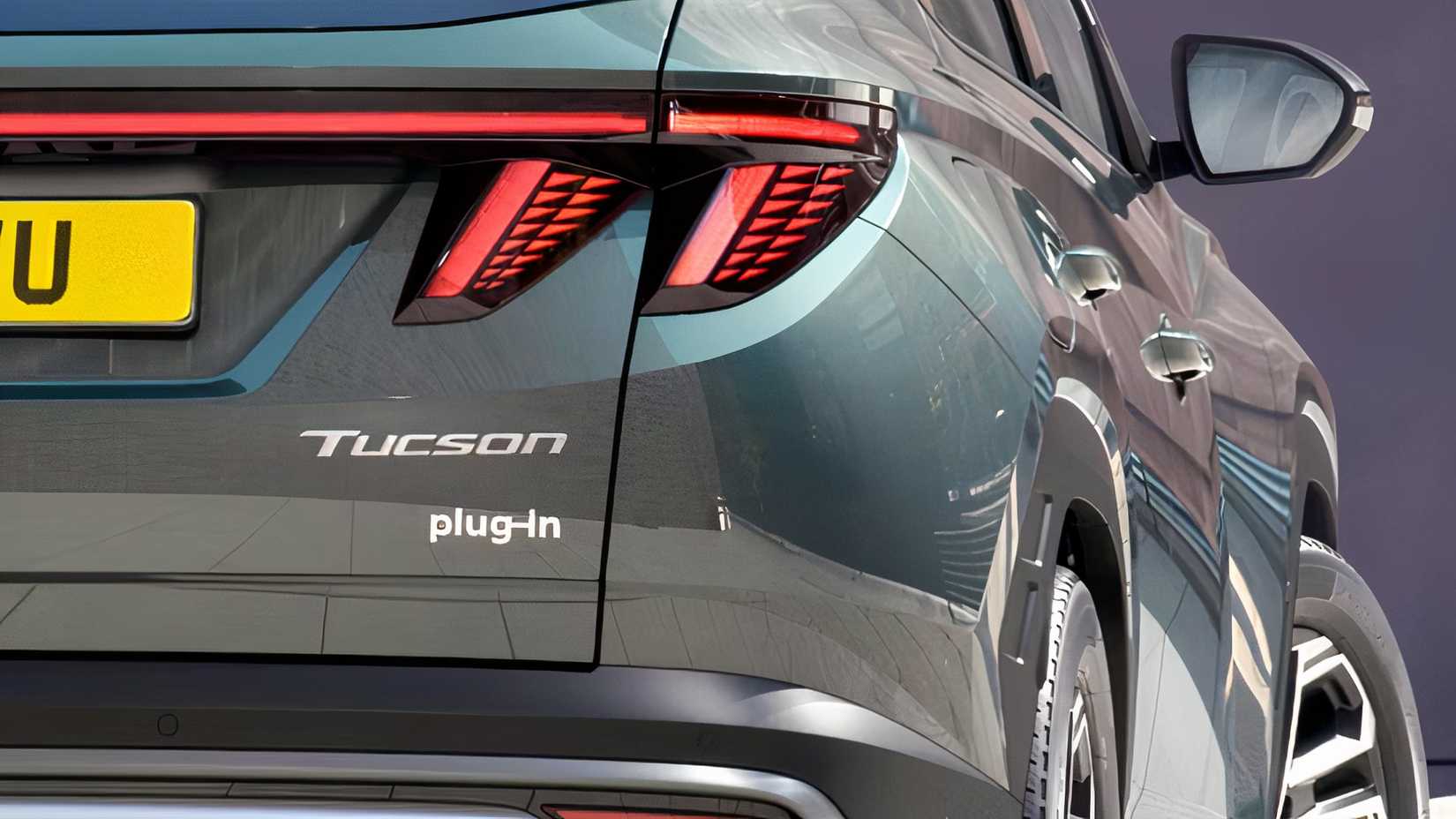
Rear shot of a 2024 Hyundai Tucson PHEVHyundai
The study authors said the results show PHEVs are more environmentally friendly only when they’re frequently charged and used in EV mode. If you don’t charge, the emissions skyrocket and can ultimately be worse polluters than non-hybrid vehicles. The authors suggest that maximizing PHEV benefits and relying on them as green vehicles is only achieved through more public charging, and for drivers to use those chargers.

Related
MPGe Meaning Explained: Efficiency Ratings For PHEVs And EVs
MPGe ratings are a major factor to consider when purchasing a new PHEV or EV today, but what do they mean?
It’s not really a surprise, but this is a very comprehensive review of PHEV emissions. Automakers steadfastly refuse to reveal figures for how often their PHEV customers charge, which is a strong sign that owners are not charging. This study offers a glimpse into the real-world use habits of PHEV owners, who may have bought the vehicles solely for the various incentives as opposed to saving the planet.
With the EV tax credit now gone in the US, it will be interesting to see how PHEV sales are ultimately affected. Stellantis has already taken the bold step to kill all its PHEV models in North America.
Source: Science Direct