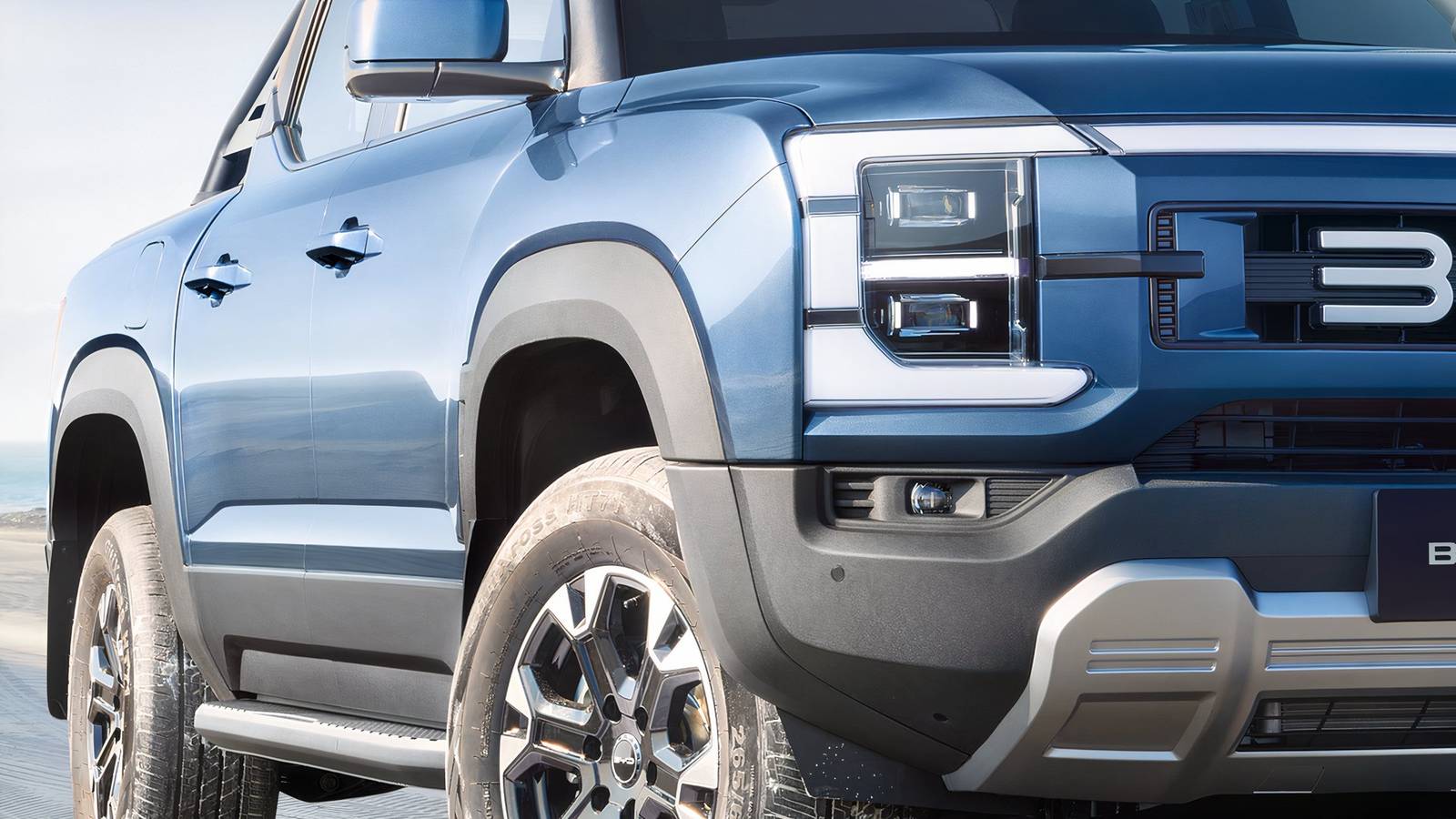
It was only going to be a matter of time before Tesla lost its dominant position at the head of battery electric vehicle production. But when the decrowning happened, it was fast and very decisive, with Tesla losing its storied position to the Chinese behemoth BYD in 2025. There’s no longer a predictable hierarchy with Tesla as the dominant player setting the pace while everyone scrambles to close the gap. And the shift towards BYD has now sent a quiet but unmistakably strong shockwave through boardrooms across the global auto industry. After all, there’s no sign that BYD intends to slow down in any way, so this could just be the start of a bloody battle.
BYD Is The World’s Largest EV Maker And The Numbers Are Not Ambiguous
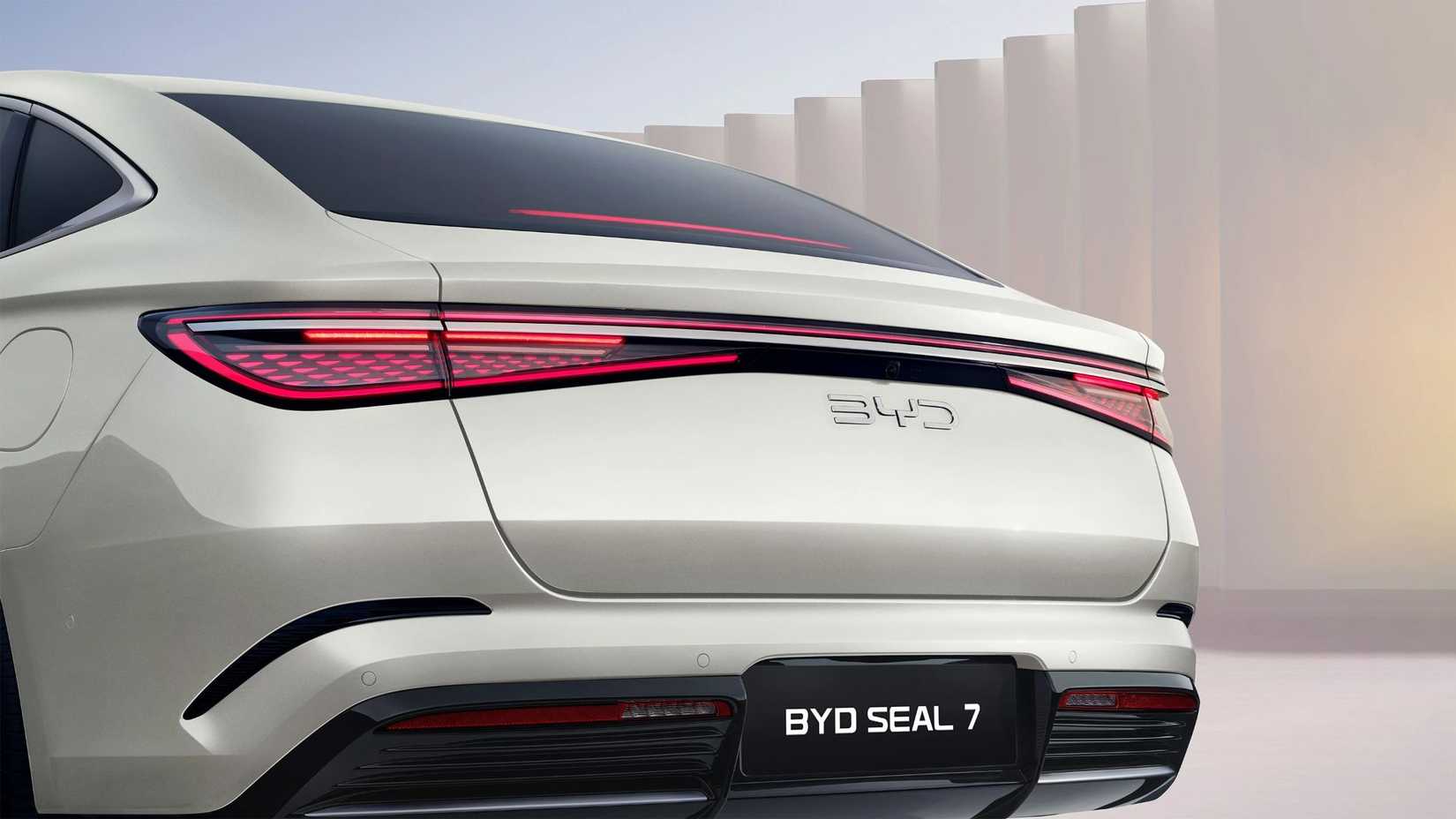
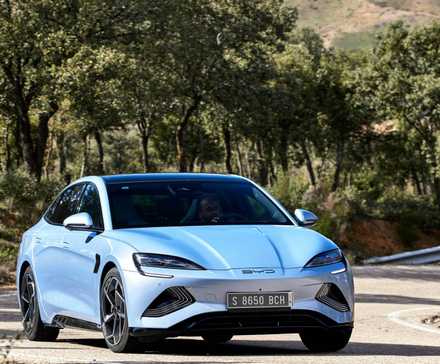
2026 BYD Seal rear closeupBYD
2026 BYD Seal Dynamic (Standard Range)
Motor
Permanent-magnet synchronous motor
Transmission
Single speed reduction gear
Drivetrain
Rear-wheel drive
Power
201 hp
Torque
229 lb-ft
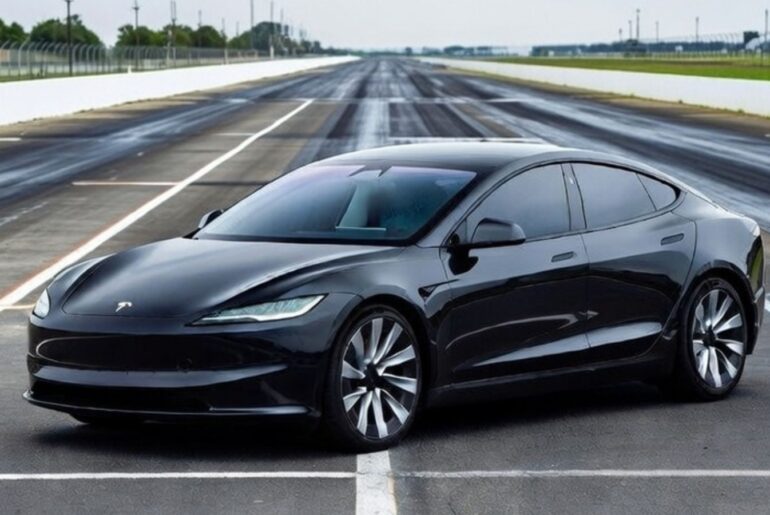
When you take measurements based purely on battery electric vehicle volume, BYD is now the largest EV manufacturer in the world. According to the company’s full year reported figures, it sold more than 2.25 million passenger battery electric vehicles around the world during the year, which is far in excess of the total number of vehicles that Tesla delivered during the same period. In fact, Tesla’s 2025 deliveries amounted to about 1.64 million units and while that may be substantial in most arguments, it’s substantially behind its Chinese rival.
Related
Tesla’s Reign As The Sales King Is Over
A Chinese automaker now holds the distinction being the world’s best-selling EV company, and it’s not even close.
It’s important to differentiate when it comes to electric vehicle analysis and to talk only about fully electric vehicles in this context. Often, you’ll find that China talks about new energy vehicles by including plug-in hybrids, but there’s no such confusion here. In terms of Battery Electric Vehicle (BEV) production alone, BYD’s lead is defensible and clear and shows a sustained trajectory instead of a one-off anomaly. It’s scaling quickly and deliberately, expanding its model output, and doing everything with industrial execution.
For the longest time, analysts thought Tesla would remain dominant in this sector because no other competitor was able to match its ability, nailing EV-specific engineering alongside mass market volumes. But that type of assumption is very old school now as BYD rewrites the record books. The Chinese maker has a BEV lineup that encompasses compact city cars, mainstream sedans, crossovers, and high margin models, so it can rack up volume across multiple price points simultaneously. And it also has the world’s largest EV market on its doorstep, creating conditions that made this leadership change absolutely inevitable.
BYD’s Scale Advantage Is More About Industrial Control
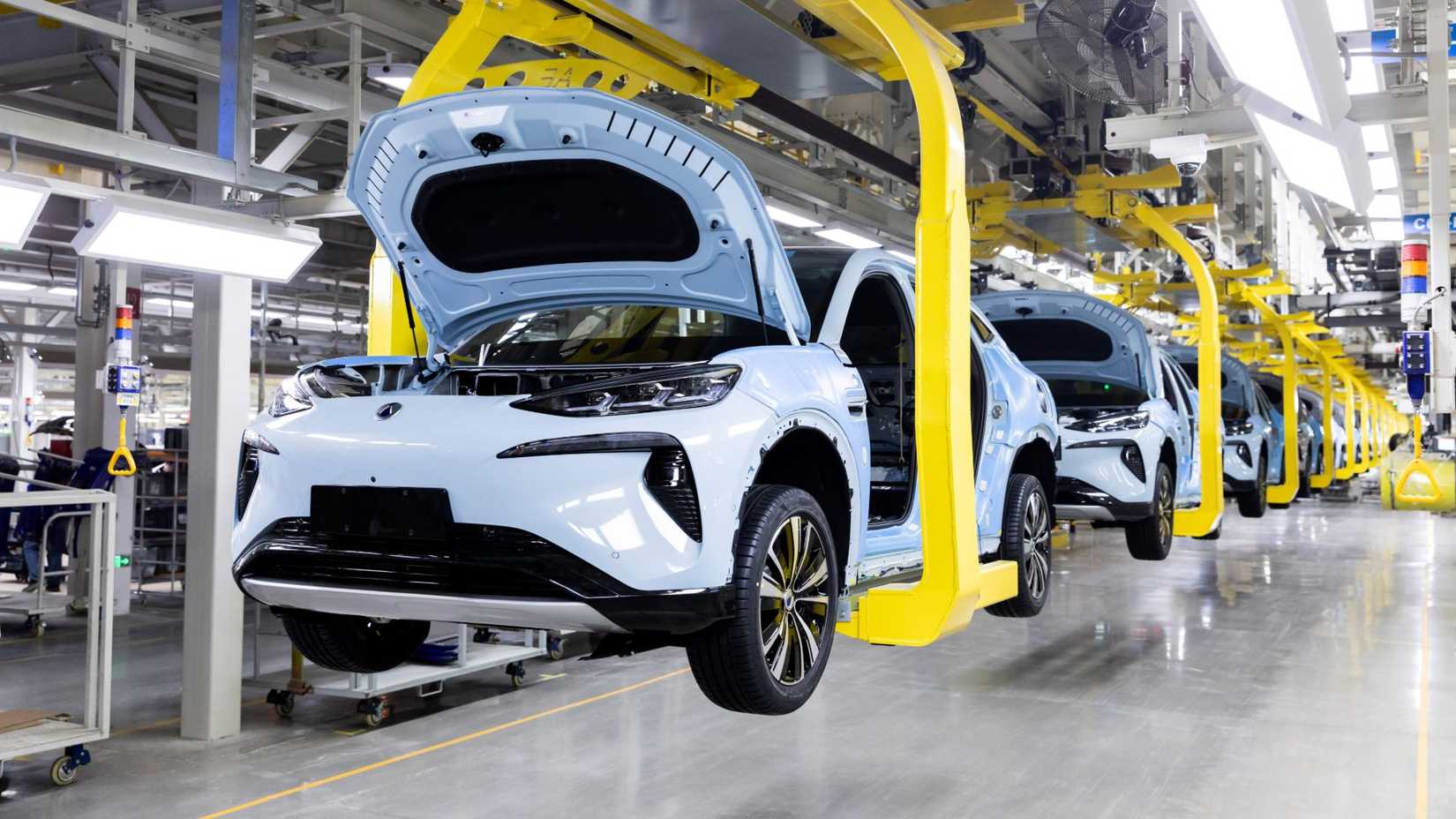
BYD-Fully-Intelligent-Production-LineBYD
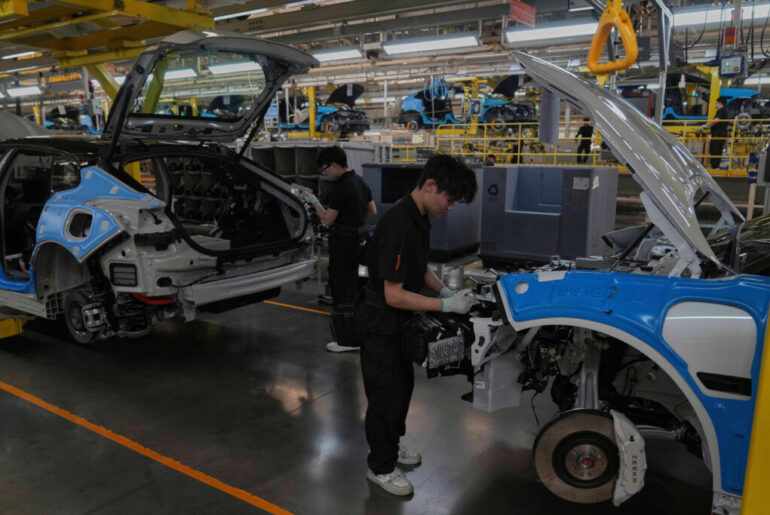
Unlike Tesla, which is mainly an automaker that turns out electric cars, BYD is more of an industrial group with tremendous manufacturing leverage and the ability to control large portions of its EV value chain. BYD has also been around for a long time and has a lot of credibility as a battery producer, helping to shape its competitive position today.
For example, in 2025, BYD talked about installed battery capacity of almost 300 GWh across its automotive and energy storing operations. With throughput like that, you’re going to have a lot of bargaining power when it comes to buying raw materials, dealing with supplier bottlenecks, and planning your vehicle programs carefully with guaranteed cell availability.
Certainly, other legacy automakers can negotiate long-term battery supply contracts and hook up joint ventures to protect themselves, but BYD has a lot of that capacity in-house to help it scale in parallel with vehicle demand.
Related
Tariffs Could Bring Tesla’s Biggest Rival To America’s Doorstep
While the tariffs are supposed to protect American interests, they could give the Chinese an entry into North America.
You can’t underestimate BYD’s strong manufacturing position because the economics of EV production can be unforgiving. The most expensive component in an EV tends to be the battery pack, so even small differences in cost per kWh can quickly turn profitability into liability. Here, BYD can absorb fluctuations in costs due to its in-house battery production capability in areas that otherwise cripple low-volume rivals. And it can also make adjustments to packaging, chemistry, and capacity in-house without waiting for external partners to produce.
Traditionally, car companies have built their empires around engine families, transmissions, and very focused and optimized supplier networks. All of that may have been perfectly fine when it came to internal combustion vehicles, but it’s surely tough to recreate that level of vertical control in the EV field.
Meanwhile, BYD was best placed to win in this battle because it already had the industrial tools it needed when the EV boom approached. This meant it did not have to suffer the longer timelines or levels of massive capital expenditure that those legacy automakers had to endure. Instead, BYD developed a position of industrial strength and efficiency that is surely going to leave its rivals exposed on both price and pace.
Legacy Automakers Are Panicking Even If They Don’t Admit It
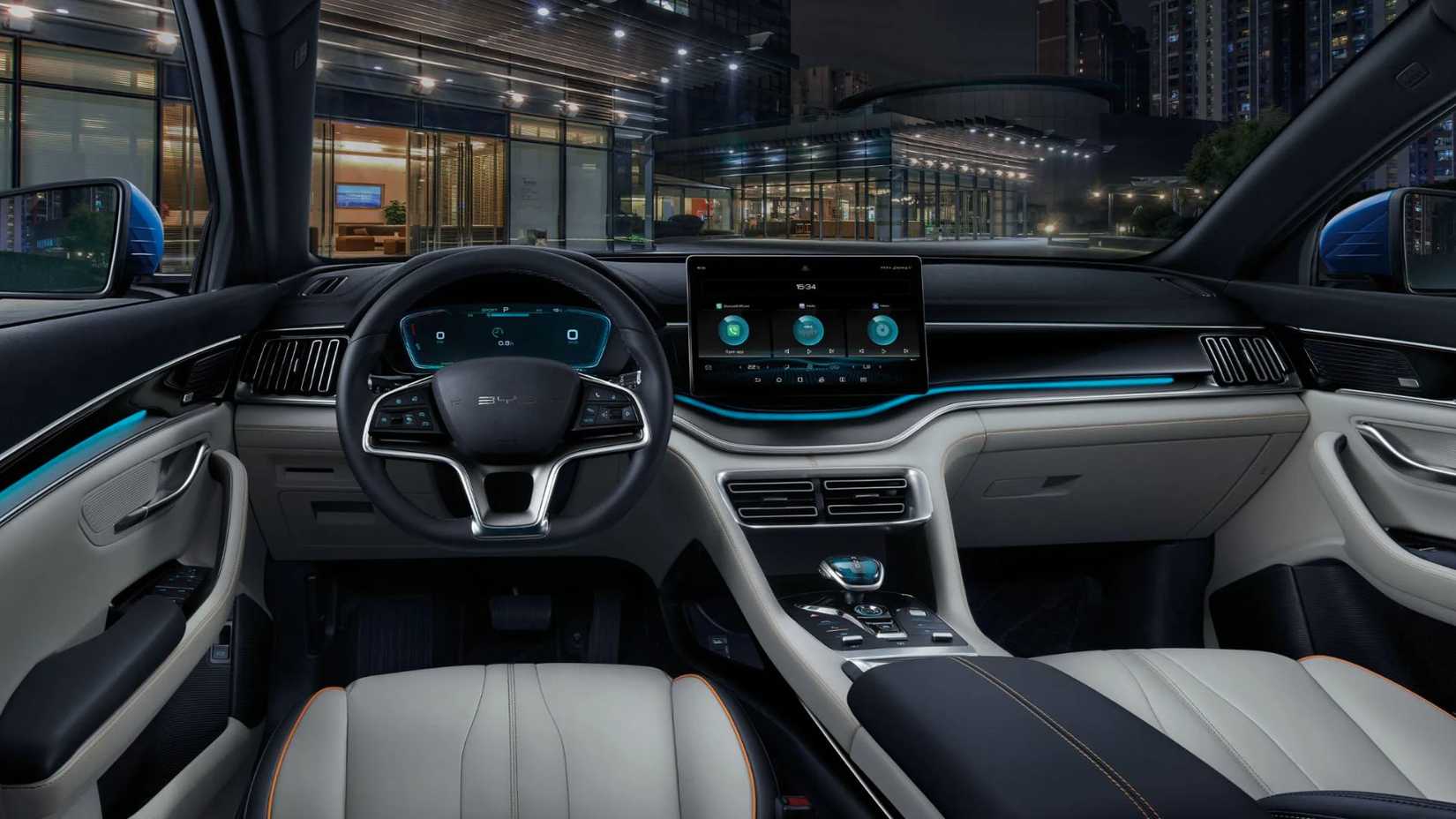
2026 BYD Seal interior frontBYD
Global automakers project confidence in almost every scenario, but privately, their boardrooms must be abuzz. Many of those companies are struggling to make any profits at all from their electric programs, especially outside the premium segment, so a high-volume competitor with lower structural costs is going to really turn the screw.
And of course, one particular source of anxiety relates to pricing. BYD is rapidly expanding outside China and increasing its exports, pricing aggressively without sacrificing its scale. It’s even displaying cost advantages where tariffs and trade barriers try to bite back, so while such barriers may narrow any cost advantages, they’re unlikely to stem the tide.
Western EV strategies count on hitting bullish sales targets to help their companies amortize development costs. The trouble is that if those OEMs miss those targets, they will quickly compound their losses at the same time as BYD increases its throughput. The net result is that western vehicles that once looked viable on paper start to look even more vulnerable as those companies now have to contend with a rival flooding the market.
Circumstances have already forced legacy automakers to change entrenched ways of thinking over the recent decade and pivot as quickly as possible. However, the rules of the EV game are still shifting faster than their organizations can adapt, as they’re not just competing against other legacy OEMs anymore either. Instead, they’re battling against a vertically integrated and battery-centric manufacturer that happens to operate at a massive scale.
This EV Moment Changes The Global Auto Industry’s Power Balance
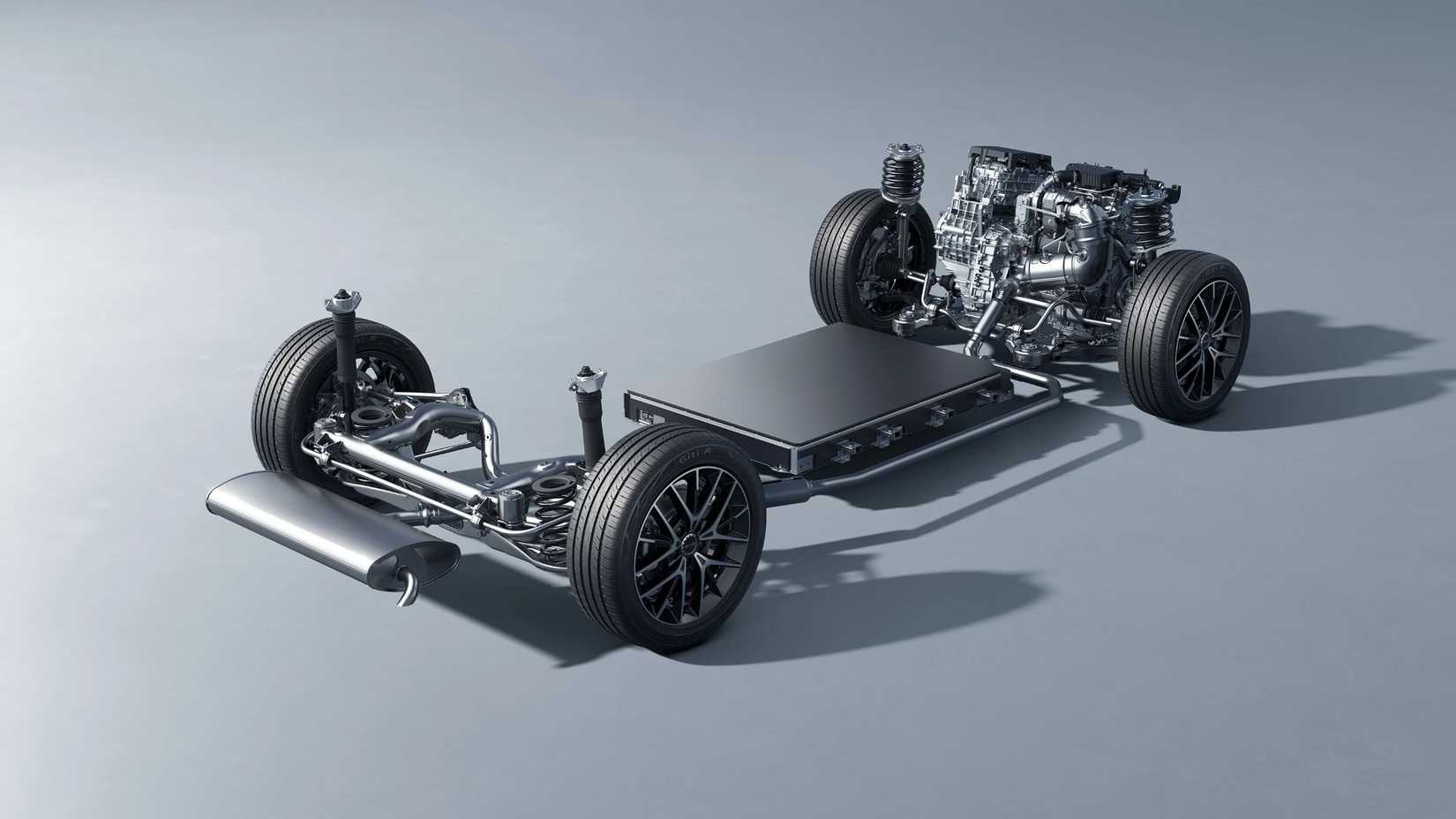
BYD’s DMi Gen-4.0 platformBYD
There’s a changing of the guard in the global automotive landscape and the ceremony is taking place in the Far East. Industrial leadership in the car business that once came from Europe, Japan, and the United States must now make room for the Chinese. Electrification was always going to be an opportunity for other players to upset the apple cart and allow newcomers to come in and challenge entrenched brands. But in 2025, that change finally matured, moving the center of gravity decisively east.
Related
This Could Be How North America Gets Budget Chinese EVs
Canada may be ready to lift tariffs on Chinese-made EVs as China’s retaliatory measures begin to bite.
The International Energy Agency says that China accounted for more than 70% of global electric vehicle production in 2024 and so BYD’s emergence as the world’s largest EV maker is not simply an outlier. It’s just the most visible expression of dominance in a country where industrial ecosystems, supply chains, and domestic demand have combined to break records.
European and American automakers now face a raft of uncomfortable questions. They must control costs further (if possible), sort out their battery sourcing, and ramp up output just as much as they focus on brand and design. They must also understand that dominant companies tend to gain leverage over suppliers and can also shape consumer expectations. This means that BYD could be setting benchmarks that others now need to follow, as the company begins to influence standards, technologies, and future platforms worldwide.
It’s clear that legacy automakers are sweating in this BYD-dominated EV world. After all, a company that is now the undisputed and largest EV maker has moved on from simply chasing sales records. Instead, it’s reshaping the entire market and could very likely force other automakers to respond on its terms.
Sources: BYD, Hong Kong Exchanges, Tesla, IEA.