The turn is brutal, almost disconcerting. Stellantis has decided to discontinue all its plug-in hybrid (PHEV) programs in North America, starting with the 2026 model year. A decision with far-reaching consequences for a group that until recently claimed a leading position in this segment in the USA.
The sudden end of iconic PHEVs
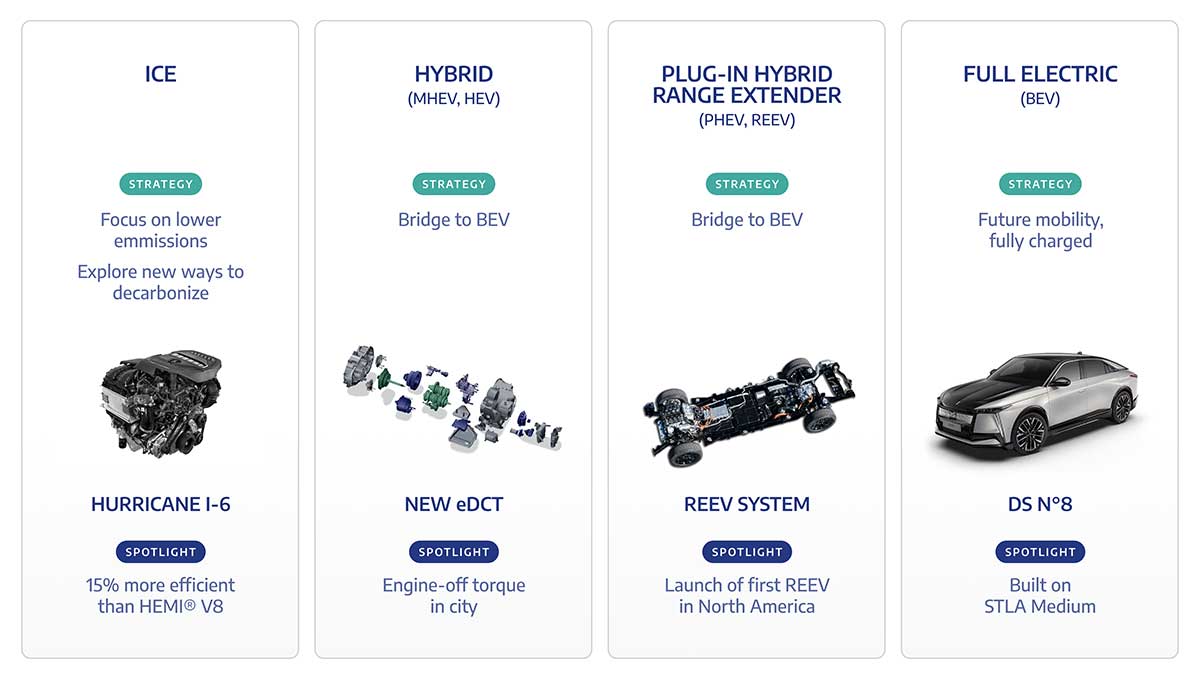
The first victims of this decision are models that are highly identified by the American public: the Jeep Wrangler 4xe, Jeep Grand Cherokee 4xe and the Chrysler Pacifica PHEV MPV. All will disappear from the catalog at the beginning of 2026. A strong signal, confirmed by the discreet withdrawal of these models from the configurators on official Jeep websites in recent days. When asked about the future of plug-in hybrids, the Group leaves little room for doubt: Stellantis plans to “phase out PHEV programs in North America” in order to concentrate on electrified solutions deemed more competitive, notably non-plug-in hybrids (HEVs) and range-extending electric vehicles.
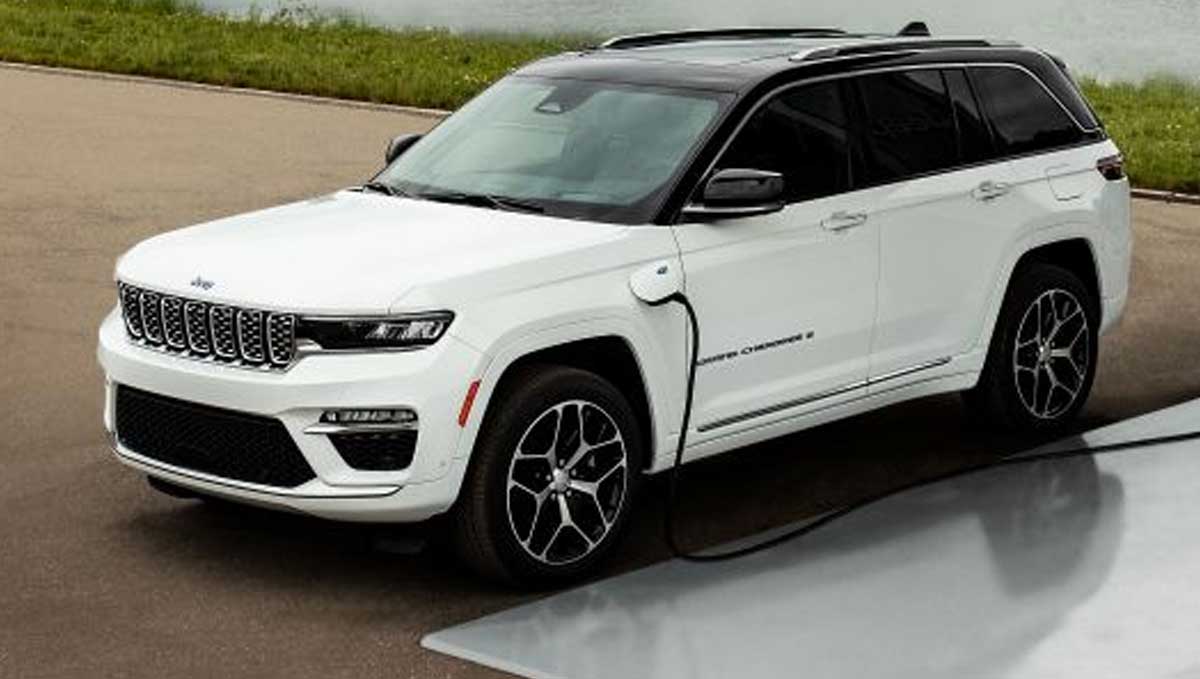
This choice marks a clear turnaround. As recently as 2024, Stellantis was promoting its dominance of the American PHEV market, with Jeep as the figurehead. At that time, the brand alone was aiming for 160,000 to 170,000 plug-in hybrid deliveries a year, or more than 40 % of the segment’s US market. But the context has changed. Demand has slowed, customer expectations have evolved and, above all, the regulatory environment has become less restrictive. Plug-in hybrids also had a tactical role to play: offsetting the high emissions of pick-ups and SUVs to meet federal standards. A challenge that has become less pressing with the relaxation of certain rules and the end of federal incentives, which were as high as $7,500 under the Biden administration.
Reliability, recalls and a battered image
It’s also impossible to ignore the industrial difficulties encountered by the Group’s PHEVs. In 2025, almost 375,000 Jeep plug-in hybrids were recalled for battery-related problems, with fire hazards and temporary marketing stoppages. Officially, Stellantis assures us that these recalls are not directly linked to the discontinuation of the models. In fact, they have clearly weighed in the balance, both financially and in terms of image. Even the 4xe technology, so highly prized by Jeep, is set to evolve. The name will not disappear, but will be reused in the future for extended-range electric vehicles, such as certain future variants of the Grand Wagoneer or the Ram 1500 REV.
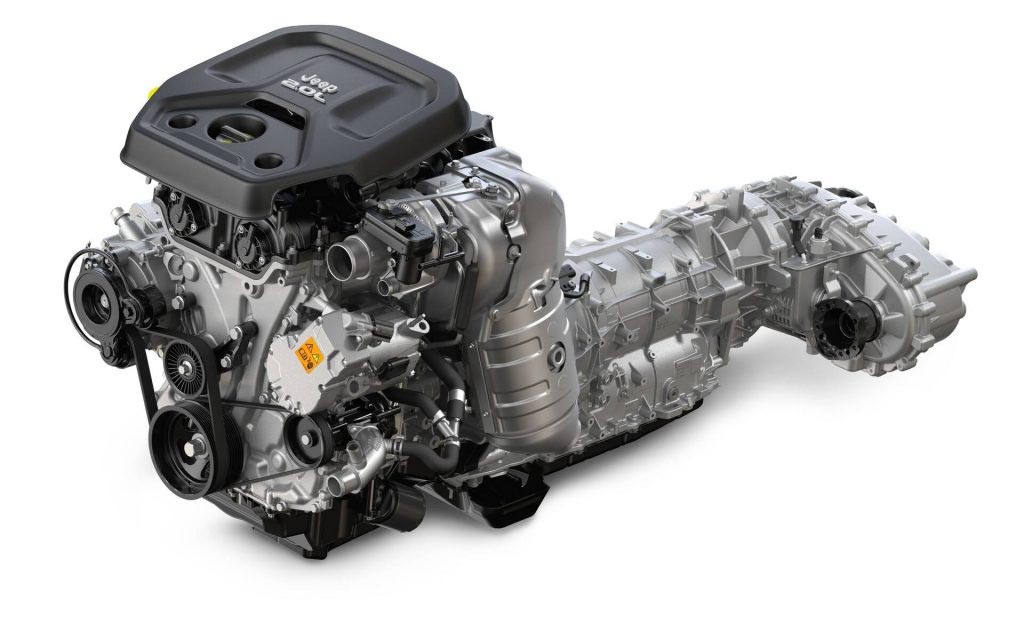
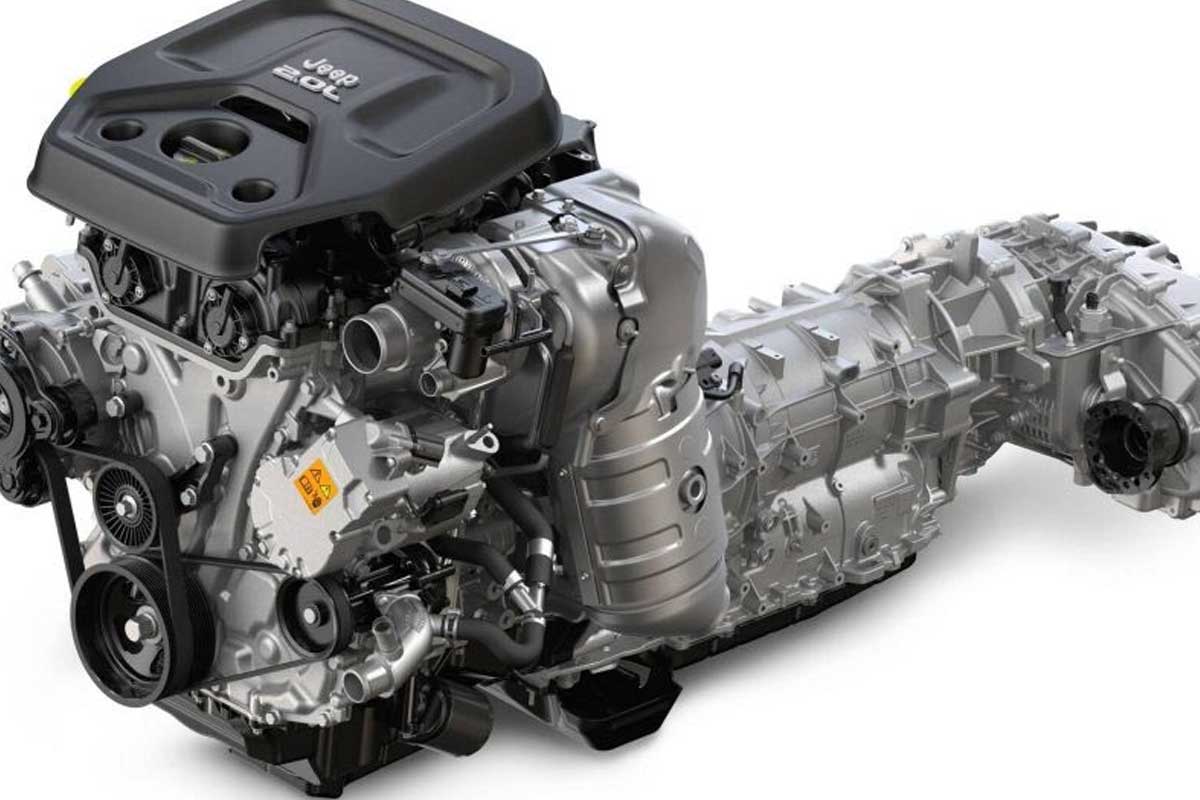
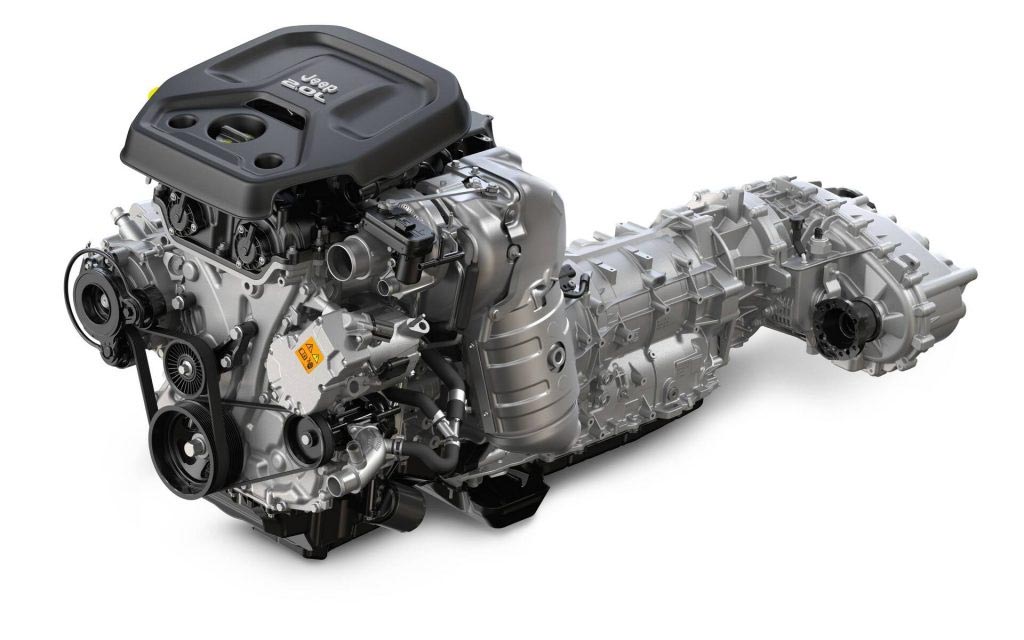 2.0L GME PHEV engine
The hybrid isn’t dead, it’s just changing shape
However, this decision does not signal the end of hybridization at Stellantis. From now on, the group seems to be clearly banking on HEV. The new Jeep Cherokee 2026 is a perfect illustration of this: offered exclusively with a non-rechargeable hybrid engine, it inaugurates a new generation of powertrains, including the recent 1.6 L HEV. This repositioning also concerns other Group brands. The Alfa Romeo Tonale will also lose its plug-in hybrid version in North America, confirming that PHEV technology is now considered expensive, complex and insufficiently efficient to meet the current expectations of the North American market (which, as a reminder, has exclusive rights to the Tonale with a 2.0L GME engine).
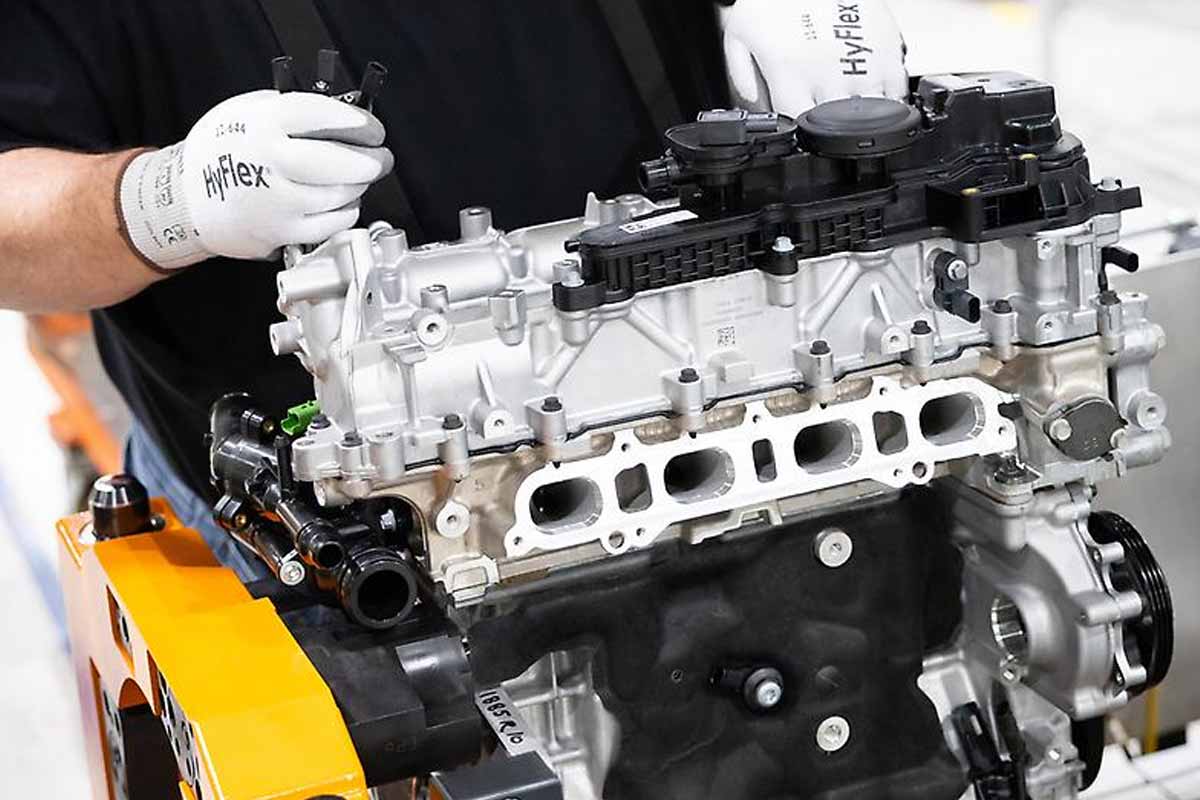 1.6L HEV engine
One big unknown remains: the medium-term future. Antonio Filosa’s new industrial plan should provide clearer answers. Will Stellantis focus exclusively on the HEV and electric range-extender duo? Or could the PHEV return in a more mature, reliable form, better suited to real-world use? This decision in North America is not currently planned for Europe, a market where the group sorely needs to reduce its co2 emissions, but it may give an indication of the technology towards which Stellantis wishes to move.