“We need to better explain the superiority of that technology, versus what we have unfortunately done in the past,” Marc Winterhoff said.
As Lucid Motors faces a landmark year, interim CEO Marc Winterhoff got candid about one thing the auto industry got wrong about electric vehicles: marketing.
Winterhoff said not enough car companies stressed the inherent strengths of EVs, like performance and interior space.
Can car companies learn from this mistake as they face a slower year of U.S. sales?
For a long time, the main reason to buy an electric vehicle was to help the planet—or at least to stop paying for gasoline. The earliest modern EVs were marketed as earth-friendly alternatives to gas cars, even if that meant significant tradeoffs in practicality, long-distance driving and even highway speeds.
That all really started to change with the advent of the Tesla Model S, which ditched the appliance vibes to run with the likes of Porsche and Mercedes-Benz. Sure, the environmental benefits were there, but Model S owners got a whole lot more than that.

Stay informed with our newsletter every weekday back Subscribe For more info, read our Privacy Policy & Terms of Use.
Perhaps automakers lost that memo somewhere along the line. Speaking at CES 2026 this past week, the interim CEO of another electric car company, Marc Winterhoff of Lucid Motors, lamented the fact that perhaps the auto industry as a whole hasn’t found the right messaging to sell EVs.
“I think everybody that you ask in that space would say the EV is the better platform for [autonomous vehicles],” Winterhoff said in an interview about the company’s new driverless taxi venture with Nuro and Uber. “I want to go a little bit further than that. The EV is not only the better platform for robotaxis, it’s the better car.”

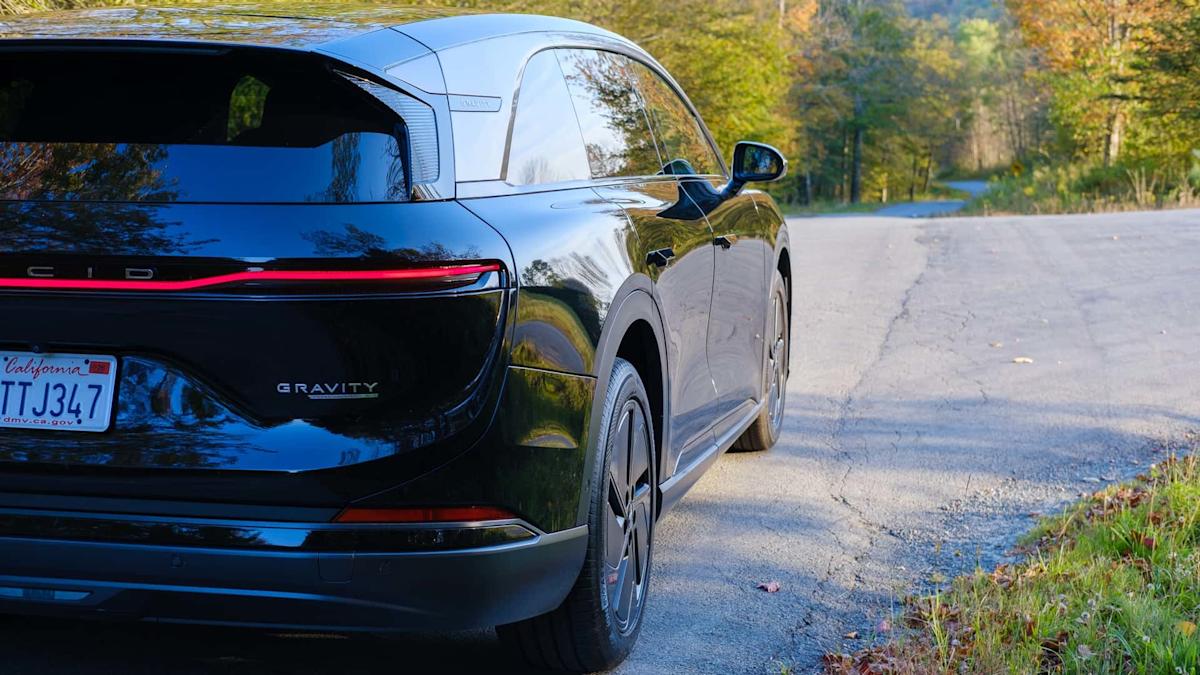
2026 Lucid Gravity
Winterhoff, who took the CEO reins from Lucid founder Peter Rawlinson last year, jokingly admitted that he “has” to say that. His company is all-electric, after all, and another executive might give an answer about “consumer choice” instead. But he admitted that the auto industry as a whole was too focused on marketing EVs based on sustainability and environmental concerns, which does not resonate with many more mainstream buyers simply looking for value.
“I think what we need to do is better explain the superiority of that technology, versus what we have unfortunately done,” Winterhoff said, referring not just to Lucid but to the industry as a whole.
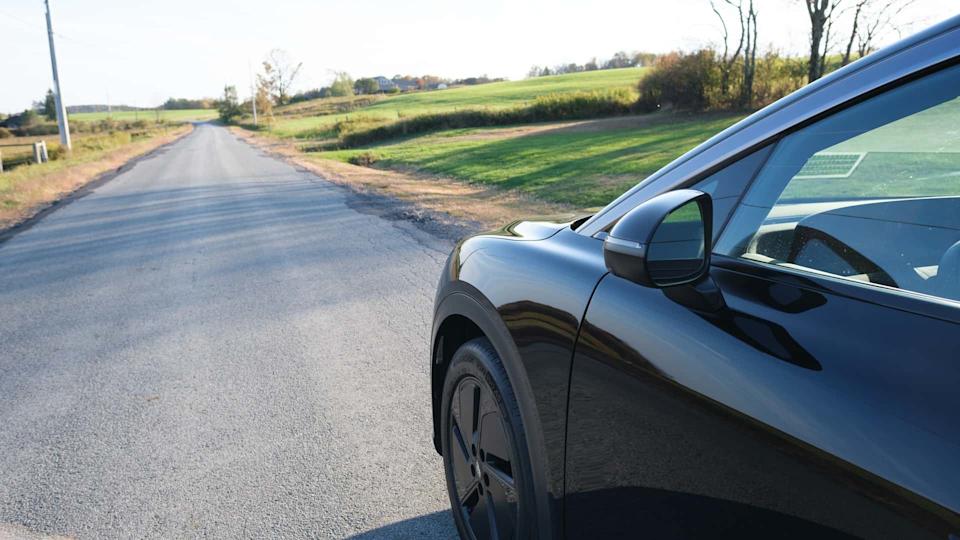
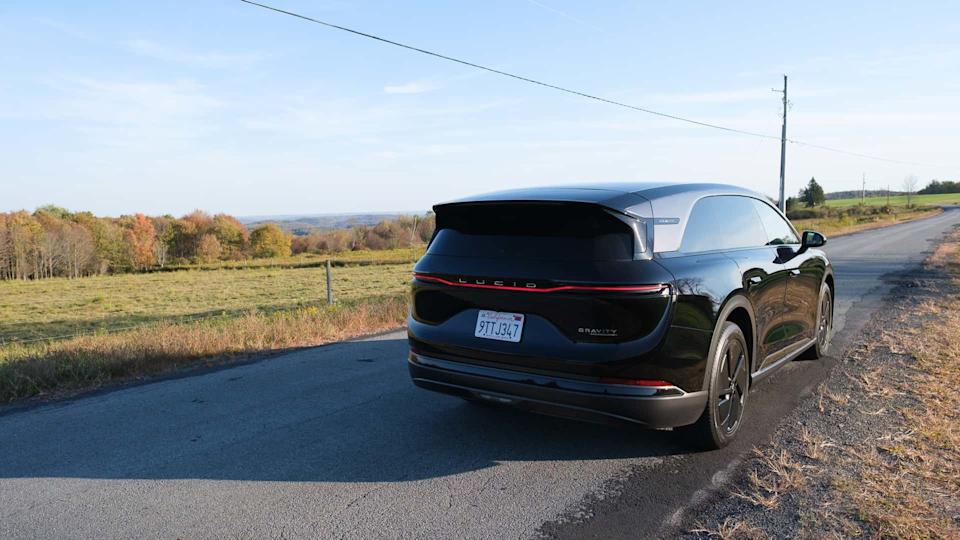
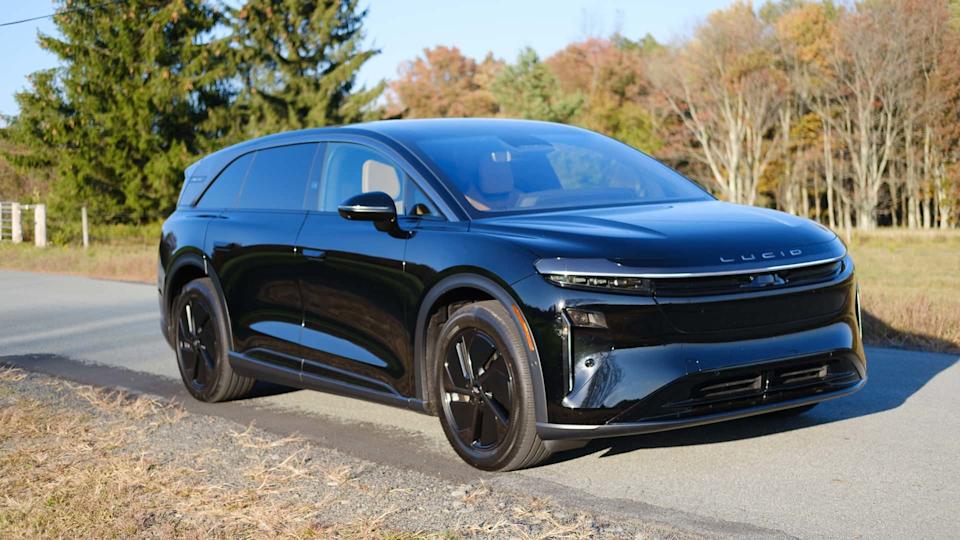
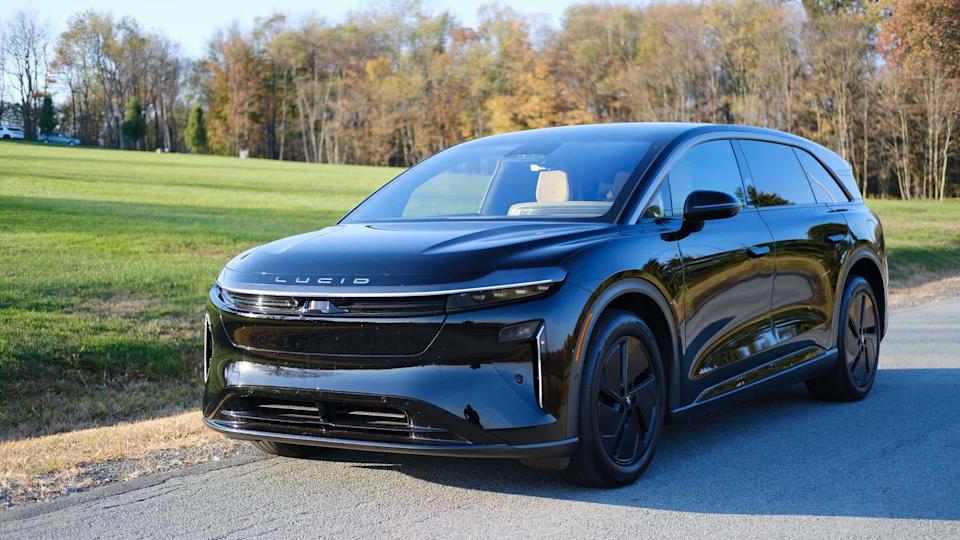
Naturally, he pointed to the Lucid Gravity Grand Touring SUV as an example. “Compare what you get from an EV with a really competitive ICE [internal combustion engine] vehicle,” he said. Winterhoff said he recently researched his car’s specs vs. gas-powered luxury competitors and was surprised at what he discovered.
“When you look at the specs, our actual competitors are the Mercedes-AMG GLS 63 or the likes of the BMW X7 M60i. Throw in a Lamborghini Urus, if you want, and the Porsche Cayenne GTS and the Range Rover SV. And when you compare the specs, acceleration, interior space, and range—the Gravity has the highest range,” he said.
Considering that the Gravity Grand Touring has an EPA-rated range of 450 miles, and those gas options offer roughly 17-21 MPG with their large engines, he is largely correct. MotorTrend says the Cayenne GTS yields around 427 miles on its EPA-estimated fuel economy, for example. The Lamborghini matches the Gravity Grand Touring’s range, but really only in hybrid form. And if you want fuel economy from an X7, you probably aren’t opting for the twin-turbo V8 version.
“And then you compare the specs, acceleration, interior space,” Winterhoff added, contending that the 828-horsepower SUV with a minivan-like interior volume (with a spacious frunk) and a 3.3-second 0-60 mph time has those cars beat in some form or fashion. He also said that while EV critics will argue you can fill up those ICE vehicles anywhere, a 450-mile road trip is still a “once or twice a year” thing for many buyers. “And you still need to stop for a break after 400 miles,” he said.
Granted, that is one example from one automaker, and it uses a car that starts around $95,000. But Winterhoff’s point is that automakers with electric options need to stress the specs that they deliver.
“We have said, ‘EV is sustainable, and ICE is not,’ but if you focus on the specs that you get, I think that’s what we need to do as an EV industry to overcome the current ‘winter’ that we see,” he said.
That can be tough for an industry that’s often built around doing the same things it’s always done, and expecting customers to simply show up for the same kinds of products it has always built. Even in Lucid’s case, much of its early marketing centered around “efficiency,” which is a nebulous term that doesn’t fully convey its true benefits to mainstream car buyers.
In the case of traditional automakers breaking into EVs, you don’t often hear them stressing these cars’ better performance or near-total lack of maintenance. That’s not the best look for their existing gas models, which by and large are the ones delivering the profits right now. The entire space has been dogged by misinformation about everything from battery longevity to their strain on the electric grid. And multiple studies show that car dealers can struggle with knowledge about, or even interest in, moving electric vehicles.
Perhaps Winterhoff is correct, and automakers of all stripes need to focus on specs and the reality of the EV experience—especially as the entire space moves past pricey spaceships and into more affordable options. At the end of this year, Lucid is expected to unveil the first of several new models aimed at the Tesla Model Y, bringing its prices to a much wider audience than ever before.
In the interim, electric sales in America are expected to slow without the $7,500 tax credit and weakened fuel economy rules delaying the urgency of EV development. But Winterhoff said that he continued progress in the space, and the various lessons automakers are learning from their early mistakes, make him optimistic long-term about sales rebounding.
“I actually like this term EV winter, because the last time I checked, after each winter there’s a spring,” he said.
Contact the author: patrick.george@insideevs.com
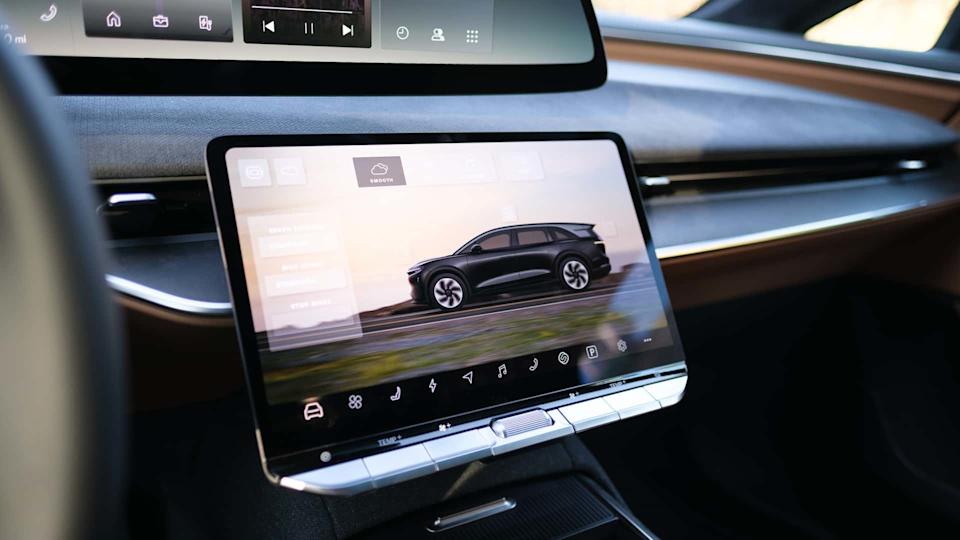
2026 Lucid Gravity
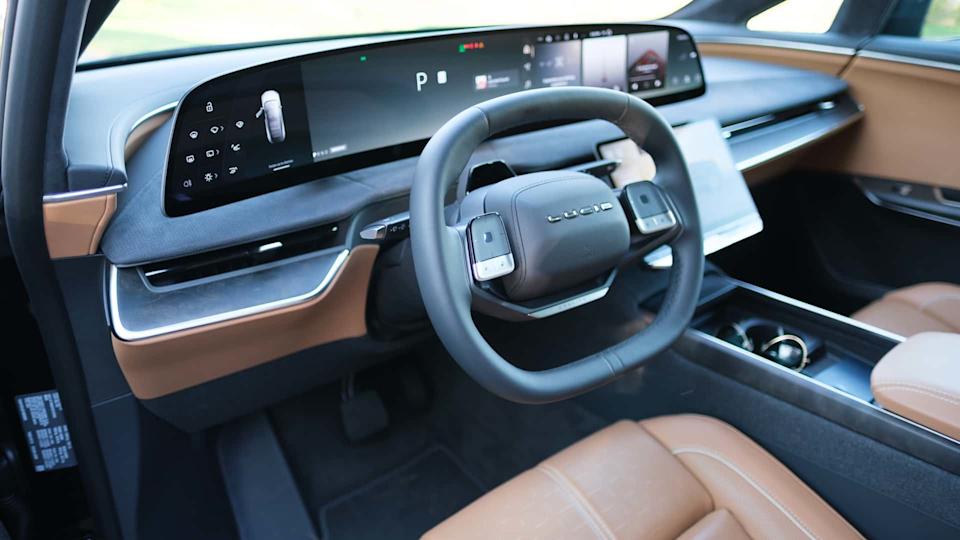
2026 Lucid Gravity

2026 Lucid Gravity
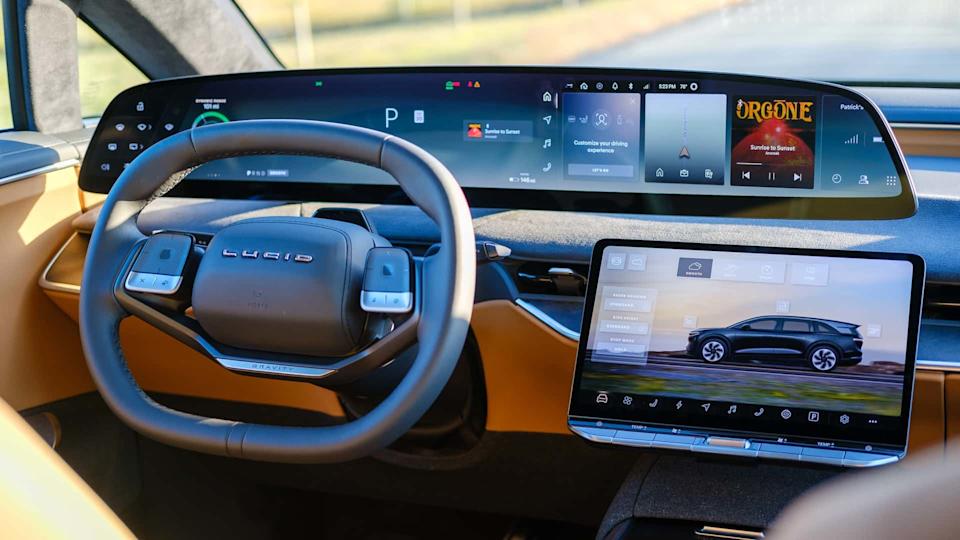
2026 Lucid Gravity
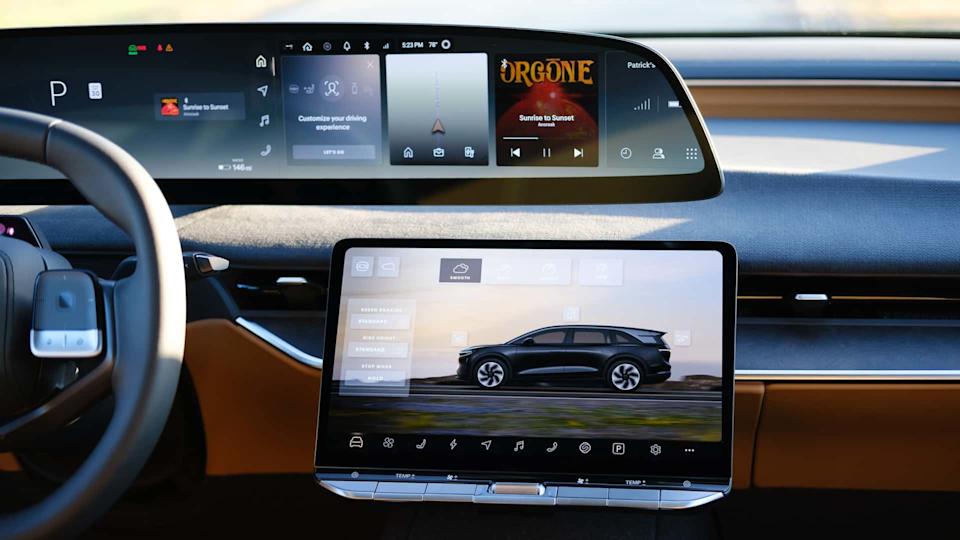
2026 Lucid Gravity
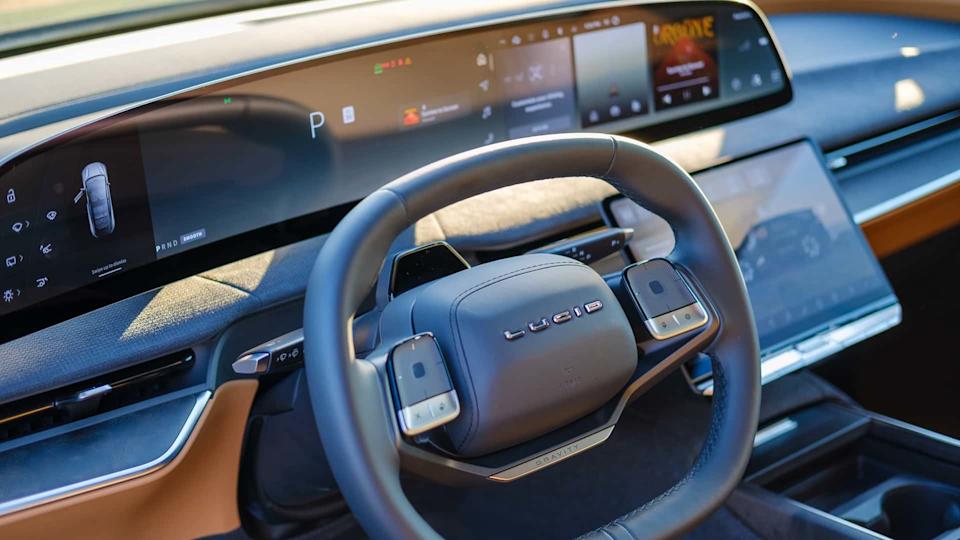
2026 Lucid Gravity
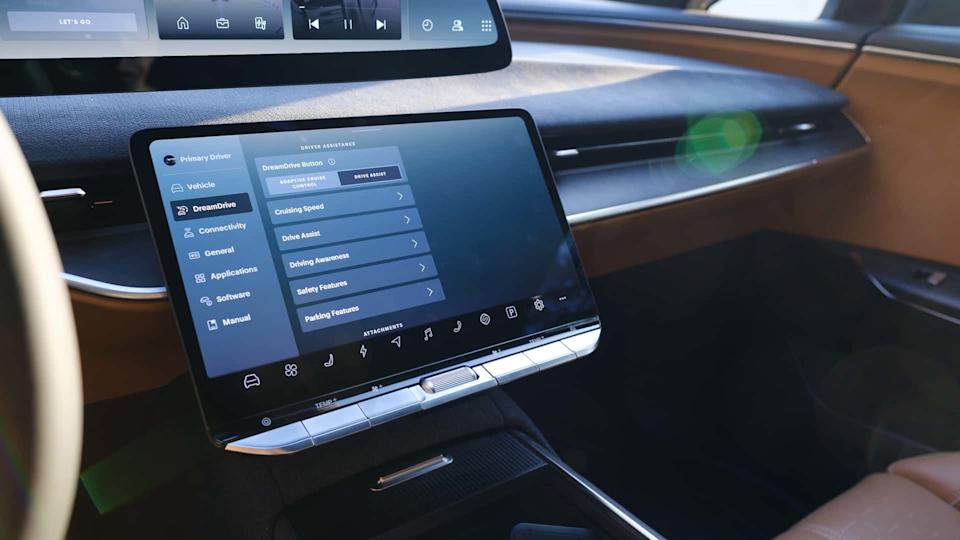
2026 Lucid Gravity

2026 Lucid Gravity

2026 Lucid Gravity

2026 Lucid Gravity

2026 Lucid Gravity

2026 Lucid Gravity
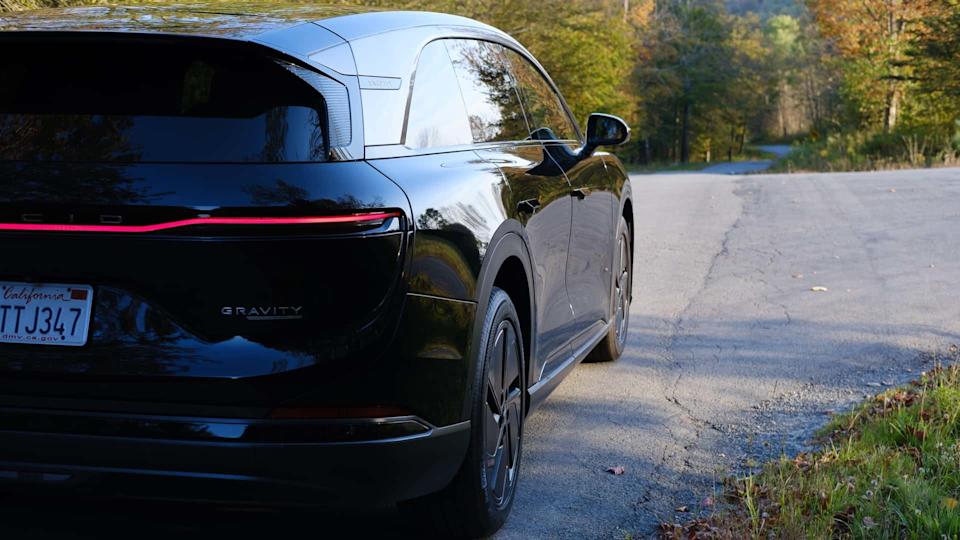
2026 Lucid Gravity
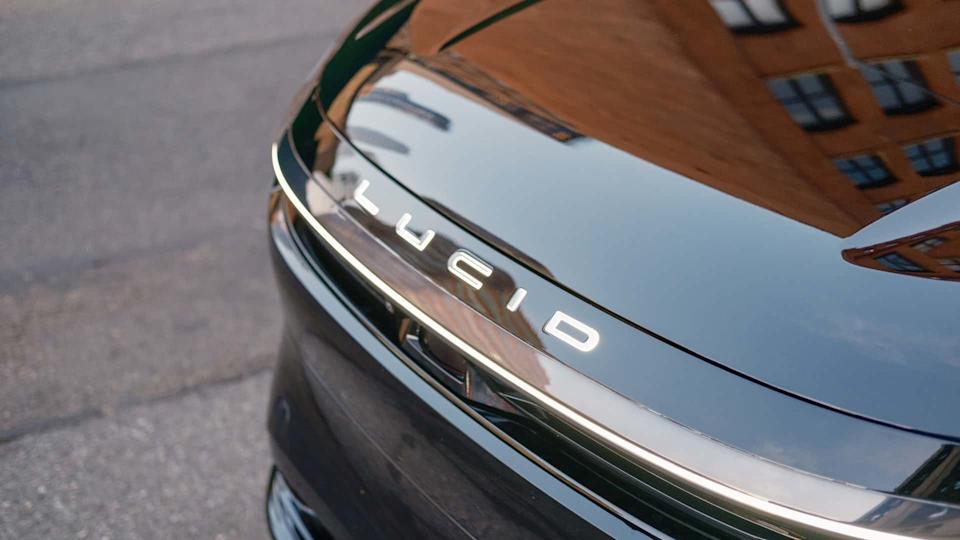
2026 Lucid Gravity
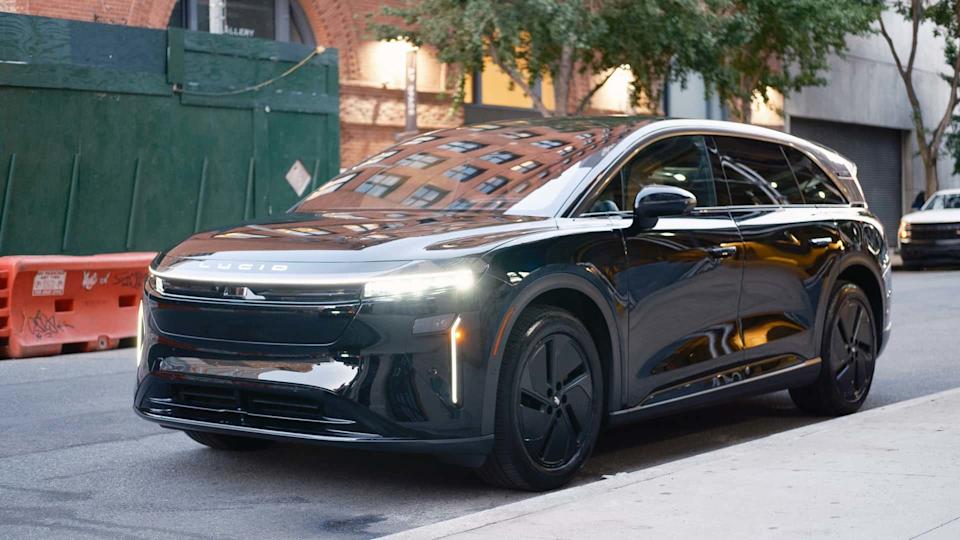
2026 Lucid Gravity

2026 Lucid Gravity
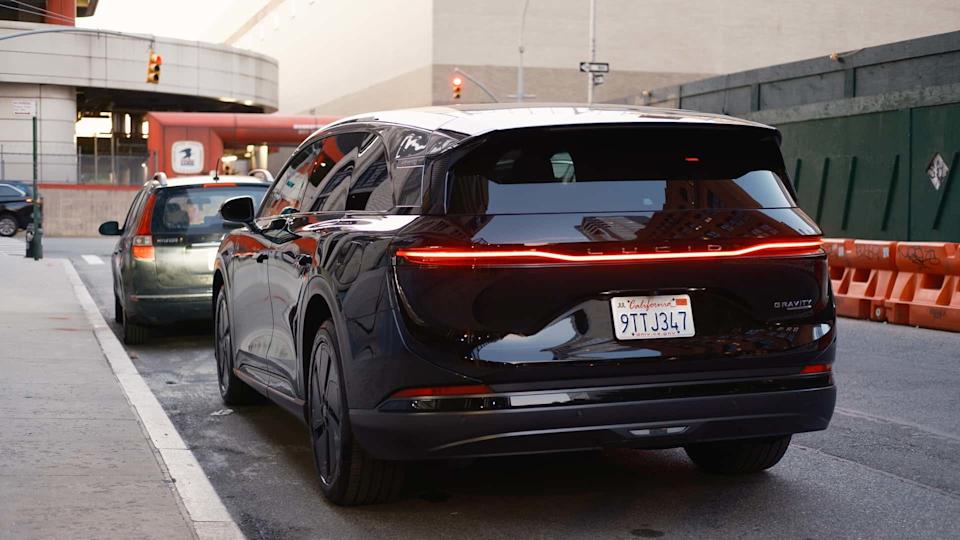
2026 Lucid Gravity
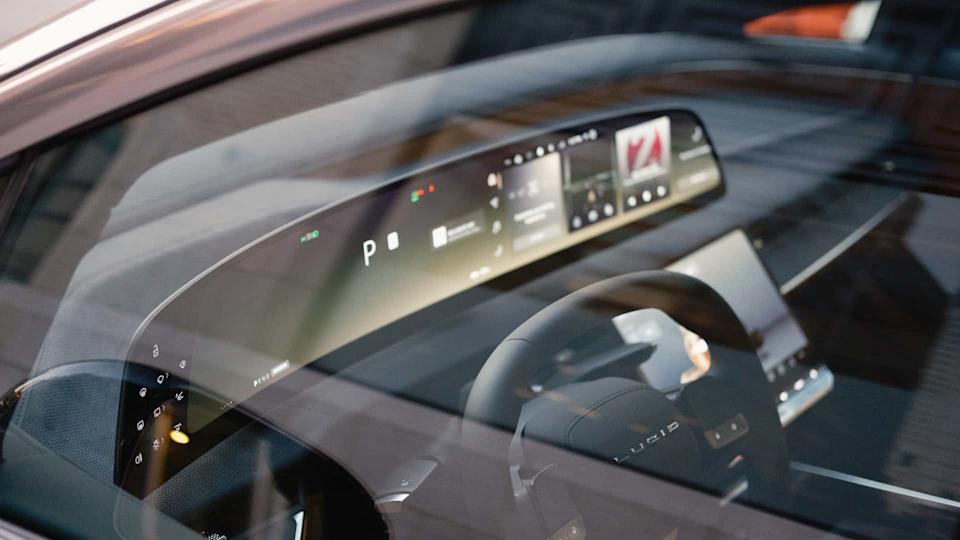
2026 Lucid Gravity
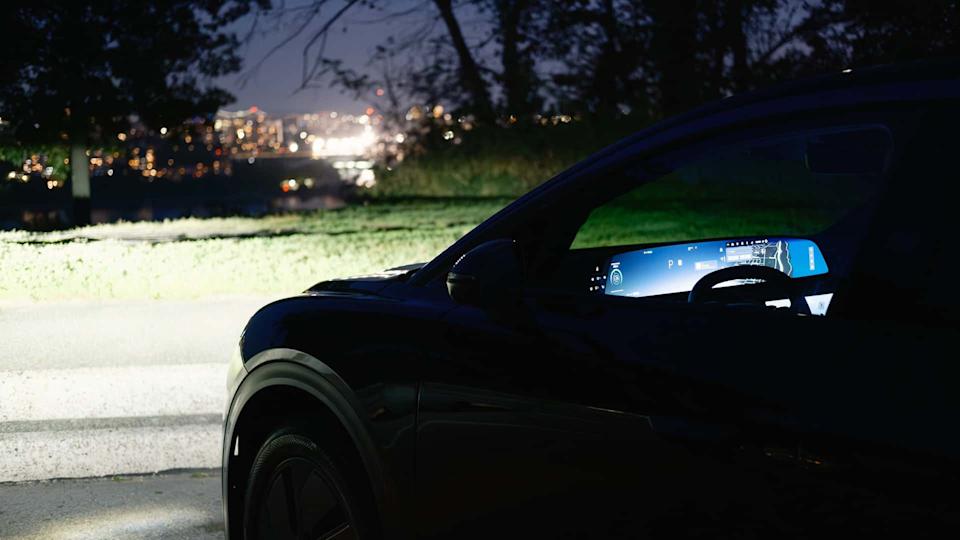
2026 Lucid Gravity
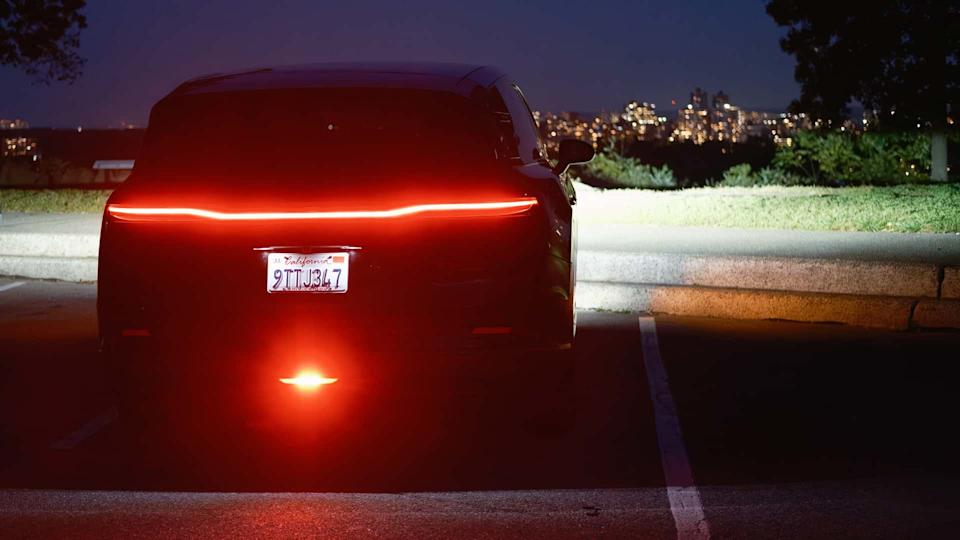
2026 Lucid Gravity
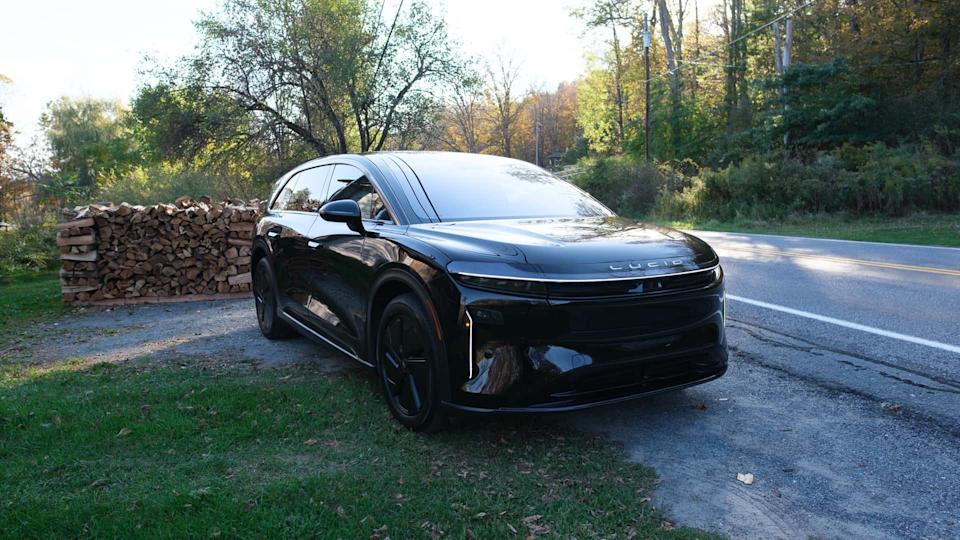
2026 Lucid Gravity
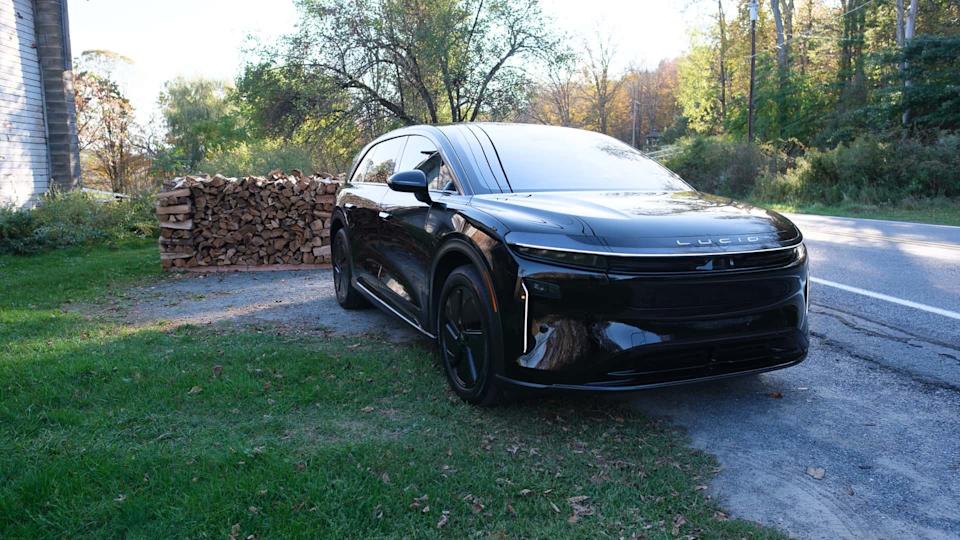
2026 Lucid Gravity
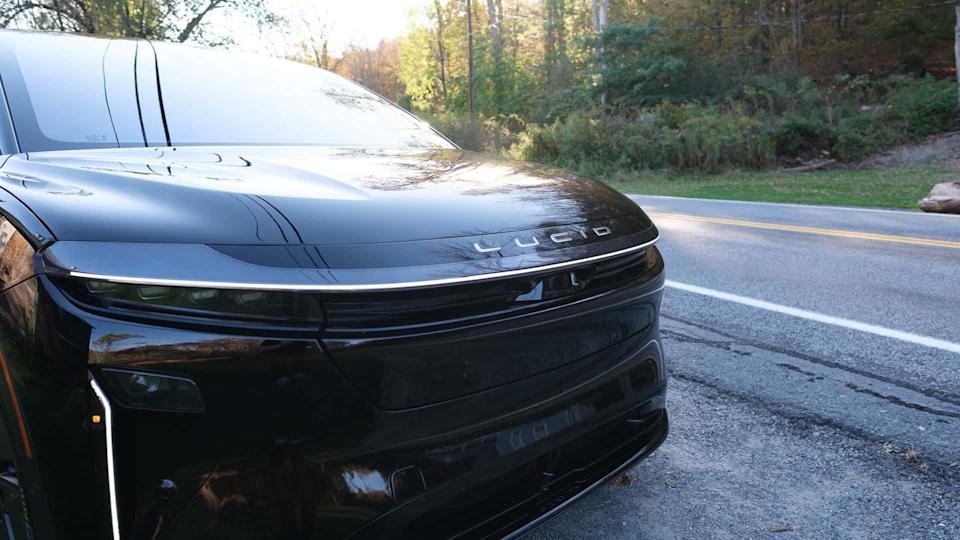
2026 Lucid Gravity
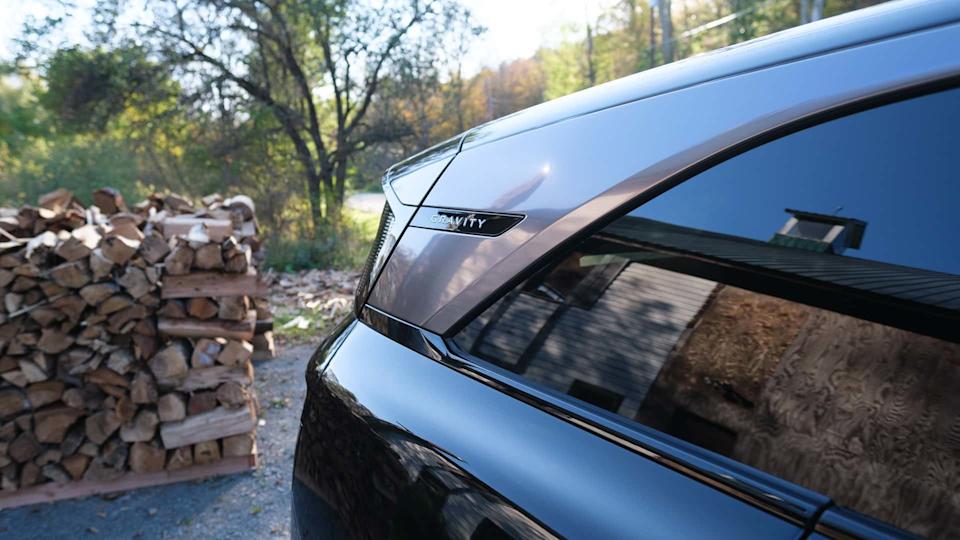
2026 Lucid Gravity
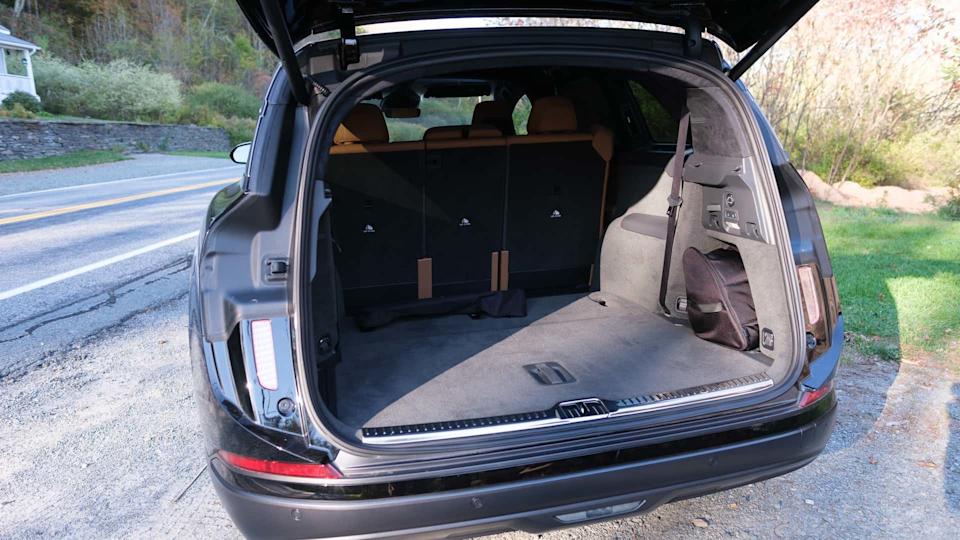
2026 Lucid Gravity

2026 Lucid Gravity
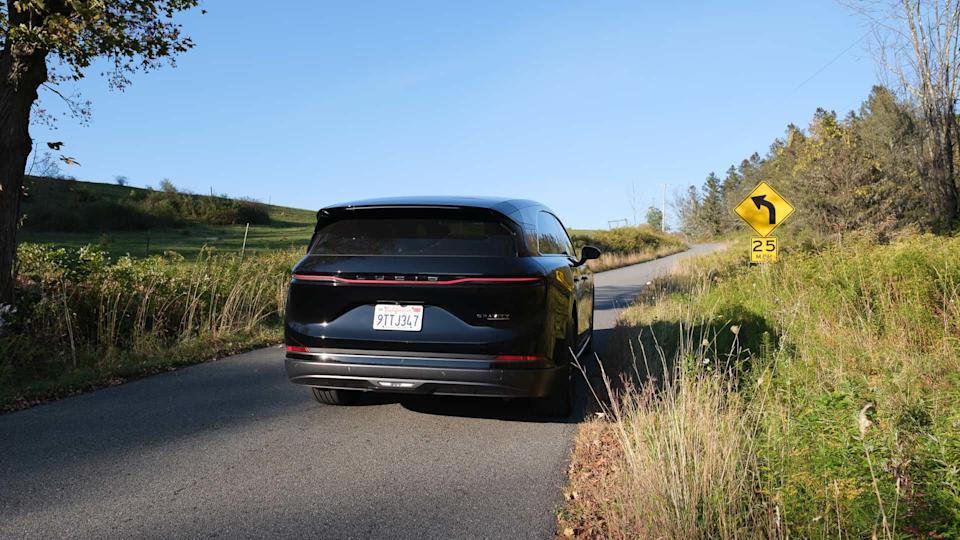
2026 Lucid Gravity
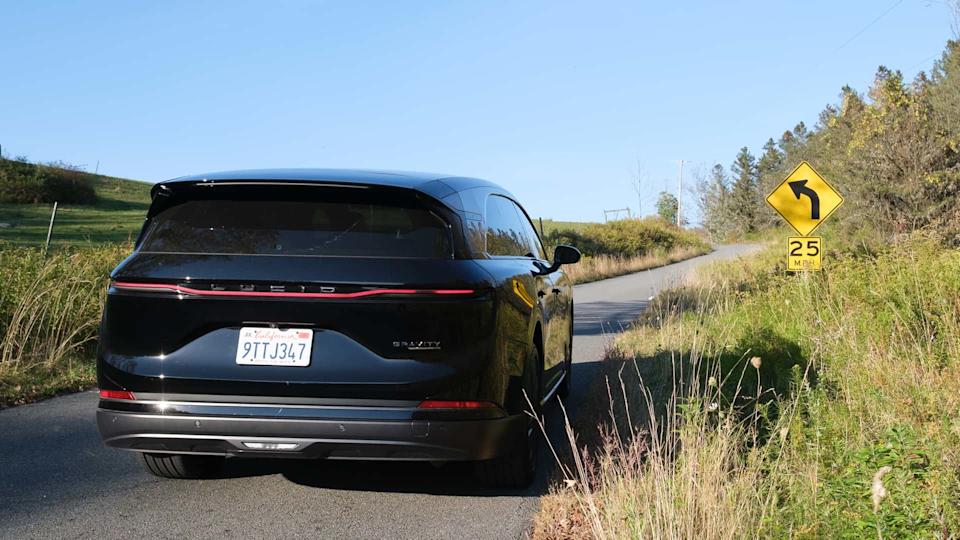
2026 Lucid Gravity
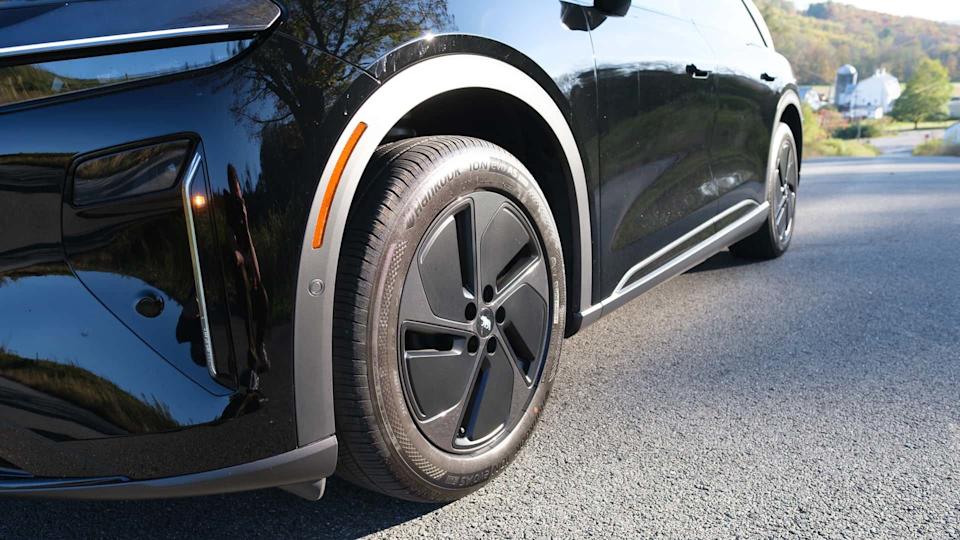
2026 Lucid Gravity
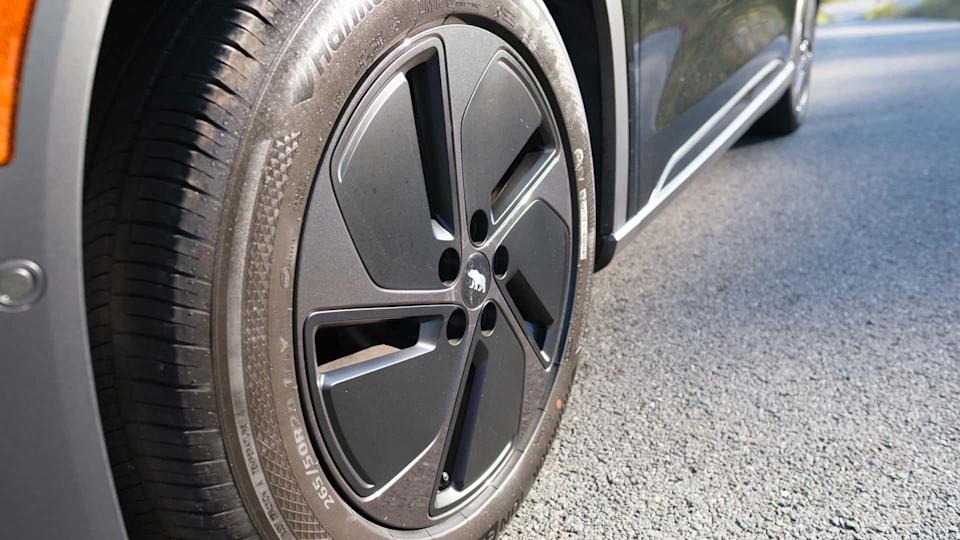
2026 Lucid Gravity

2026 Lucid Gravity
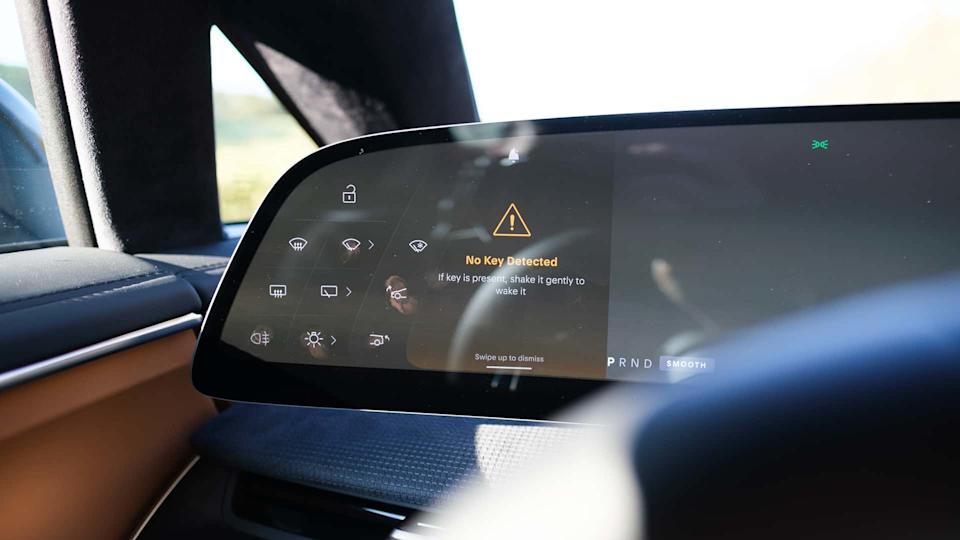
2026 Lucid Gravity
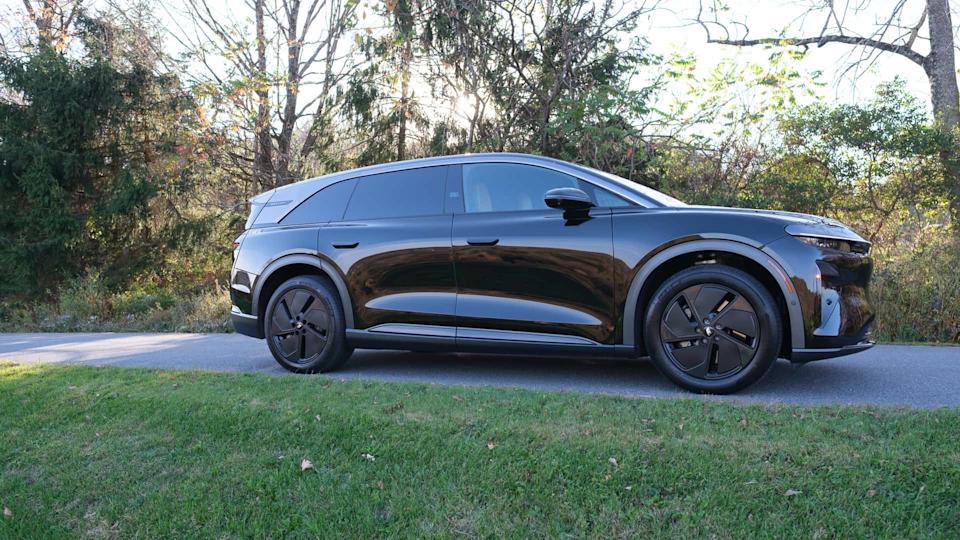
2026 Lucid Gravity
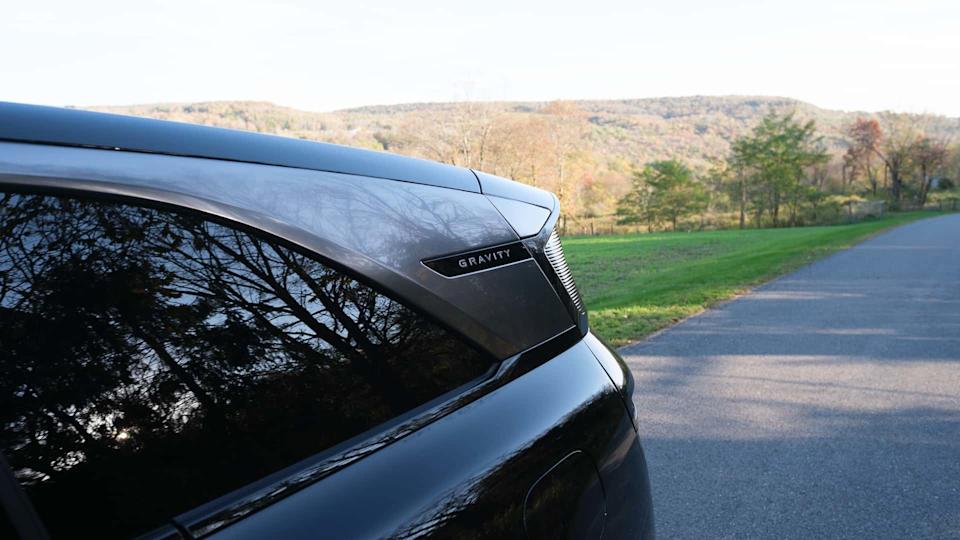
2026 Lucid Gravity
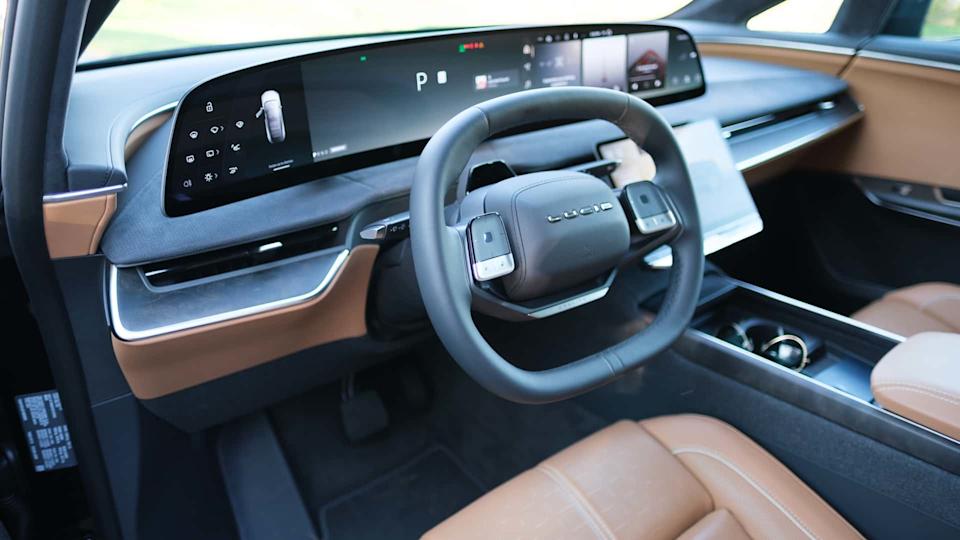
2026 Lucid Gravity
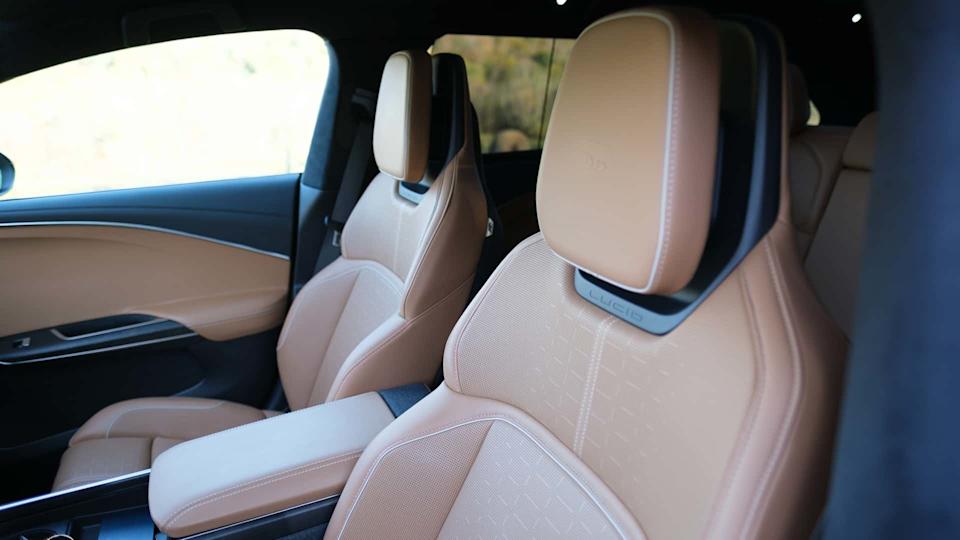
2026 Lucid Gravity
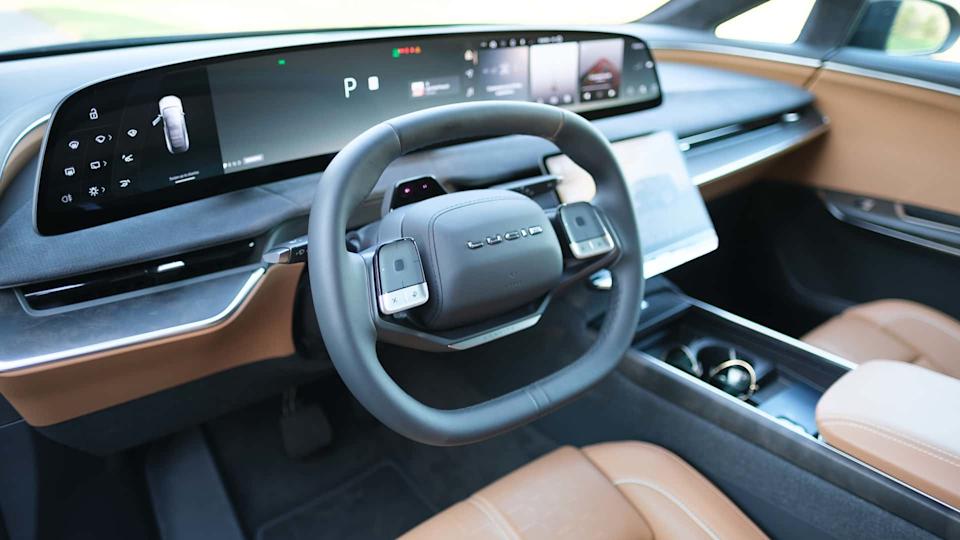
2026 Lucid Gravity

2026 Lucid Gravity
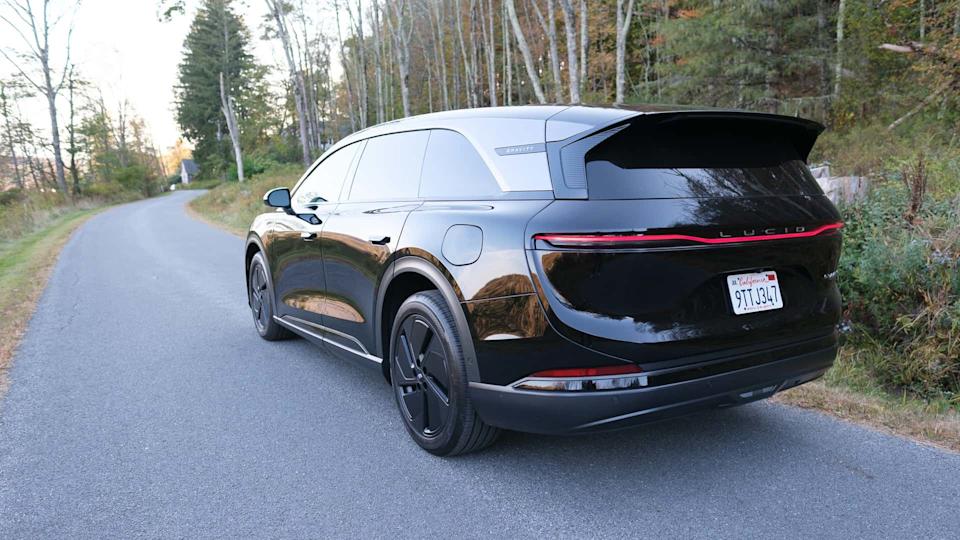
2026 Lucid Gravity
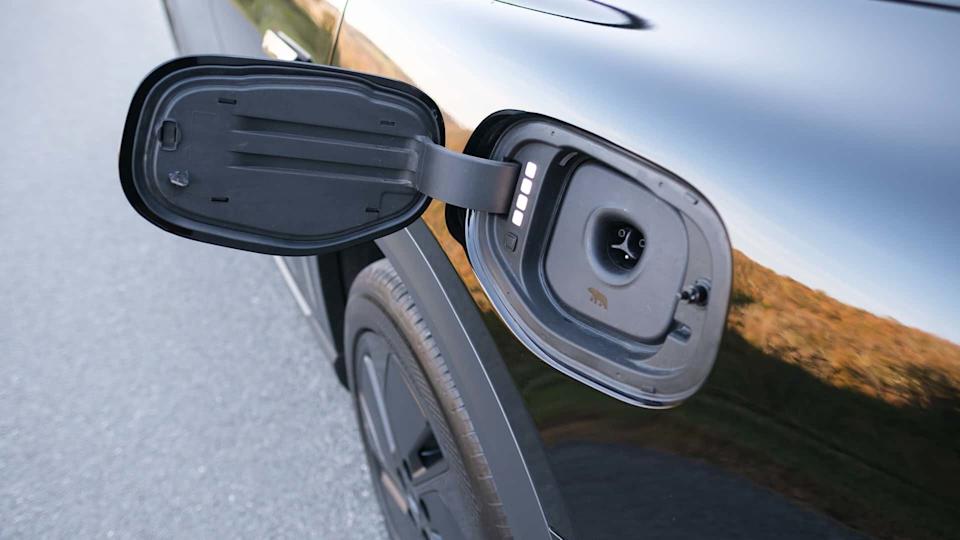
2026 Lucid Gravity
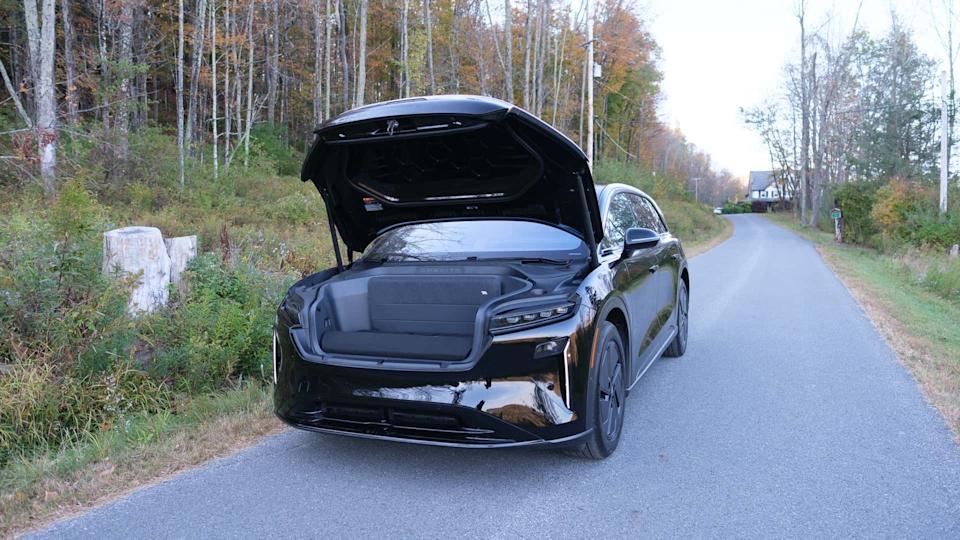
2026 Lucid Gravity

2026 Lucid Gravity
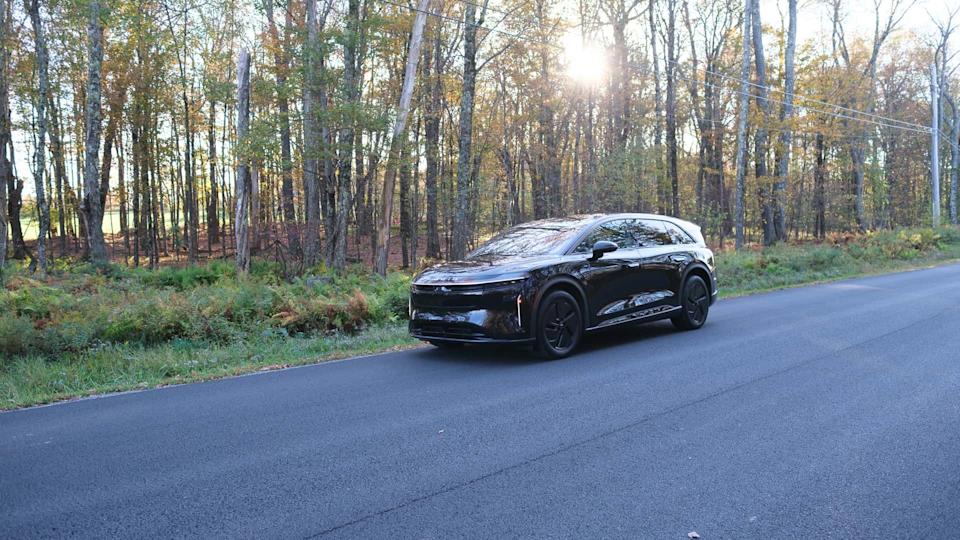
2026 Lucid Gravity
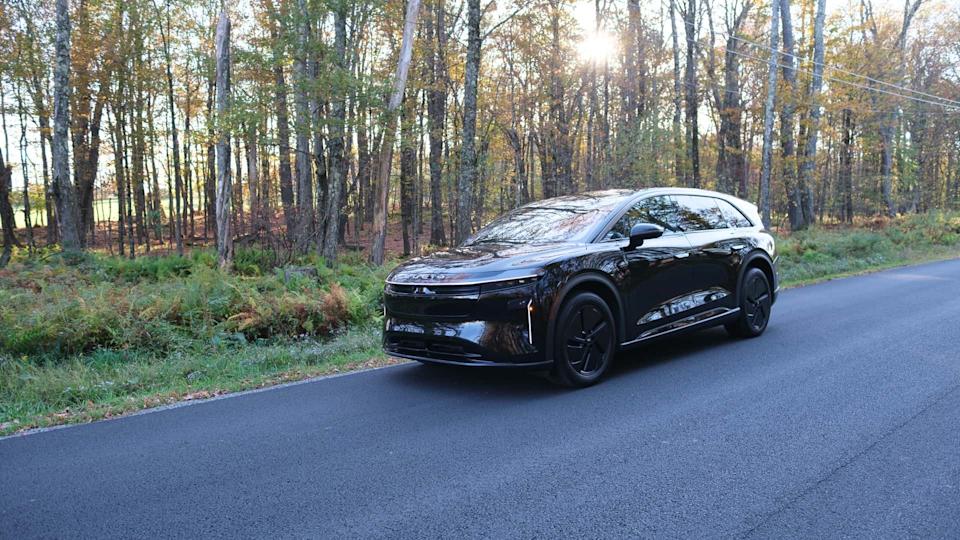
2026 Lucid Gravity
2026 Lucid Gravity
2026 Lucid Gravity

2026 Lucid Gravity
2026 Lucid Gravity

2026 Lucid Gravity

2026 Lucid Gravity
2026 Lucid Gravity
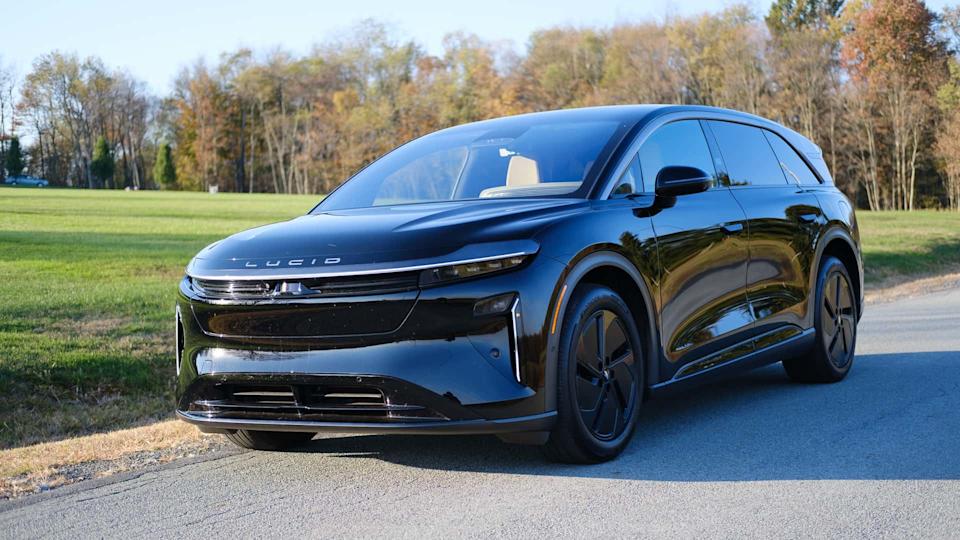
2026 Lucid Gravity
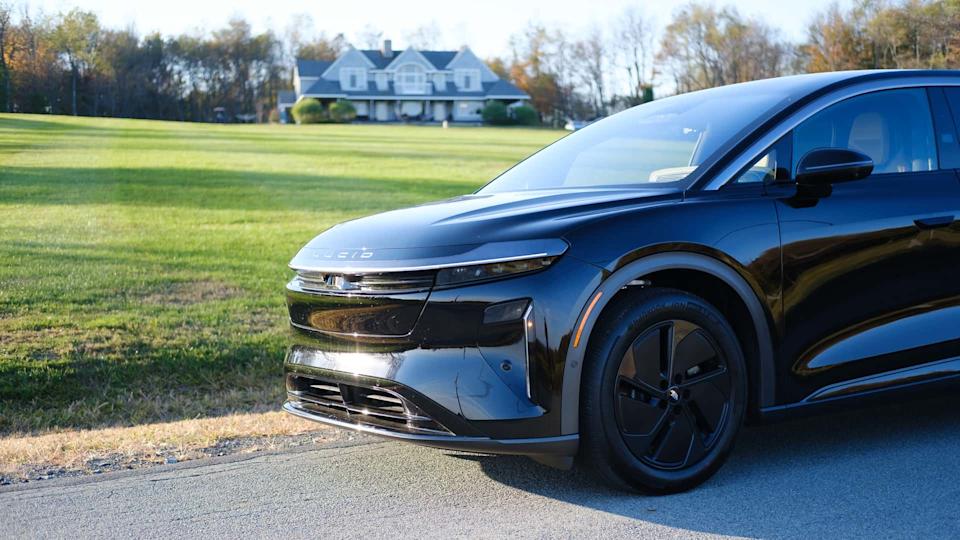
2026 Lucid Gravity
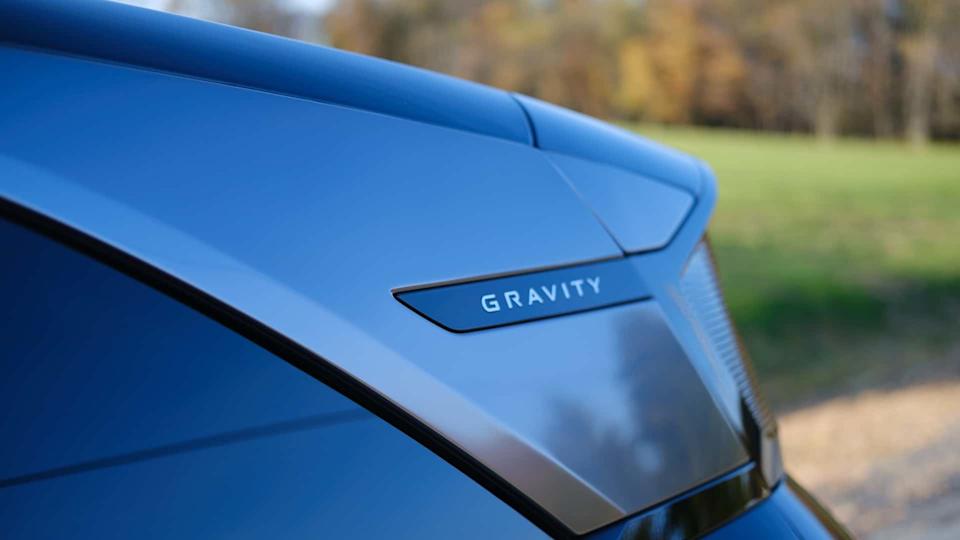
2026 Lucid Gravity
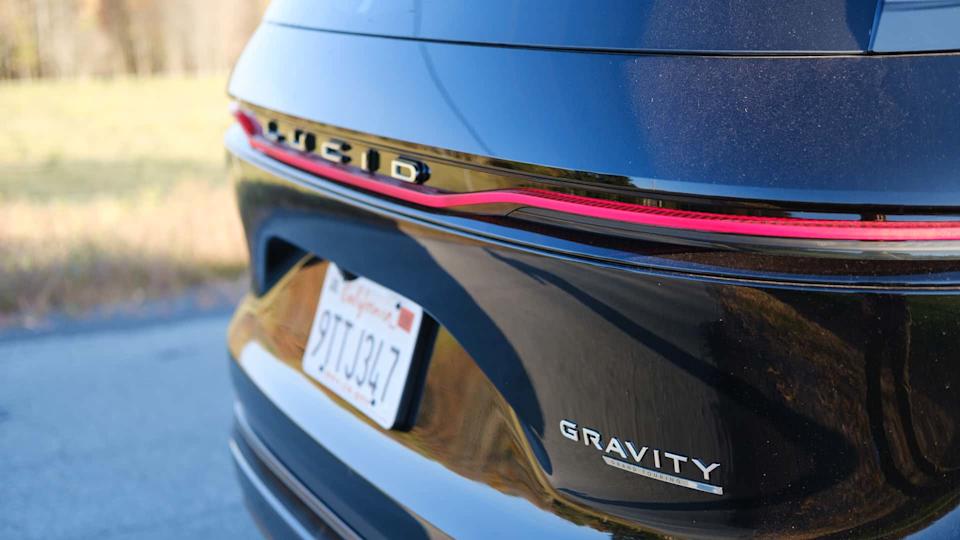
2026 Lucid Gravity
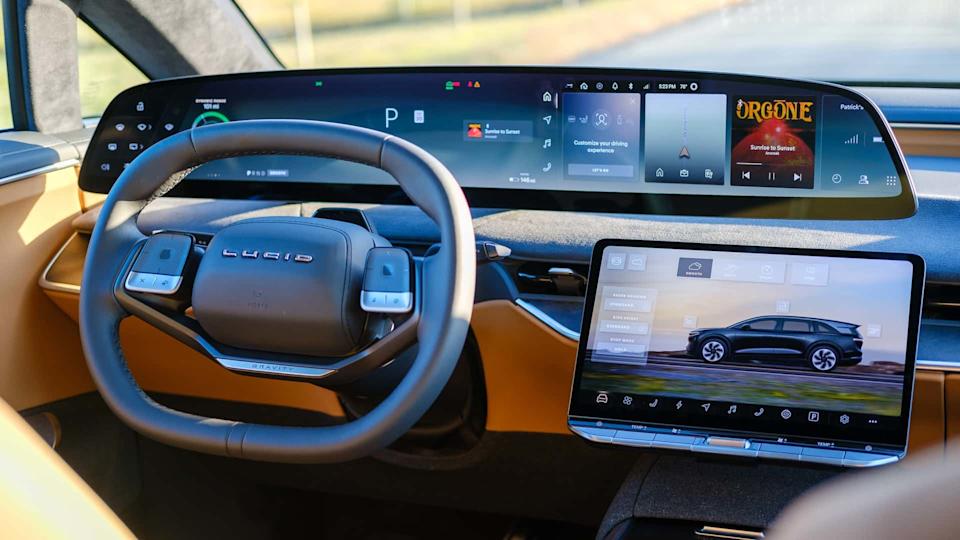
2026 Lucid Gravity
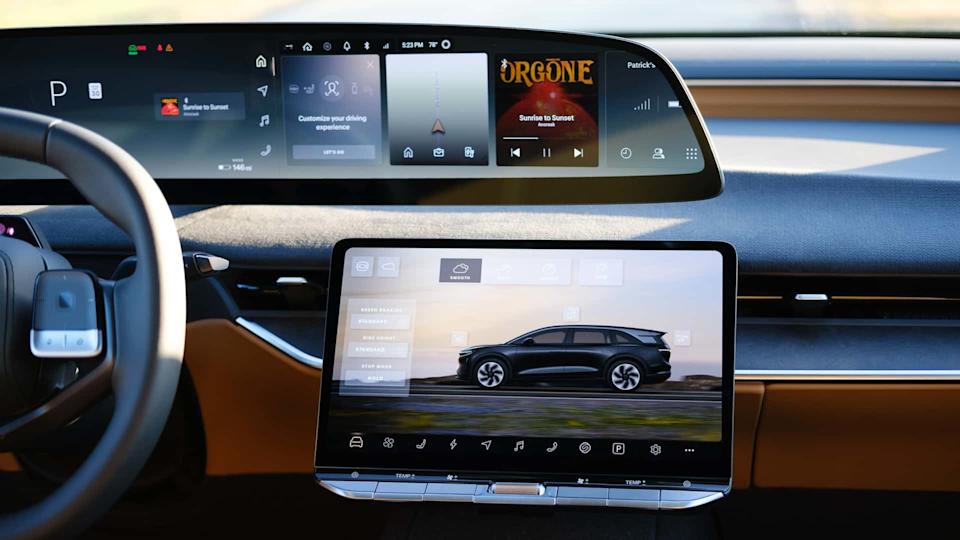
2026 Lucid Gravity
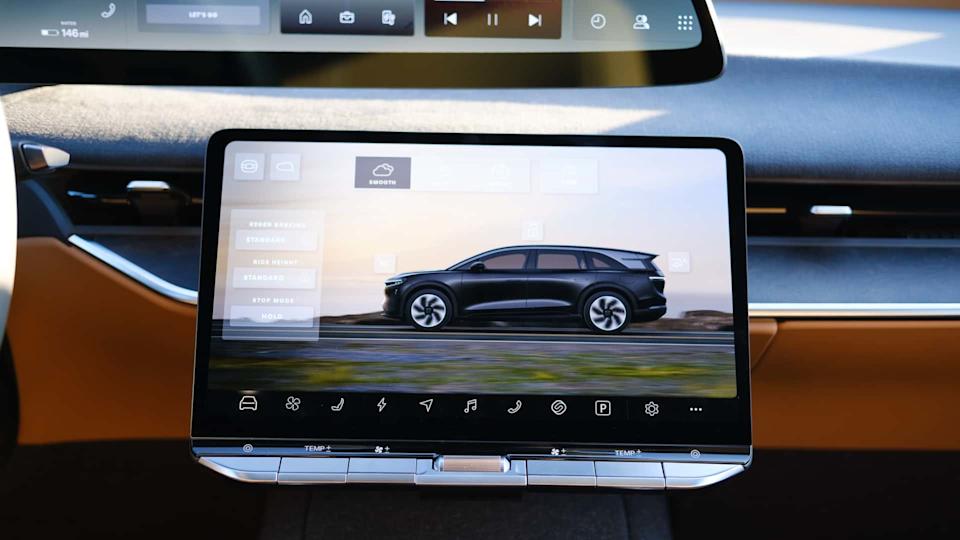
2026 Lucid Gravity
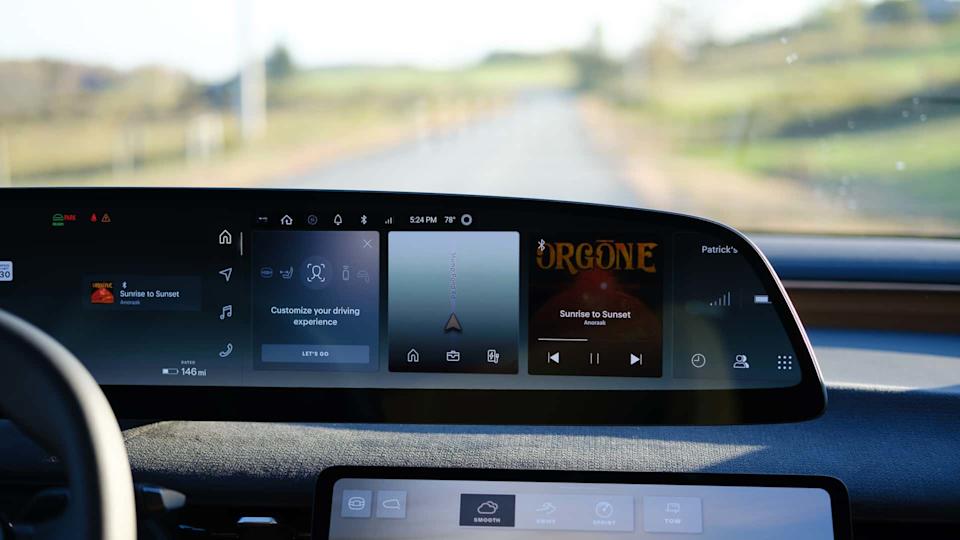
2026 Lucid Gravity
2026 Lucid Gravity

2026 Lucid Gravity

2026 Lucid Gravity
2026 Lucid Gravity
2026 Lucid Gravity

2026 Lucid Gravity

2026 Lucid Gravity
2026 Lucid Gravity

2026 Lucid Gravity
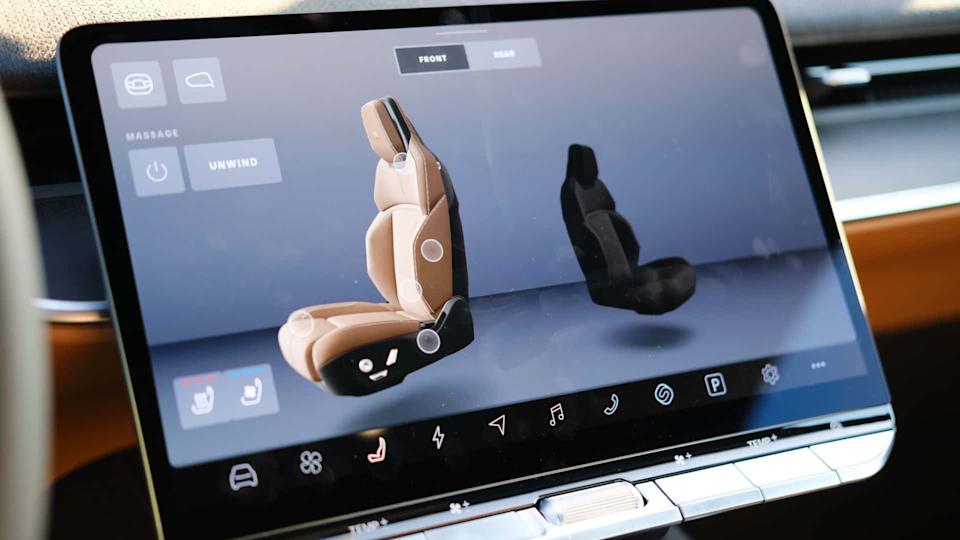
2026 Lucid Gravity
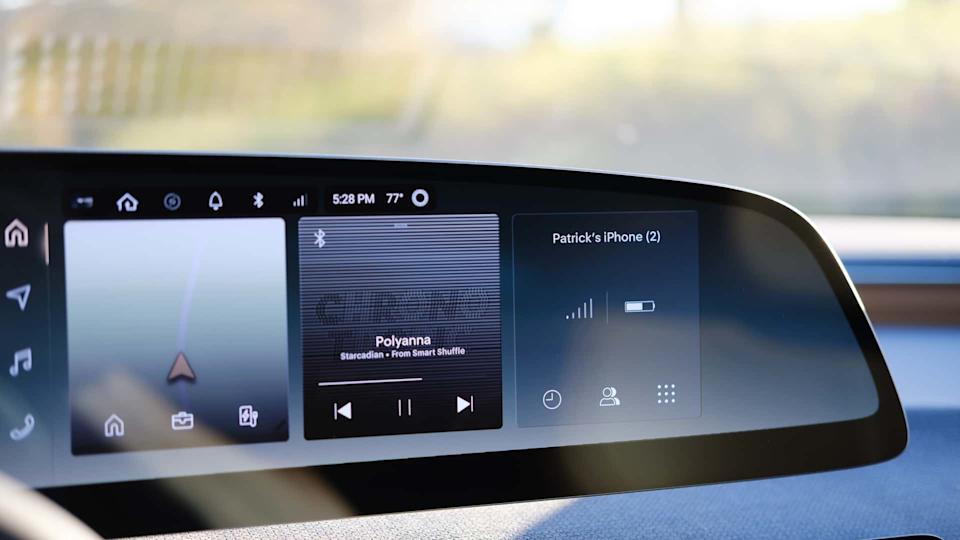
2026 Lucid Gravity
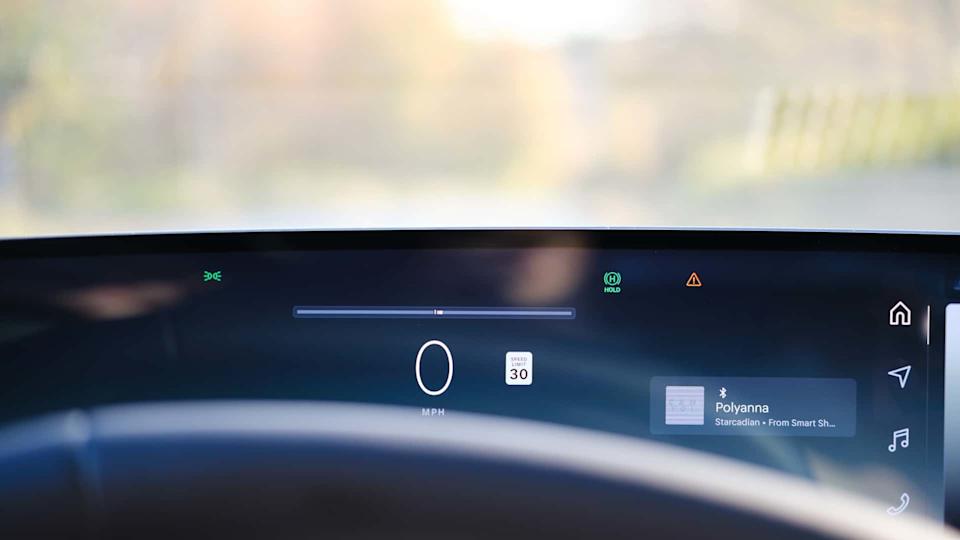
2026 Lucid Gravity
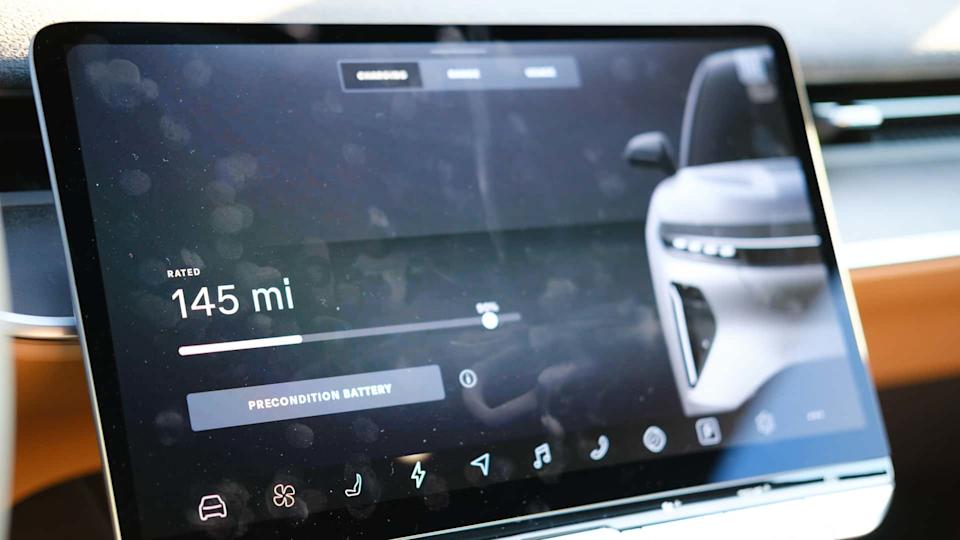
2026 Lucid Gravity
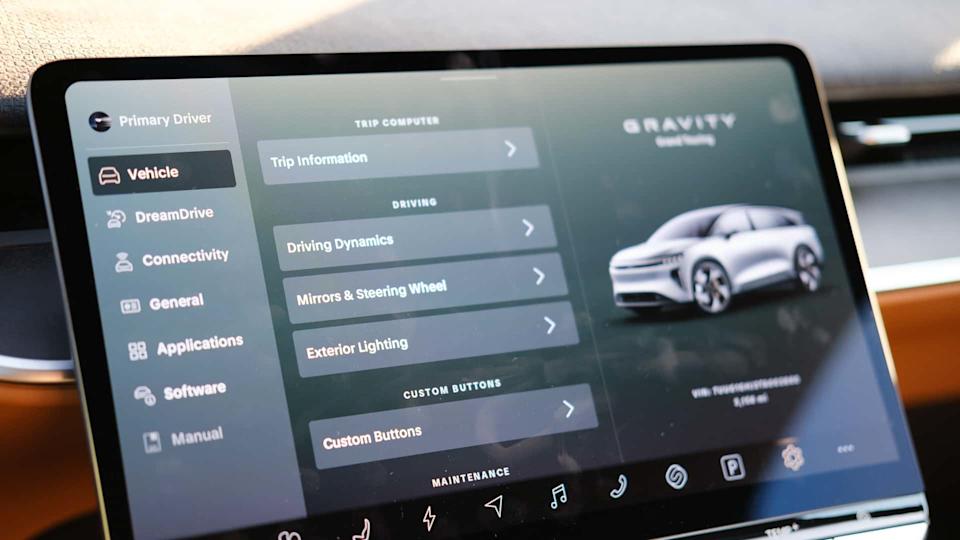
2026 Lucid Gravity
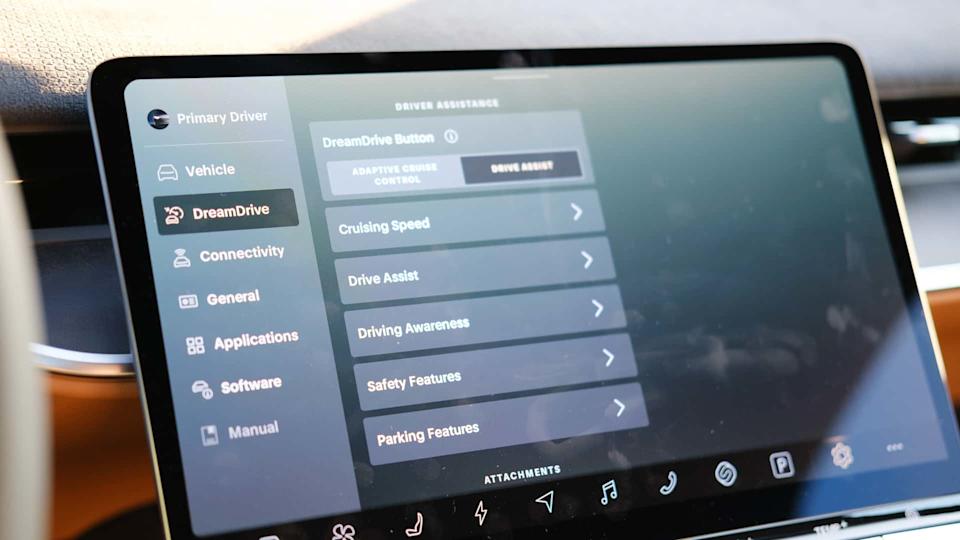
2026 Lucid Gravity
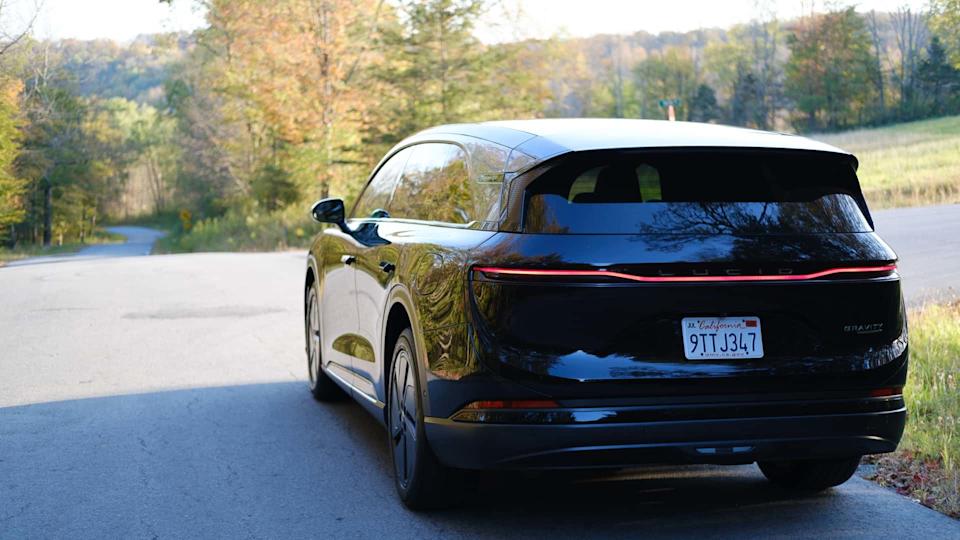
2026 Lucid Gravity
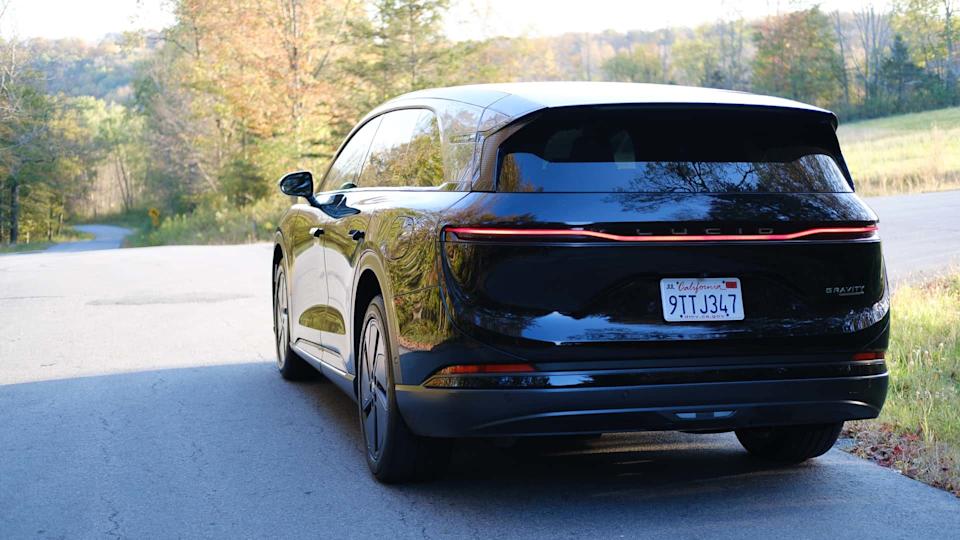
2026 Lucid Gravity
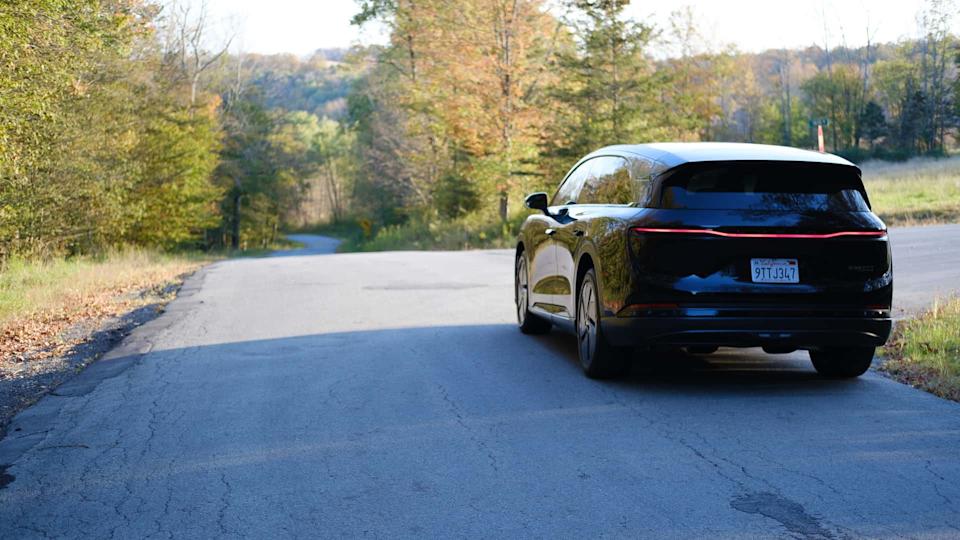
2026 Lucid Gravity
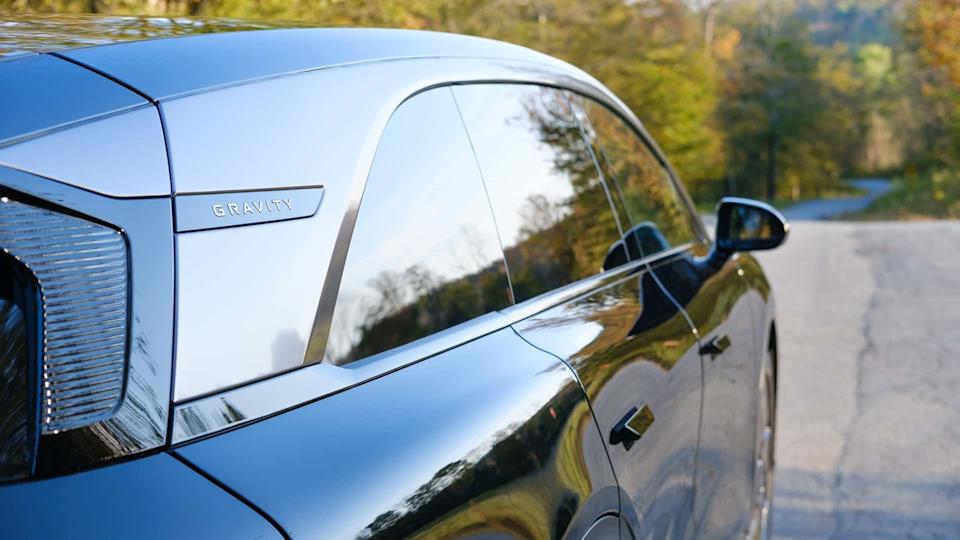
2026 Lucid Gravity
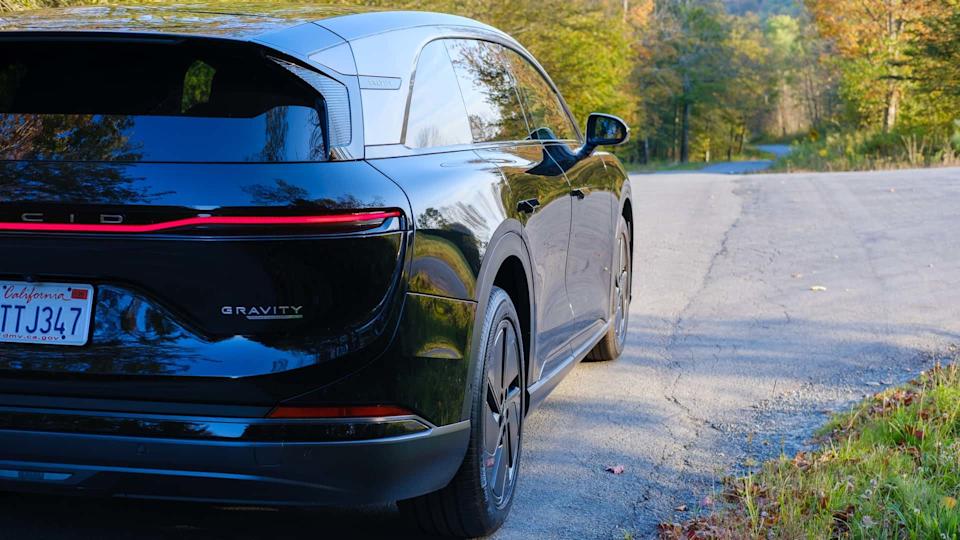
2026 Lucid Gravity
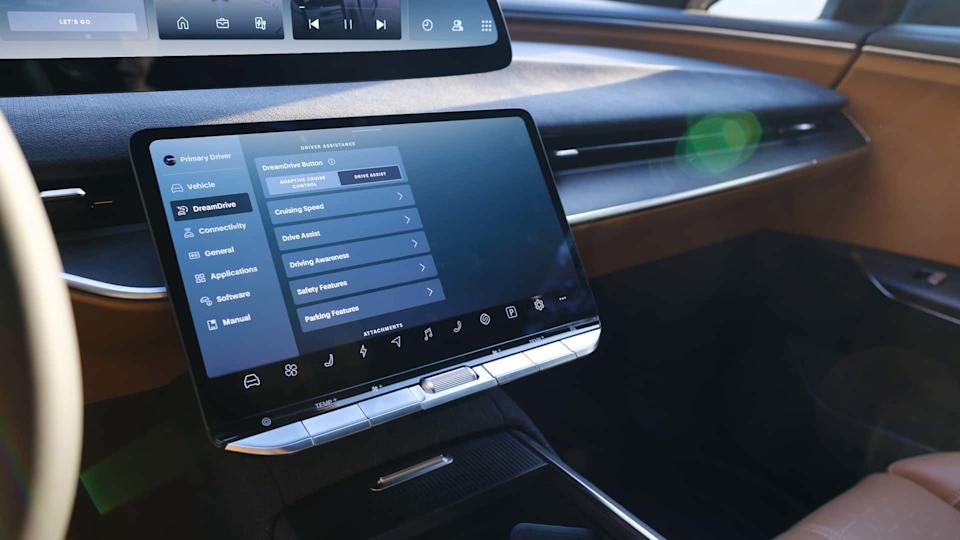
2026 Lucid Gravity
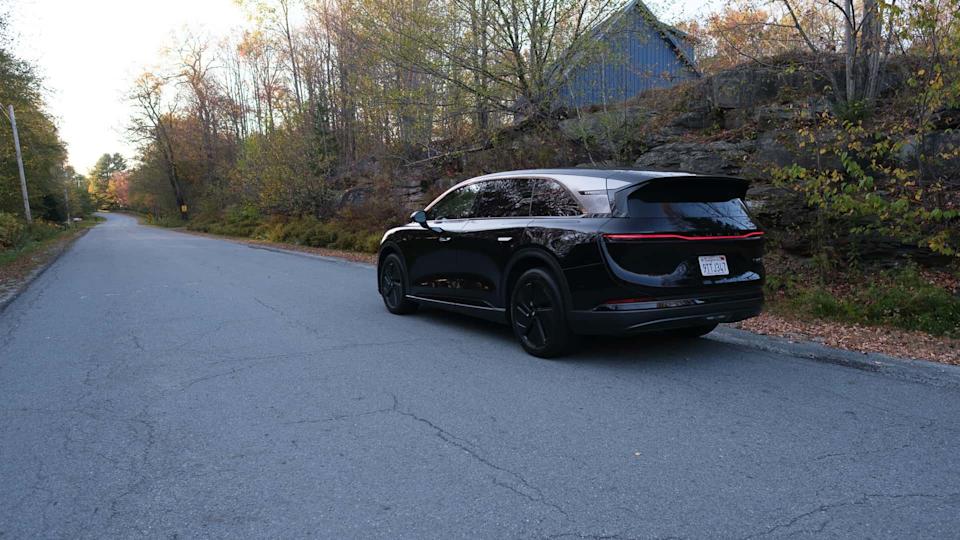
2026 Lucid Gravity

2026 Lucid Gravity
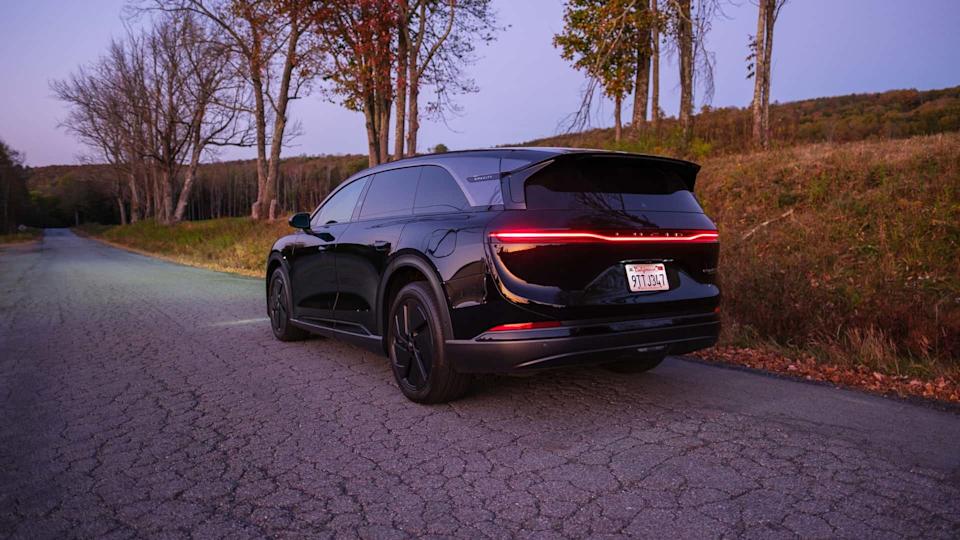
2026 Lucid Gravity
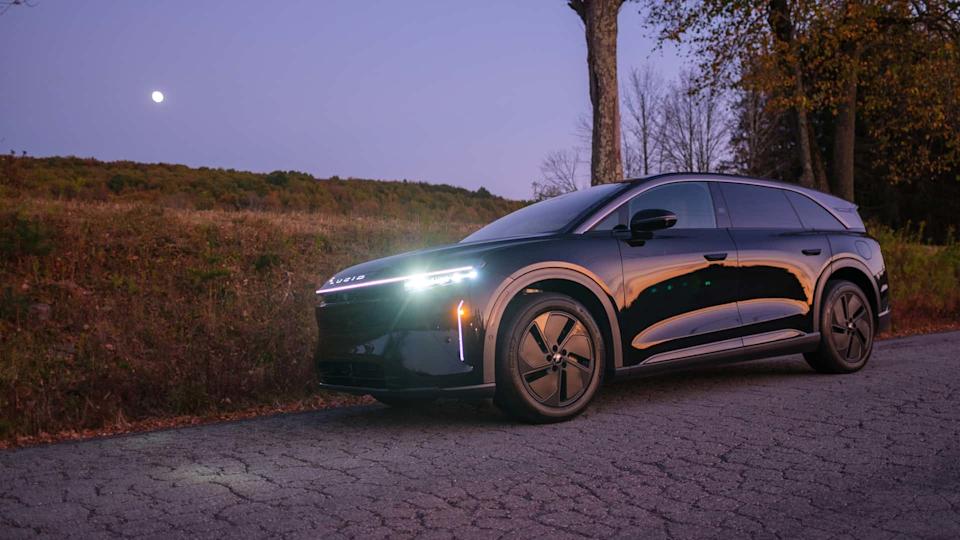
2026 Lucid Gravity
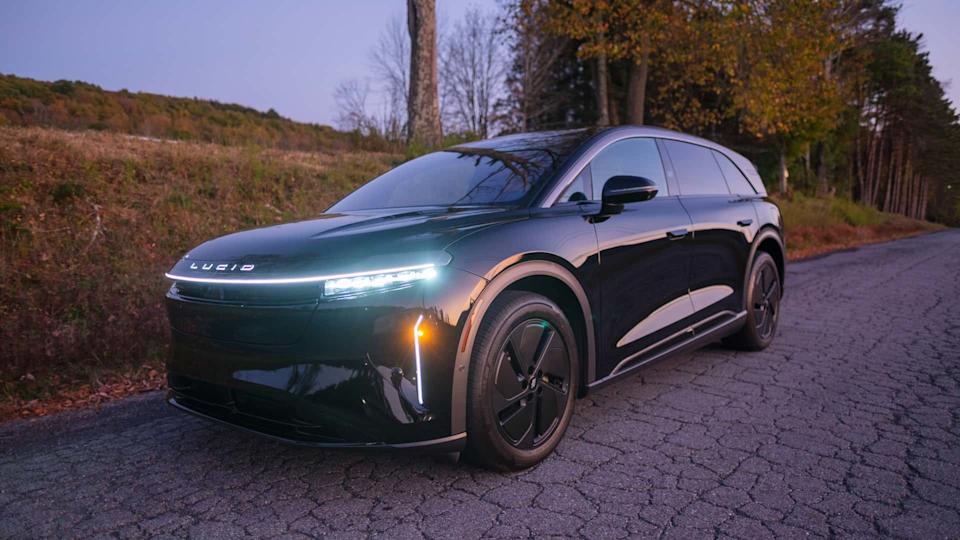
2026 Lucid Gravity

2026 Lucid Gravity
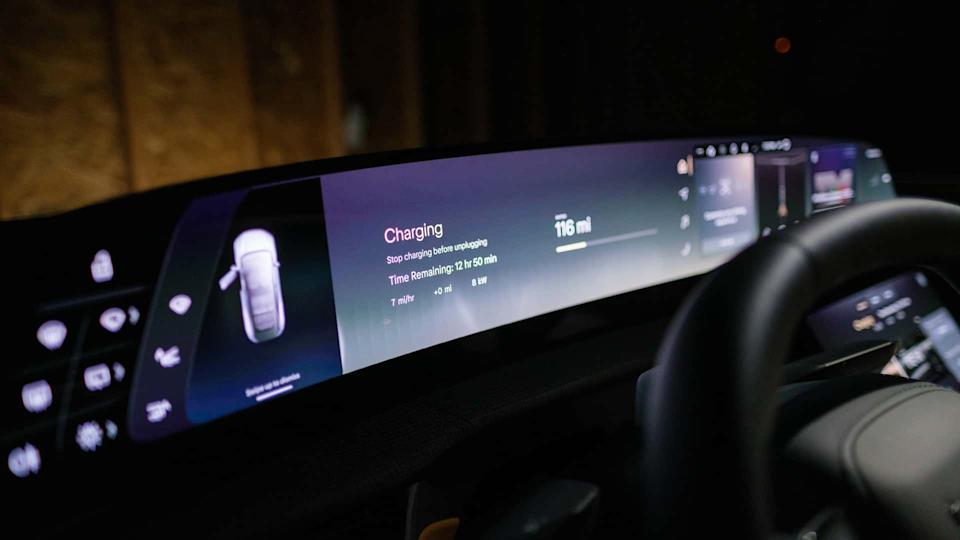
2026 Lucid Gravity