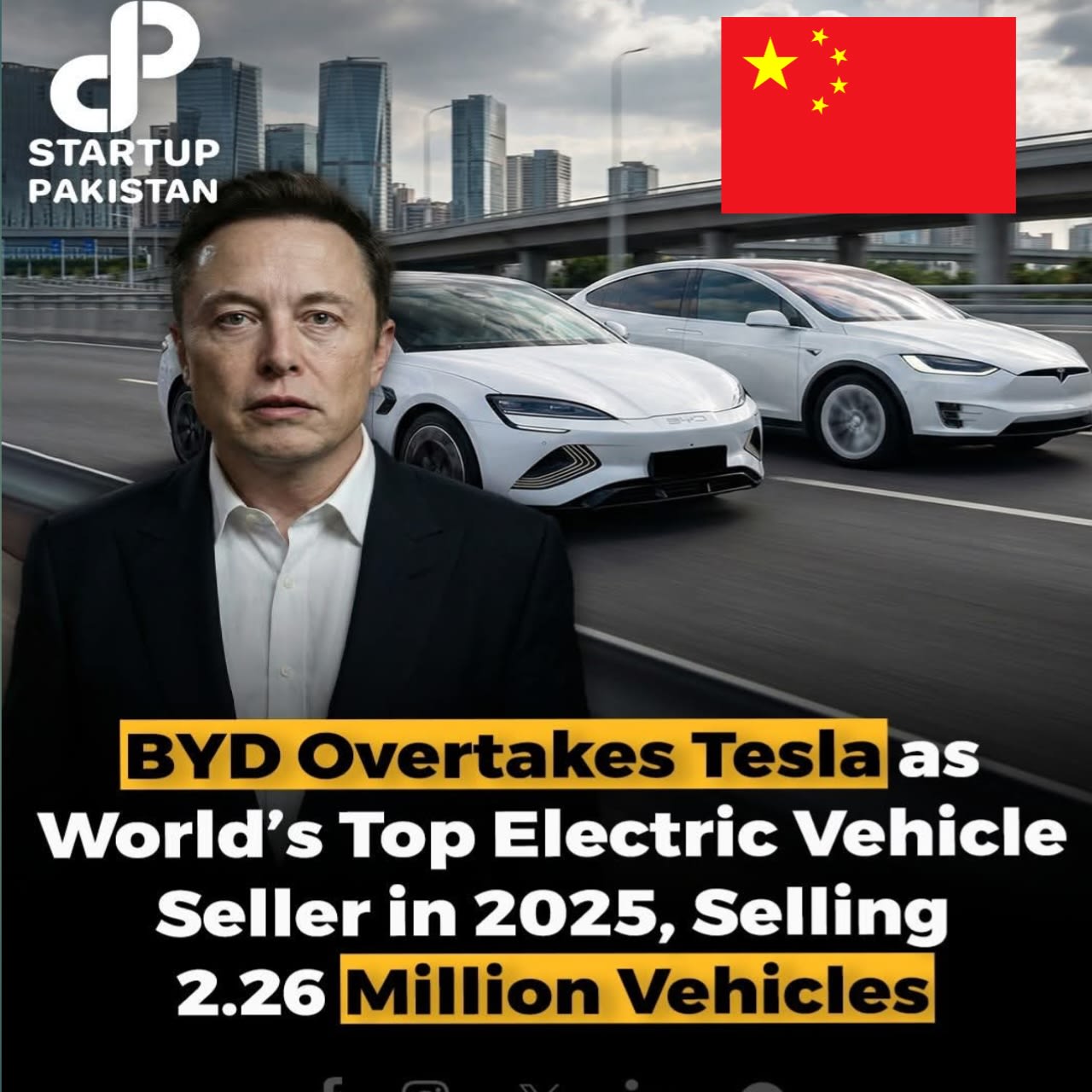
For First Time in History
China Overtakes Japan as World’s Largest Car Seller in 2025
The global automotive industry has entered a historic new chapter. In 2025, China officially surpassed Japan to become the world’s largest car-selling nation for the first time. This landmark moment reflects not only China’s manufacturing power, but also a fundamental shift in how the world builds, buys, and drives automobiles.
For decades, Japan stood as the undisputed leader in car production and sales, with giants like Toyota, Honda, and Nissan defining reliability, efficiency, and mass-market appeal. But the rise of China’s auto sector—accelerated by innovation, electric vehicles, and strategic government support—has now redrawn the map of global automotive dominance.
How China Reached the Top
China’s journey to the top has been years in the making. Once known mainly as a manufacturing hub for foreign brands, the country steadily developed its own automotive ecosystem. Domestic manufacturers invested heavily in design, technology, and large-scale production, while China’s vast domestic market provided the demand needed to grow quickly.
The true turning point came with electric vehicles (EVs). While traditional automakers in many countries were still transitioning from gasoline engines, Chinese companies embraced electrification at scale. Supported by government incentives, infrastructure development, and aggressive research into battery technology, China rapidly became the world’s largest EV market.
By 2025, Chinese automakers were not only dominating their home market but also expanding aggressively into Asia, Europe, Africa, and South America. Competitive pricing, improved quality, and modern features helped Chinese brands win over international consumers who were once loyal to Japanese or European manufacturers.
Why Japan Lost the Top Spot
Japan’s automotive industry remains powerful and technologically advanced, but its growth has slowed compared to China’s explosive expansion. Japanese manufacturers built their success on internal combustion engines, hybrid technology, and meticulous manufacturing processes. However, the rapid global shift toward full electric vehicles disrupted long-standing strategies.
While Japanese automakers invested in hybrids and hydrogen technology, China focused almost entirely on battery-powered EVs, capturing early market leadership in a segment that is now defining the future of transportation. In addition, Japan’s domestic market has matured, with limited population growth and stable demand, leaving less room for expansion compared to China’s massive consumer base.
This is not a story of decline, but rather one of transformation. Japan remains a leader in engineering excellence, safety, and reliability—but in 2025, China’s scale, speed, and focus on new technologies proved decisive.
The Role of Electric Vehicles
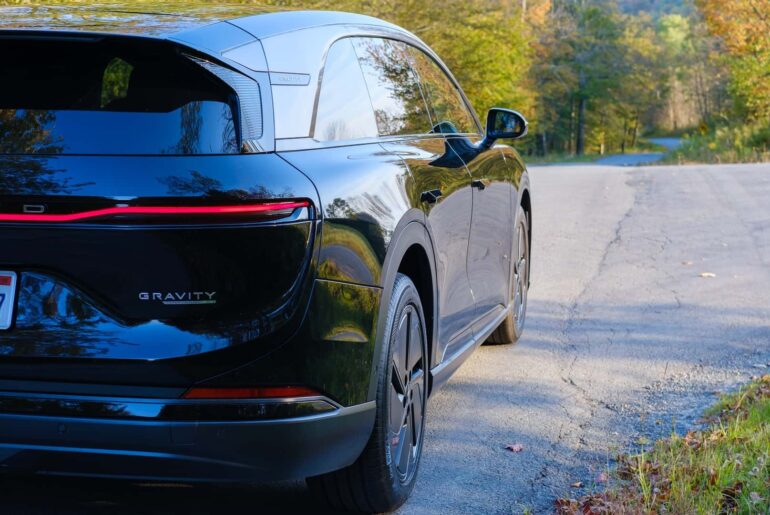
Electric vehicles are the centerpiece of China’s rise. From compact city cars to luxury electric SUVs, Chinese automakers now offer a full range of EVs at prices that often undercut global competitors. Improvements in battery life, charging speed, and software integration have made these vehicles increasingly attractive worldwide.
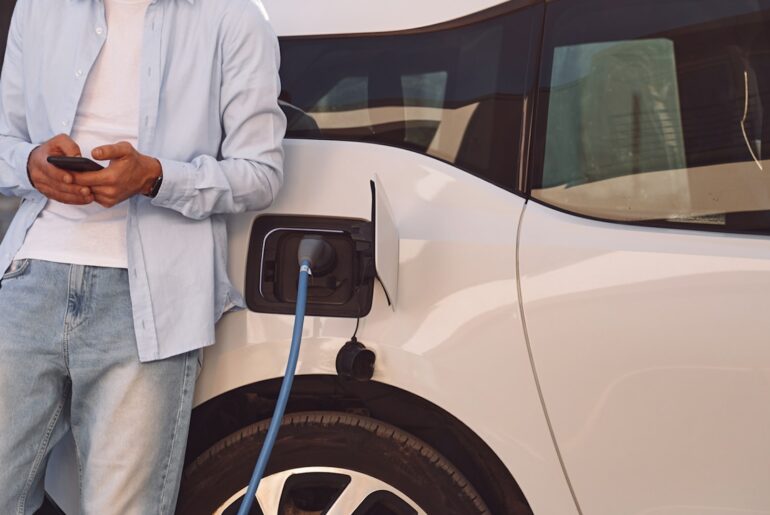
China also leads in EV infrastructure. A vast network of charging stations across major cities and highways has made electric driving practical for everyday use. Combined with falling battery costs and strong government backing, EVs have become mainstream rather than niche.
As environmental regulations tighten globally and consumers seek sustainable alternatives, China’s early and aggressive investment in electric mobility has paid off—pushing total vehicle sales past Japan’s long-held benchmark.
Global Impact on the Auto Industry
China’s emergence as the world’s largest car seller is reshaping global competition. Established automakers from Japan, Europe, and the United States now face a new reality: Chinese brands are no longer just low-cost alternatives—they are serious contenders in design, technology, and performance.
This shift is forcing traditional manufacturers to accelerate innovation, particularly in electric and smart vehicle technologies. Partnerships, acquisitions, and supply chain realignments are becoming more common as companies seek to remain competitive in a rapidly evolving market.
At the same time, consumers benefit from greater choice, more competitive pricing, and faster technological advancement. From advanced driver-assistance systems to AI-powered dashboards, the race for innovation is intensifying.
A Symbol of Economic Transformation
China overtaking Japan is more than an automotive milestone—it is a symbol of broader economic change. The country has moved beyond being “the world’s factory” to becoming a global leader in high-tech manufacturing. The automotive sector, once dominated by foreign brands, now showcases China’s ability to innovate, scale, and compete at the highest level.
For young engineers, entrepreneurs, and investors, the message is clear: the future of mobility will be shaped increasingly by China. This does not mean other nations will fade, but it does mean the center of gravity in the auto industry has shifted eastward.
Looking Ahead
As 2025 marks this historic crossover, the next question is what comes next. Will China maintain its lead? Can Japan reclaim dominance through breakthroughs in hydrogen, solid-state batteries, or next-generation hybrids? How will global policies on climate change, trade, and technology influence competition?
One thing is certain: the automotive world has entered a new era. China’s rise to the top is not just a record—it is a turning point that will define how cars are built, sold, and driven for decades to come.
The road ahead belongs to innovation. And in 2025, China has taken the driver’s seat.