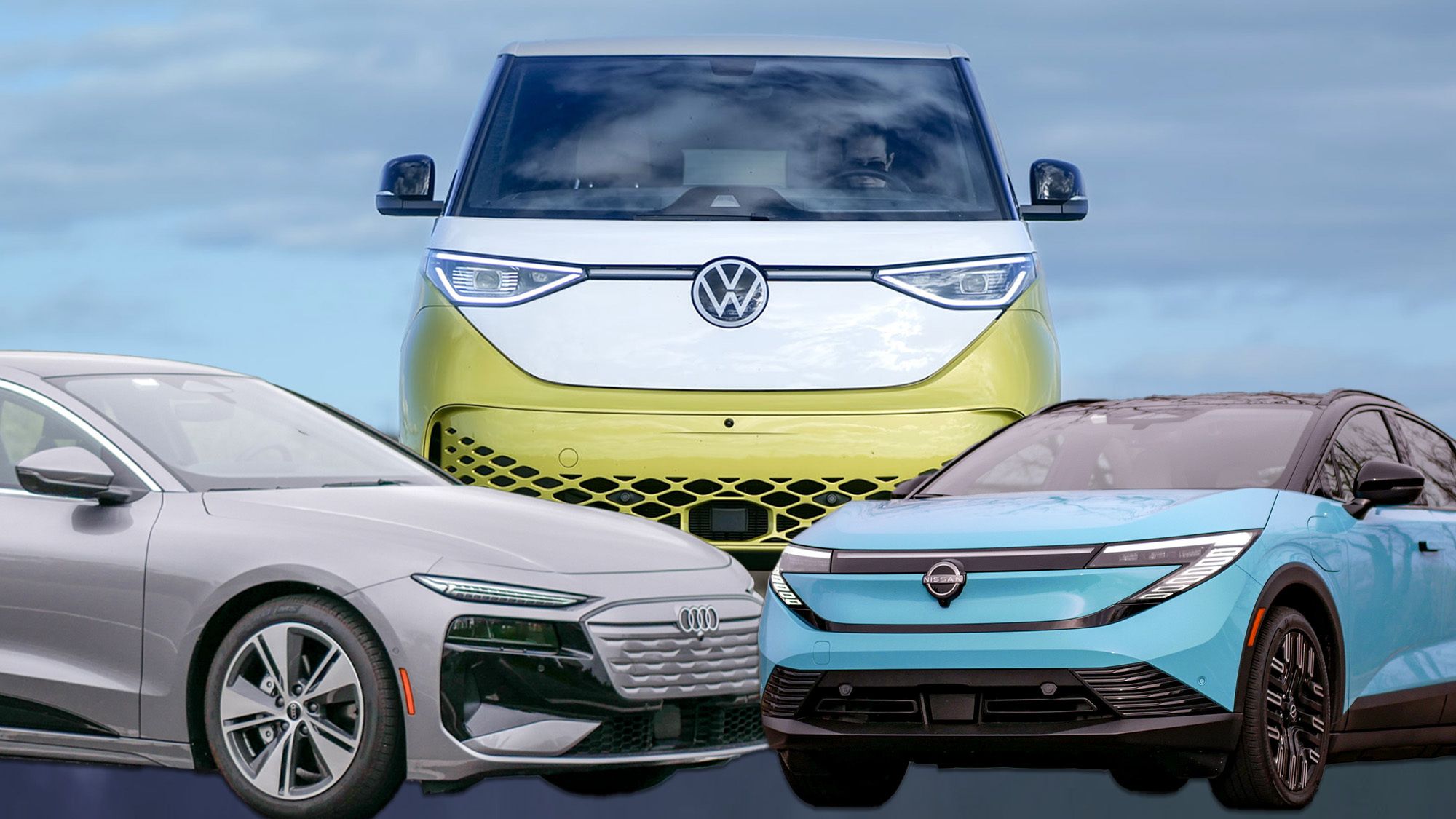
Over the past year, I drove a different vehicle each week to uncover the best electric cars you can buy today. From efficient models that get the most range for their battery, to cool features in luxury models that make you feel like you’re in the future, I’ve spent a great deal of time testing, comparing, and understanding them to tell you what today’s electric vehicles have to offer.
While Tesla is arguably the best known maker of electric cars, nearly every automobile maker offers at least one all-electric model. Best of all, they come in different trims and price ranges to fit exactly what you need. Whether it’s a full-sized SUV to carry the entire family, the utility of an all-electric pickup truck to carry bigger payloads, or just a fun and fast sporty model for yourself, this list has everything you need to know about the best electric cars out there.
If you’re still a little hesitant about going all-electric for your next car purchase, don’t worry because I’ve also tested out hybrids and PHEVs that are great alternatives. And if buying or financing is too much for you, consider looking at leasing an EV instead.
Written by Written byJohn Velasco
Social Links Navigation
I’m the senior editor for mobile at Tom’s Guide, where I’ve been working since 2023. I’ve been covering mobile tech for 16 years in total, which also consists of car tech such as CarPlay, Android Auto, and more. I’ve tested more than 30 EVs in the last year, each with a week’s worth of driving, to really get a feel for their performance and features.
The best electric car overall
Image 1 of 8
 (Image credit: Tom’s Guide / John Velasco)
 (Image credit: Tom’s Guide / John Velasco)
 (Image credit: Tom’s Guide / John Velasco)
 (Image credit: Tom’s Guide / John Velasco)
 (Image credit: Tom’s Guide / John Velasco)
 (Image credit: Tom’s Guide / John Velasco)
 (Image credit: Tom’s Guide / John Velasco)
 (Image credit: Tom’s Guide / John Velasco)
1. Volvo EX30
Specifications
Price Tested: $48,395
Range: 253 miles
0 to 60 mph: 3.4 seconds
Drive: AWD
Average Efficiency: 3.4 mi/kWh
Level 1 Charging Speed: 3.66 mi/hr
Reasons to buy+
Striking design
+
Comfortable seating
+
Cool lighting
+
Lots of great tech
Reasons to avoid-
Expensive with higher trims
–
Limited range
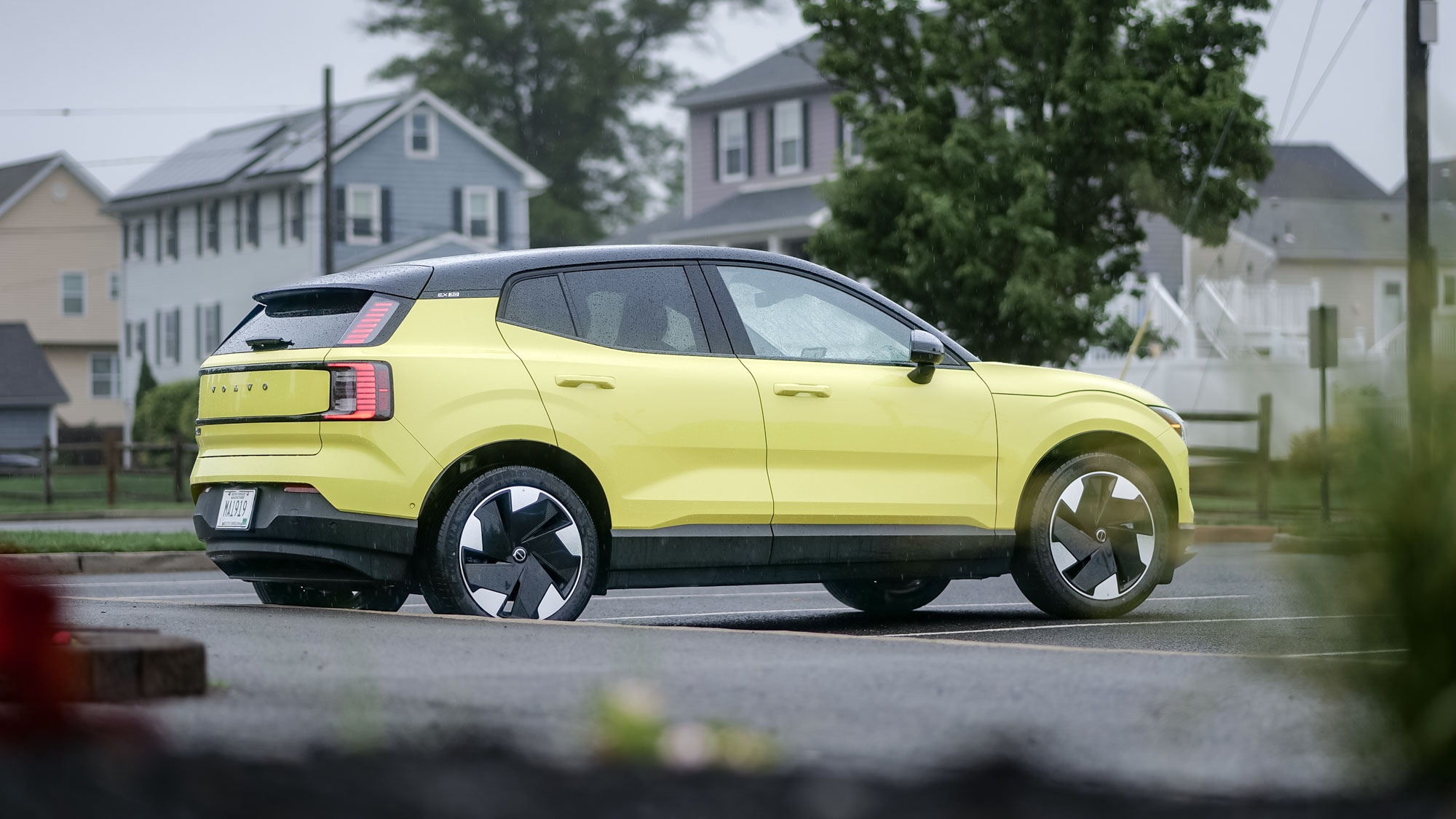
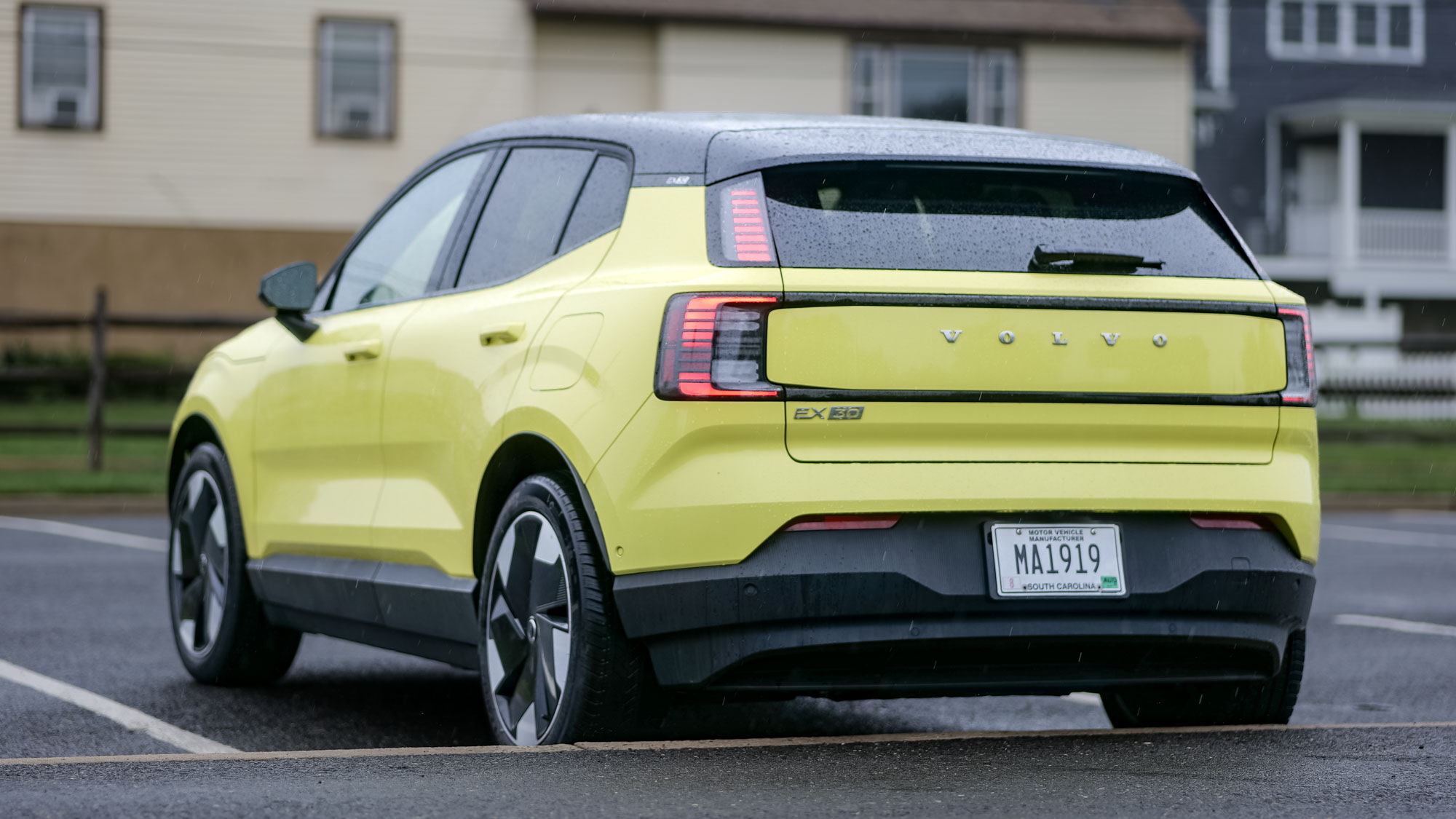
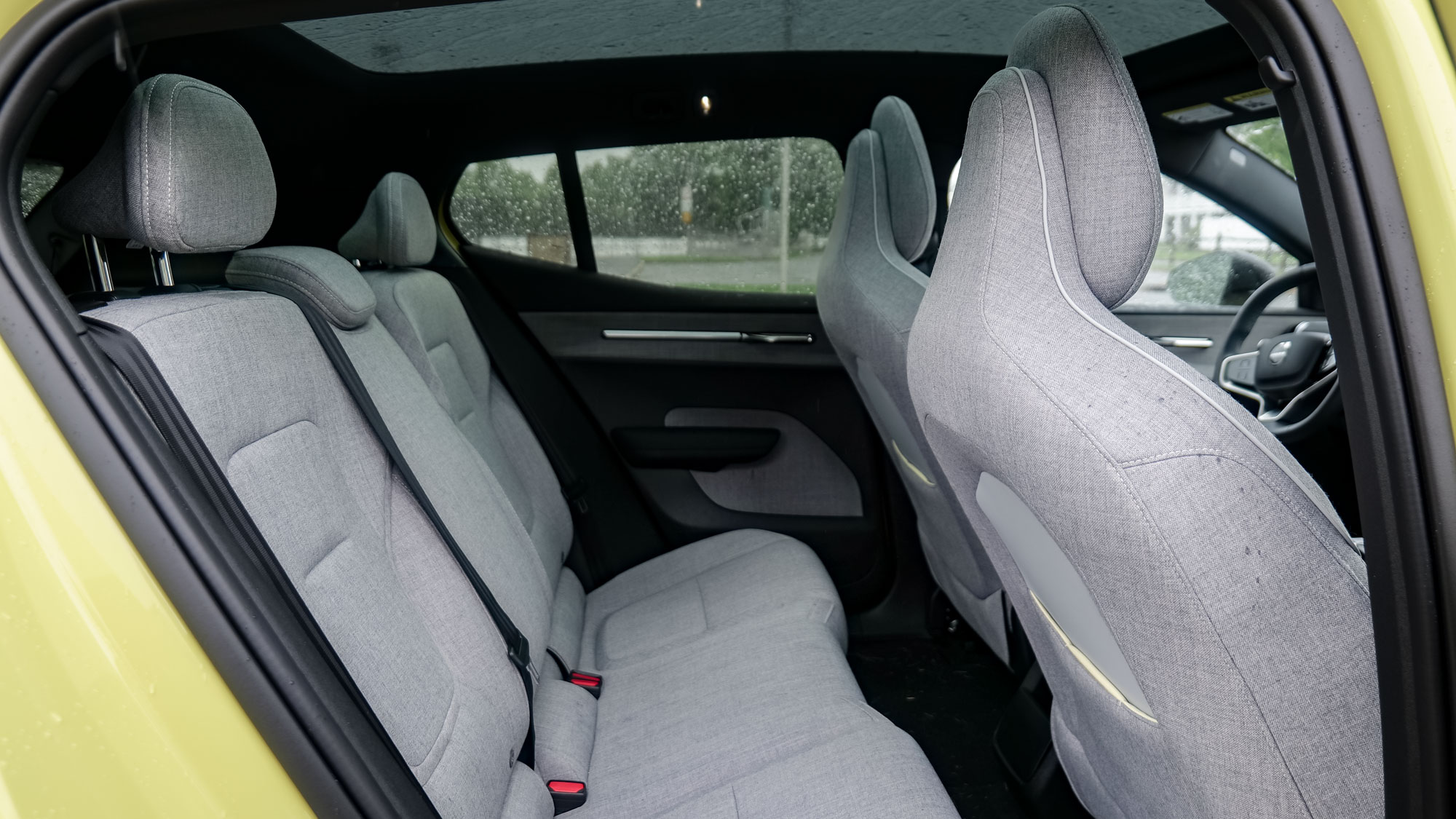
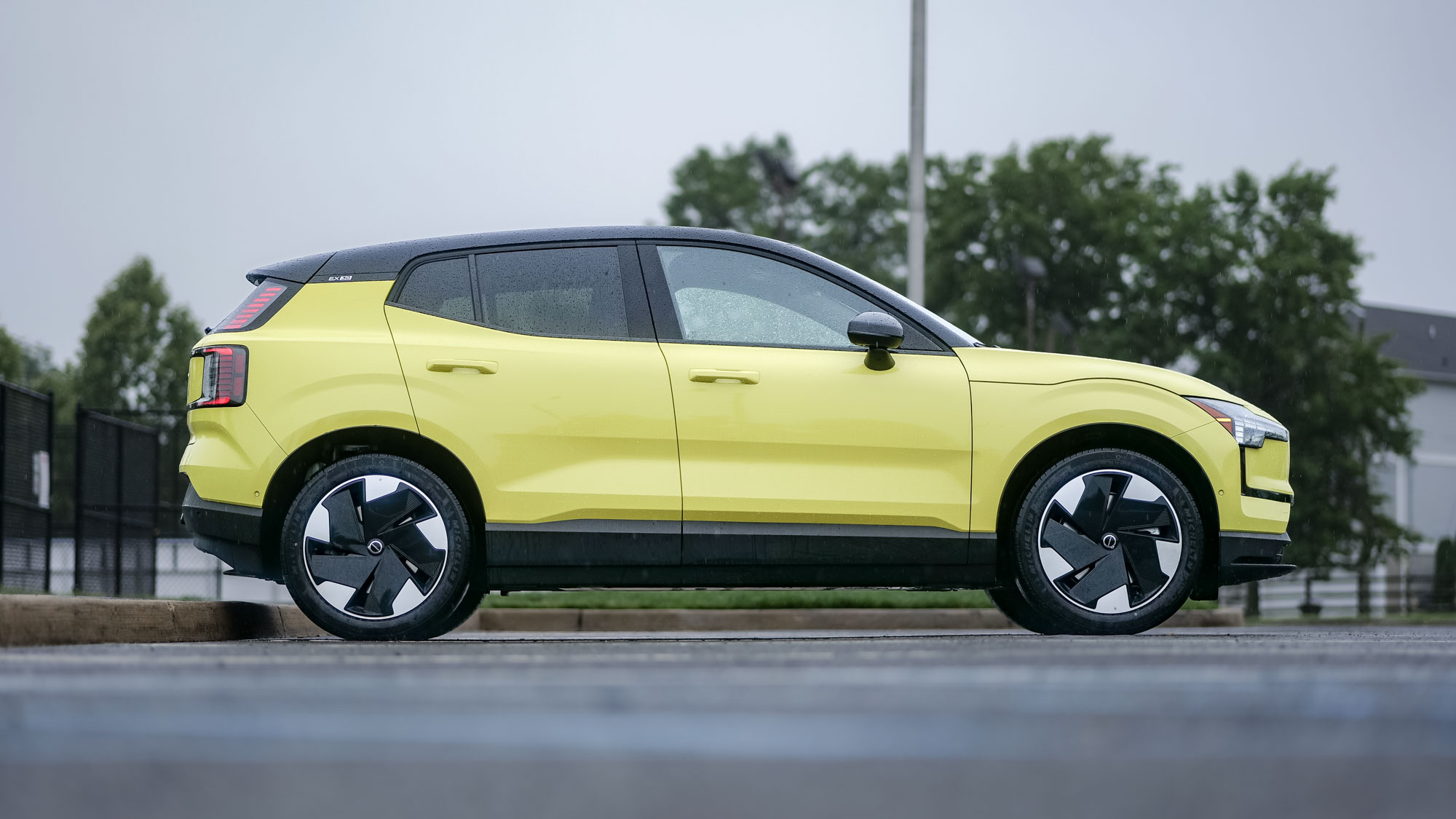
When you practically test out a new car every week like I do, you might think it’s hard picking out a favorite amongst them. I honestly didn’t think much of it at first, but the Volvo EX30 exceeded expectations that no other EV has been able to do before. Without question, the EX30 makes a long lasting impression more than anything else thanks to its zippy performance, ultra minimalist design philosophy, good efficiency, and value.
I previously tested the Volvo EX40 and wasn’t as convinced, but the smaller EX30 is much more fun to drive. For a sub-compact SUV, it has a lot of bite from its AWD dual-motor that delivers a whopping 422 hp performance. It’s like packing heavyweight power in a lightweight frame, so I was surprised by how intense it could be driving.
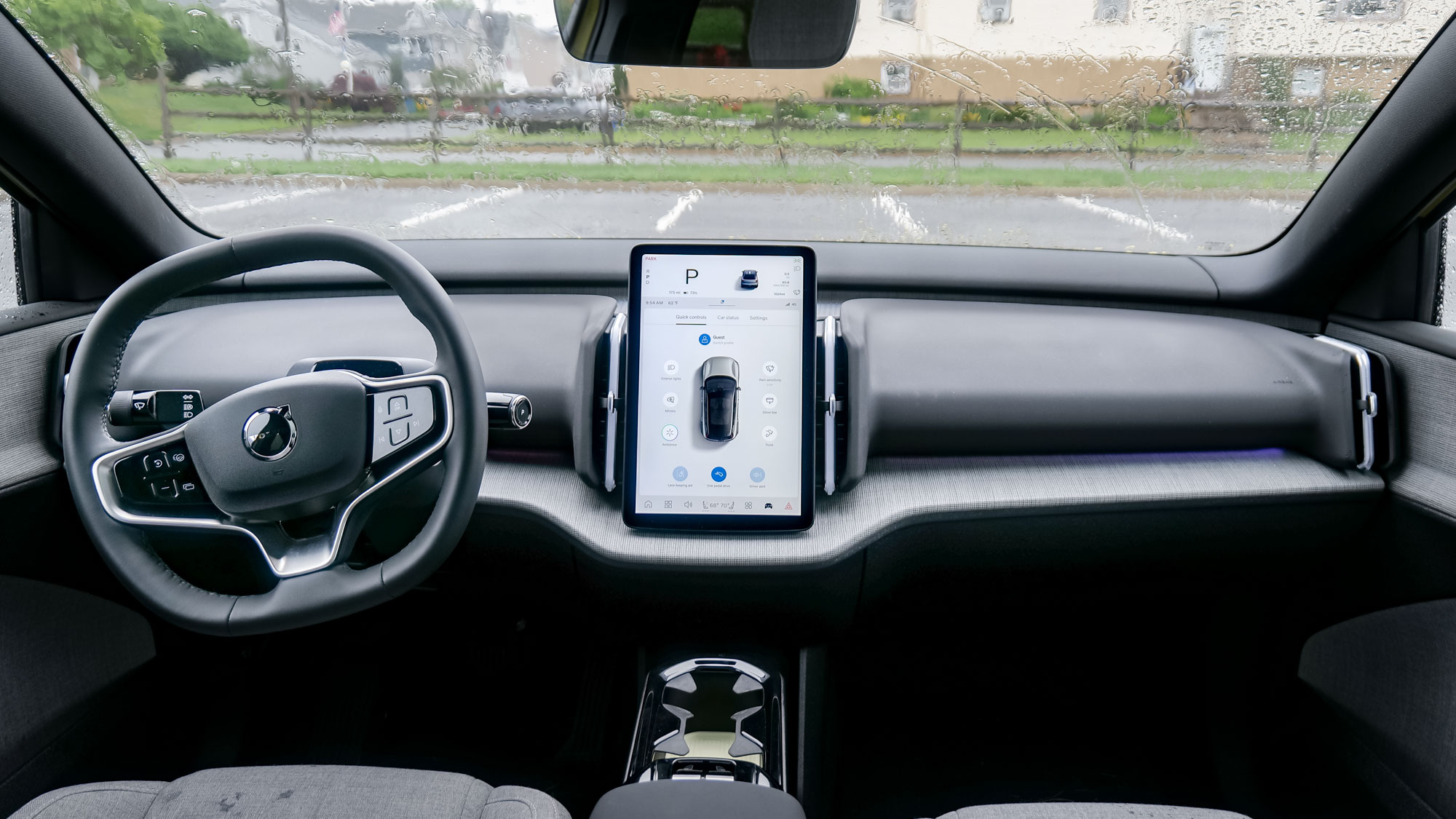
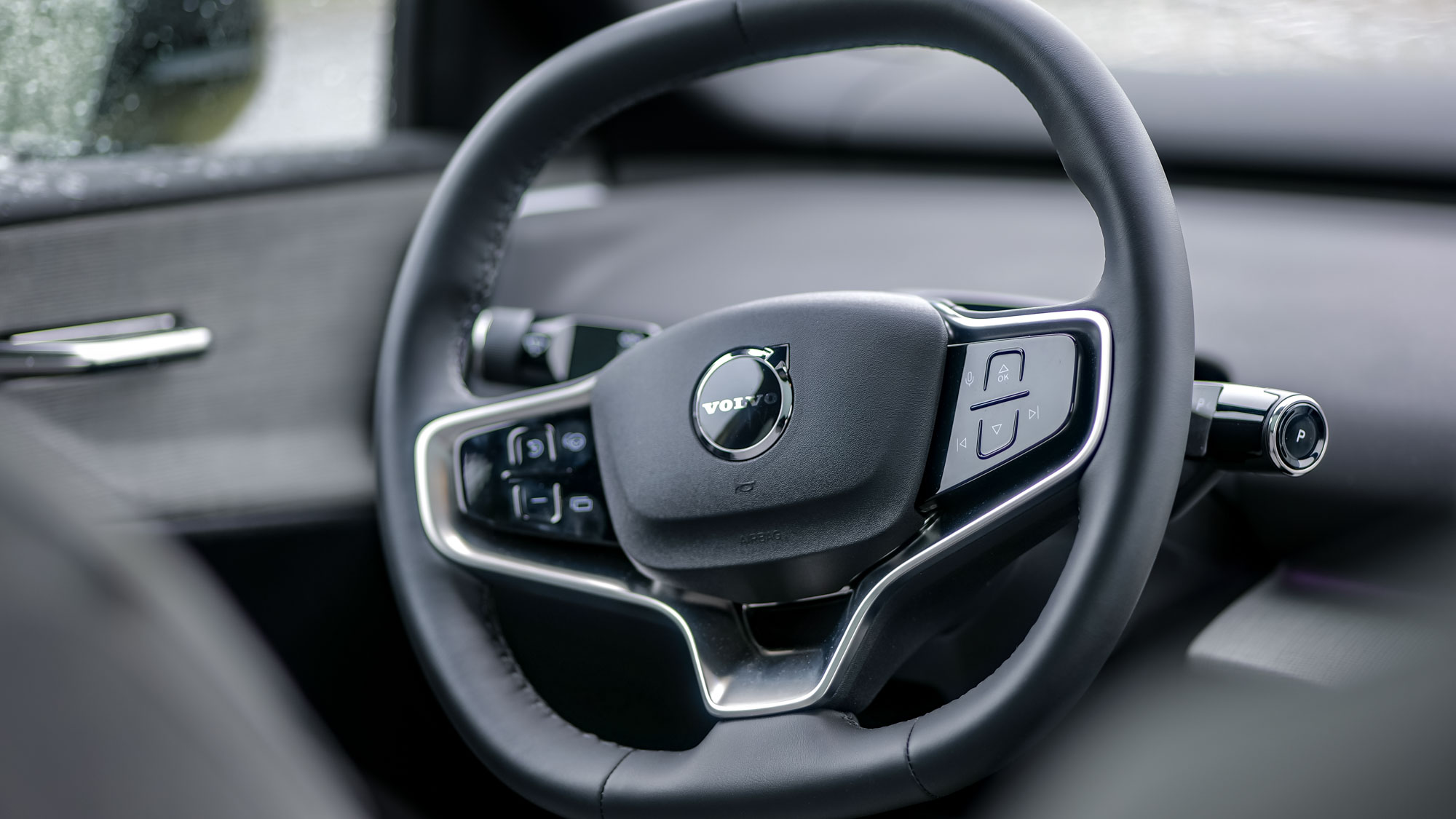
Evenly as impressive is Volvo’s minimalist design philosophy. When I stepped into the driver’s seat, I was blown away by its minimalist design — with only a single touchscreen display positioned in the middle of the dashboard and nothing else. Other small details, like how there are barely any buttons or knobs around the dashboard, show how it’s unlike any other EV on the market.
For its size, it still packs plenty of utility, but I’m impressed by the 3.4 mi/kWh efficiency I got from driving it for a week — and that’s impressive knowing I had a lead foot for nearly my entire time testing it. While its range isn’t as long, I’d happily make the compromise because of its efficiency, fast charging speed, and peppy driving performance.
Best of all, it’s not outrageously priced like many of the EVs on the market. Honestly, it’s the most refreshing EV I’ve tested in the last year.
Read our full Volvo EX30 review.
The best crossover EV
Image 1 of 8
 (Image credit: Tom’s Guide / John Velasco)
 (Image credit: Tom’s Guide / John Velasco)
 (Image credit: Tom’s Guide / John Velasco)
 (Image credit: Tom’s Guide / John Velasco)
 (Image credit: Tom’s Guide / John Velasco)
 (Image credit: Tom’s Guide / John Velasco)
 (Image credit: Tom’s Guide / John Velasco)
 (Image credit: Tom’s Guide / John Velasco)
2. Subaru Solterra
Specifications
Price Tested: $47,480
Range: 278 miles
0 to 60: 5 seconds
Drive: AWD
Average Efficiency: 4.2 mi/kWh
Level 1 Charging Speed: 3.82 mi/hr
Reasons to buy+
Remarkably good efficiency
+
NACs charging port
+
Sleek design
+
Responsive driving performance
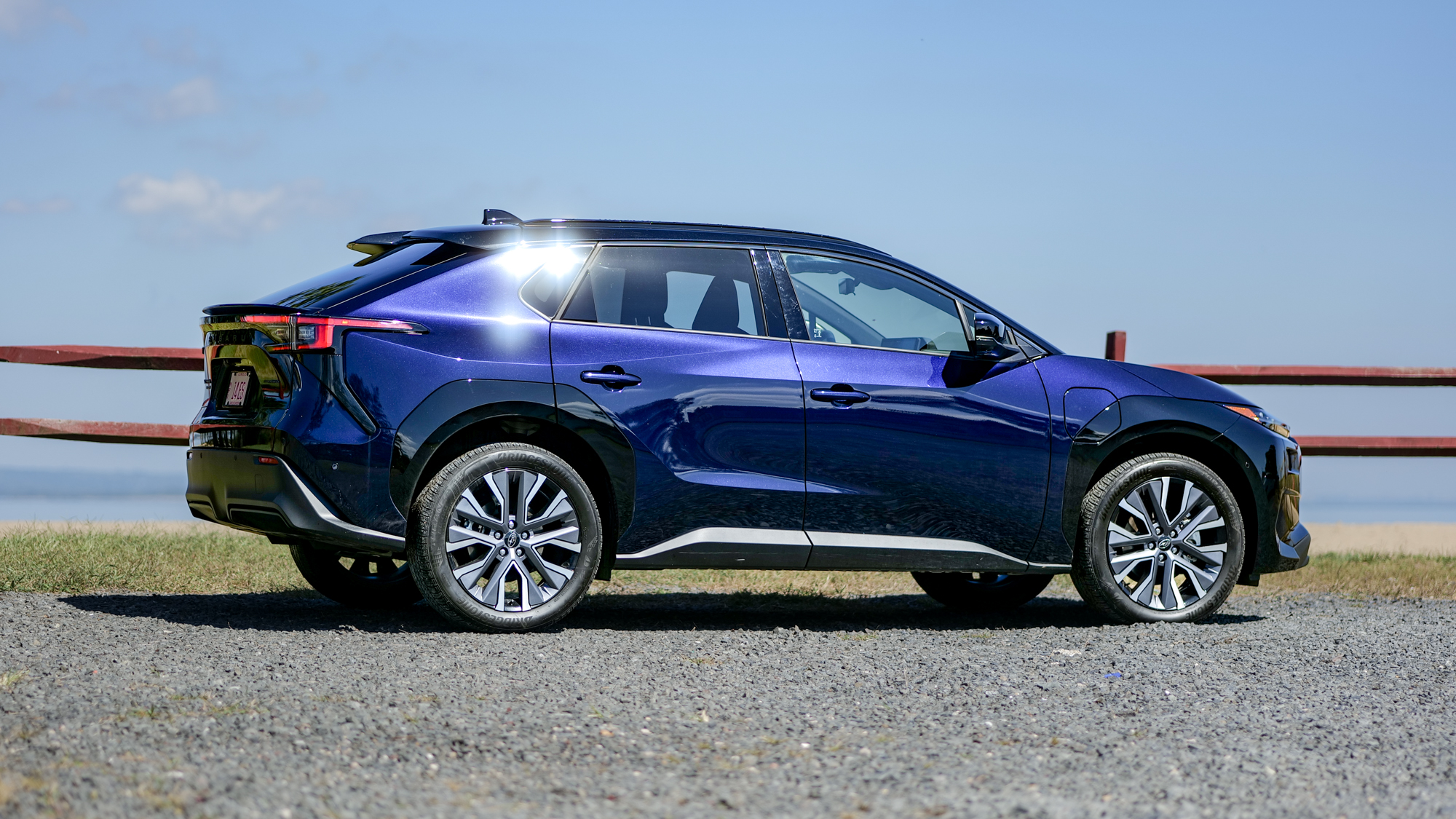
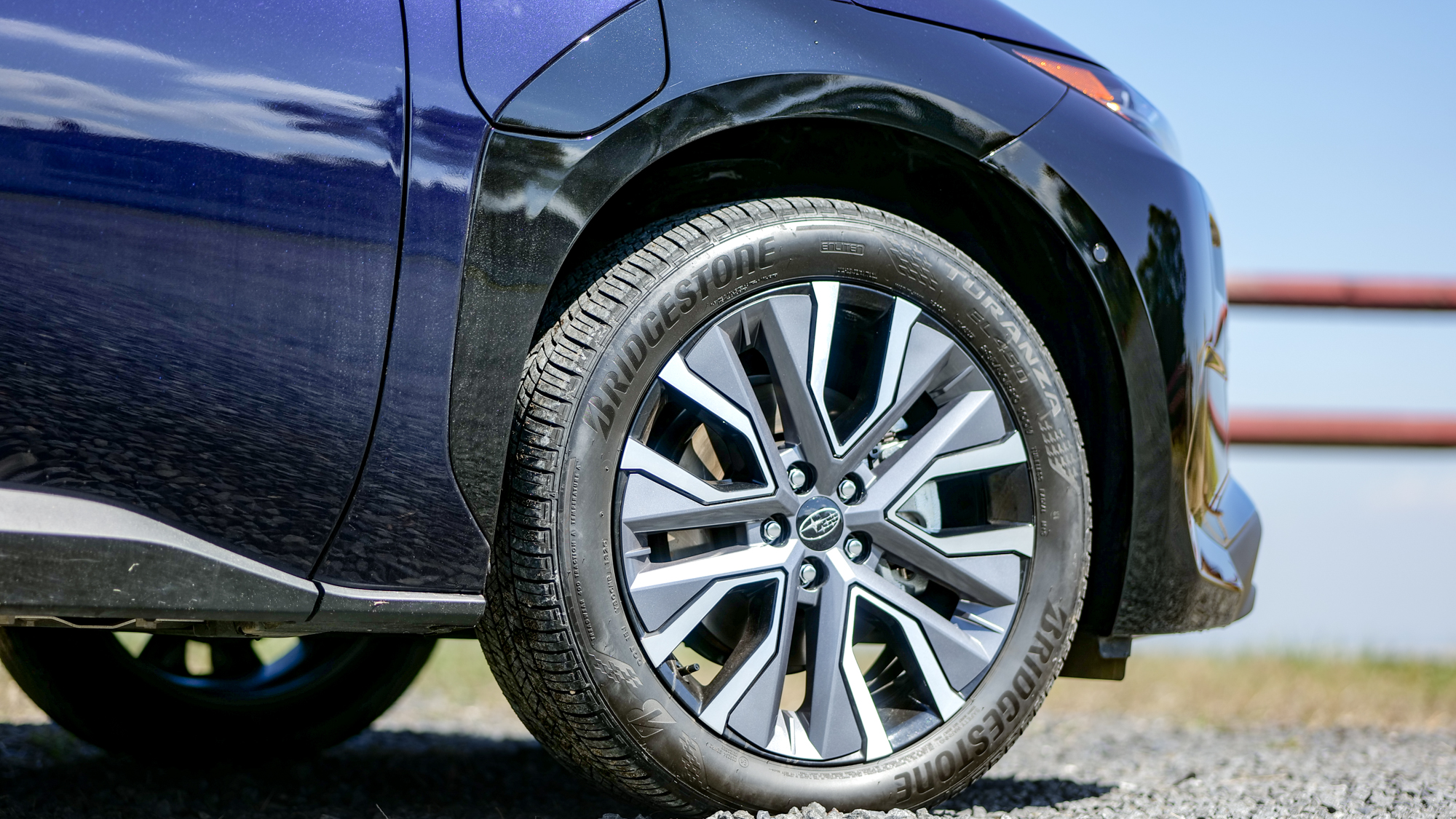
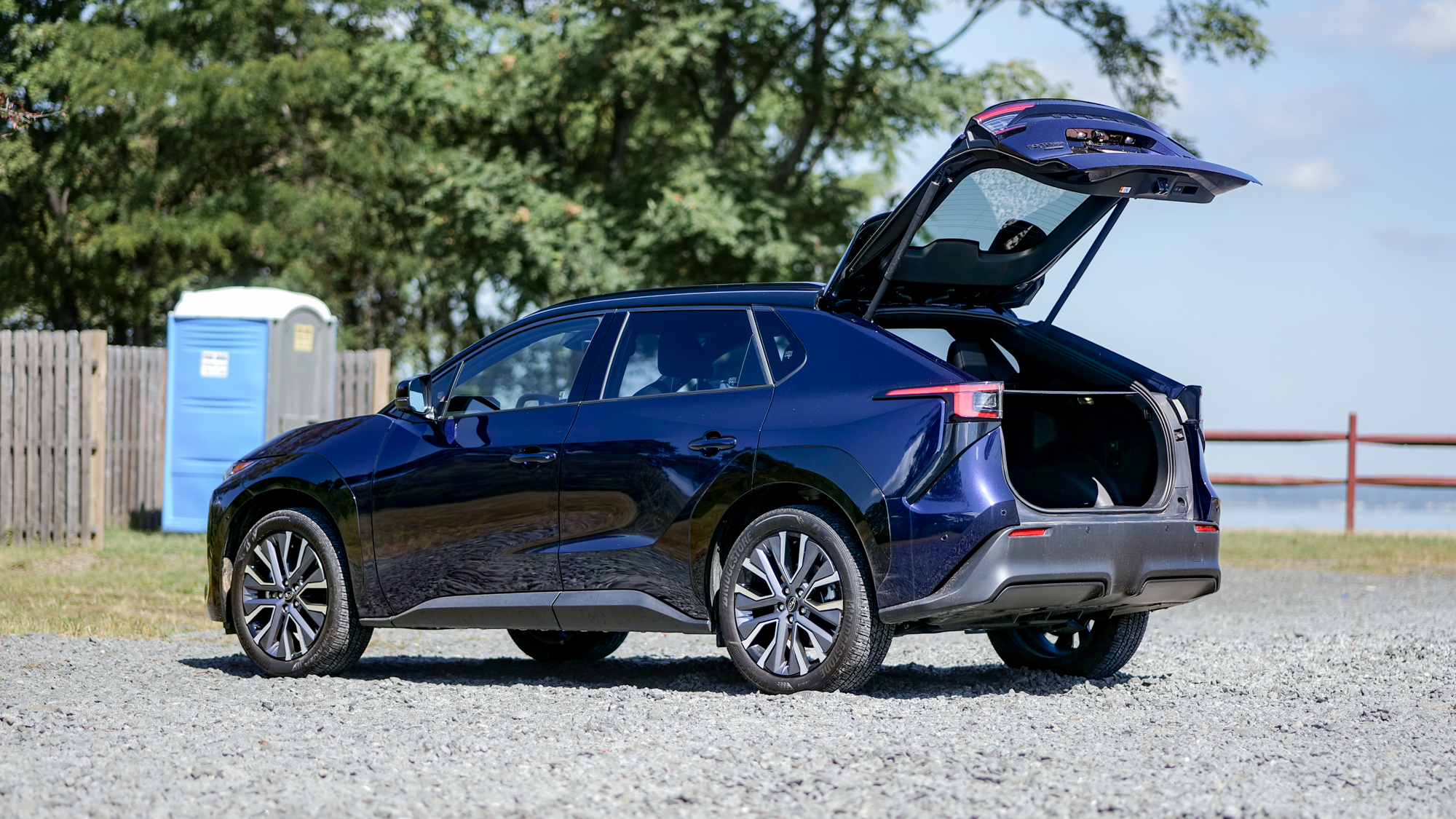
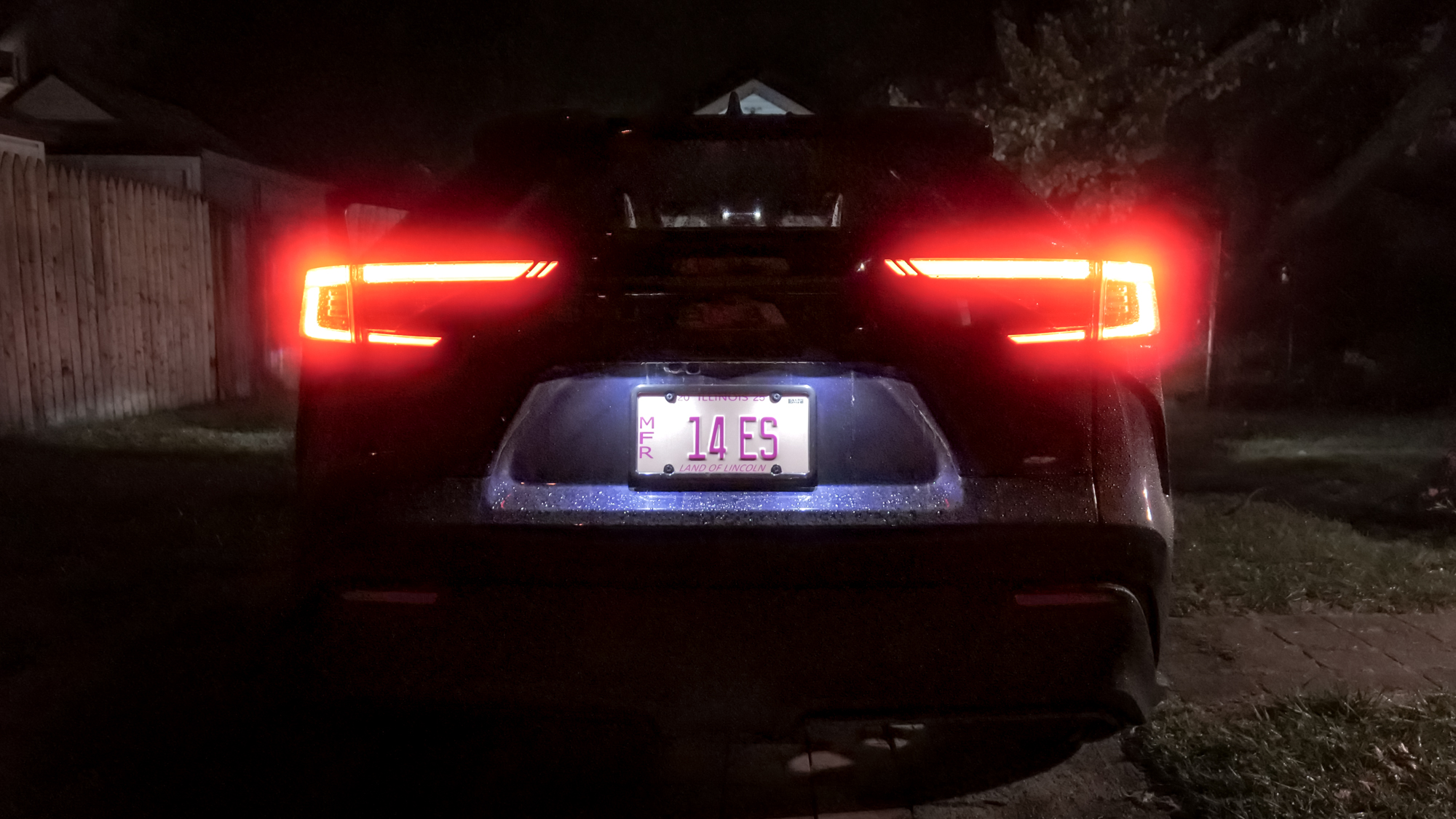
I wasn’t that impressed when I first drove the Subaru Solterra, but the 2026 model is the most improved EV model. Nearly everything about it is an improvement, including its price, which is shockingly affordable at $47,480 for the Touring XT trim I drove for a week.
The Subaru Solterra is the best crossover EV because of how it offers a spacious interior paired with excellent handling. What I’m most impressed about is the 4.2 mi/kWh efficiency I averaged, which is a substantial improvement over the 2.9 mi/kWh I got with the previous model. Not only is it efficient, but it’s also one of the fastest with Level 1 charging — which benefits from a more futureproof NACs charging port.
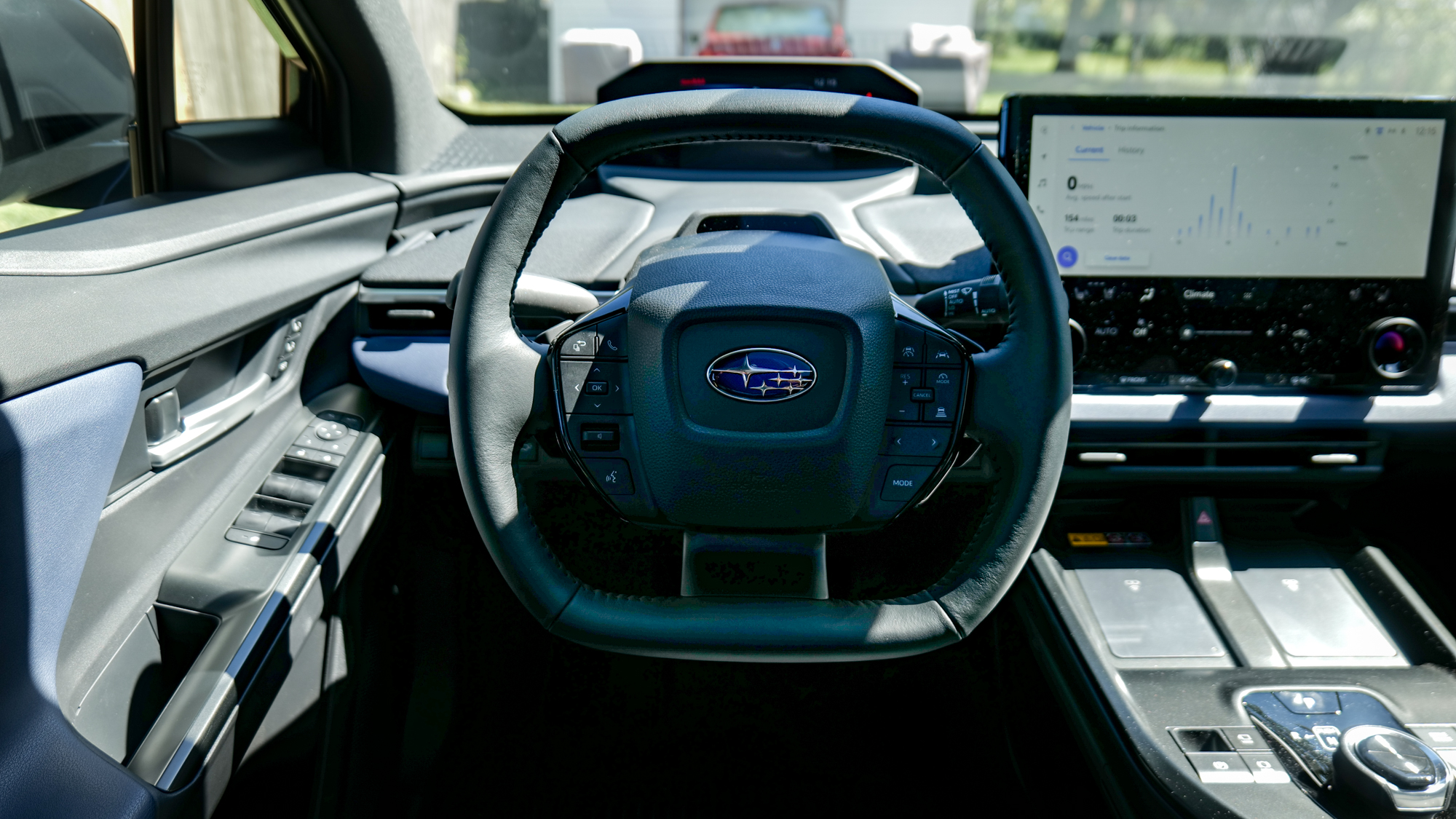
Throw in dual wireless phone chargers, a responsive driving performance on ECO mode, and ample storage, you’ll get a ton of utility out of the Solterra. It also helps that it has a sleeker design, too.
Read our full Subaru Solterra review.
The most efficient EV
Image 1 of 8
 (Image credit: Tom’s Guide / John Velasco)
 (Image credit: Tom’s Guide / John Velasco)
 (Image credit: Tom’s Guide / John Velasco)
 (Image credit: Tom’s Guide / John Velasco)
 (Image credit: Tom’s Guide / John Velasco)
 (Image credit: Tom’s Guide / John Velasco)
 (Image credit: Tom’s Guide / John Velasco)
 (Image credit: Tom’s Guide / John Velasco)
3. Hyundai Kona Electric
Specifications
Price Tested: $39,880
Range: 230 miles
0 to 60: 6.8 seconds
Drive: FWD
Average Efficiency: 4.3 mi/kWh
Level 1 Charging Speed: 3.96 mi/hr
Reasons to buy+
Class-leading efficiency
+
Super affordable
+
Fun to drive
+
Sporty aesthetics
Reasons to avoid-
Tight legroom in back seats
–
Cheaper plastic around the dashboard
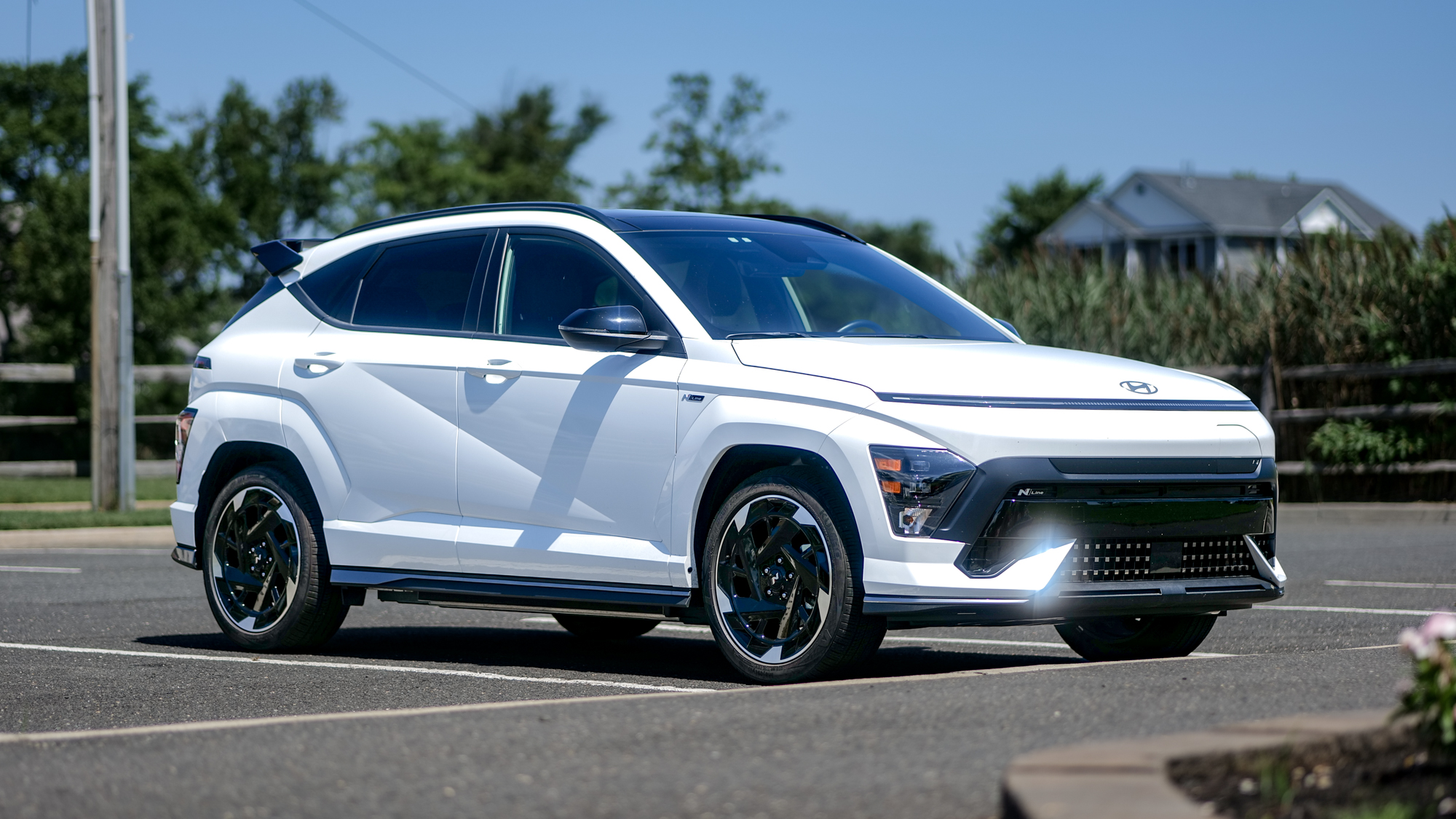
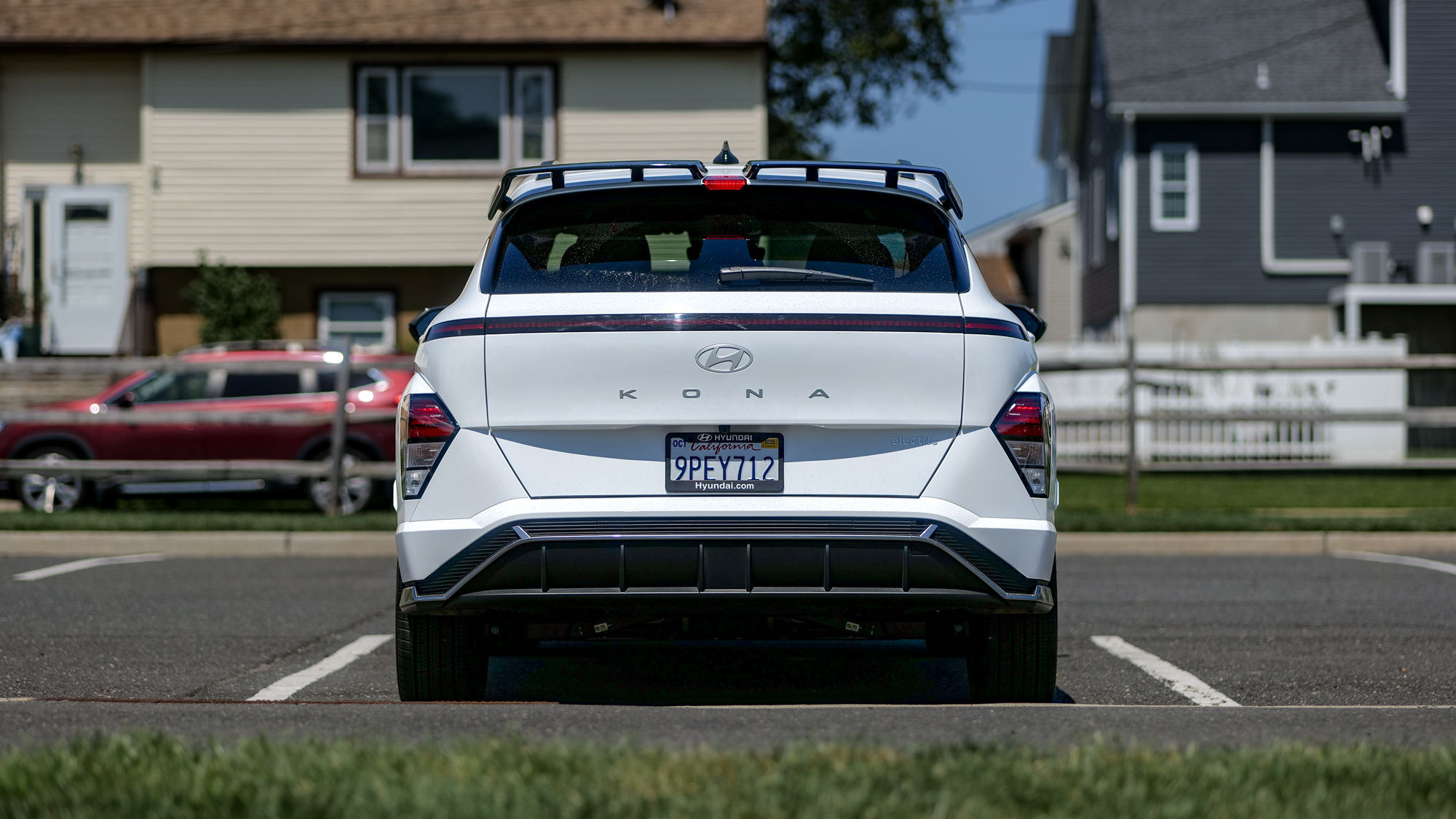
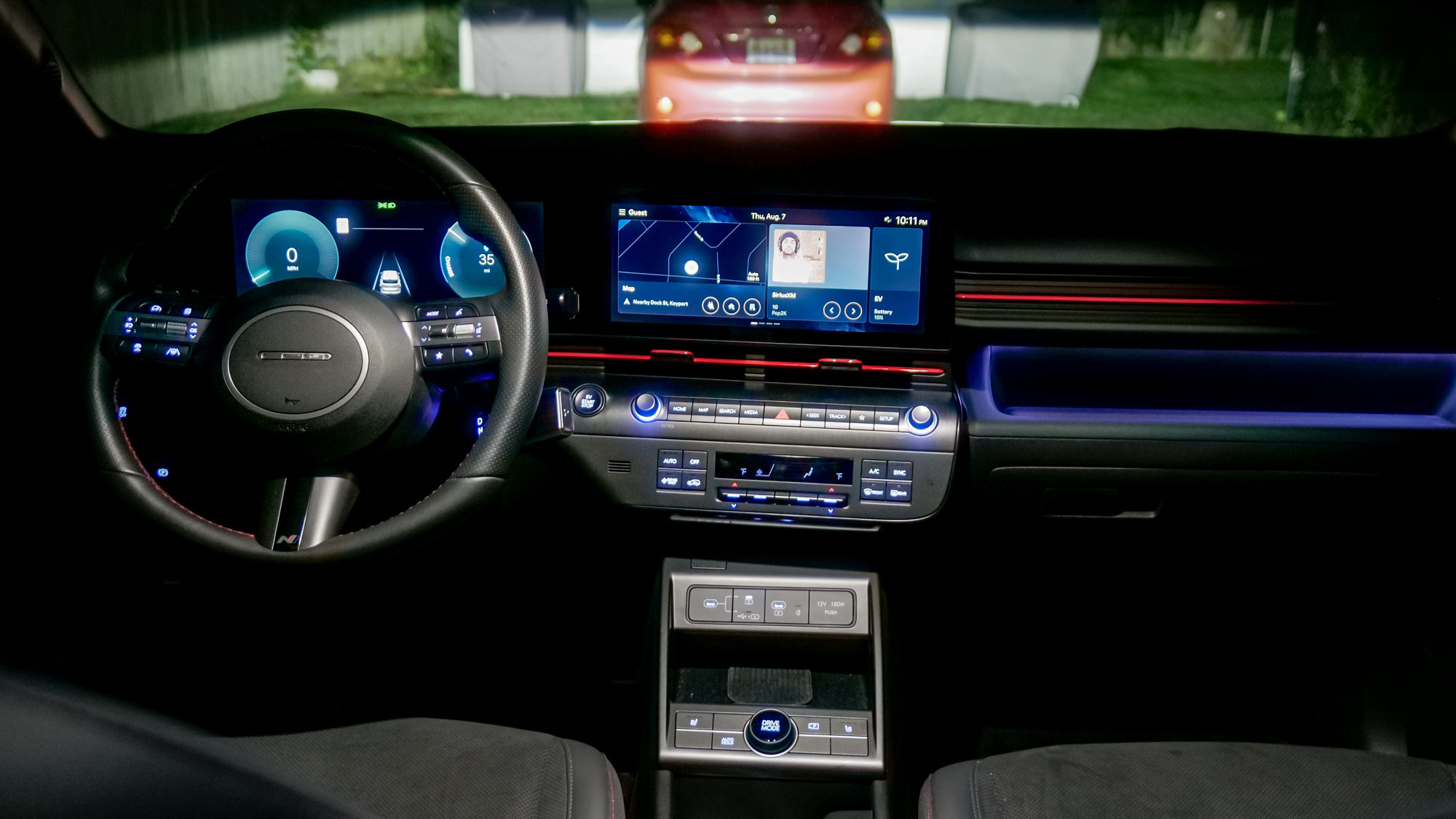
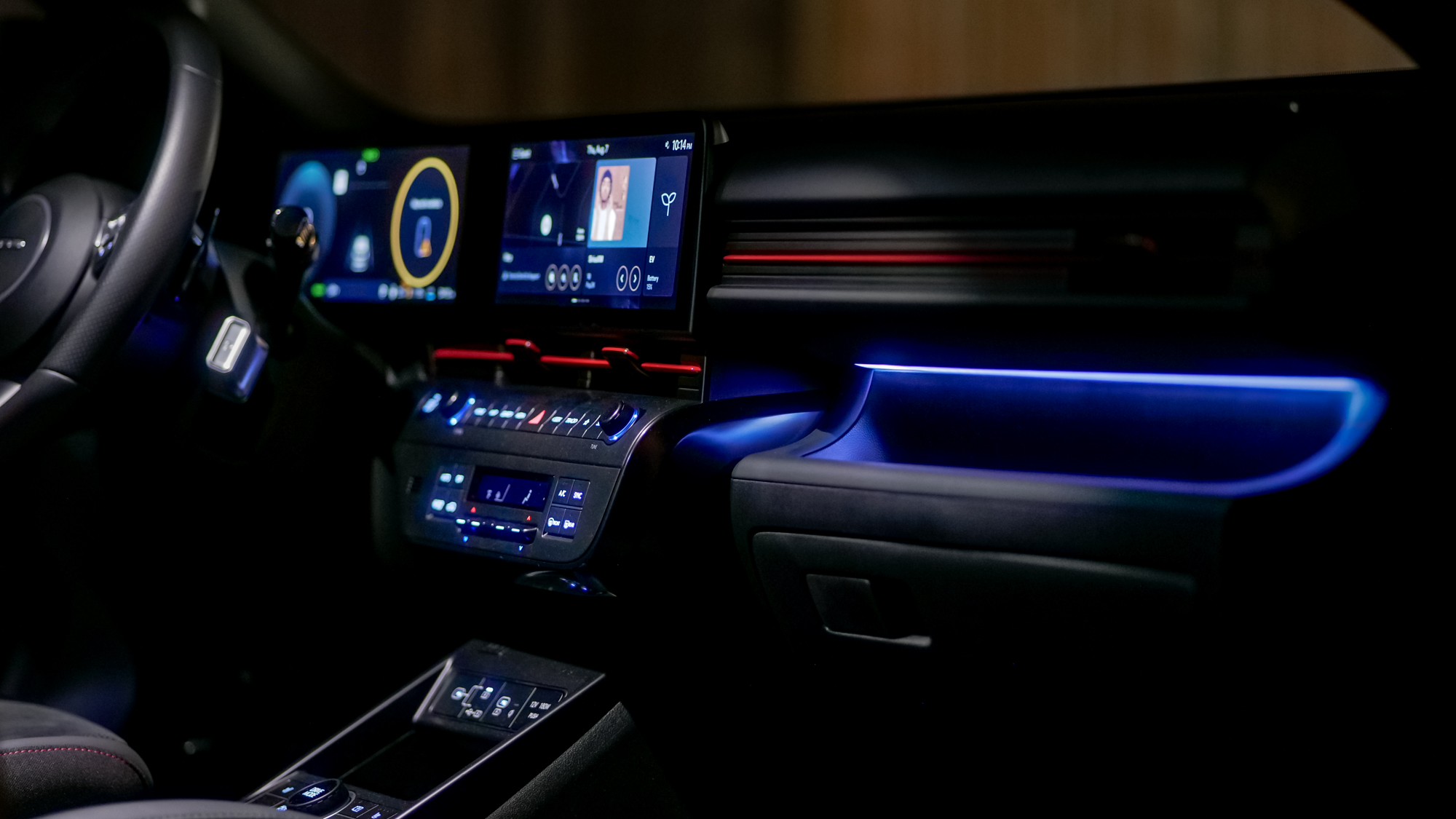
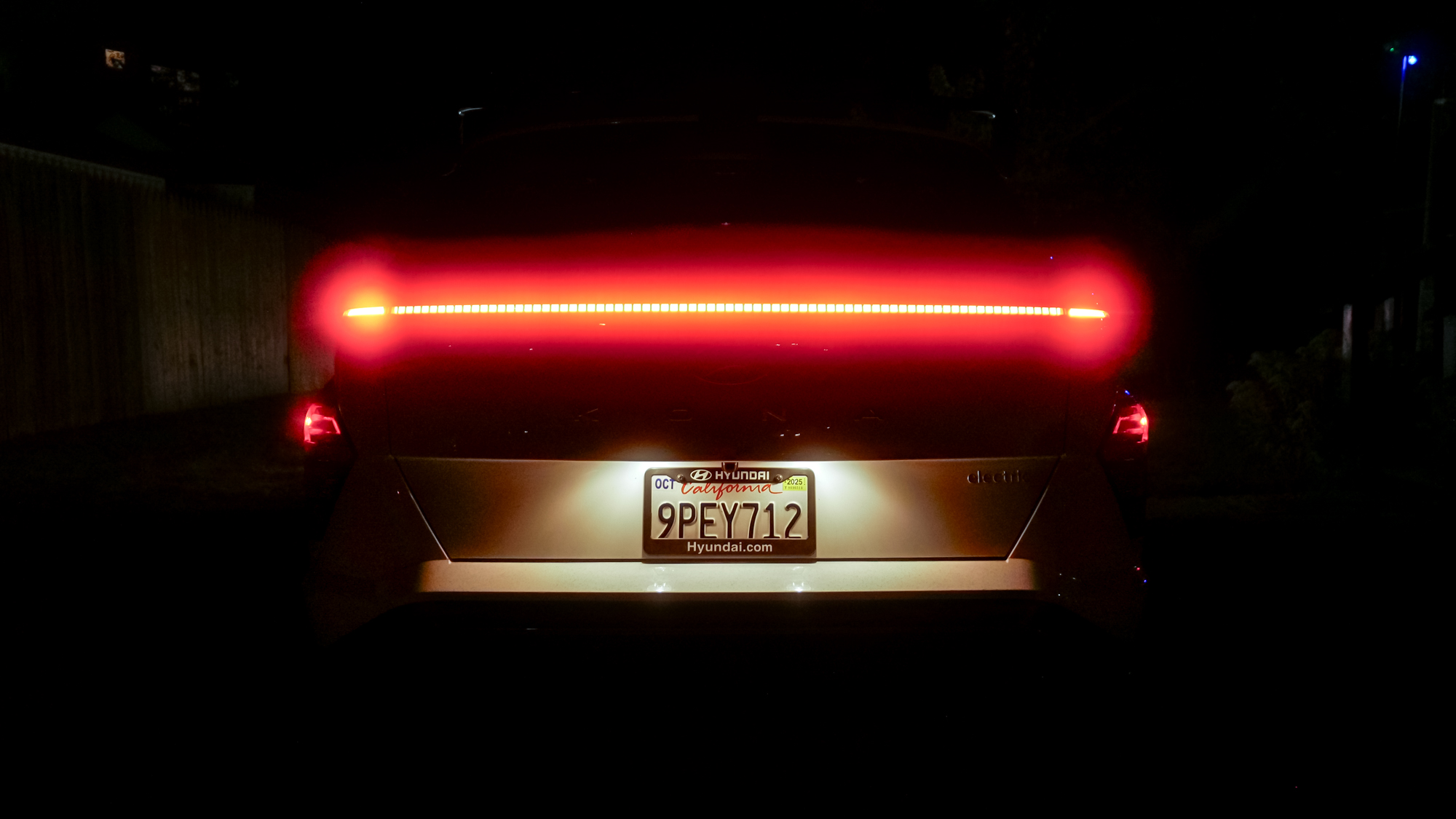
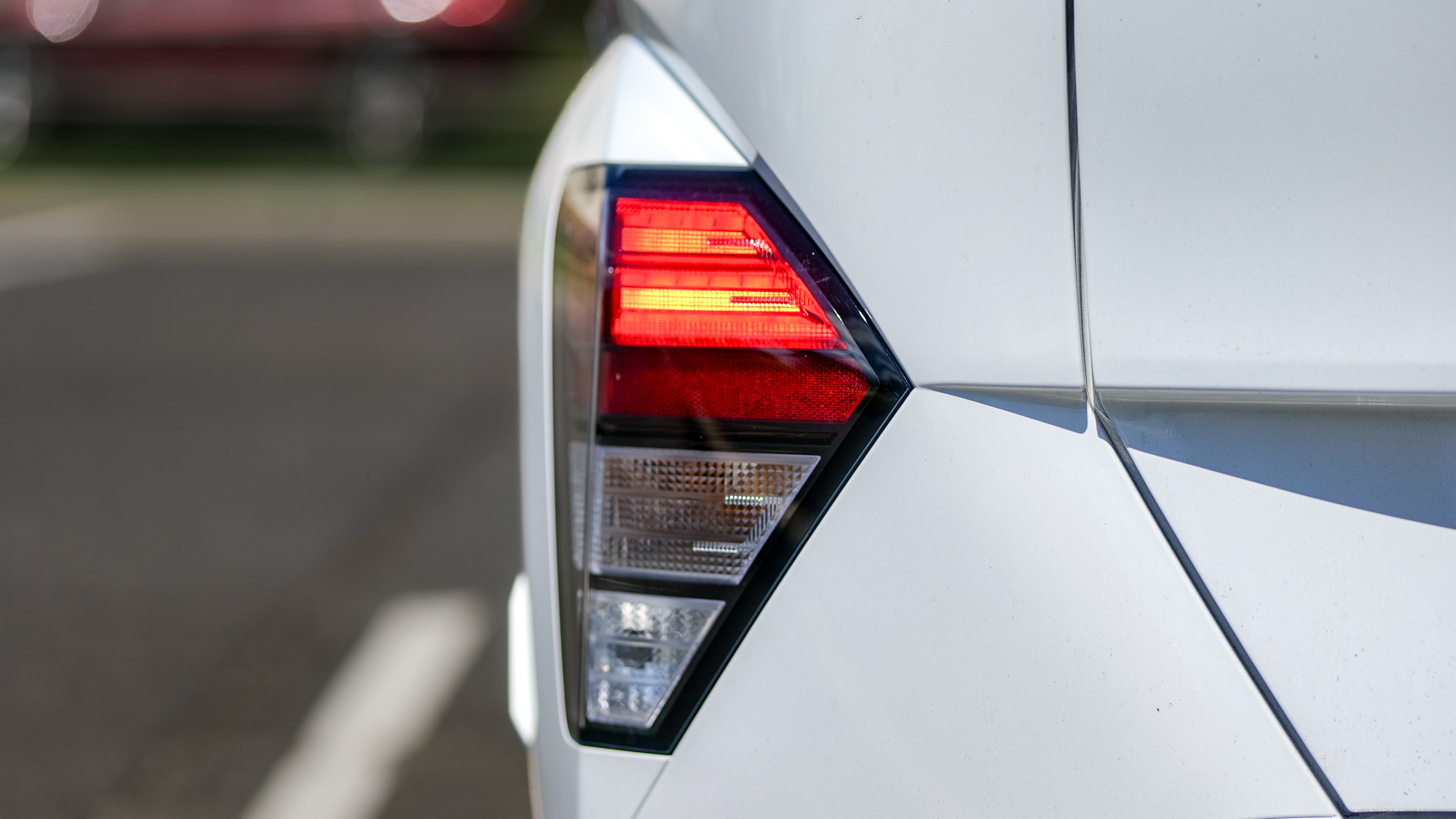
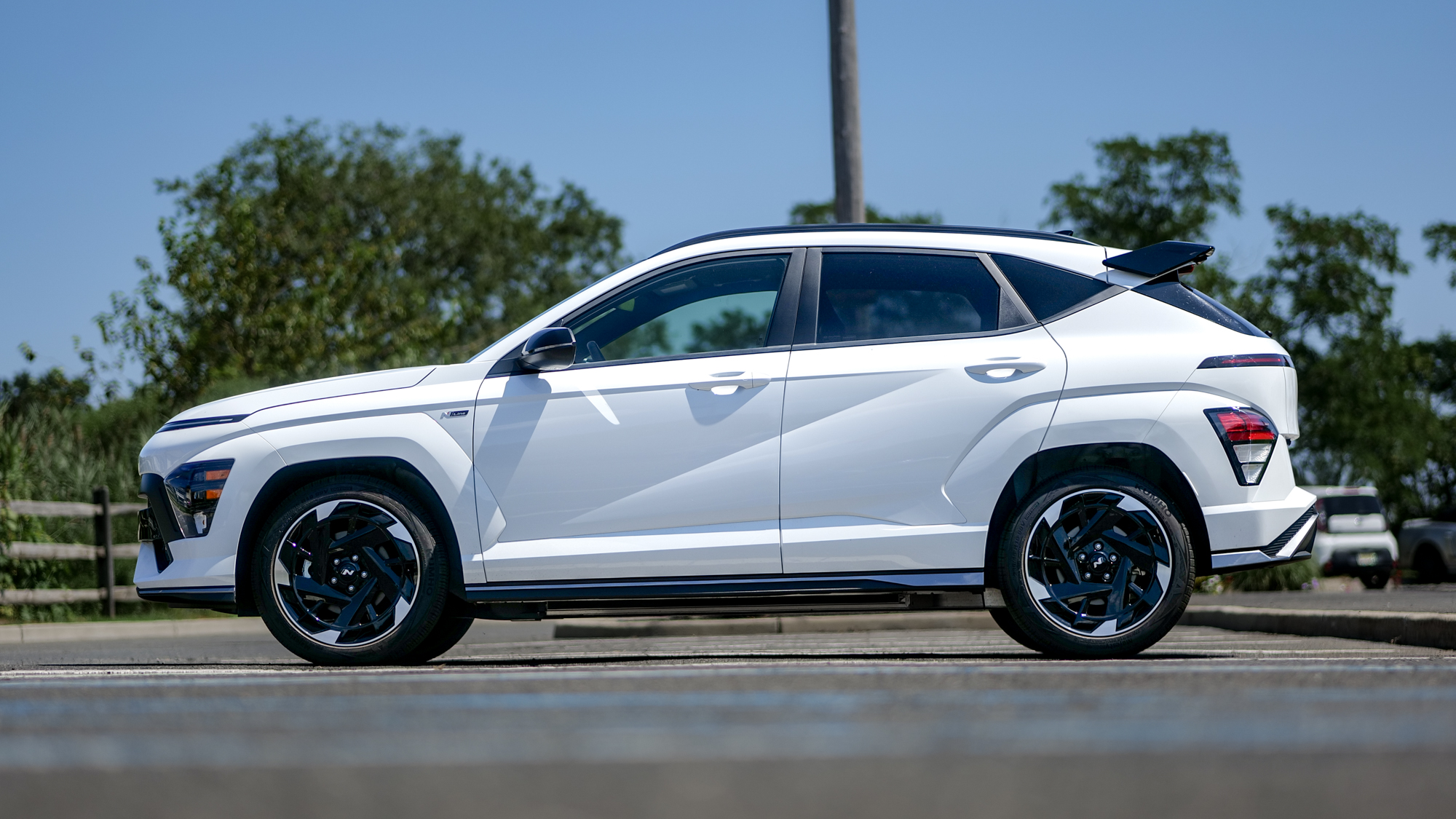
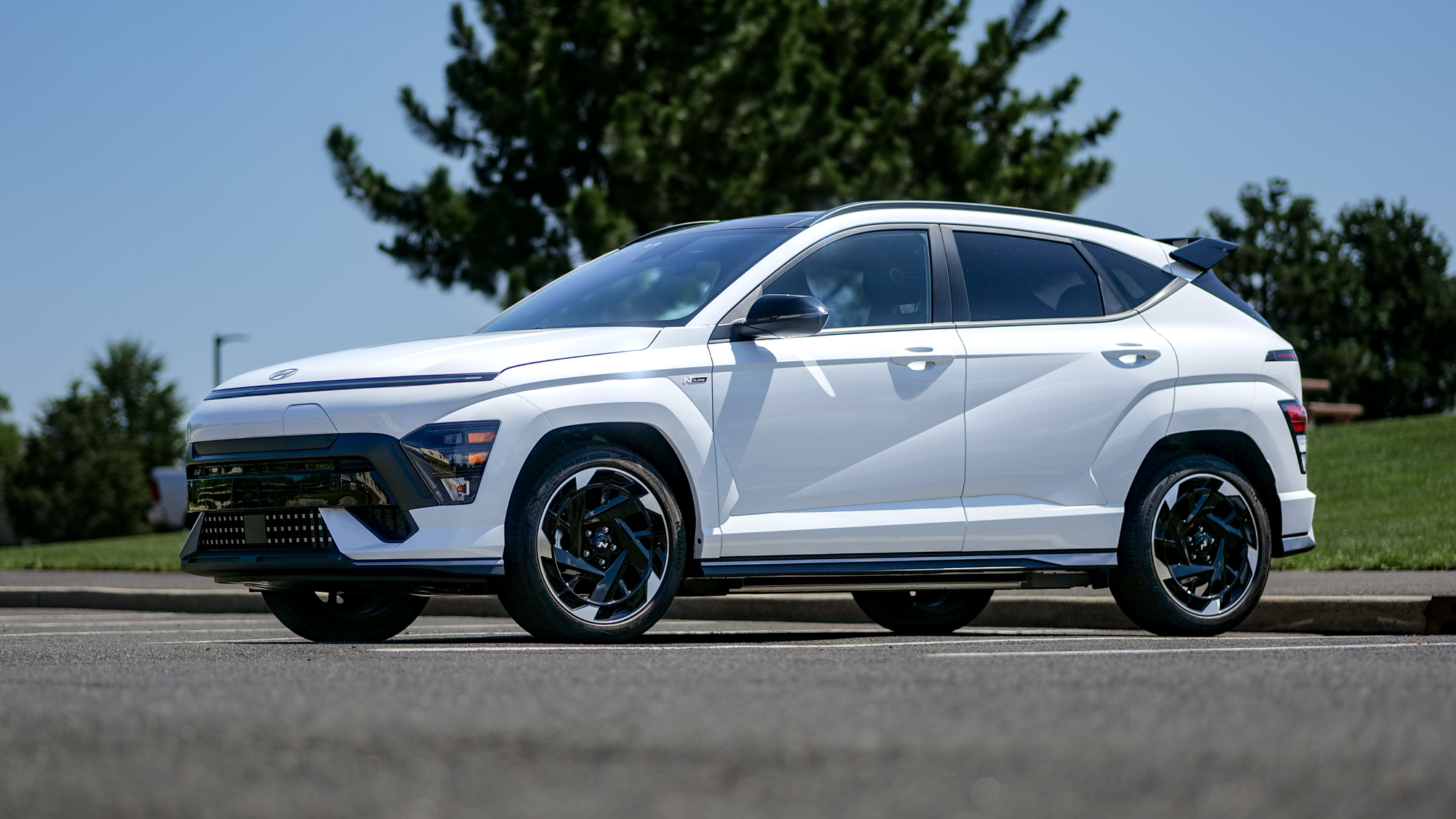
One of the most important metrics that add value to an EV is its efficiency, the measurement of a battery with driving. The Hyundai Kona Electric N-Line leads the pack for the last year in this area due to the 4.3 mi/kWh efficiency I got from driving it for an entire week. Essentially, the Kona Electric proves how small batteries can still yield outstanding range.
Part of how it’s able to achieve outstanding efficiency is that it packs a FWD Permanent-Magnet Synchronous Motor that delivers a 201 hp performance. That might not sound powerful compared to other EVs, but it doesn’t strain the 64.8 kWh — while still delivering a sporty drive with great responsiveness.
It’s a sub-compact SUV, which means it sacrifices the legroom of the rear seats the most. You could get away fitting smaller children there, but adults will feel squished. Despite this, you get the utility of an SUV to carry larger sized packages by folding down the back seats. Aside from being the most efficient EV, the Kona Electric also has fast Level 1 charging speeds.
Read our full Hyundai Kona Electric review.
The best value electric car
Image 1 of 8
 (Image credit: Tom’s Guide / John Velasco)
 (Image credit: Tom’s Guide / John Velasco)
 (Image credit: Tom’s Guide / John Velasco)
 (Image credit: Tom’s Guide / John Velasco)
 (Image credit: Tom’s Guide / John Velasco)
 (Image credit: Tom’s Guide / John Velasco)
 (Image credit: Tom’s Guide / John Velasco)
 (Image credit: Tom’s Guide / John Velasco)
4. Nissan Leaf
Specifications
Price Tested: $41,930
Range: 259 miles
0 to 60 mph: N/A
Drive: FWD
Average Efficiency: 3.6 mi/kWh
Level 1 Charging Speed: 4.24 mi/hr
Reasons to buy+
Ultra affordable cost
+
Super efficient
+
Refreshing design makeover
+
Electronic glass roof
+
Fast Level 1 charging
Reasons to avoid-
Underpowered in ECO mode
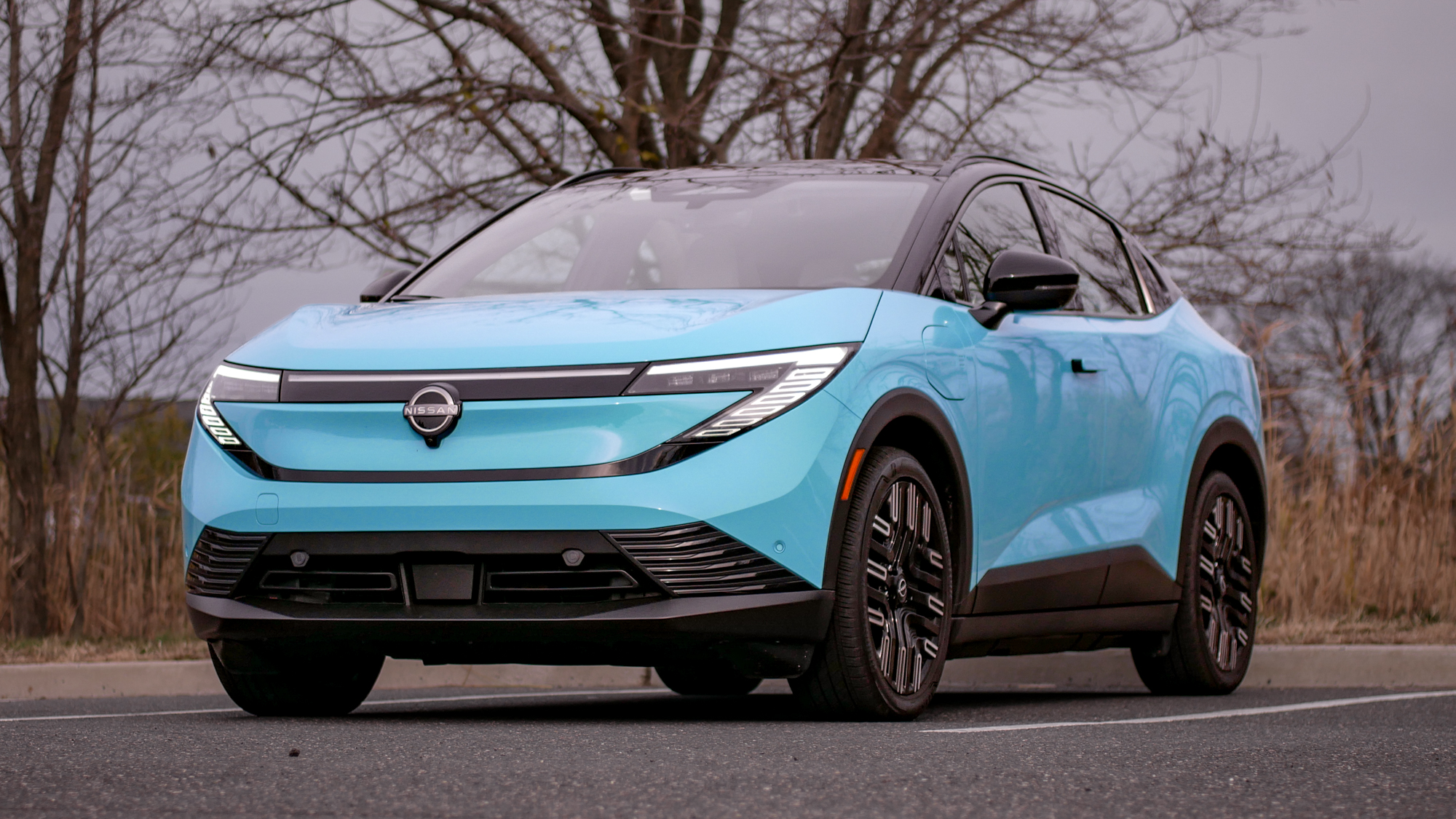
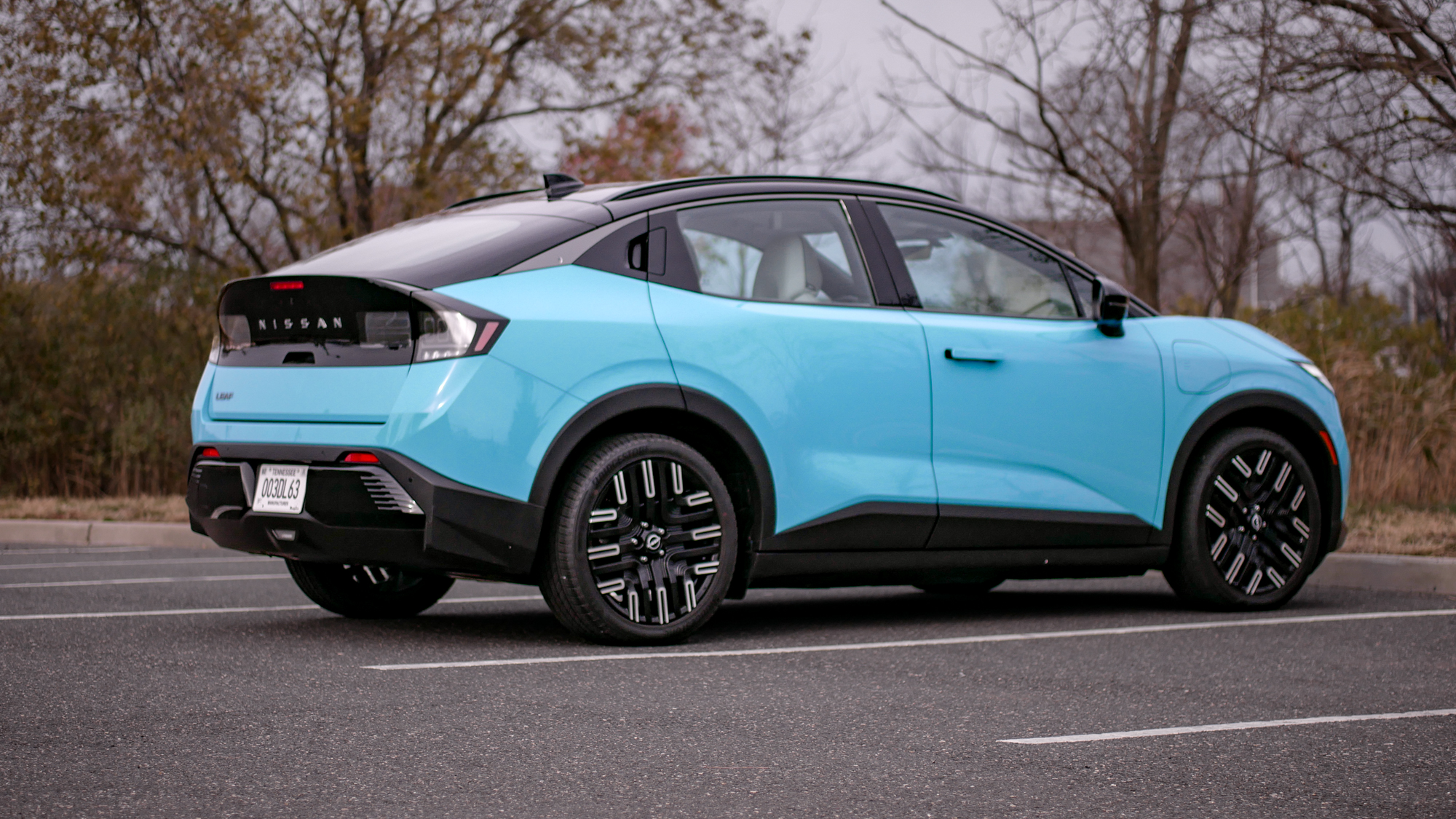
Previously, I mentioned that the Chevrolet Equinox EV was best value you’ll find because of its $33,600 starting price — but Nissan’s new Leaf takes that honor with its well-rounded performance and affordable price.
You’re looking at $29,990 at a base trim, which undercuts the vast majority of electric vehicles on the market. That’s significant when you consider how the average EV still costs about $50,000. I got to drive the Platinum+ FWD trim, which increases the price to $41,930.
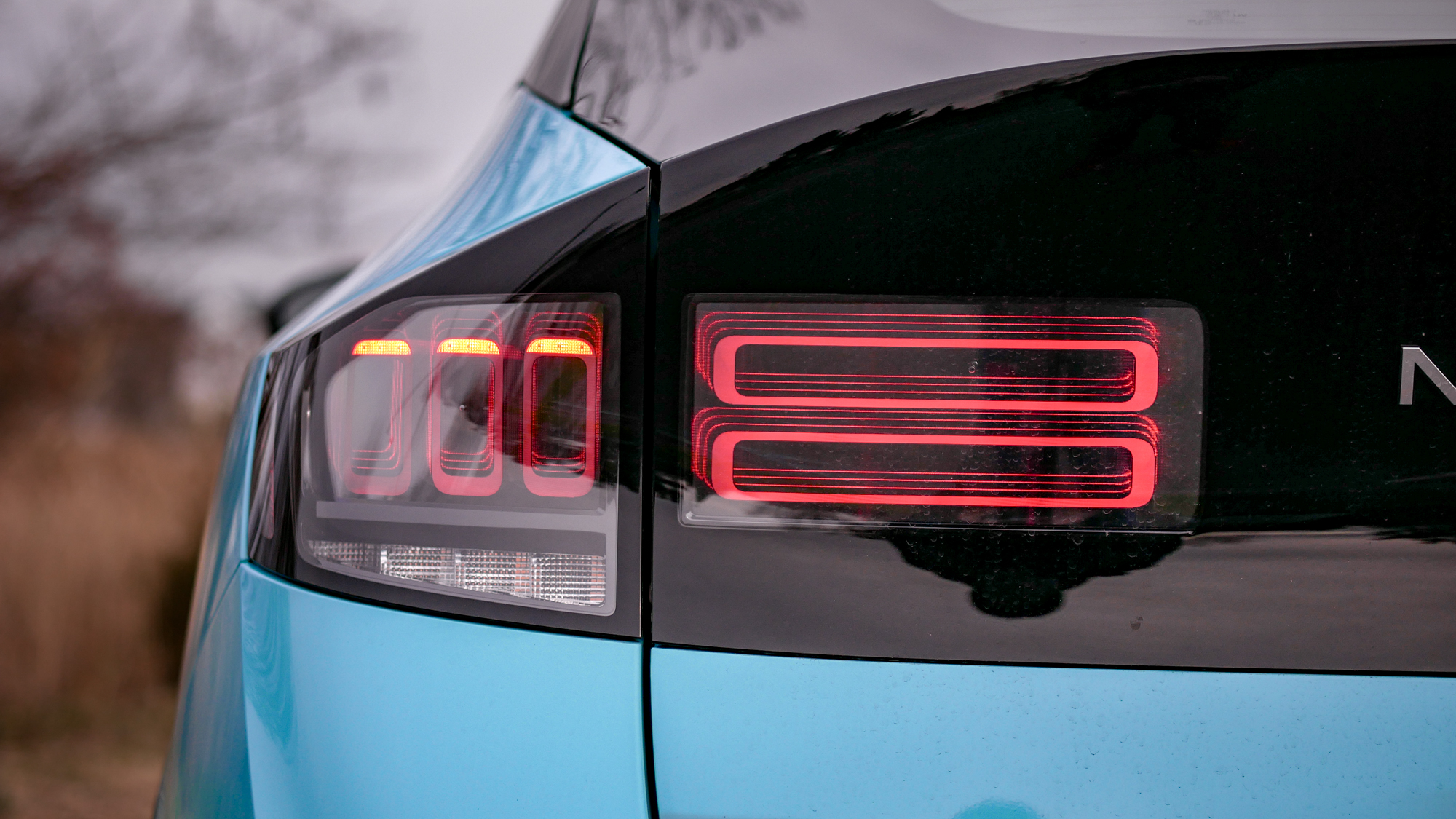
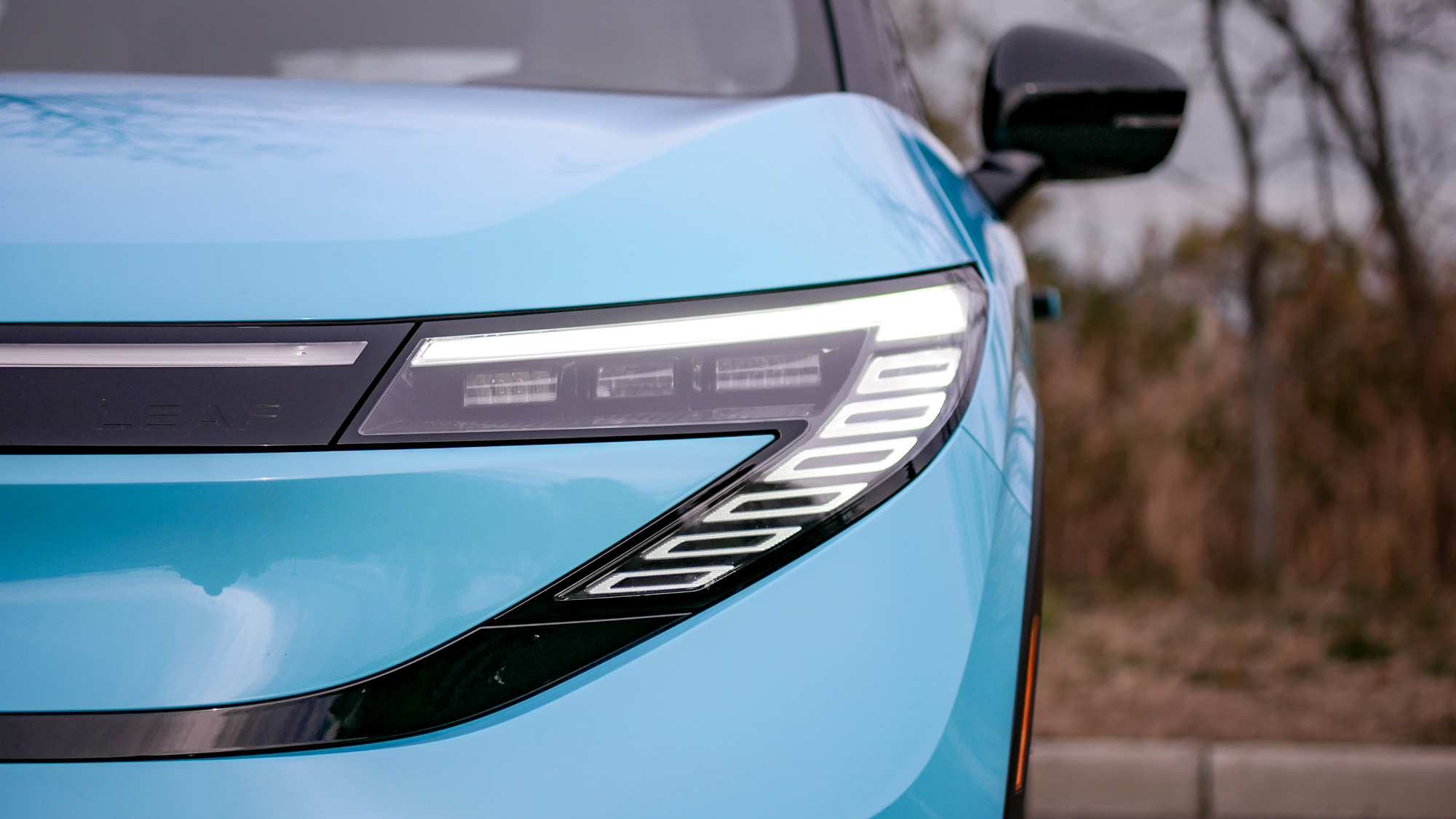
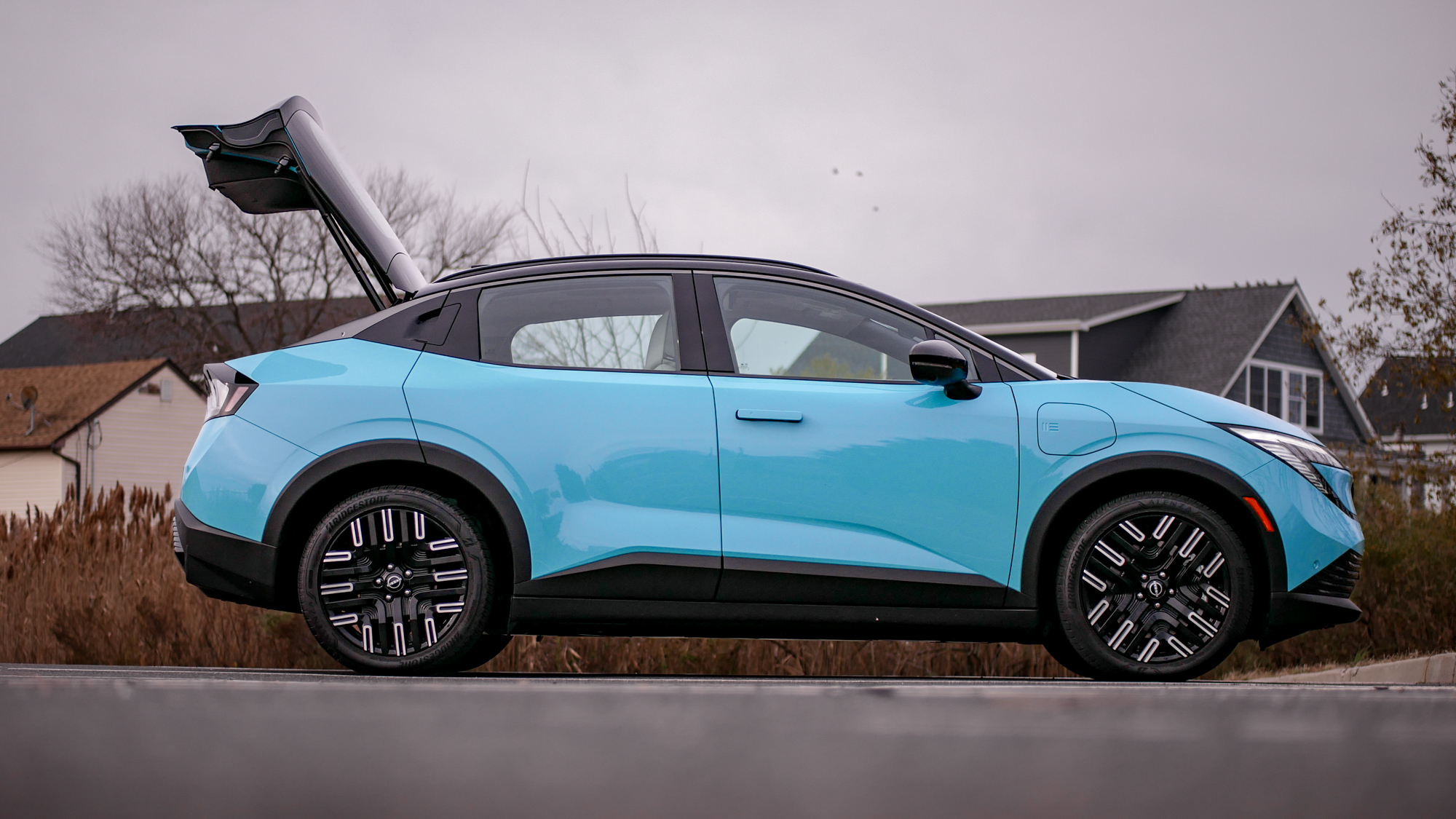
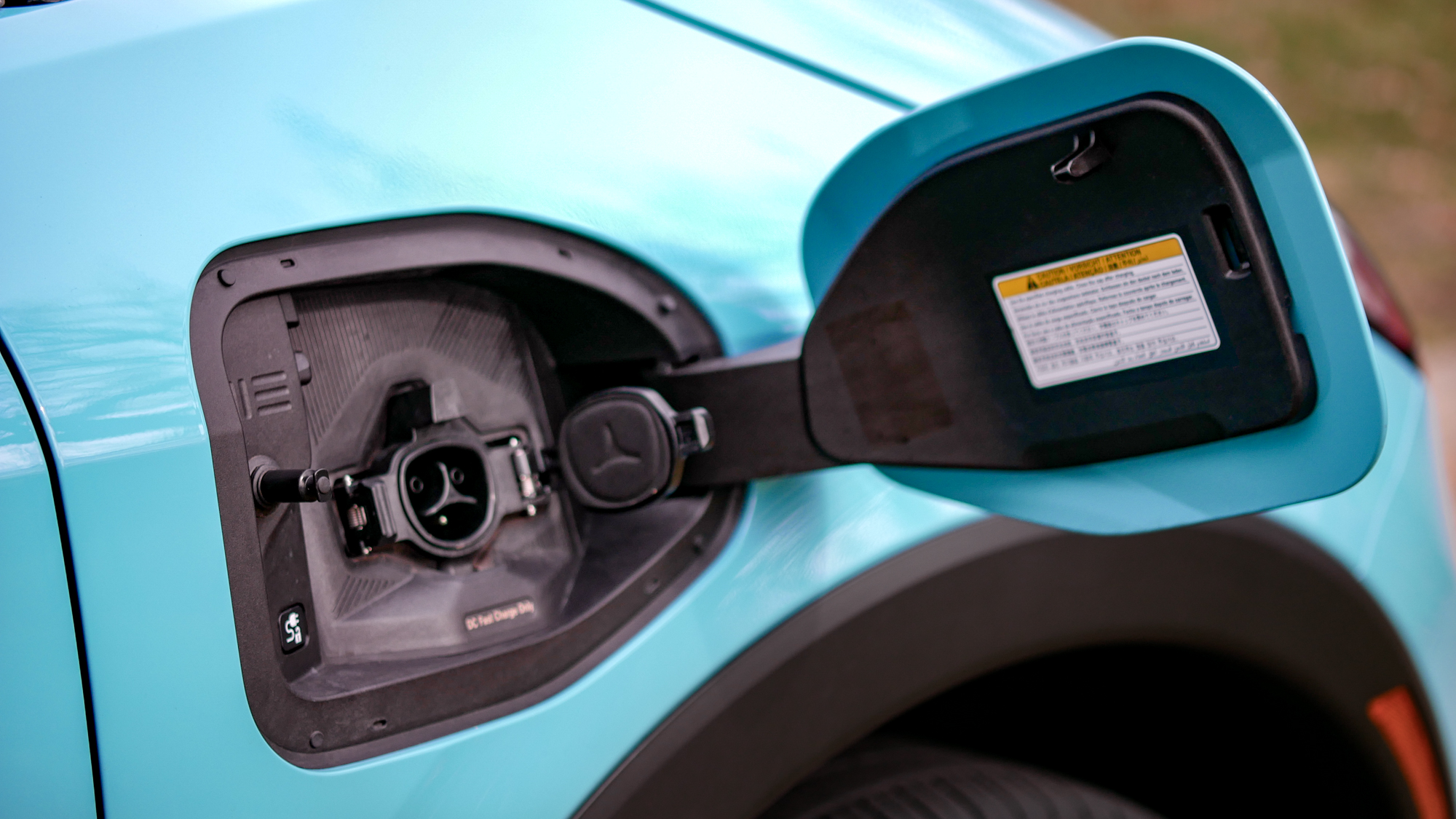
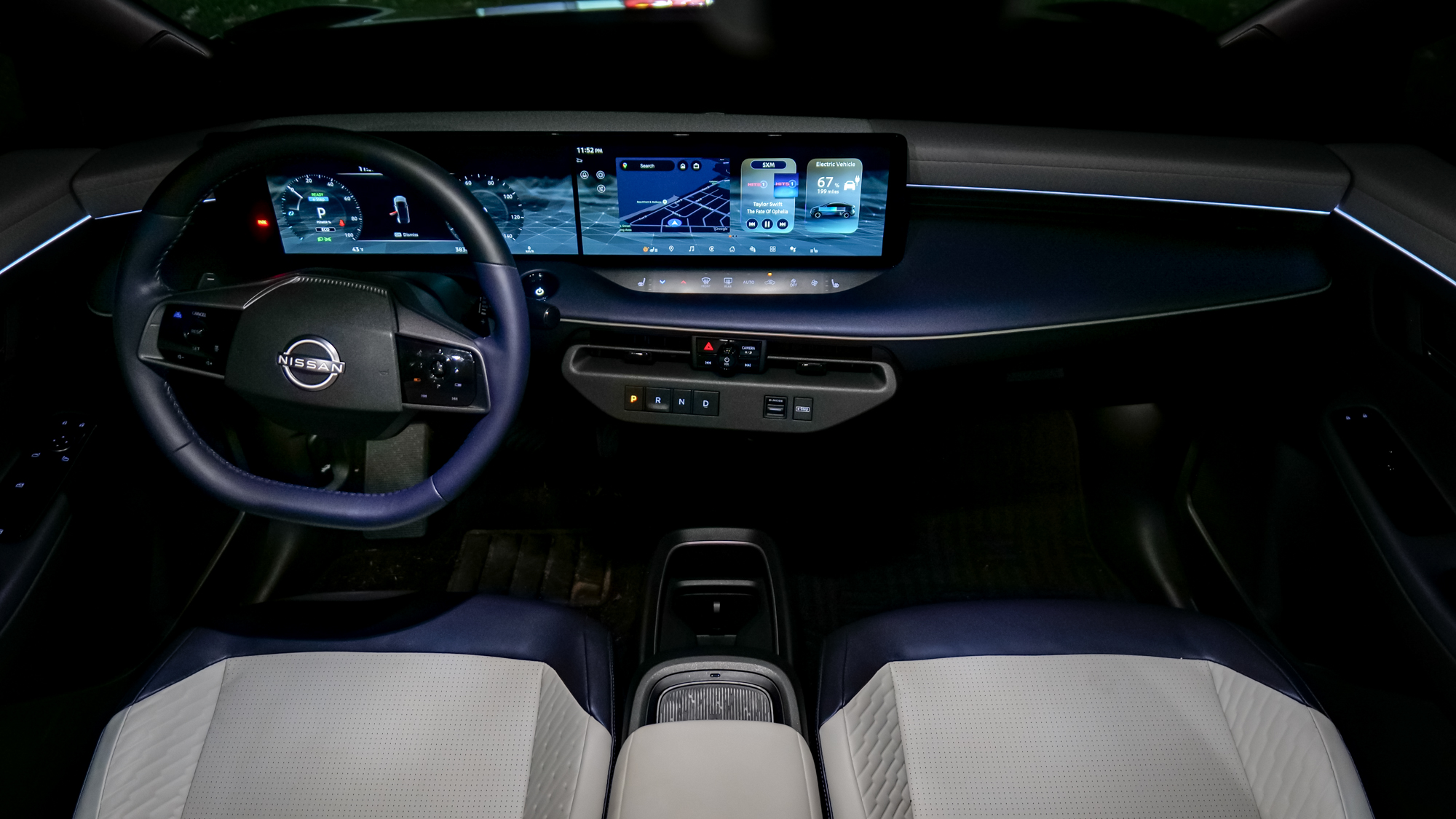
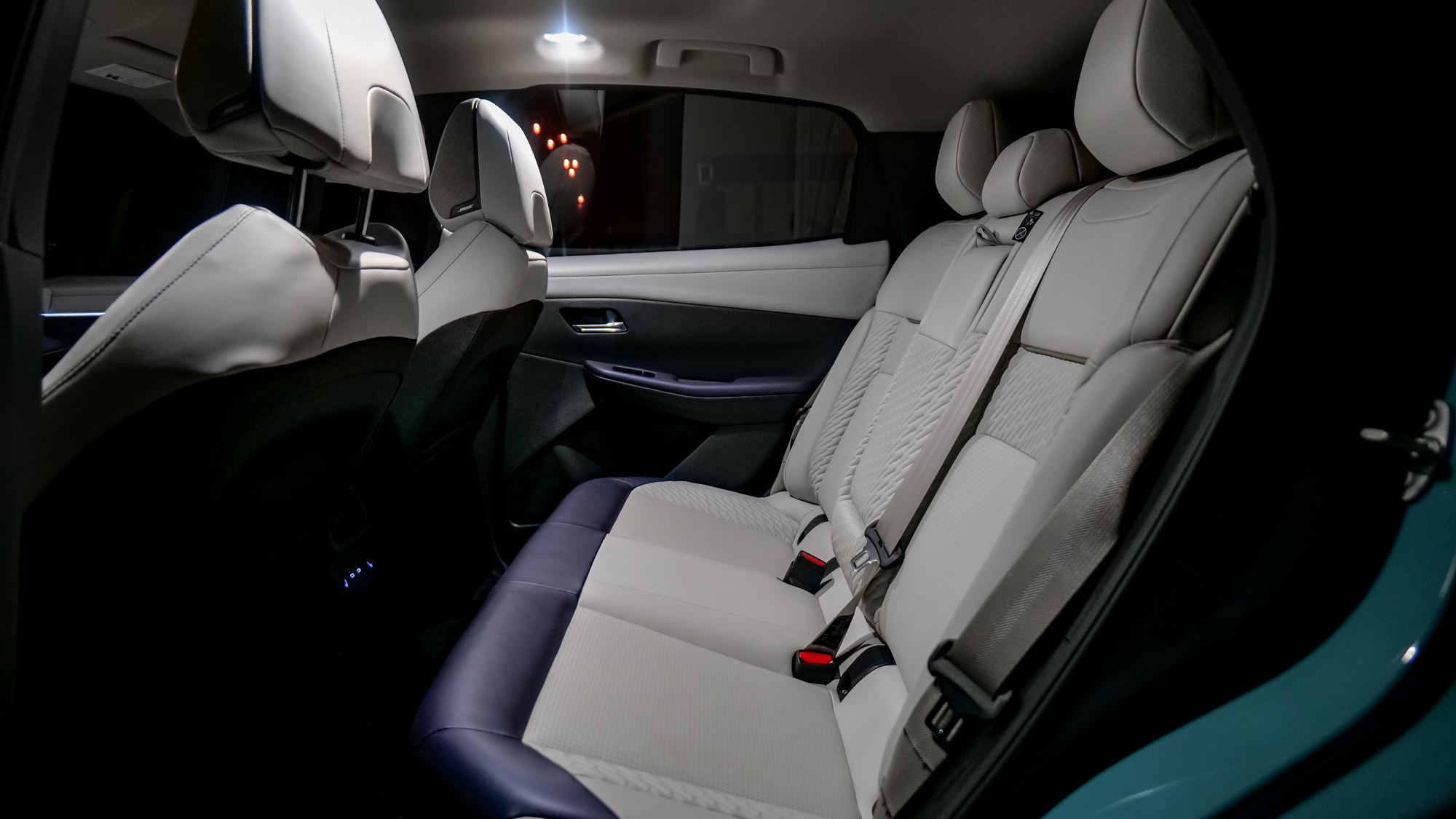
With that, however, it comes with extra premium features that cements the Nissan Leaf as the EV with the most value. You get features such its 3D stacked LED taillights, a 10-speaker Bose audio system, powered lift gate, auto-dimming rearview mirror, heated seats, and the coolest feature of them all: a panoramic glass roof with a neat fading animation.
What helps increase is value is that it’s especially efficient for its size with an average tested efficiency of 3.6 mi/kW — while its 4.24 mi/hr Level 1 charging speed is one of the fastest I’ve clocked in at home.
Read our full Nissan Leaf review.
The best all-electric pickup truck
Image 1 of 8
 (Image credit: Future)
 (Image credit: Future)
 (Image credit: Future)
 (Image credit: Future)
 (Image credit: Future)
 (Image credit: Future)
 (Image credit: Future)
 (Image credit: Future)
5. Rivian R1T Tri
Specifications
Price Tested: $99,900
Range: 371 miles
0 to 60 mph: 2.9 seconds
Drive: AWD
Average Efficiency: 2.09 mi/kWh
Level 1 Charging Speed: 2.25 mi/hr
Reasons to buy+
Smart cruise control system
+
Brilliant surround sound
+
High quality cameras
+
Gear tunnel utility
Reasons to avoid-
Heaviness takes a toll on its efficiency
–
No Android Auto or CarPlay
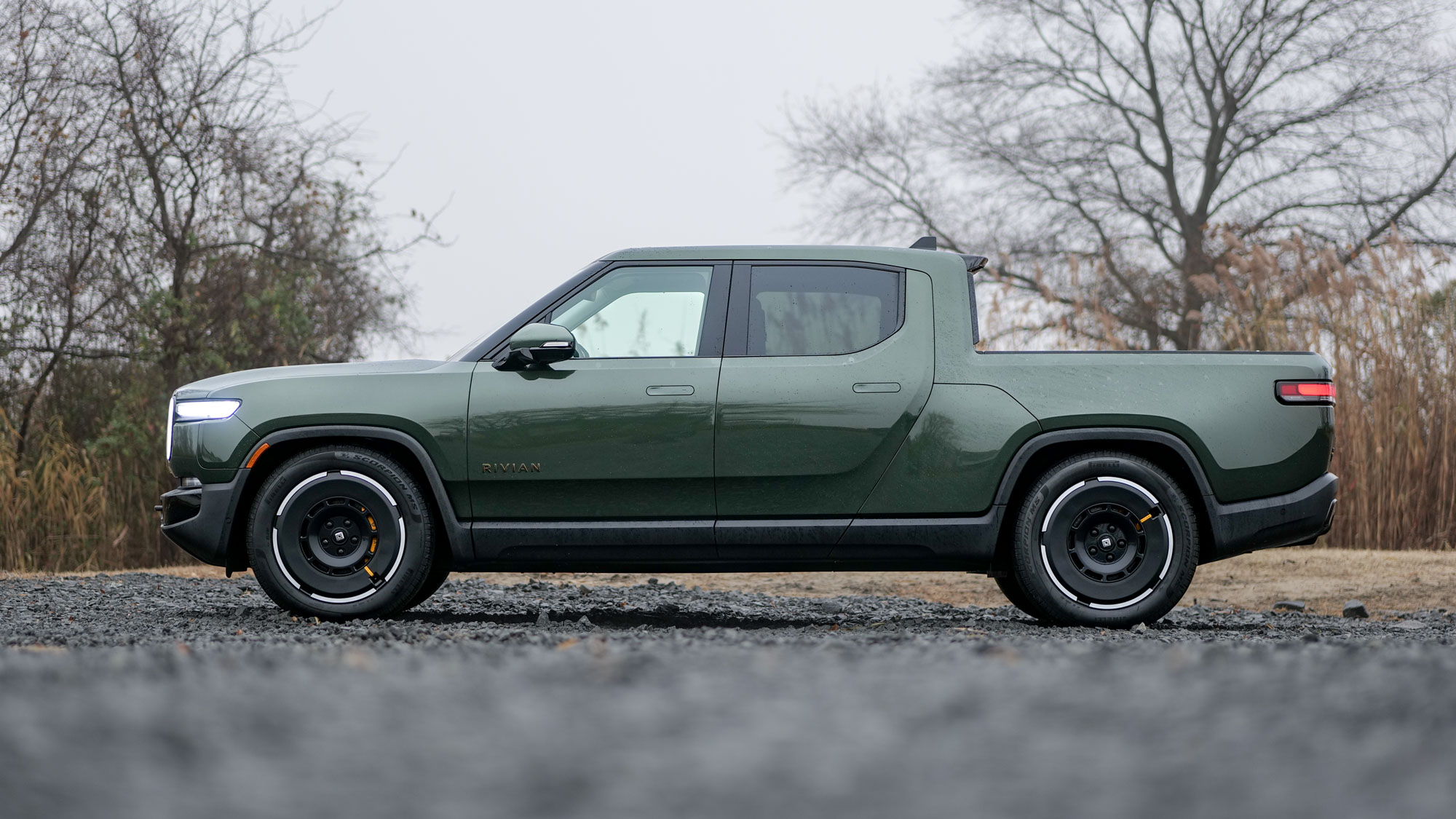
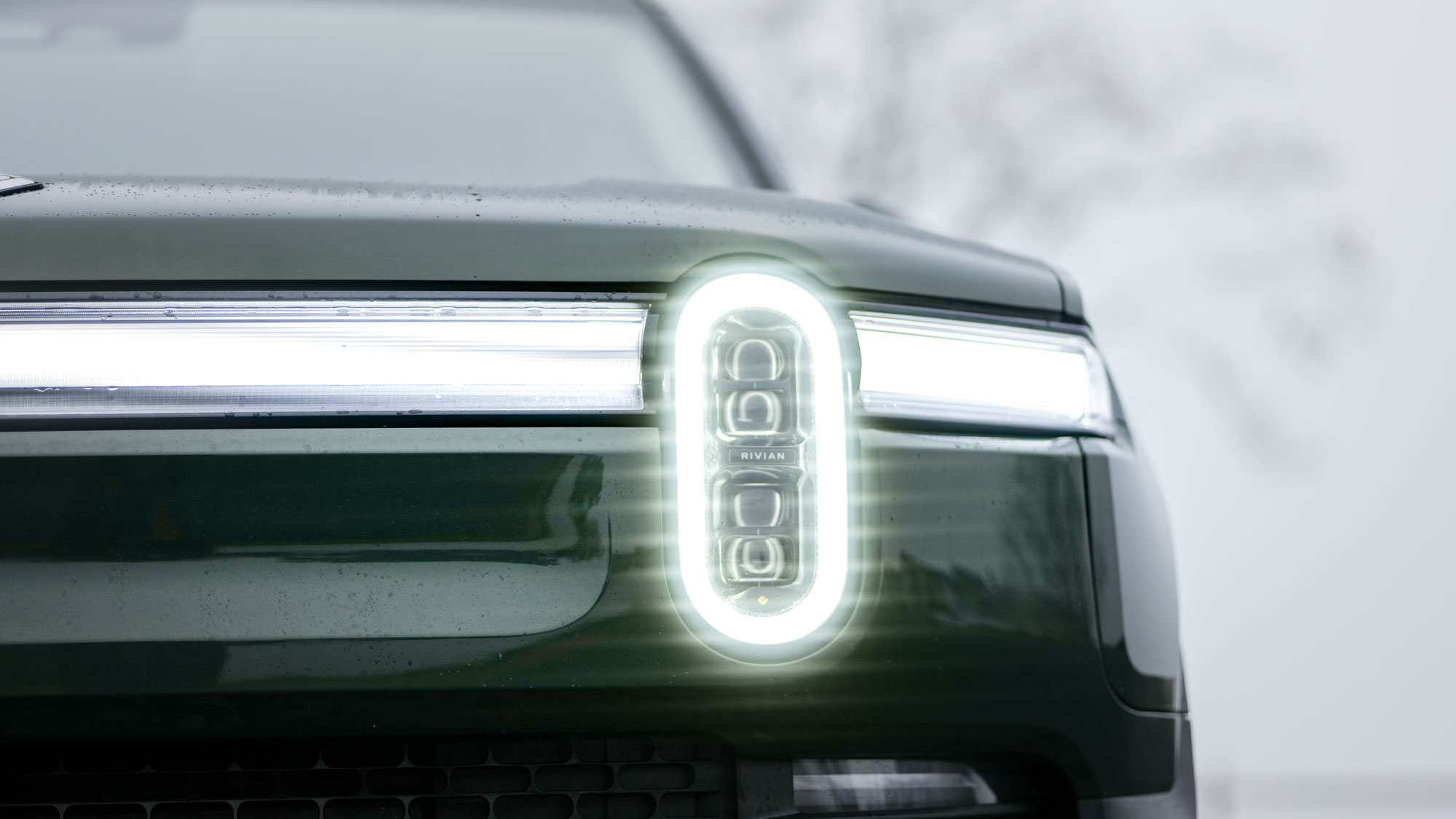
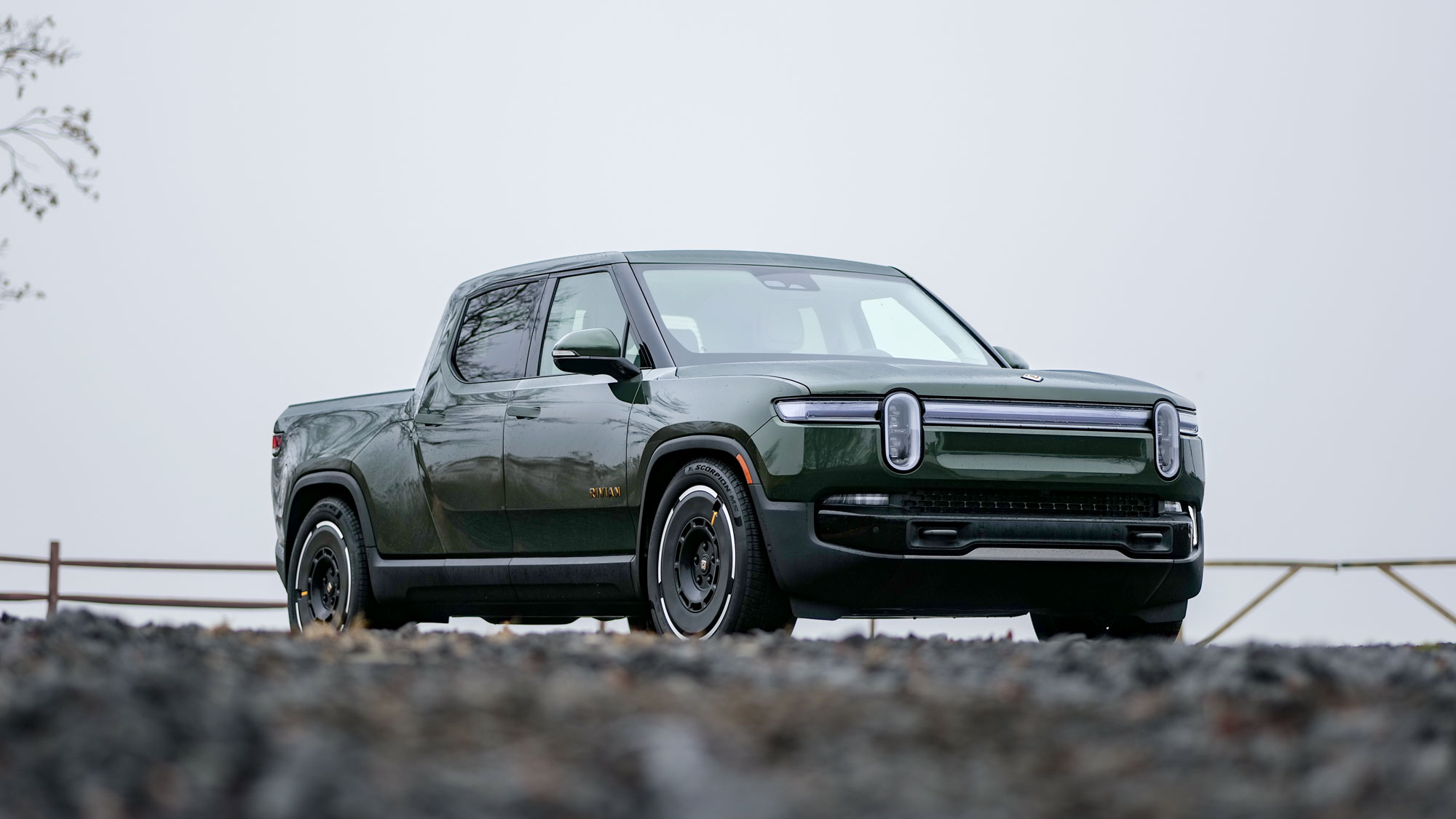
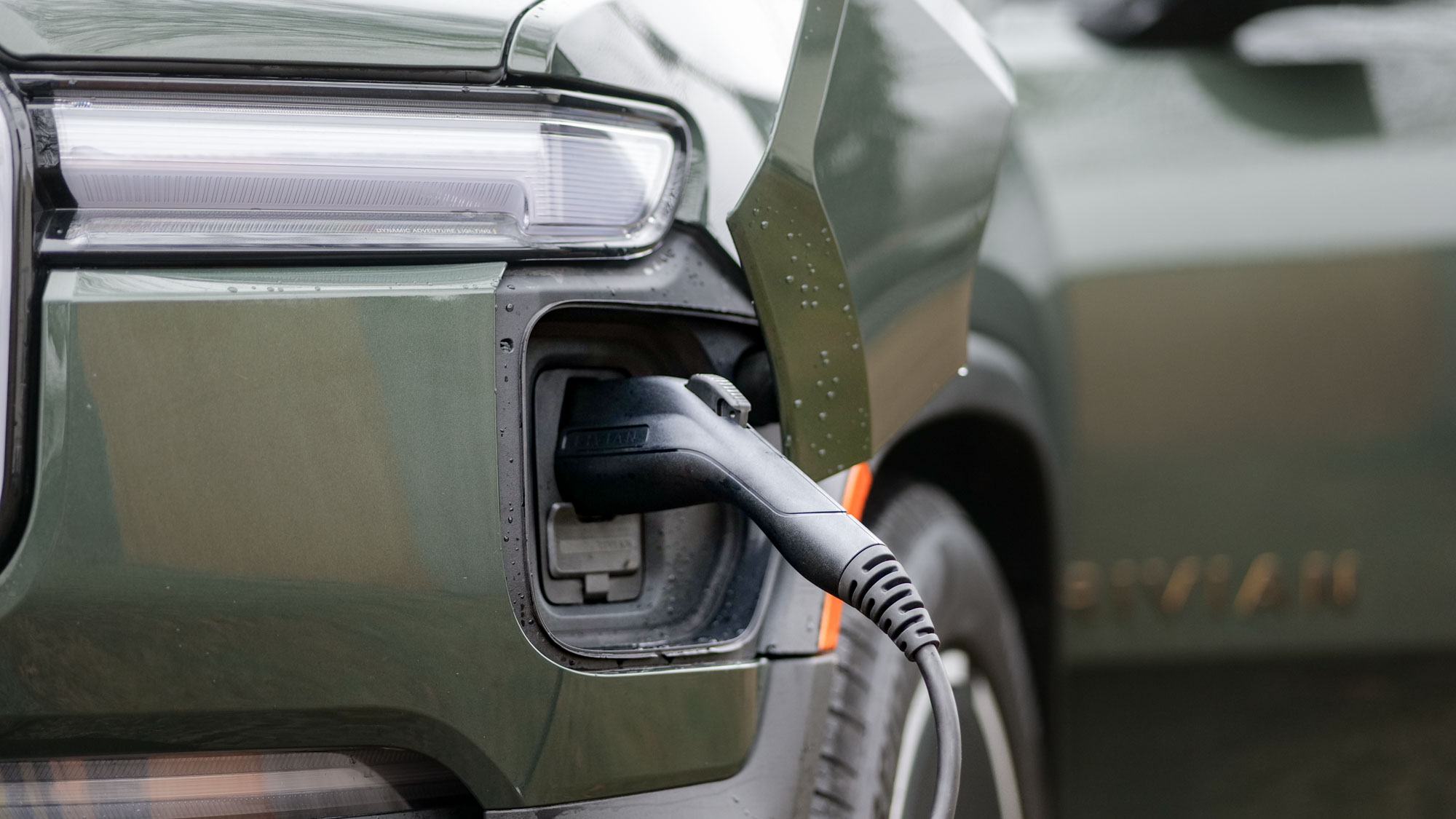
There are options for drivers that prefer an all-electric pickup truck, like the Ford F-150 Lightning and Chevrolet Silverado EV. However, no other electric pickup truck gets my vote than the Rivian R1T Tri. That’s because of the thoughtful features that Rivian packages into its truck, which gives it a leg up over its rivals.
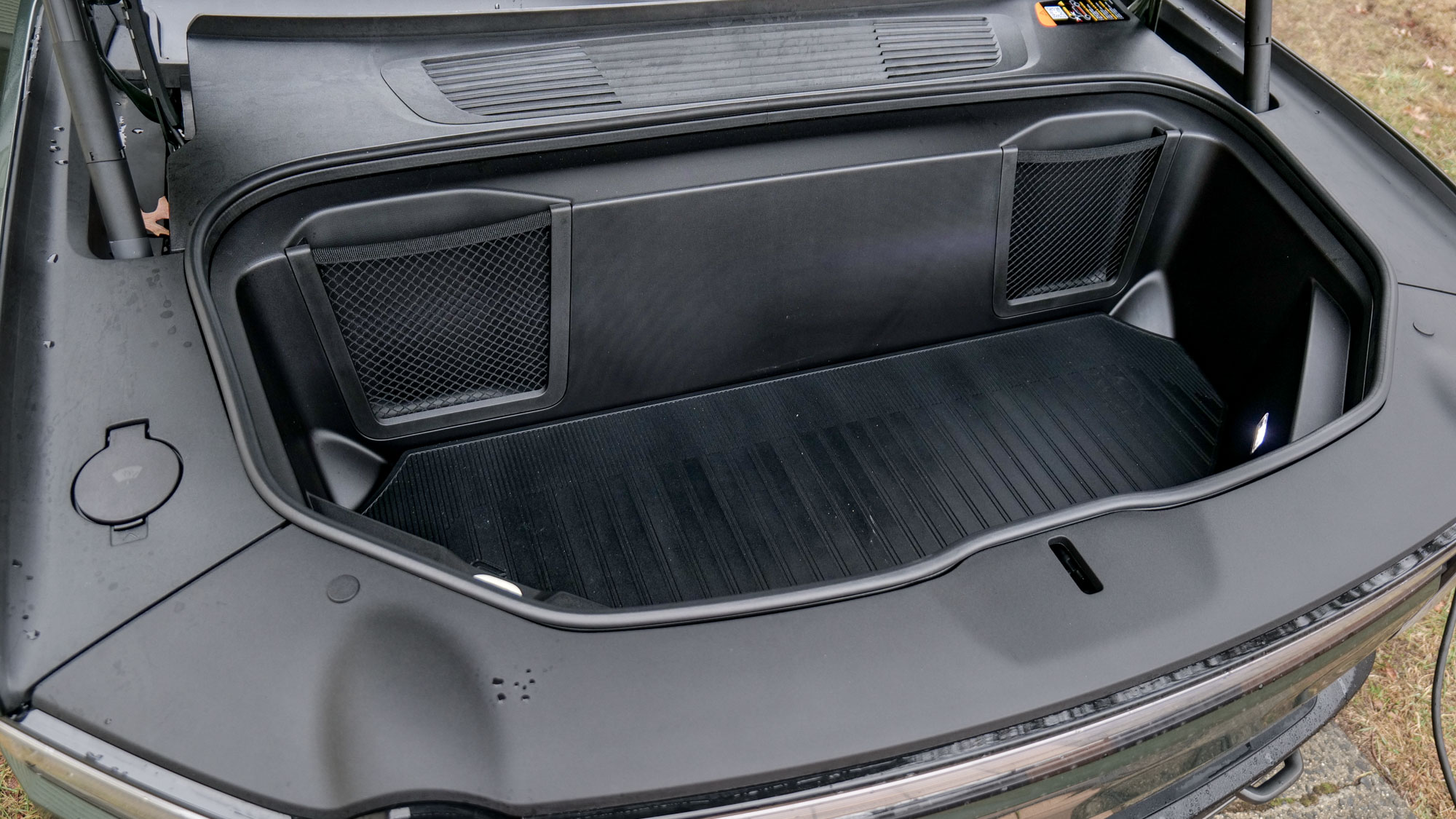
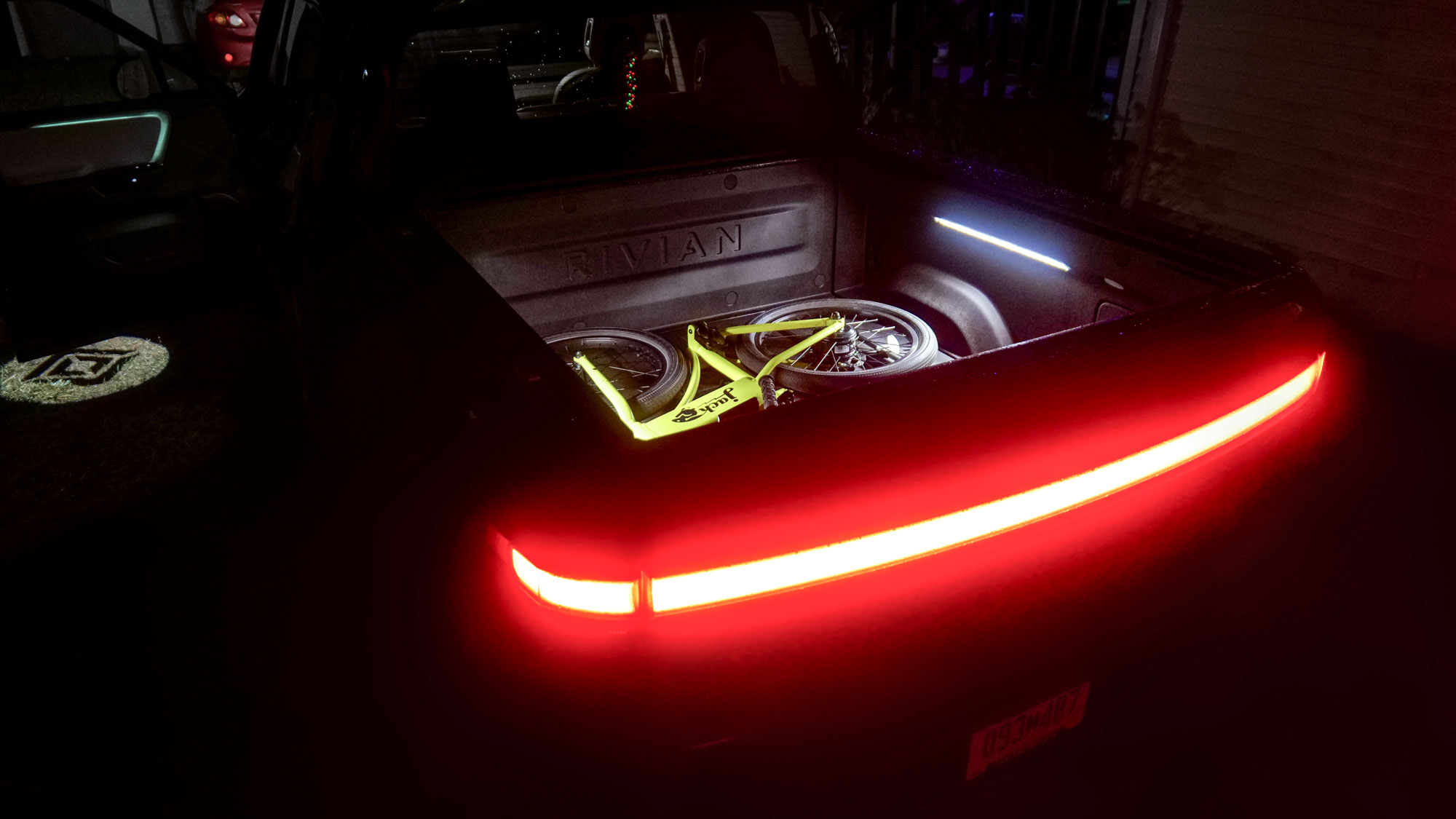
Similar to all other electric pickups I’ve tested, the Rivian R1T Tri also features a gear tunnel that runs the entire width of the car to store additional gear — which is in addition to its frunk. There’s no denying its utility, but it’s accompanied by an excellent driving system complete with the smartest cruise control around, high-resolution cameras that help with parking, and an intuitive touchscreen interface.
It’s a powerful vehicle on four wheels, aided by the 850 hp performance from its triple motors. For a truck of its size, it can rival many sedans when it comes to accelerating — but this amount of power does impact its efficiency. Although, its EPA-estimated 371 miles of range still makes it a long distance champ.
Read our full Rivian R1T Tri review.
The best luxury electric vehicle
Image 1 of 8
 (Image credit: Tom’s Guide / John Velasco)
 (Image credit: Tom’s Guide / John Velasco)
 (Image credit: Tom’s Guide / John Velasco)
 (Image credit: Tom’s Guide / John Velasco)
 (Image credit: Tom’s Guide / John Velasco)
 (Image credit: Tom’s Guide / John Velasco)
 (Image credit: Tom’s Guide / John Velasco)
 (Image credit: Tom’s Guide / John Velasco)
6. Cadillac Lyriq-V
Specifications
Price Tested: From $87,110
Range: 303 miles
0 to 60 mph: 3.3 seconds
Drive: AWD
Average Efficiency: 2.6 mi/kWh
Level 1 Charging Speed: 3.65 mi/hr
Reasons to buy+
Super cruise control system
+
Luxurious interior space
+
Giant dashboard display
+
Slick looking headlights
Reasons to avoid-
Poor efficiency
–
Odd placement for seat controls
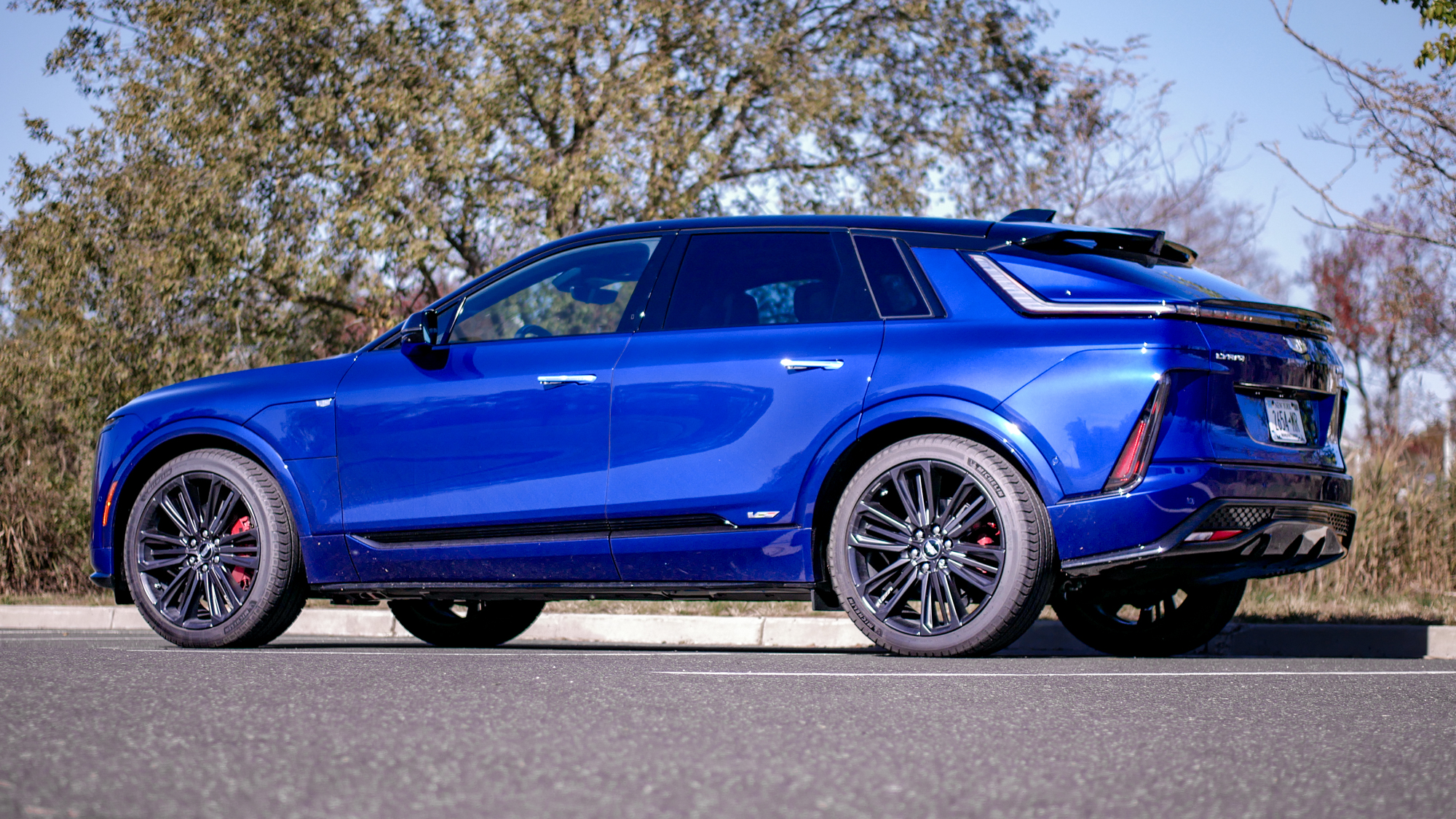
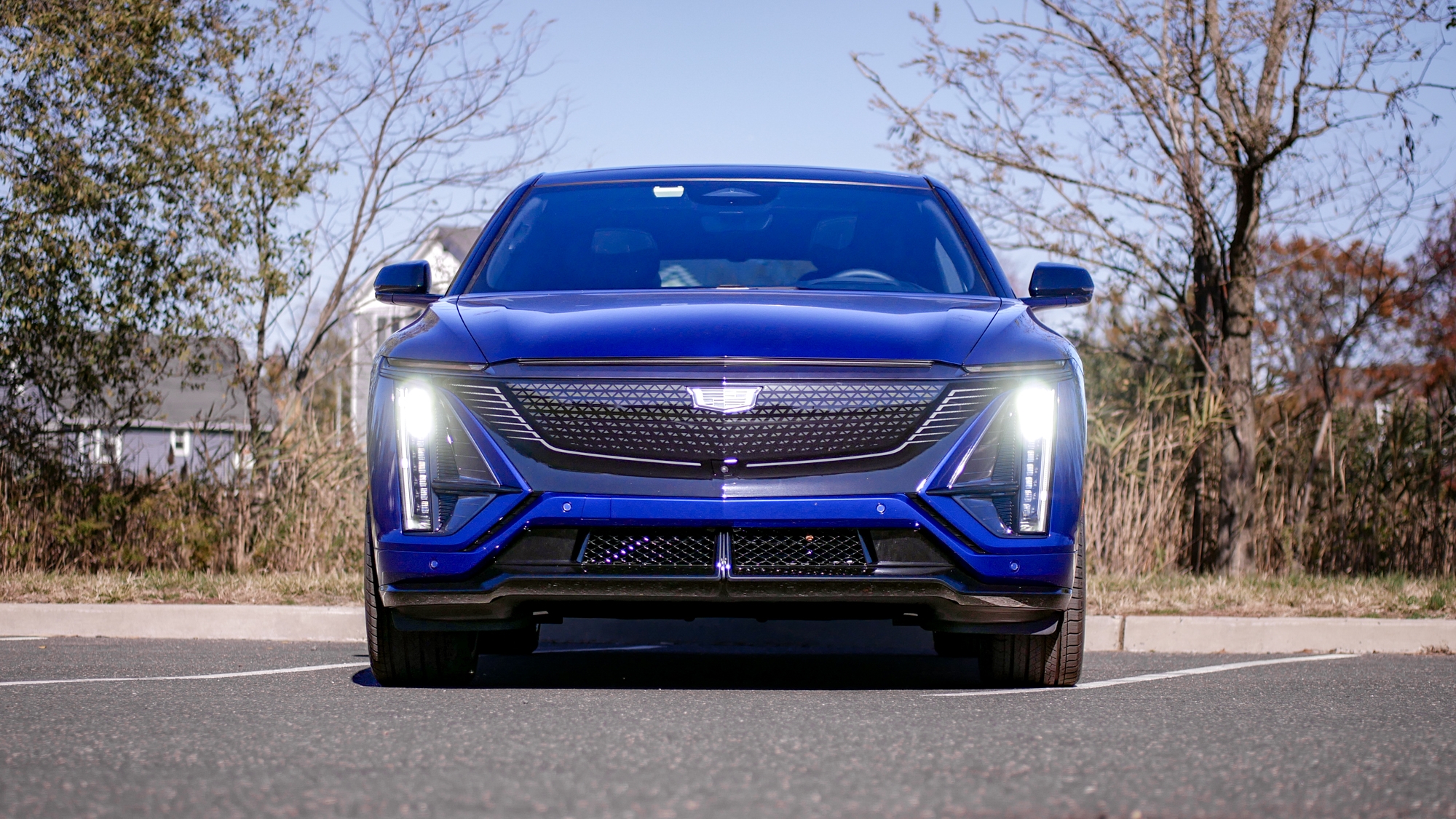
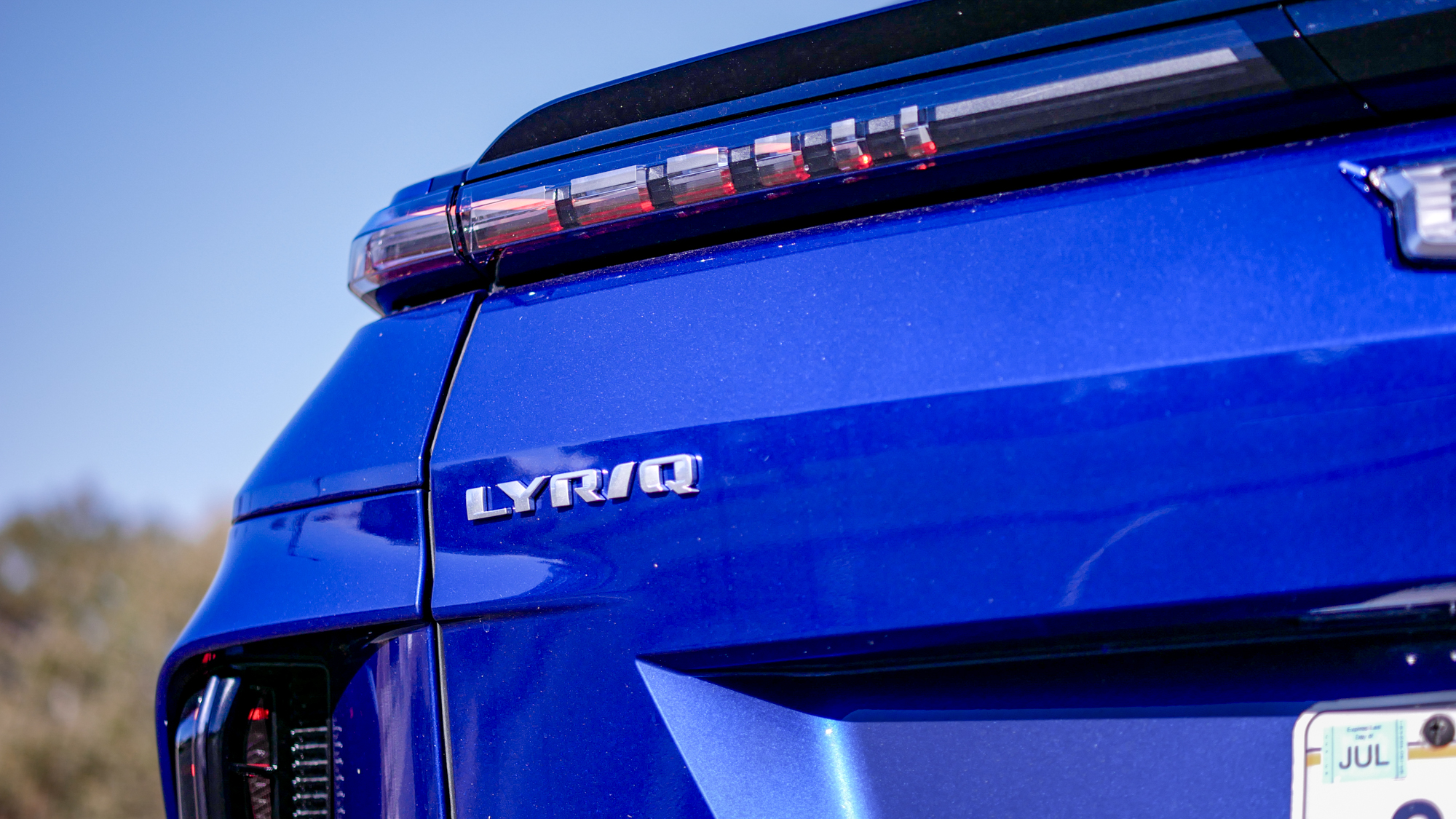
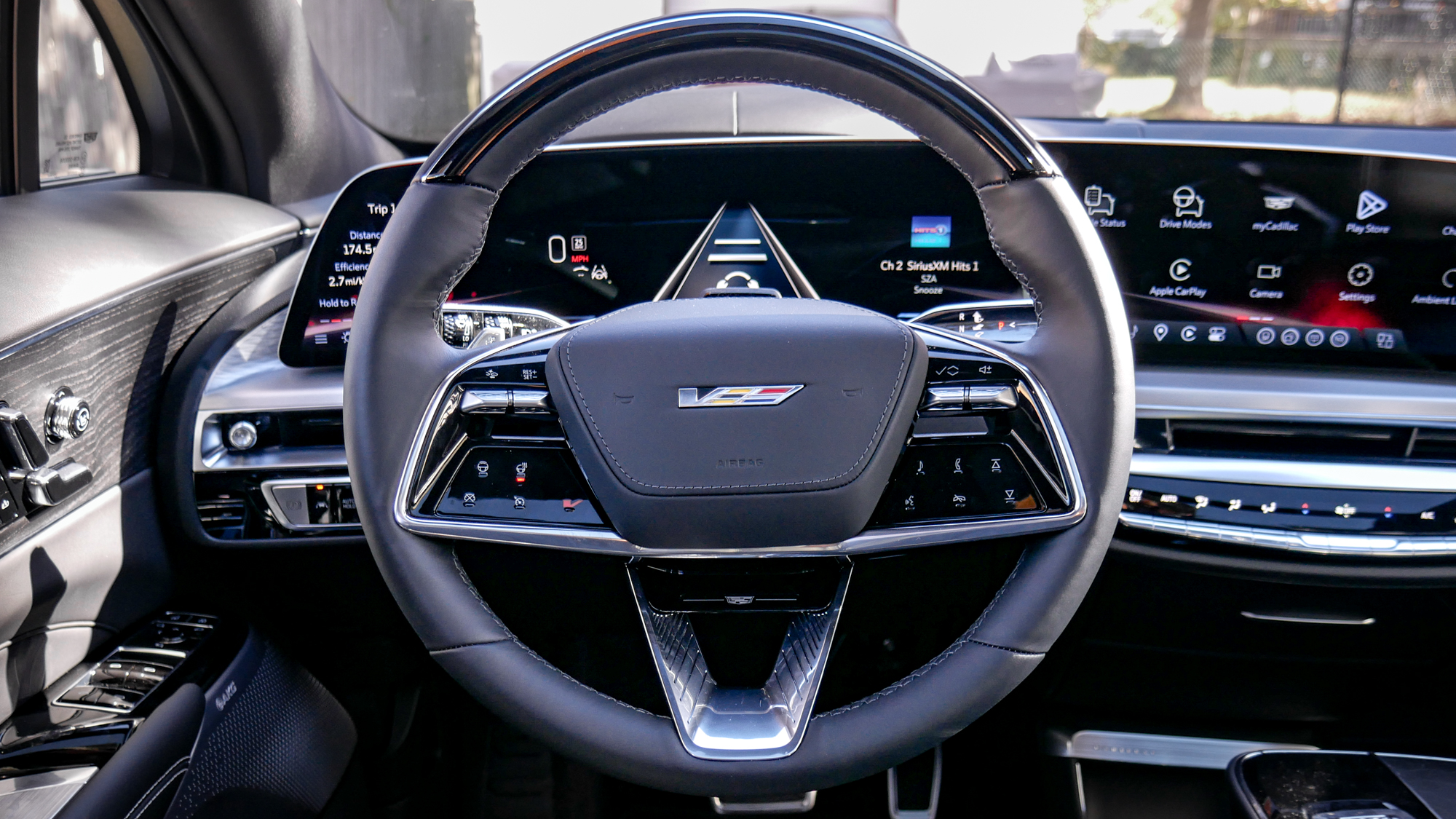
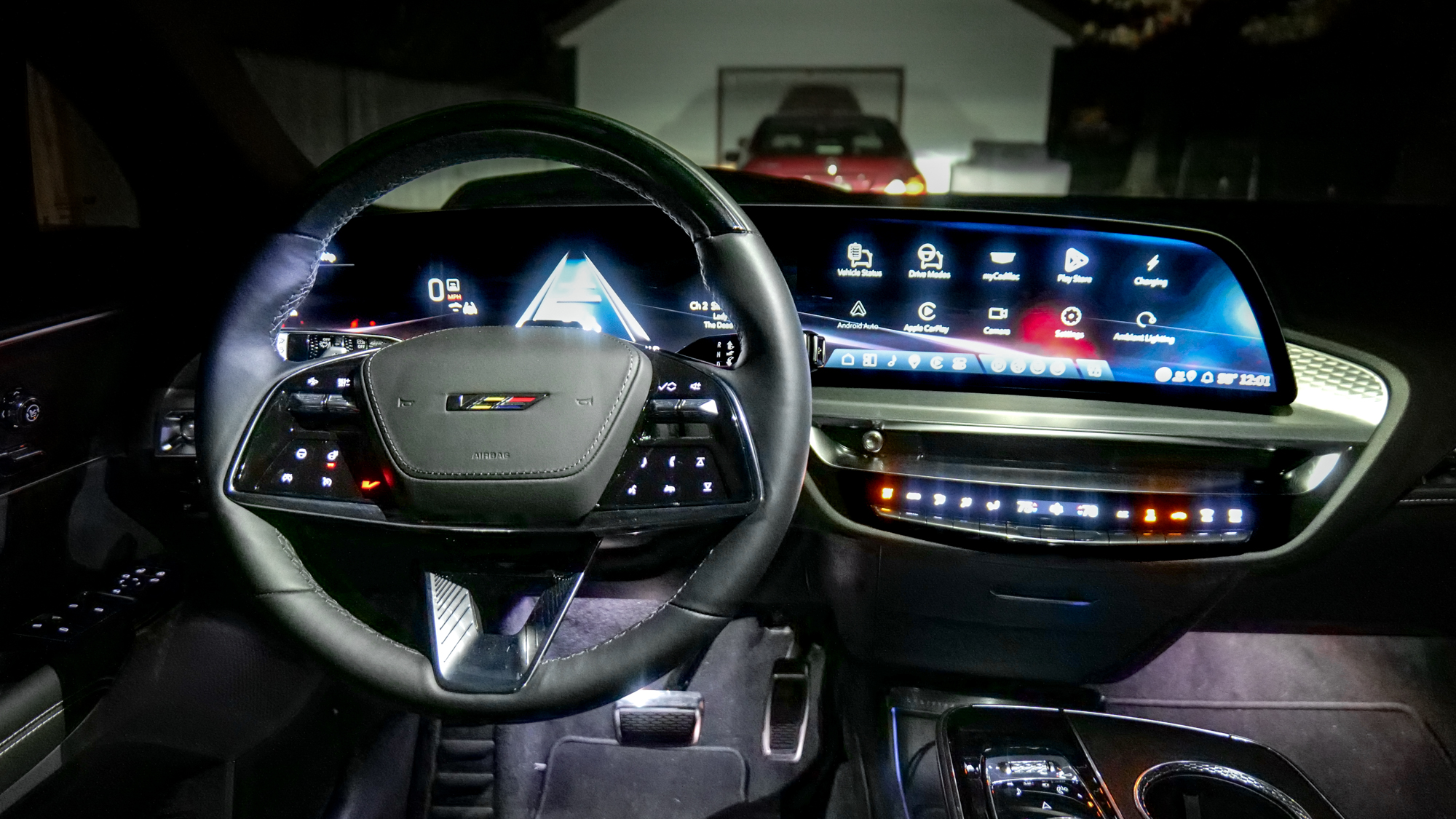
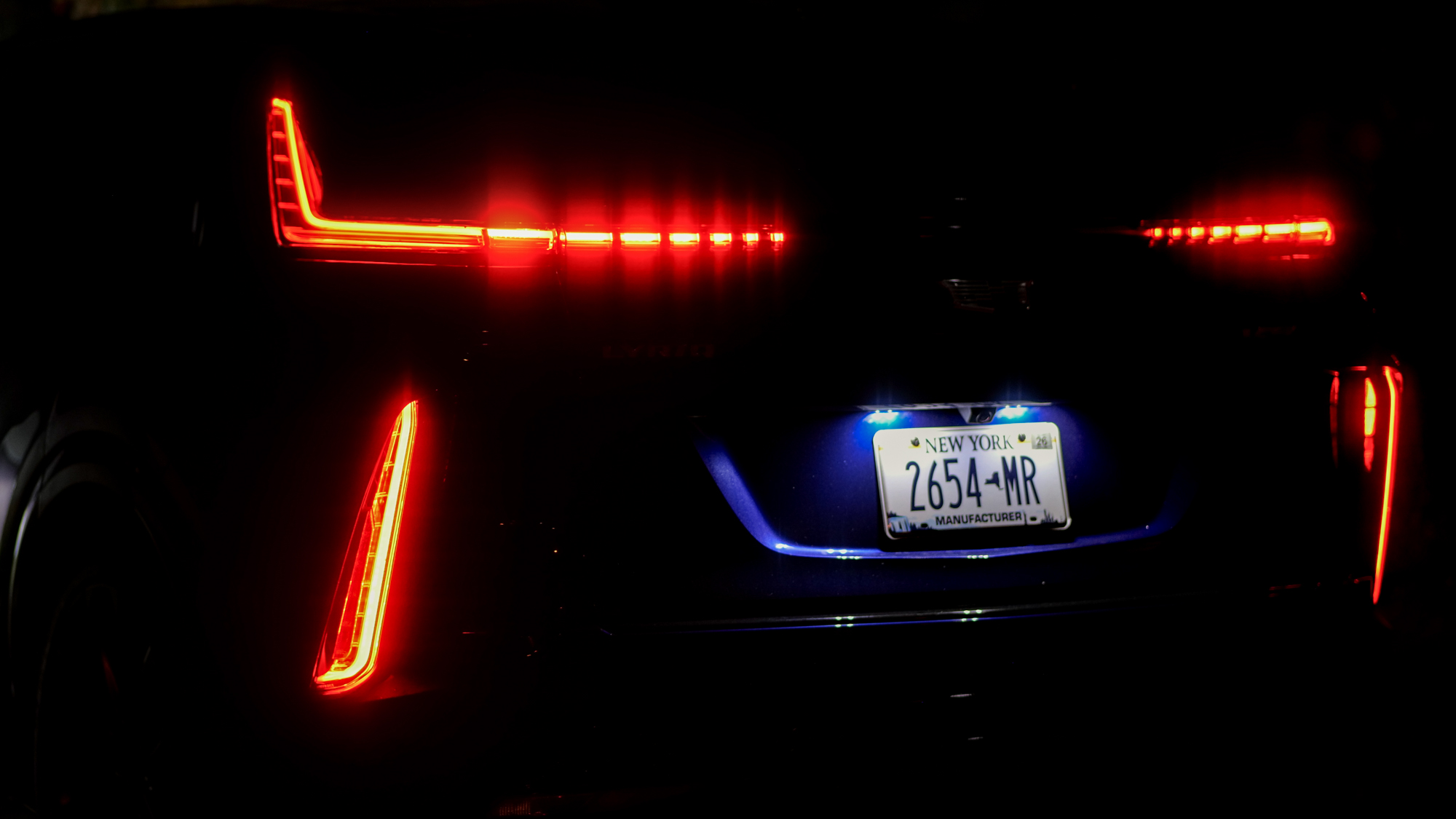
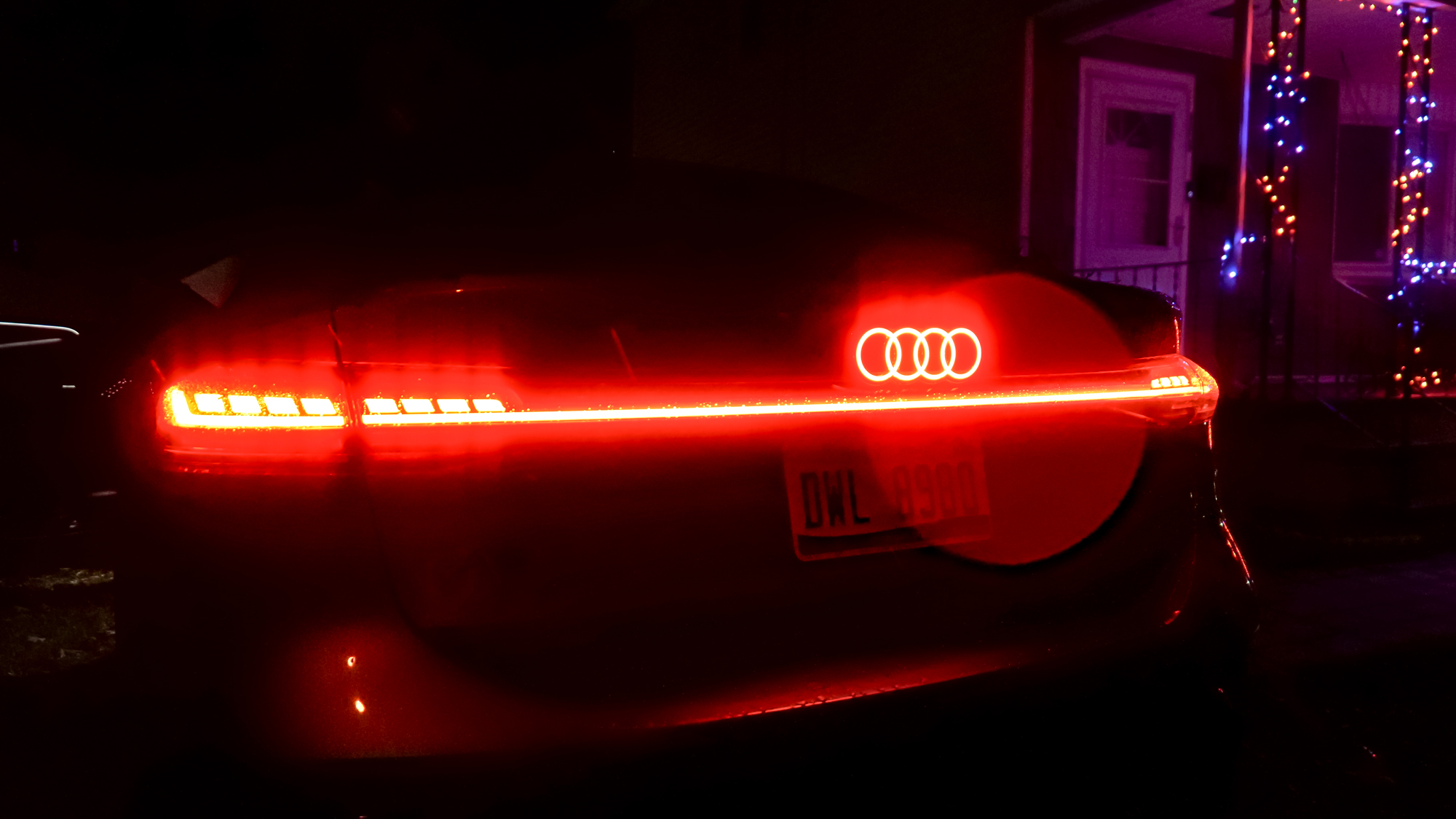
Luxury EVs have to live up to what the Cadillac Lyriq-V offers because it blends a luxurious design with premium features that make driving convenient. On the road, this mid-size luxury crossover SUV is sleek and paired with catchy looking headlights and taillights that command attention on the road. Meanwhile, the interior space is equally as luxurious with its massive 33-inch LED touchscreen display.
What really makes it a luxury vehicle is its Super Cruise Control system, which not only takes control of the steering wheel and pedals for me, but it takes it one step further by changing lanes on its own when it senses a car running too slow in front of me. Really, it’s the closest thing I can call autonomous driving because it changes lanes all on its own.
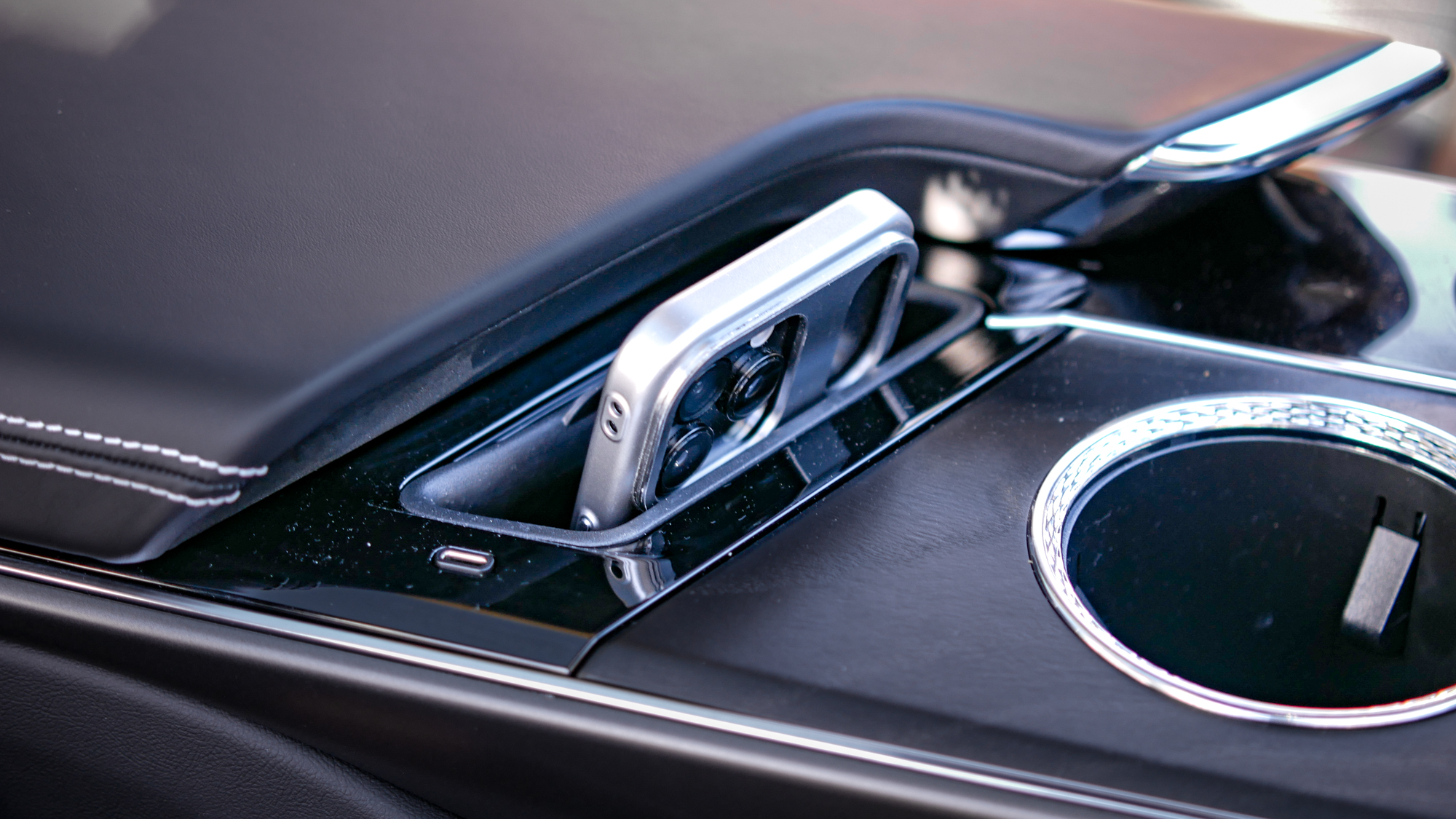
I really get the sense of being in a luxury vehicle because of its panoramic roof, brilliant ambient lights, sharp looking display, rear view camera monitor, and much more. I’ve tested other luxury EVs that cost above $100,000, like the Mercedes-Benz G 580, but the Lyriq-V beats it in many ways.
Read our full Cadillac Lyriq-V review.
The best electric sedan
Image 1 of 8
 (Image credit: Tom’s Guide / John Velasco)
 (Image credit: Tom’s Guide / John Velasco)
 (Image credit: Tom’s Guide / John Velasco)
 (Image credit: Tom’s Guide / John Velasco)
 (Image credit: Tom’s Guide / John Velasco)
 (Image credit: Tom’s Guide / John Velasco)
 (Image credit: Tom’s Guide / John Velasco)
 (Image credit: Tom’s Guide / John Velasco)
7. Audi A6 Sportback
Specifications
Tested Price: $75,240
Range: 370 miles
0 to 60 mph: 5.2 seconds
Drive: RWD
Average Efficiency: 3.7 mi/kWh
Level 1 Charging Speed: 2.82 mi/hr
Reasons to buy+
Most sophisticated HUD
+
Excellent efficiency
+
Modern design
+
Spacious trunk
Reasons to avoid-
Odd cruise control placement
–
Inconvenient spot for volume control
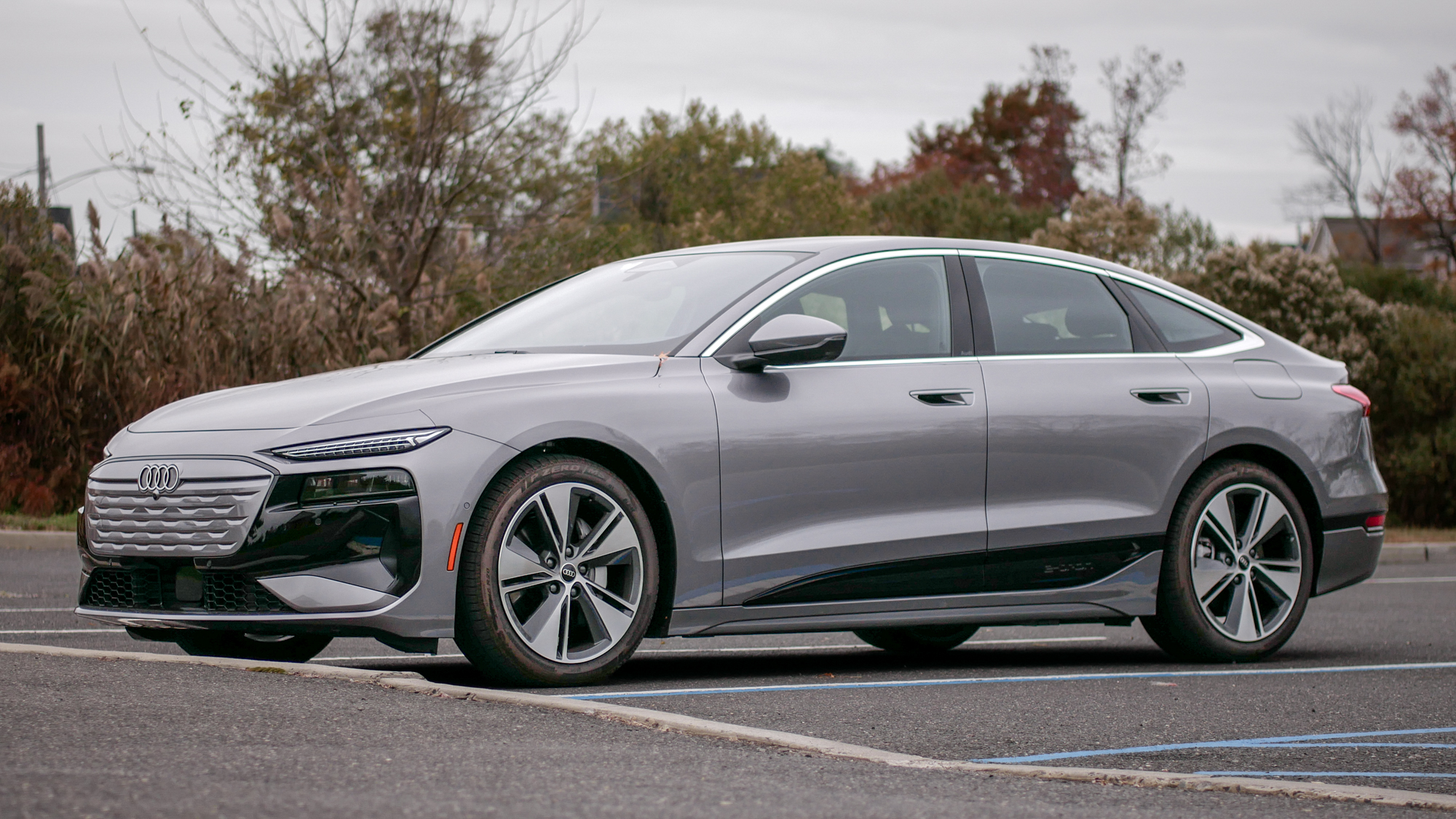
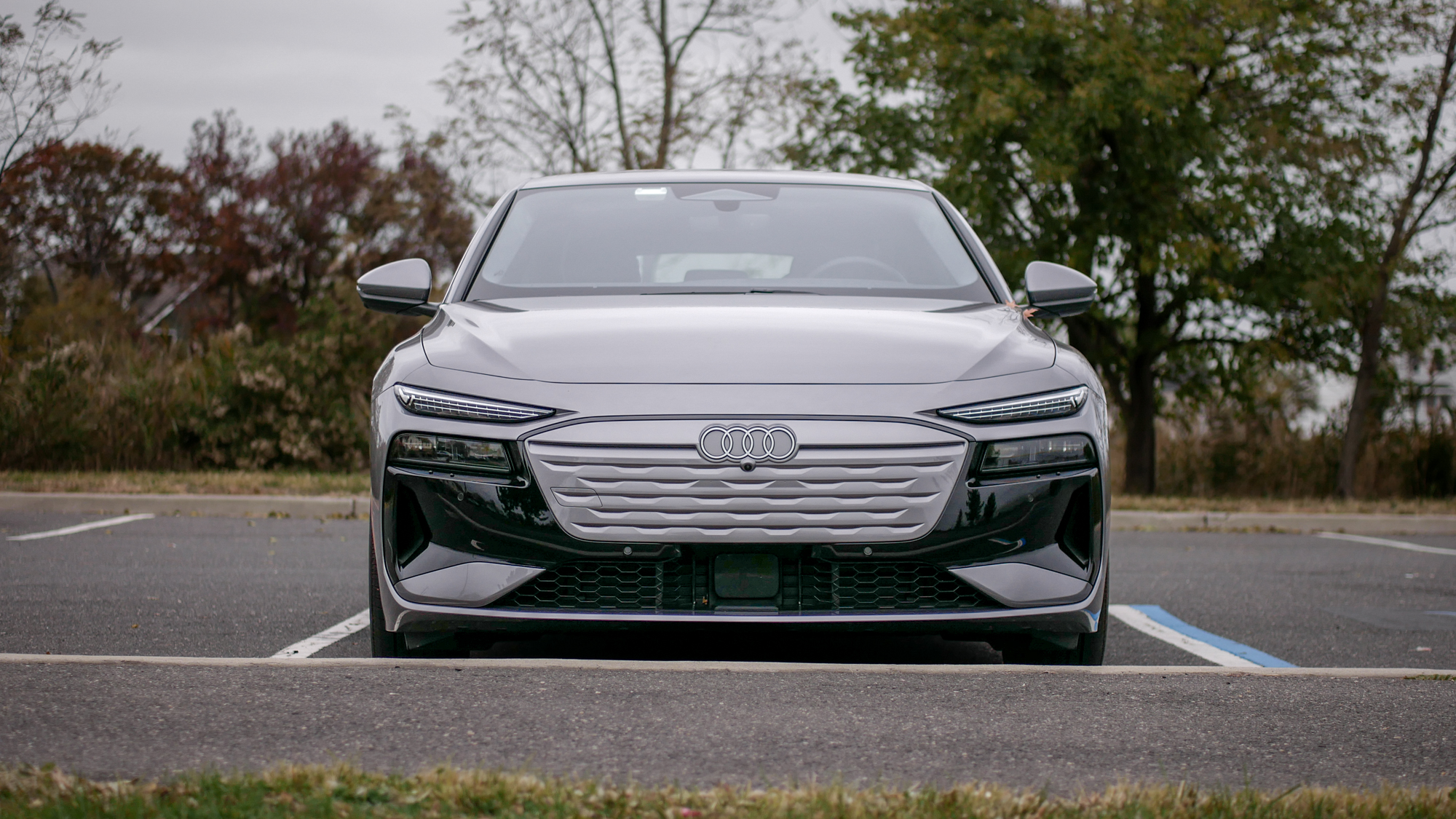
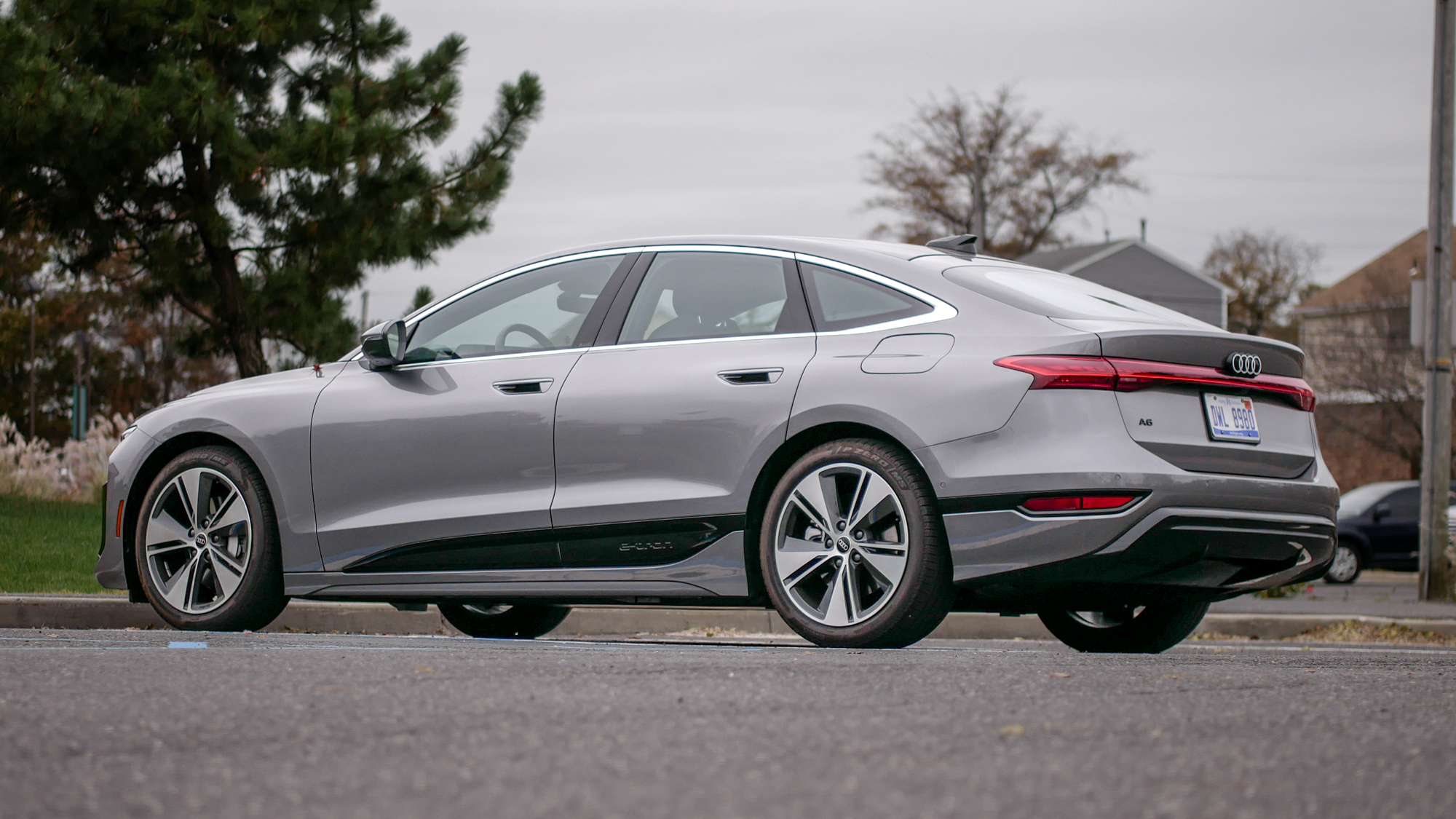
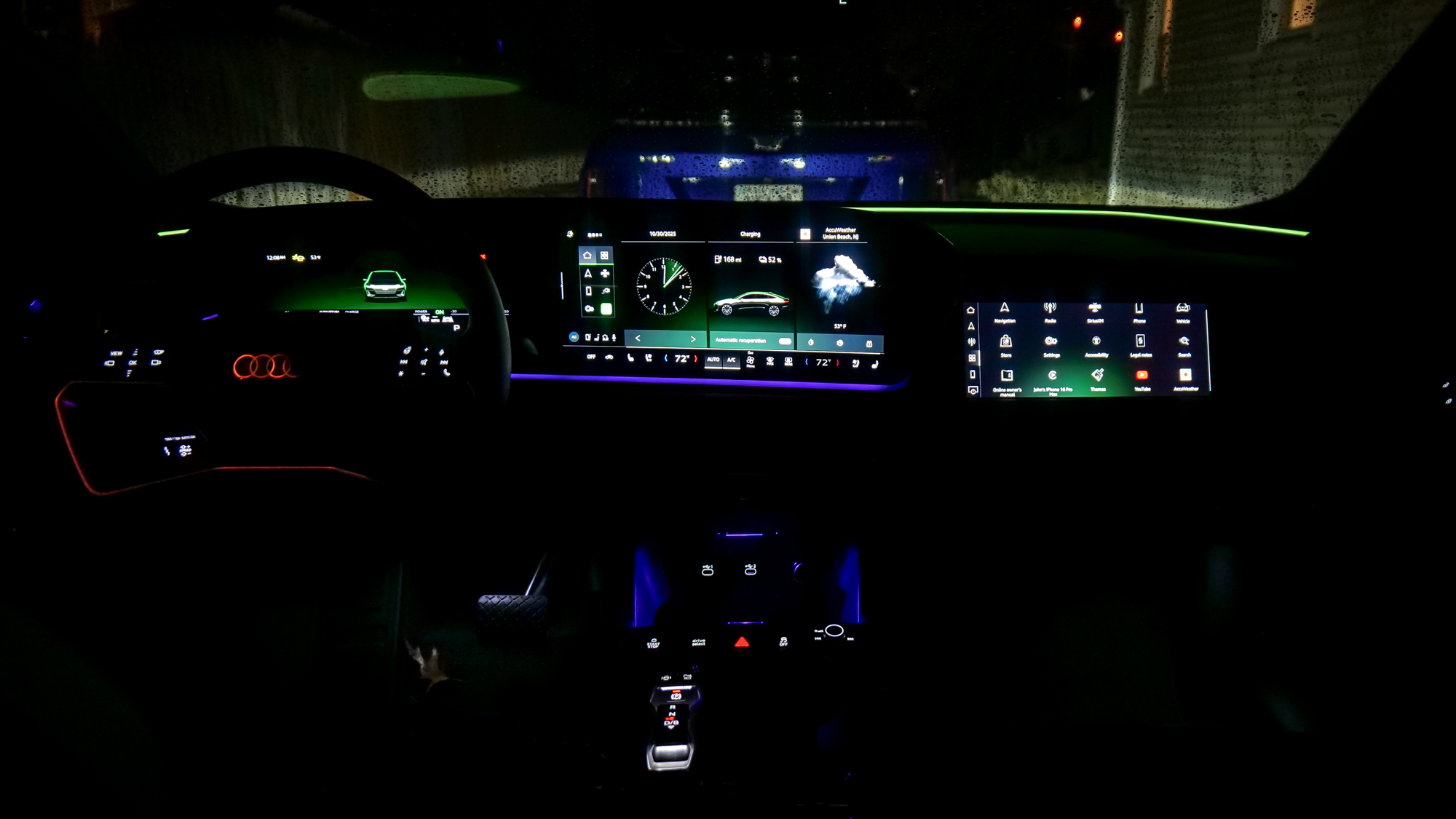
The Lucid Air has long been my favorite all-electric sedan, but it’s been replaced by the Audi A6 Sportback. That’s notable because I didn’t have high expectations for the A6 Sportback when I first got into it.
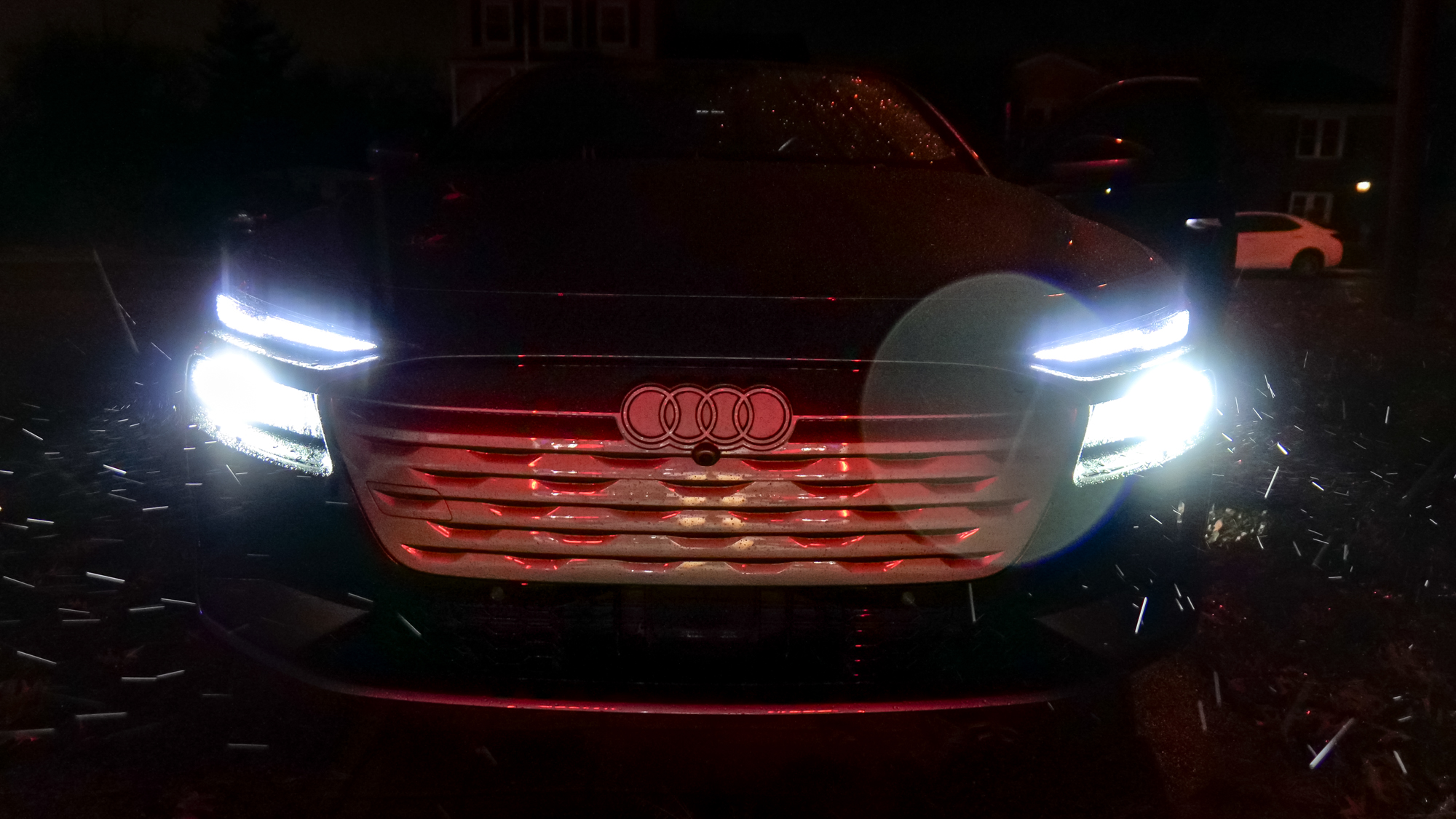
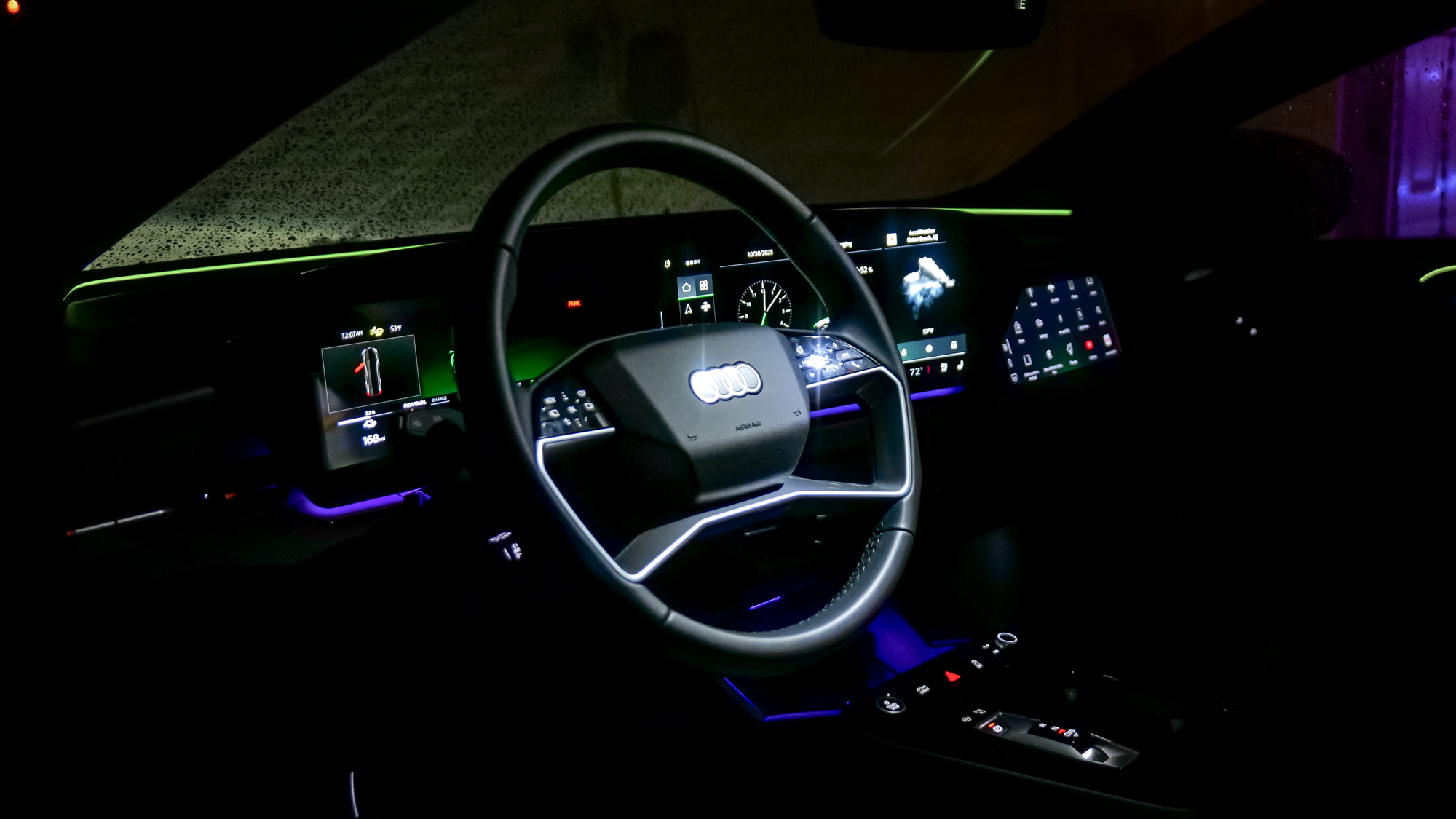
First and foremost, the interior space is truly dazzling with its three displays on the dashboard, LED light strips outlining just about everything, and a really cool animation with the electronically controlled glass roof. What’s even better is that it offers the most sophisticated head-up display in any EV, by providing an AR experience that shows arrows of where I need to turn.
If that’s not enough, the Audi A6 Sportback has plenty of room — including a hatchback style trunk that allows it to carry larger sized packages. It’s also pretty efficient at 3.7 mi/kWh to get you farther with fewer charges in between. Not convinced it’s the best electric sedan? Then read more about it in my Audi A6 Sportback vs Lucid Air Touring comparison.
Read our full Audi A6 Sportback review.
The best electric van
Image 1 of 8
 (Image credit: Tom’s Guide / John Velasco)
 (Image credit: Tom’s Guide / John Velasco)
 (Image credit: Tom’s Guide / John Velasco)
 (Image credit: Tom’s Guide / John Velasco)
 (Image credit: Tom’s Guide / John Velasco)
 (Image credit: Tom’s Guide / John Velasco)
 (Image credit: Tom’s Guide / John Velasco)
 (Image credit: Tom’s Guide / John Velasco)
8. Volkswagen ID.Buzz
Specifications
Tested Price: $67,995
Range: 231 miles
0 to 60 mph: 6 seconds
Drive: AWD
Average Efficiency: 3 mi/kWh
Level 1 Charging Speed: 2.66 mi/hr
Reasons to buy+
Cool design
+
Comfortable 2nd-row captain’s chairs
+
Surpassingly good efficiency
+
Seating for up to 7 people
Reasons to avoid-
Shorter range
–
Small trunk space
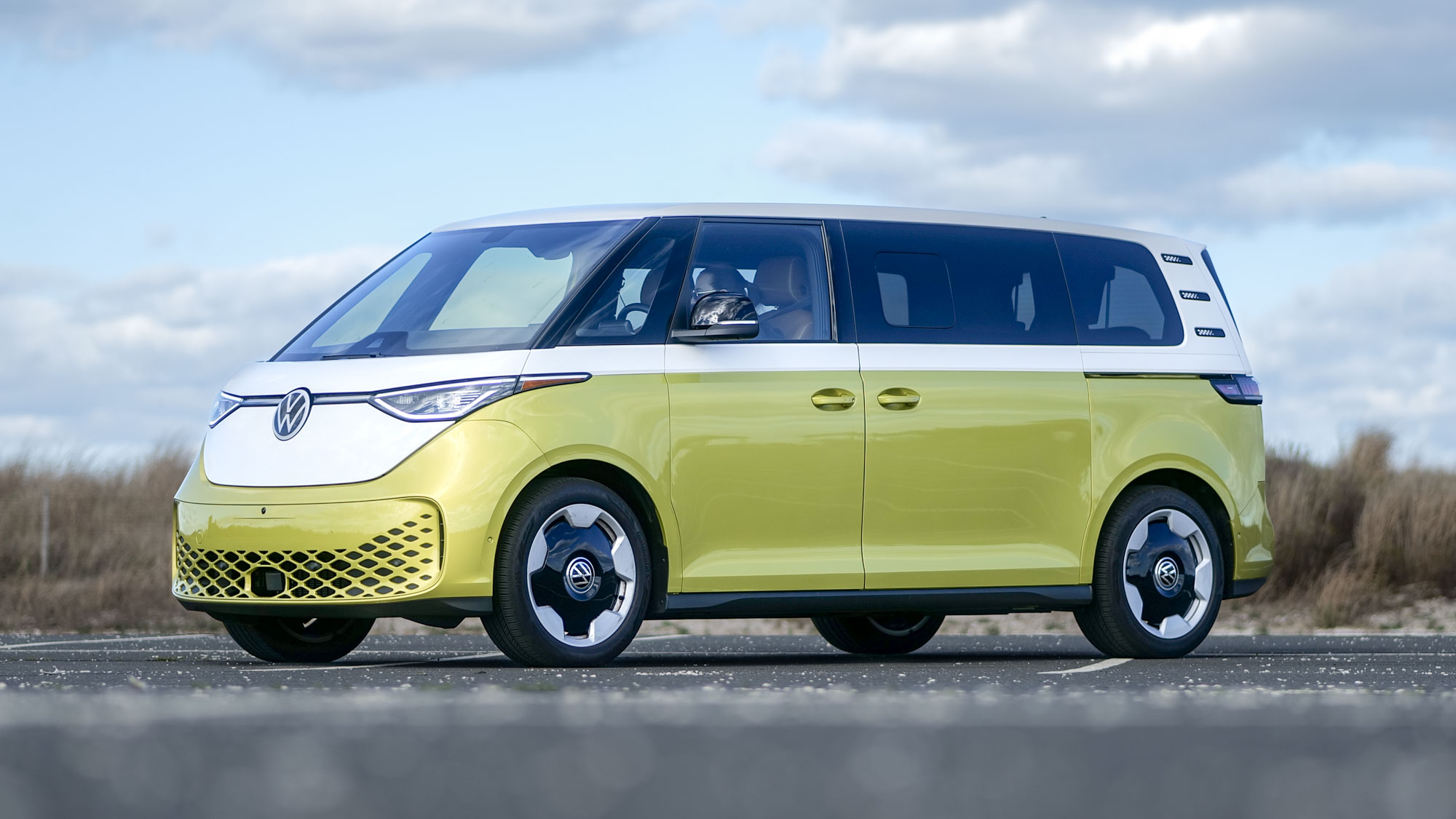
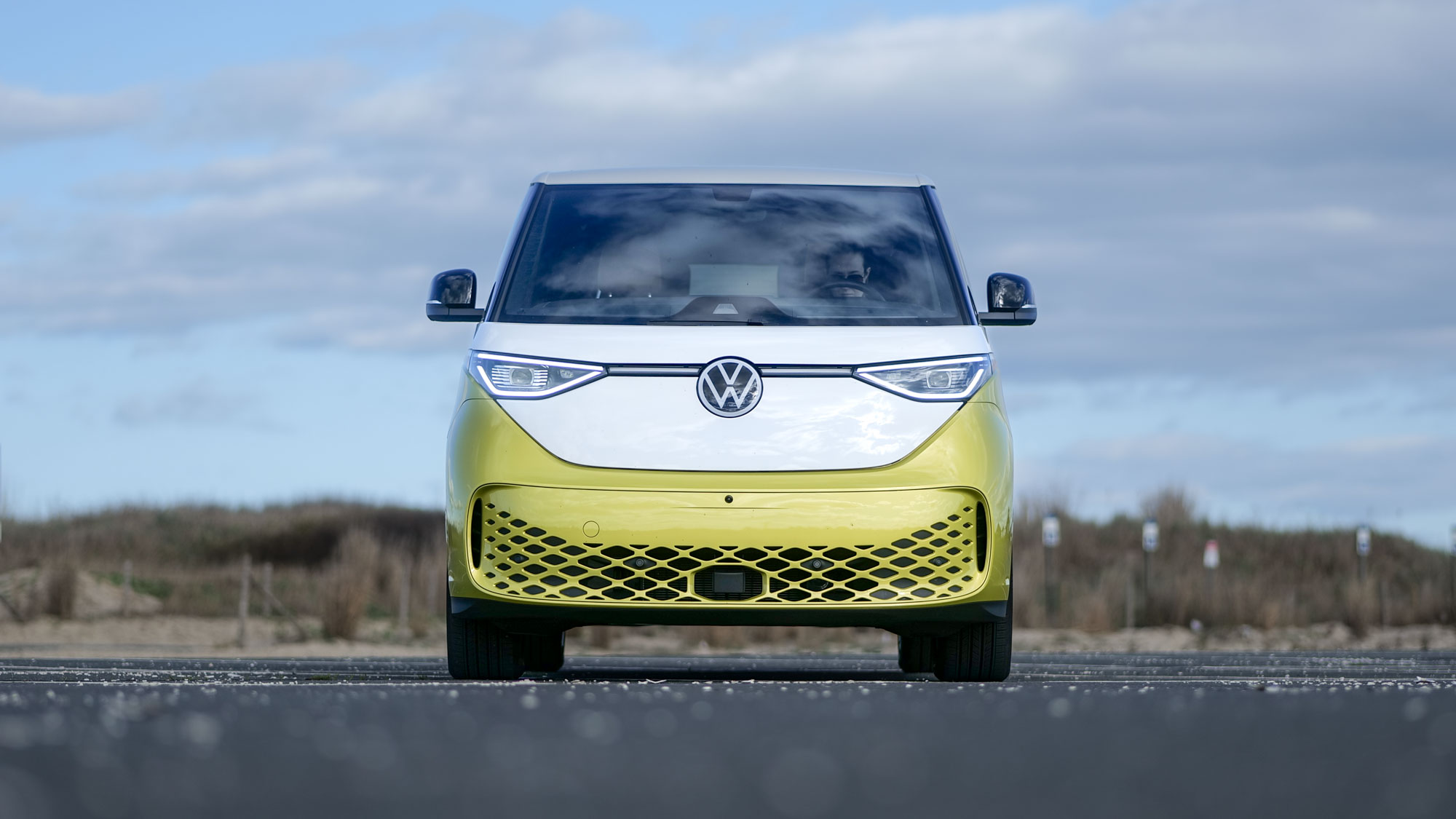
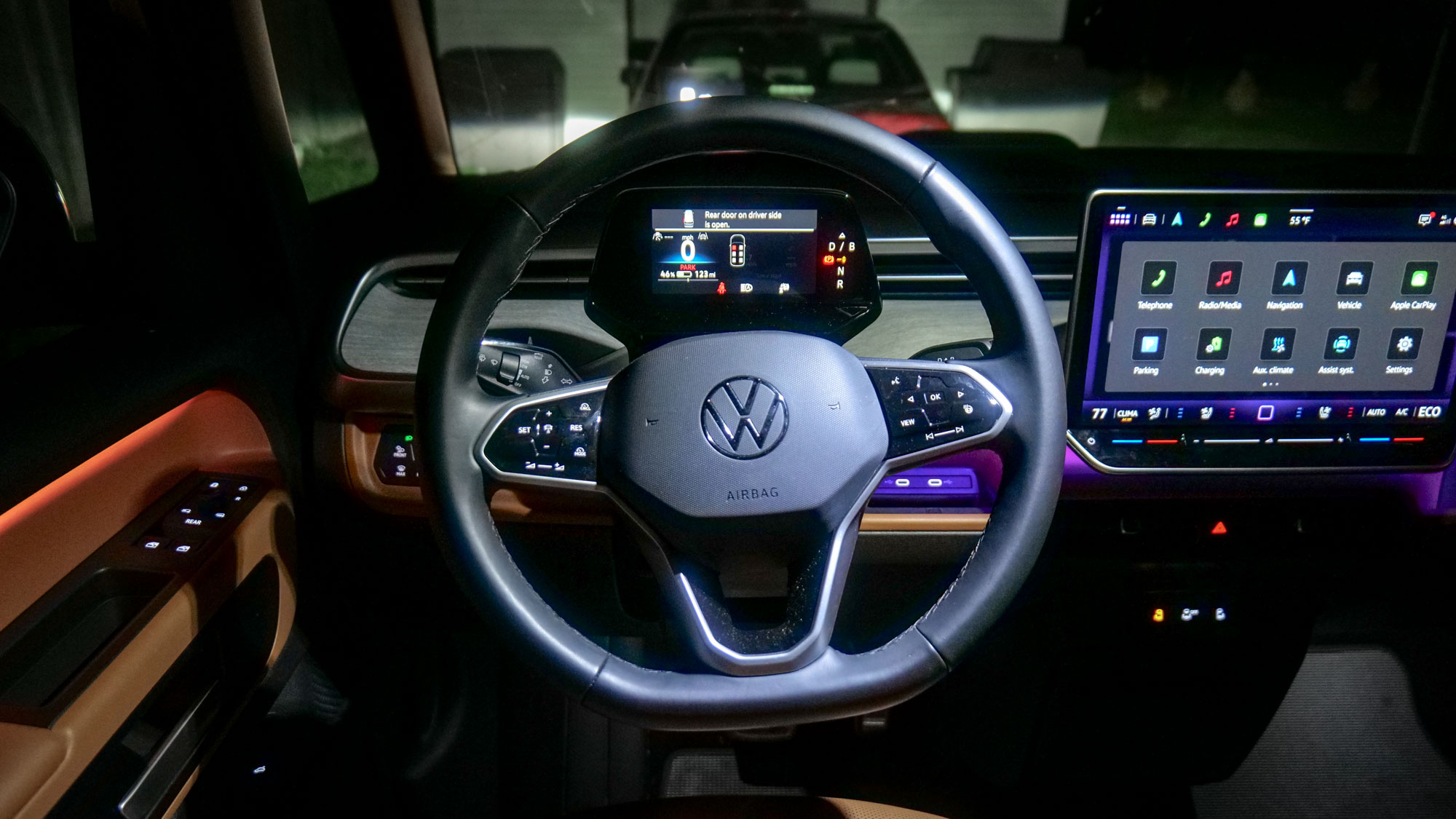
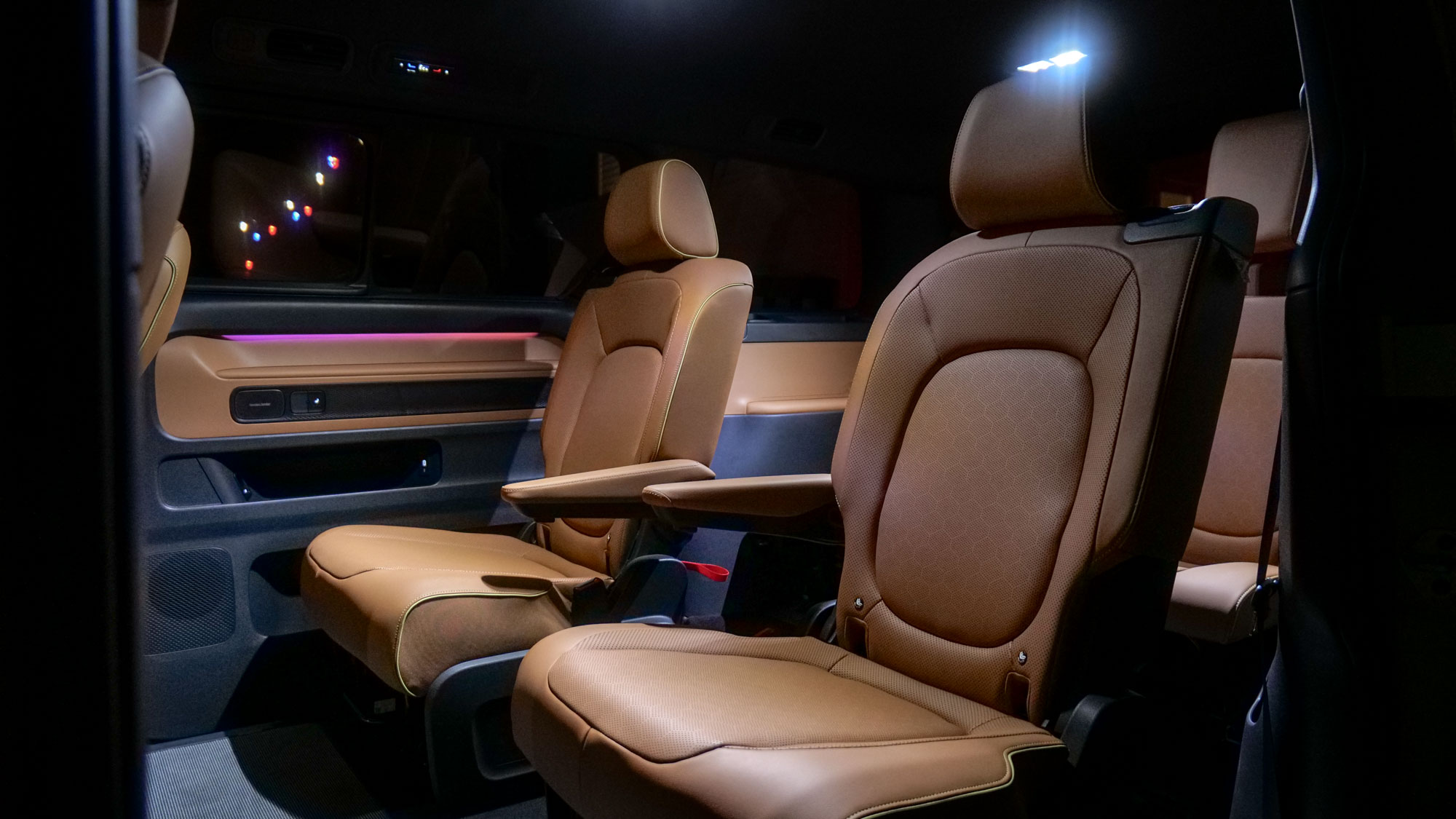
No other EV gets more attention and interest than the Volkswagen ID.Buzz. Not only does it embody the spirit of the original Bus, but it’s been reimagined in such a way to inspire a new generation. On the road, it’s hard to deny how its peculiar looks and bright colors make it unlike any other van on the road.
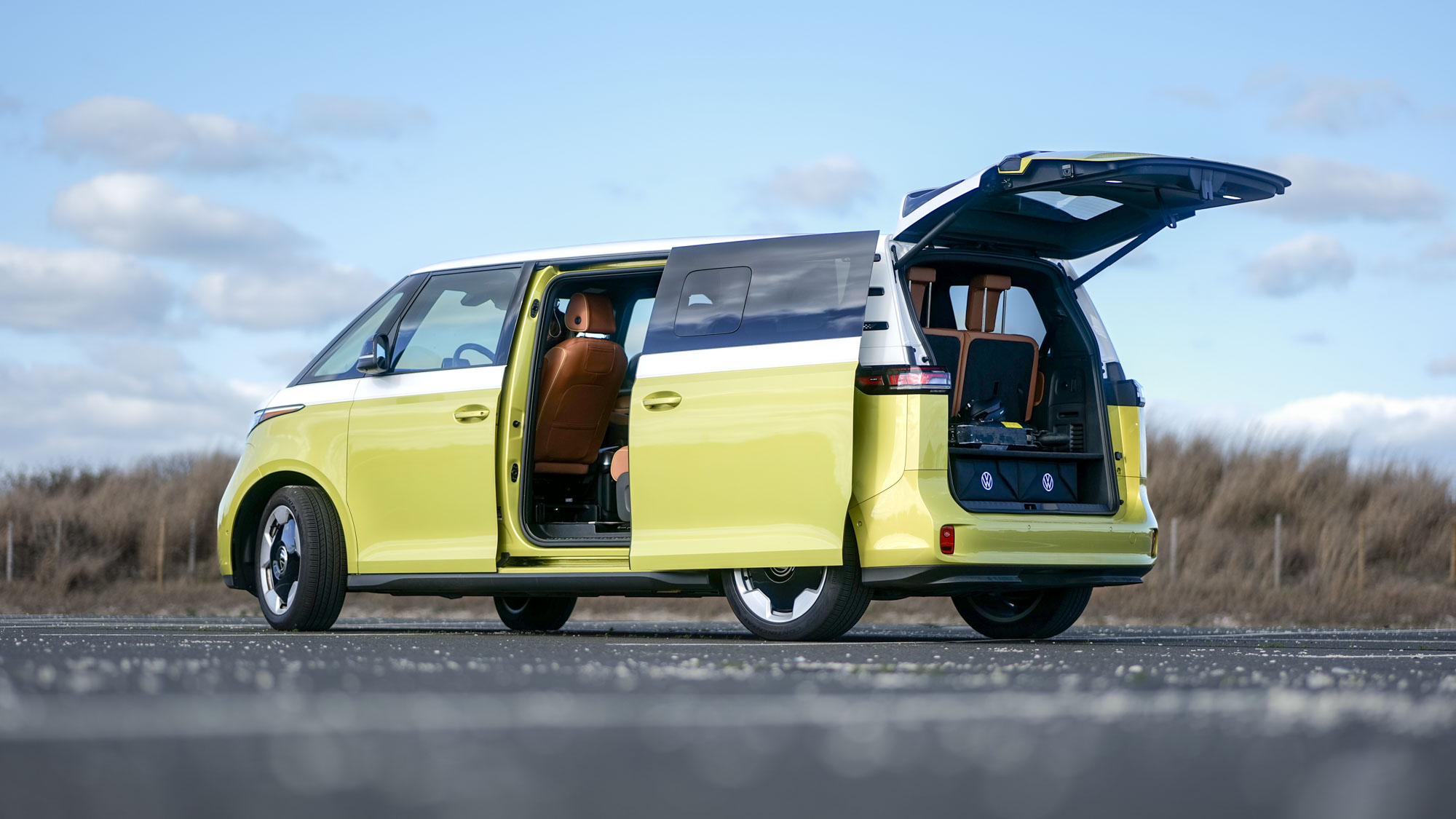
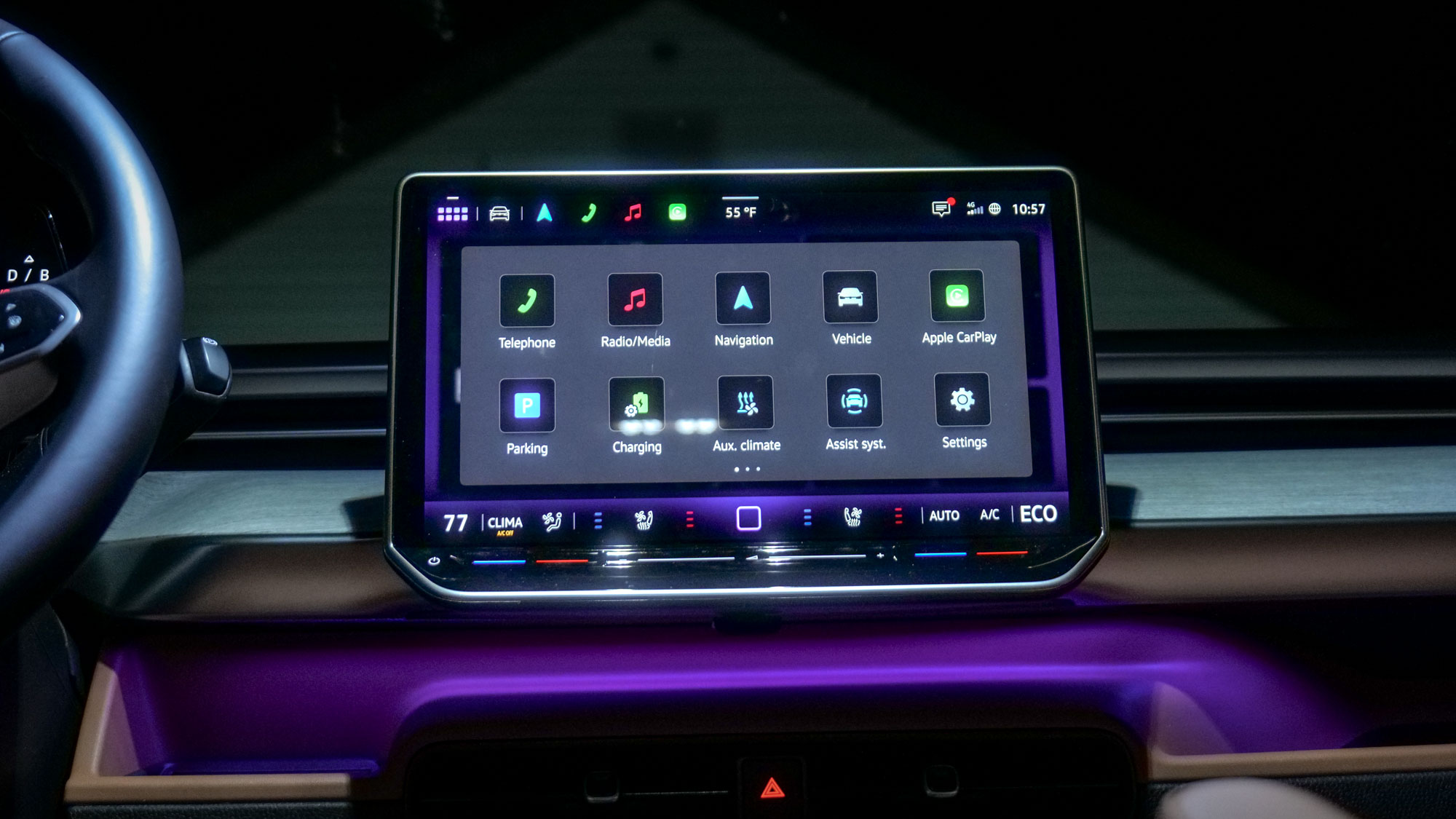
It’s meant to pack a lot of passengers, given how the Pro S Plus with 4MOTION trim that I tested offer 3-row seating, complete with 2nd-row captain’s chairs that make it ultra comfortable for long trips. Other neat features include its power sliding rear passenger windows, an intelligent adaptive cruise control system, and surprisingly good efficiency. For a van, I’m impressed that it can get 3 mi/kWh efficiency.
Vacations and road trips are made better by its size, but given how all-electric vans are hard to come by, it’s great that Volkswagen paid a lot of attention to the ID.Buzz. Even though its range could be better, at least it charges pretty decent with Level 1 charging.
Read our full Volkswagen ID.Buzz review.
Best plug-in hybrid
Image 1 of 8
 (Image credit: Tom’s Guide / John Velasco)
 (Image credit: Tom’s Guide / John Velasco)
 (Image credit: Tom’s Guide / John Velasco)
 (Image credit: Tom’s Guide / John Velasco)
 (Image credit: Tom’s Guide / John Velasco)(Image credit: Tom’s Guide / John Velasco)
 (Image credit: Tom’s Guide / John Velasco)
 (Image credit: Tom’s Guide / John Velasco)
9. Kia Niro Plug-in Hybrid
Specifications
Price Tested: $40,790
Range: 34 miles (all-electric)
Fuel Economy Rating: 108 MPGe combined
Drive: FWD
Level 1 Charging Speed: 1.66 mi/hr
Reasons to buy+
Affordable cost
+
Smooth EV acceleration
+
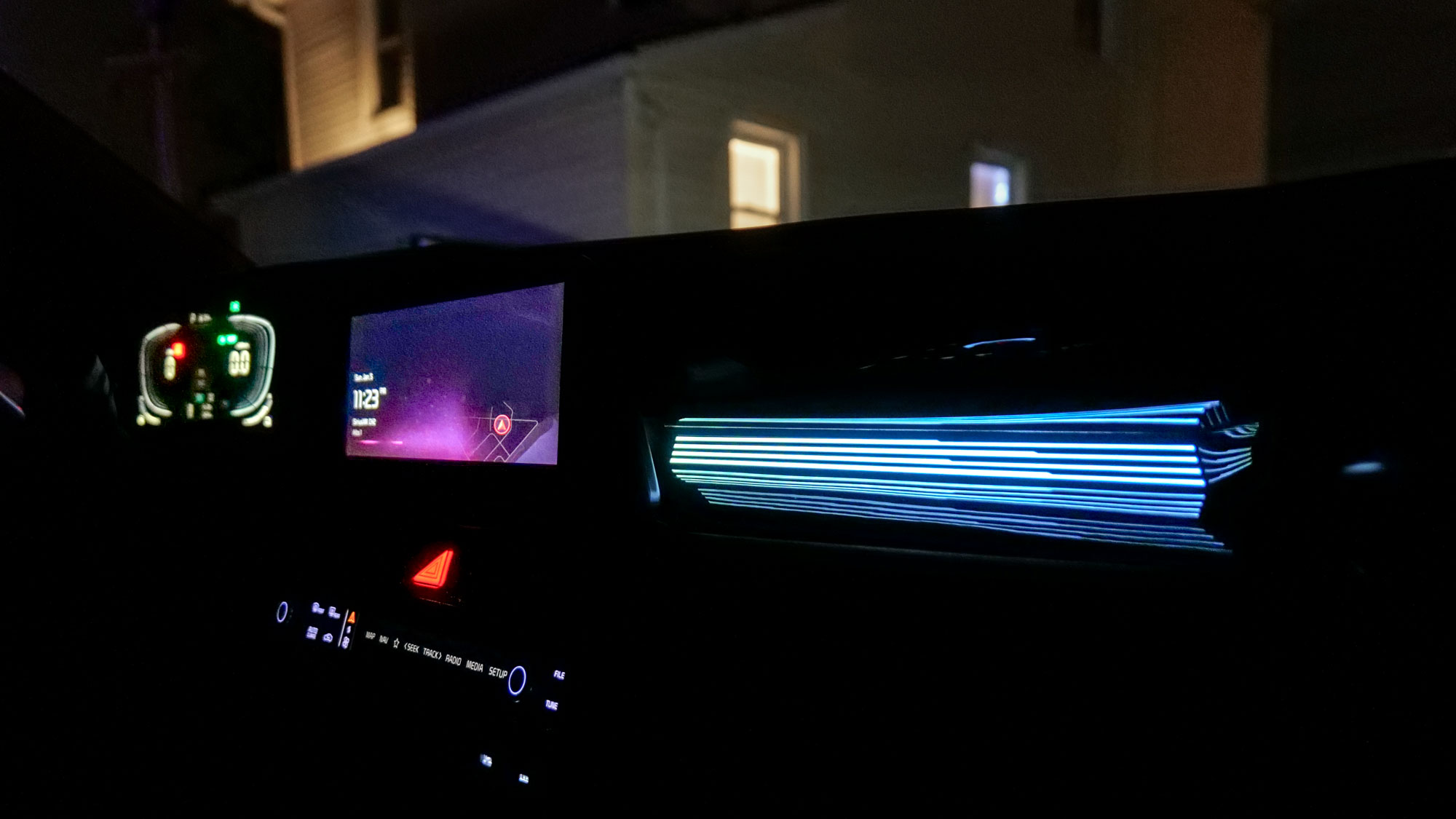
Charming ambient lights
Reasons to avoid-
Gas power performance struggles
–
No auto dimming mirrors
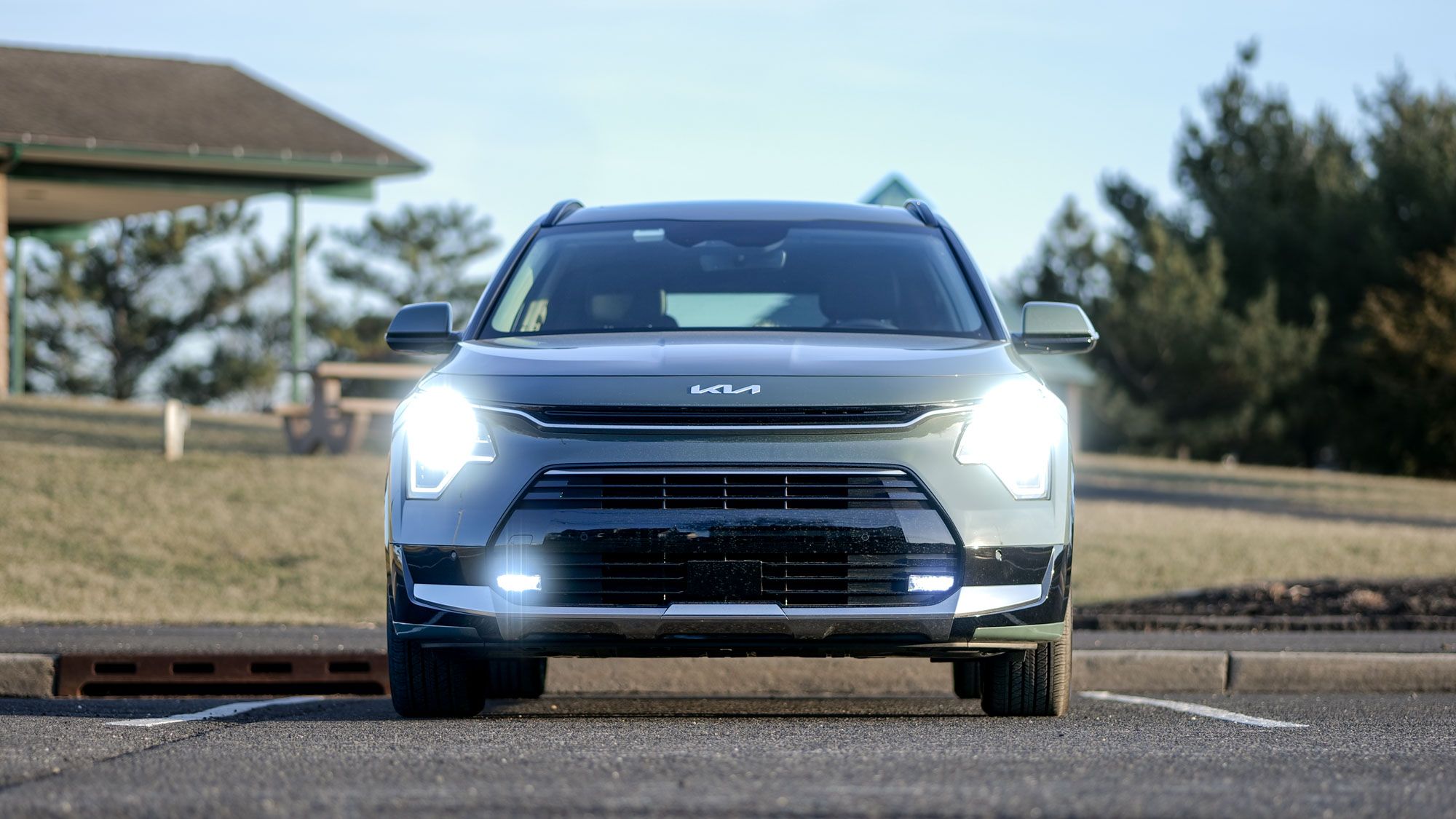
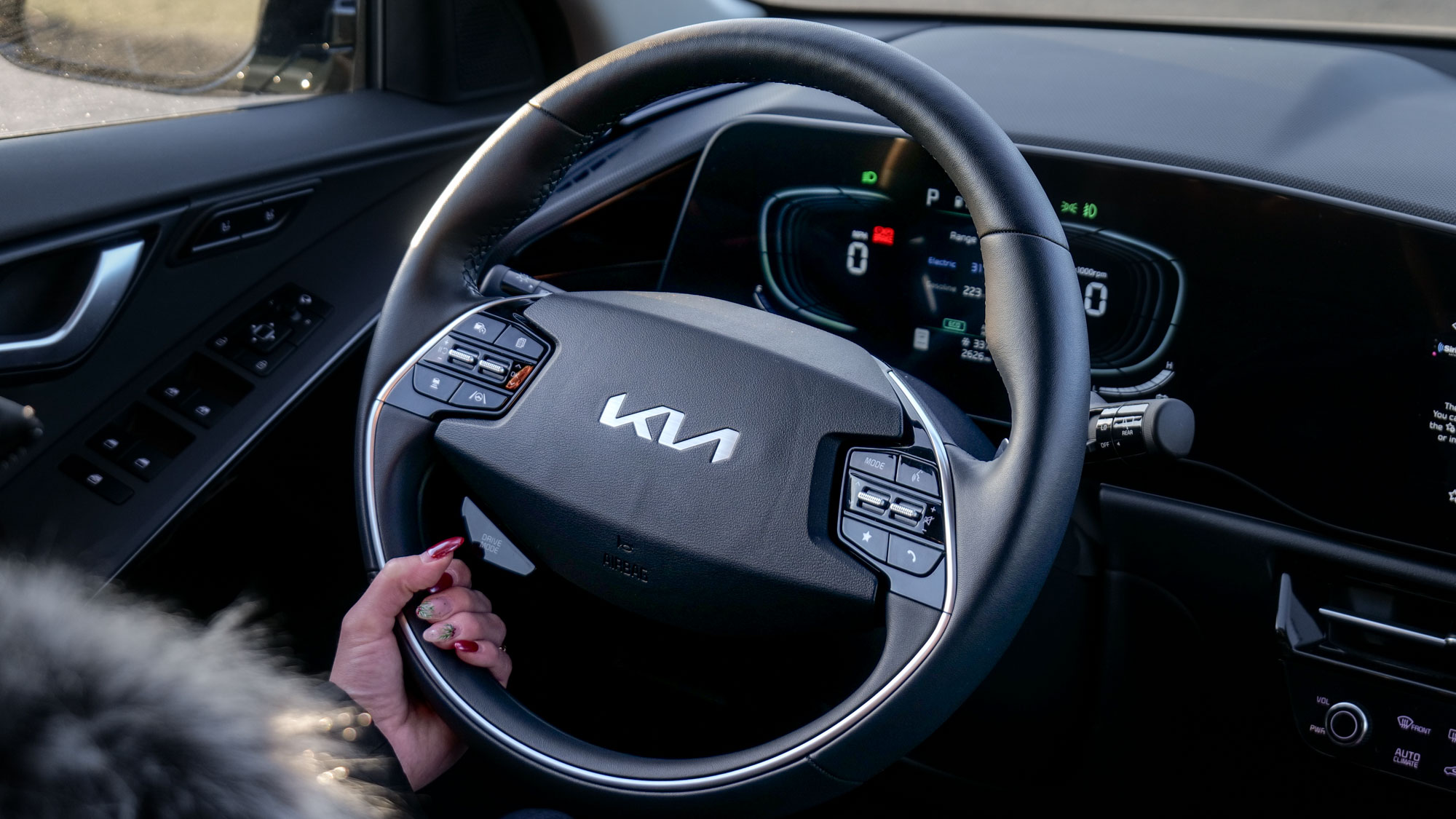
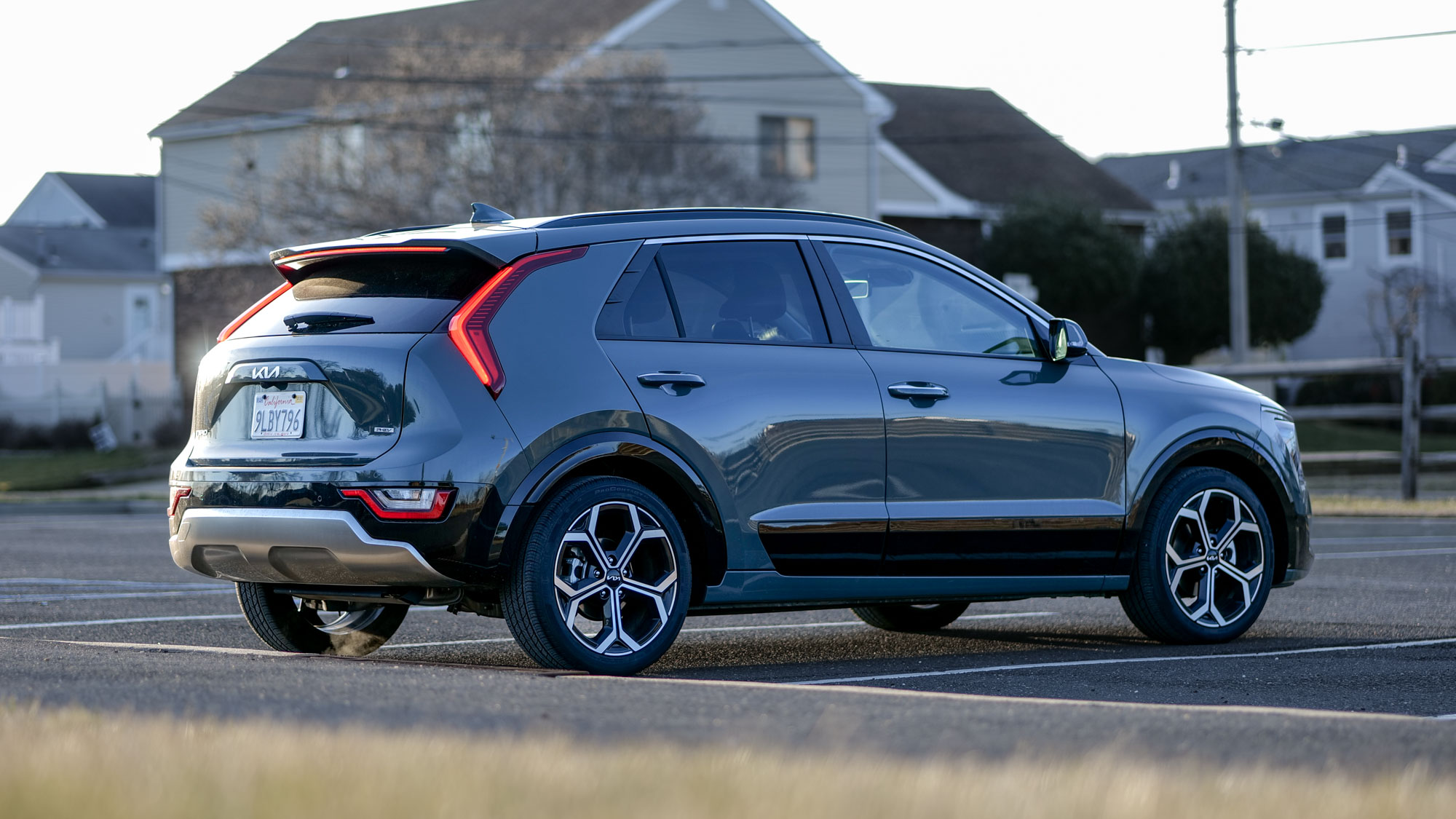
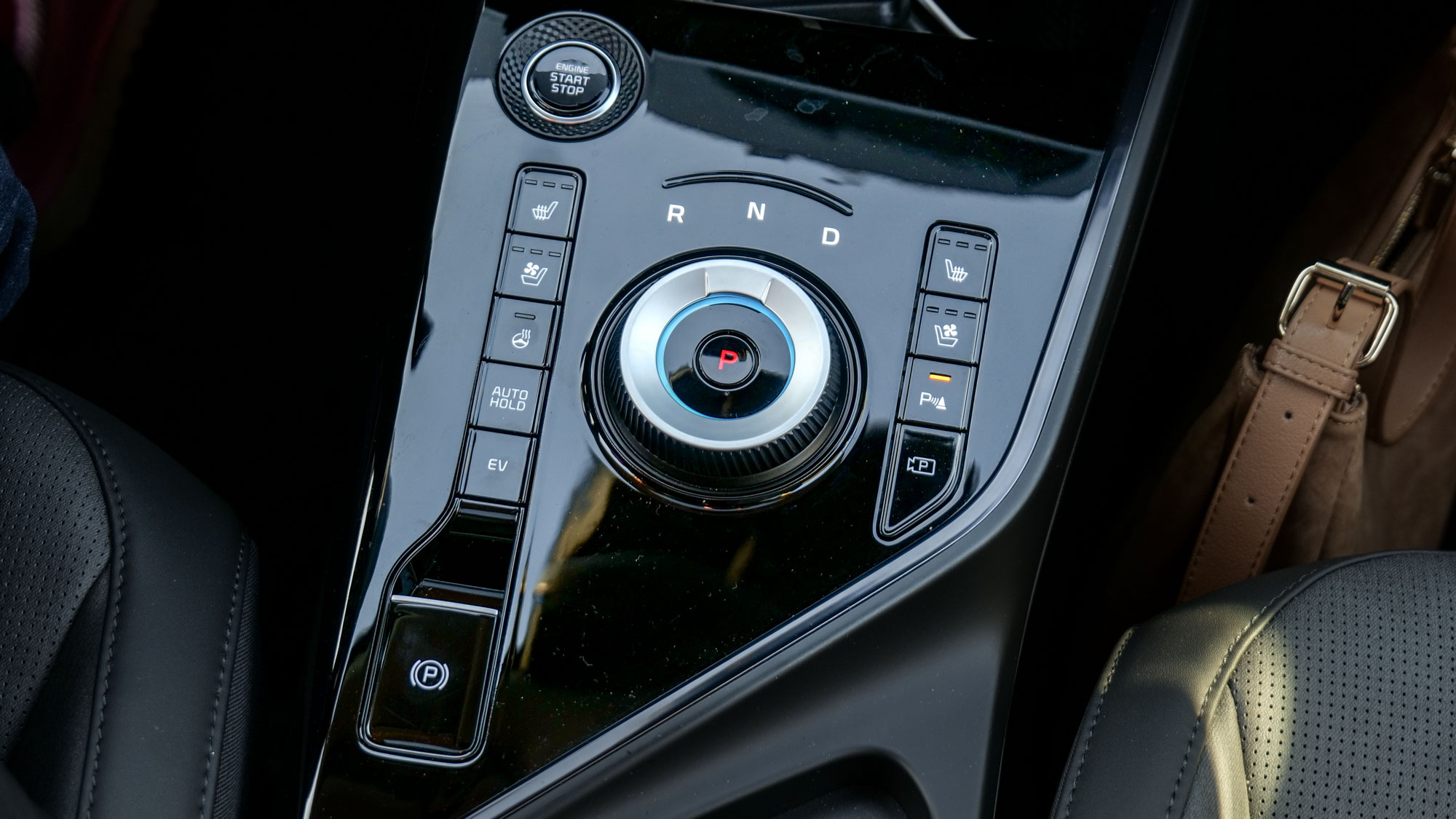
A lot of people still fear EVs. largely due to the range anxiety that exists. That’s why plugin electric vehicles, also known as PHEVs, exist to give drivers the best of both worlds. Out of all the PHEVs I’ve driven, the Kia Niro Plug-In Hybrid offers outstanding fuel economy at a reasonable price.
I will say that I wish PHEV pricing were lower in general, but the Kia Niro is one of the most affordable options. The trim I tested, the SX Touring, features an 11.1 kWh battery that rated for 34 miles of range. For those that don’t travel far on a daily basis, this is more than enough — especially with Level 1 charging, which overnight should return a decent amount back.
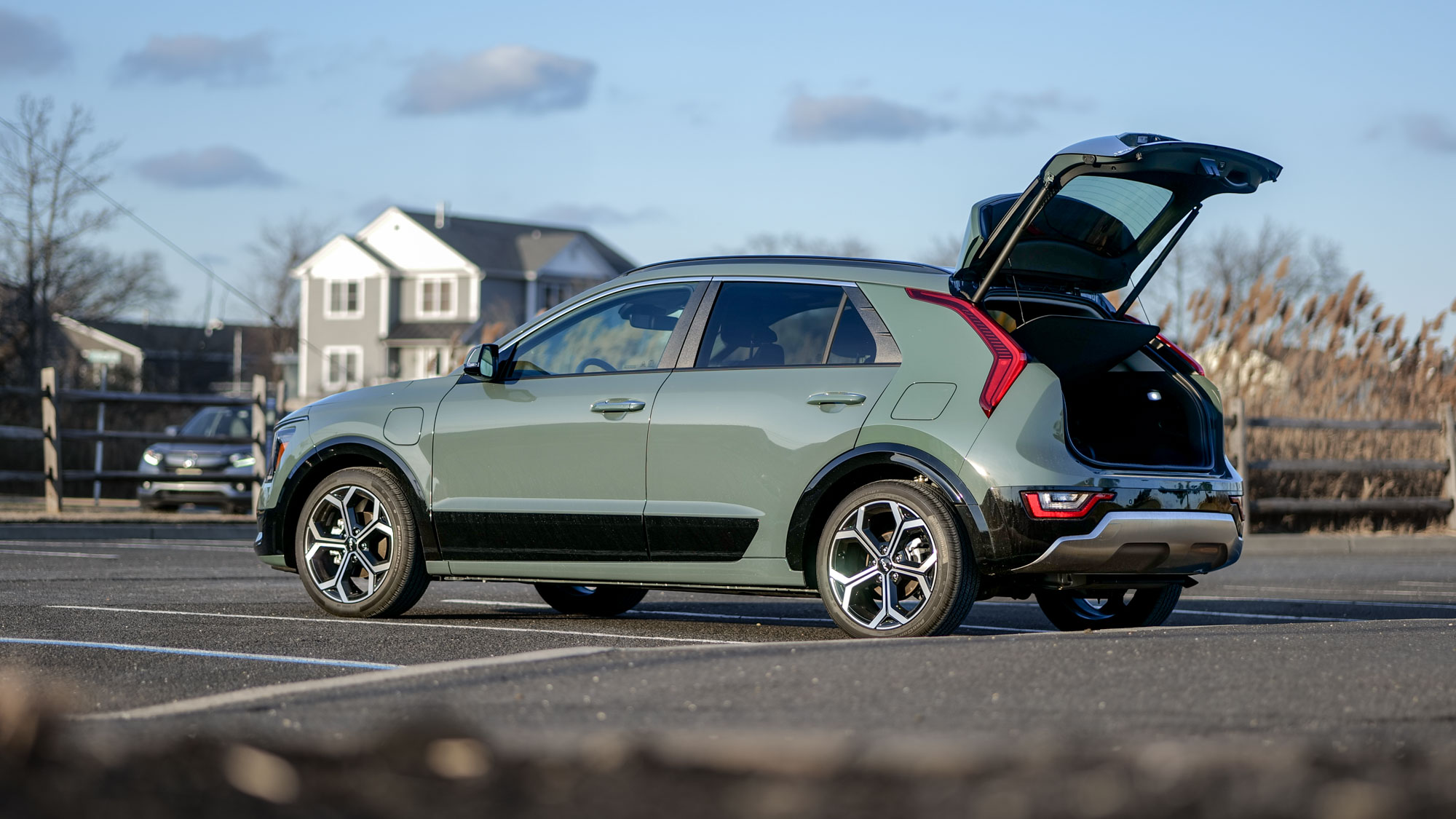
Since it’s a compact SUV, I really like how the Niro PHEV can still have the utility of carrying larger payloads. Yes, it’s much smaller than other PHEVs I’ve tested, like the Alfa Romeo Tonale PHEV, Mazda CX-90 PHEV, and Kia’s own Sportage PHEV, but it’s one of the more modestly priced PHEVs on the market with a starting price of $34,490 with the base trim.
Read our full Kia Niro Plug-In Hybrid review.
Best all-electric SUV
Image 1 of 8
 (Image credit: Future)
 (Image credit: Future)
 (Image credit: Future)
 (Image credit: Future)
 (Image credit: Future)
 (Image credit: Future)
 (Image credit: Future)
 (Image credit: Future)
10. Honda Prologue
Specifications
Price Tested: $57,900
Range: 283 to 308 miles
0 to 60 mph: N/A
Drive: AWD
Average Efficiency: 3.4 mi/kWh
Level 1 Charging Speed: 2.4 mi/hr
Reasons to buy+
Charming looking design
+
Excellent turning radius
+
Better than expected efficiency
Reasons to avoid-
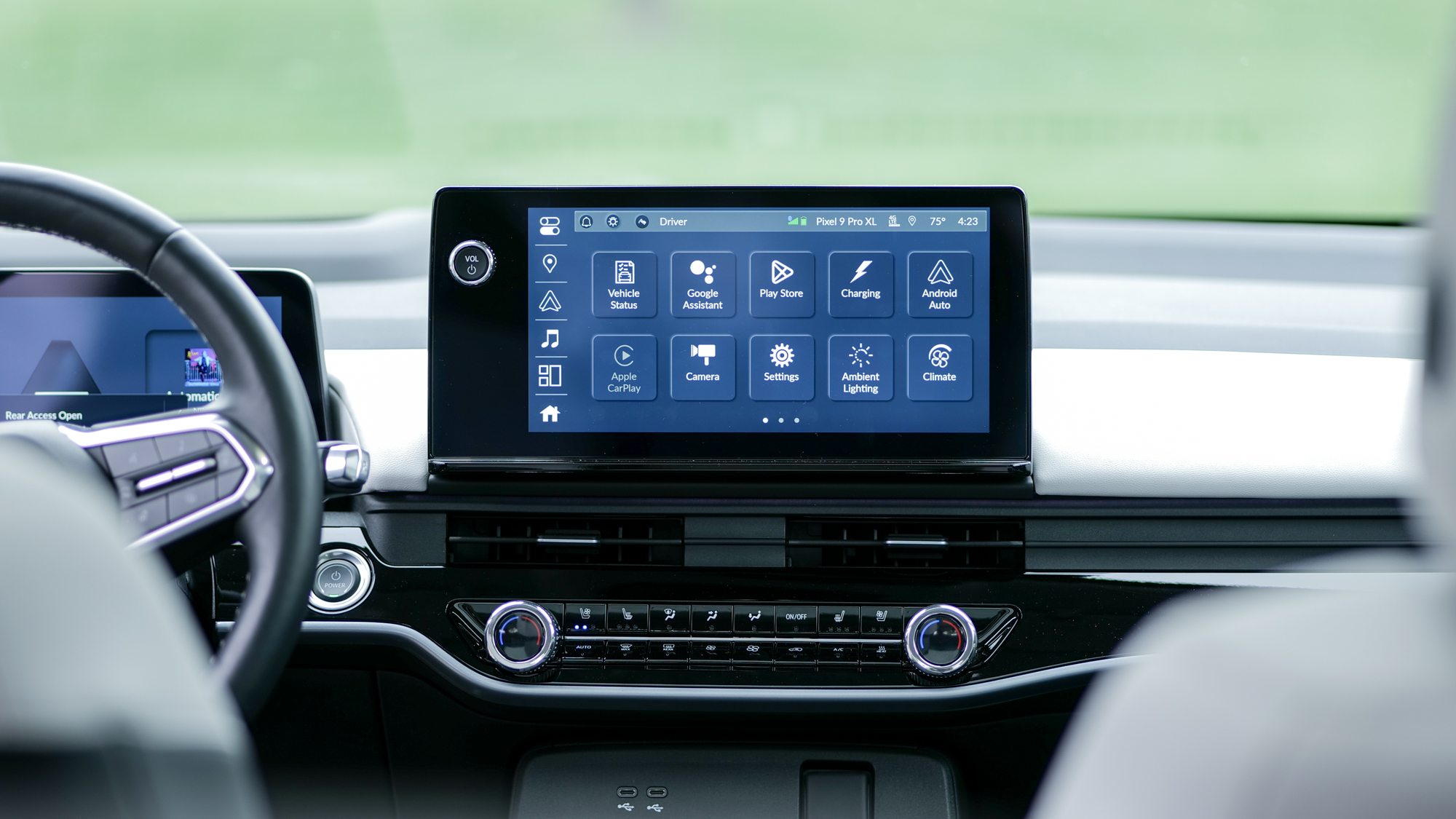
Small, dull looking main display
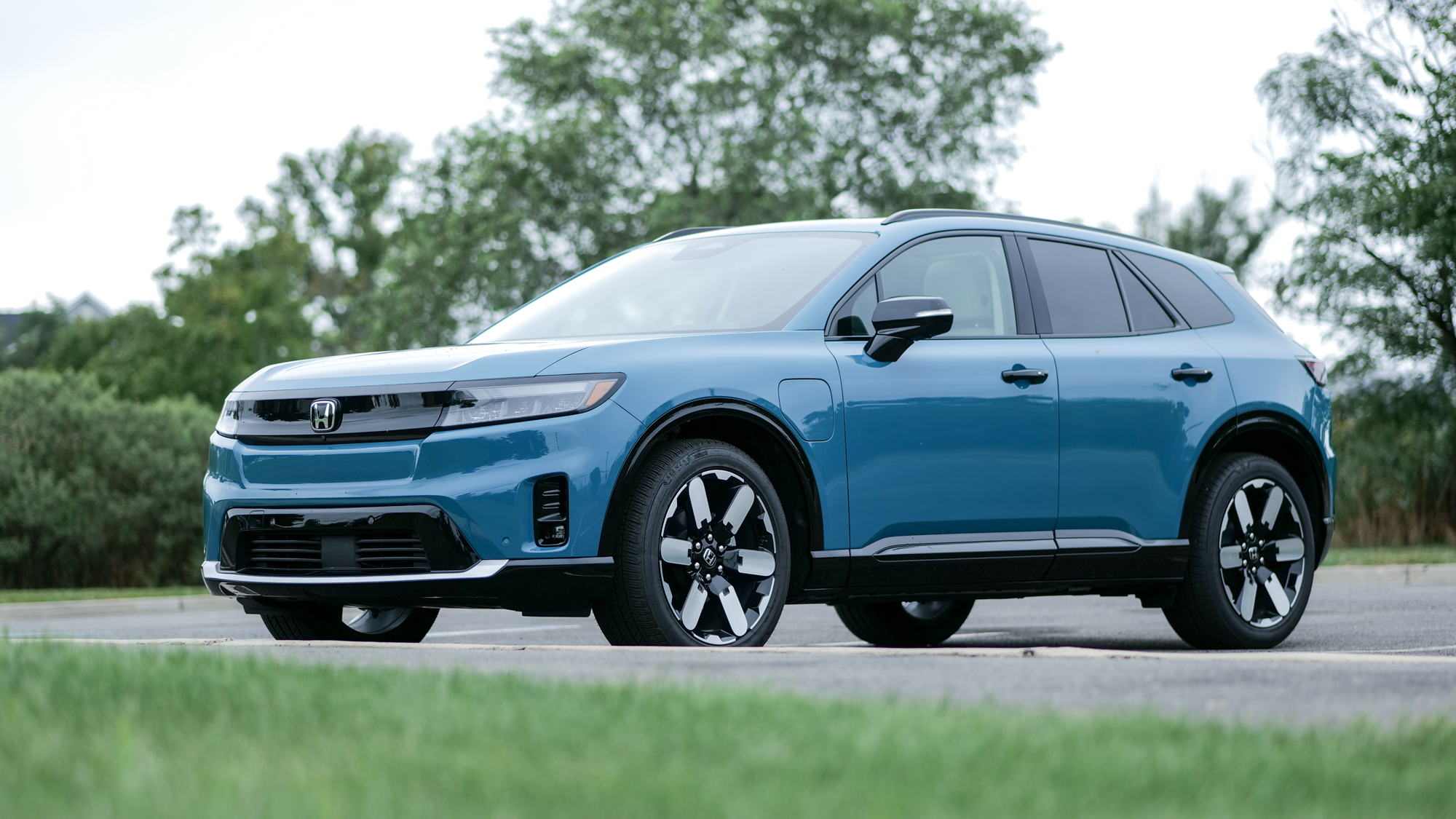
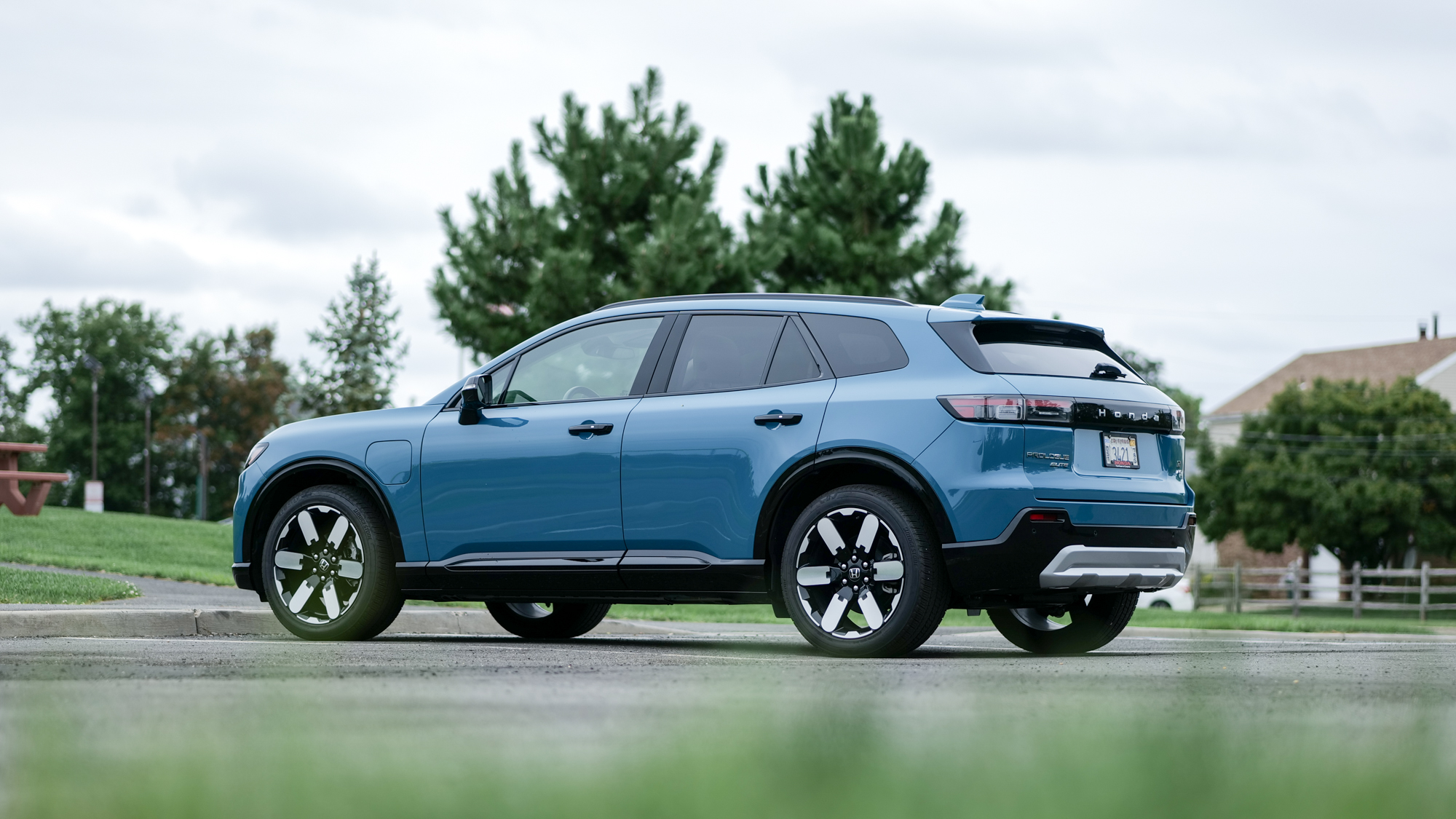
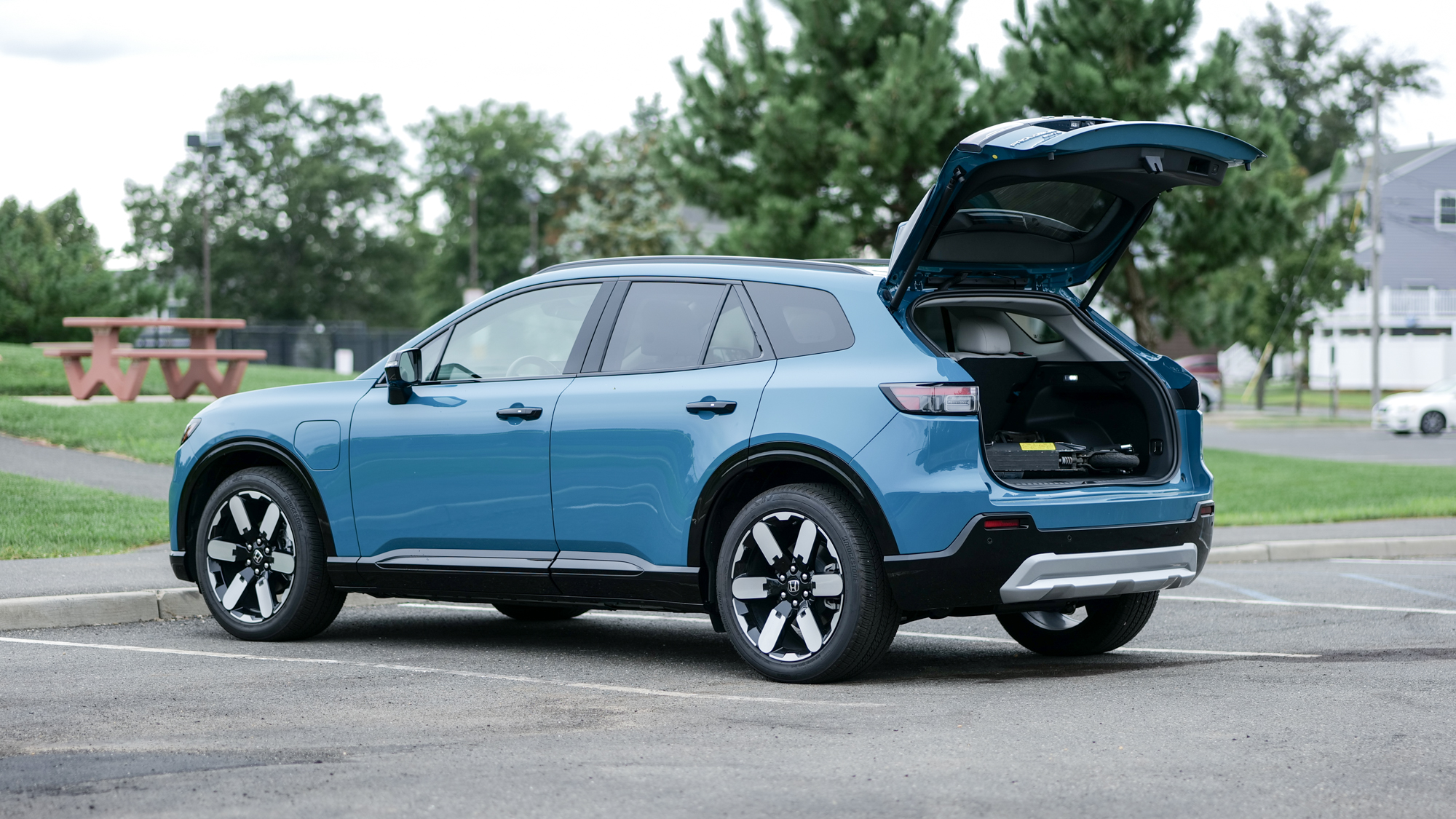
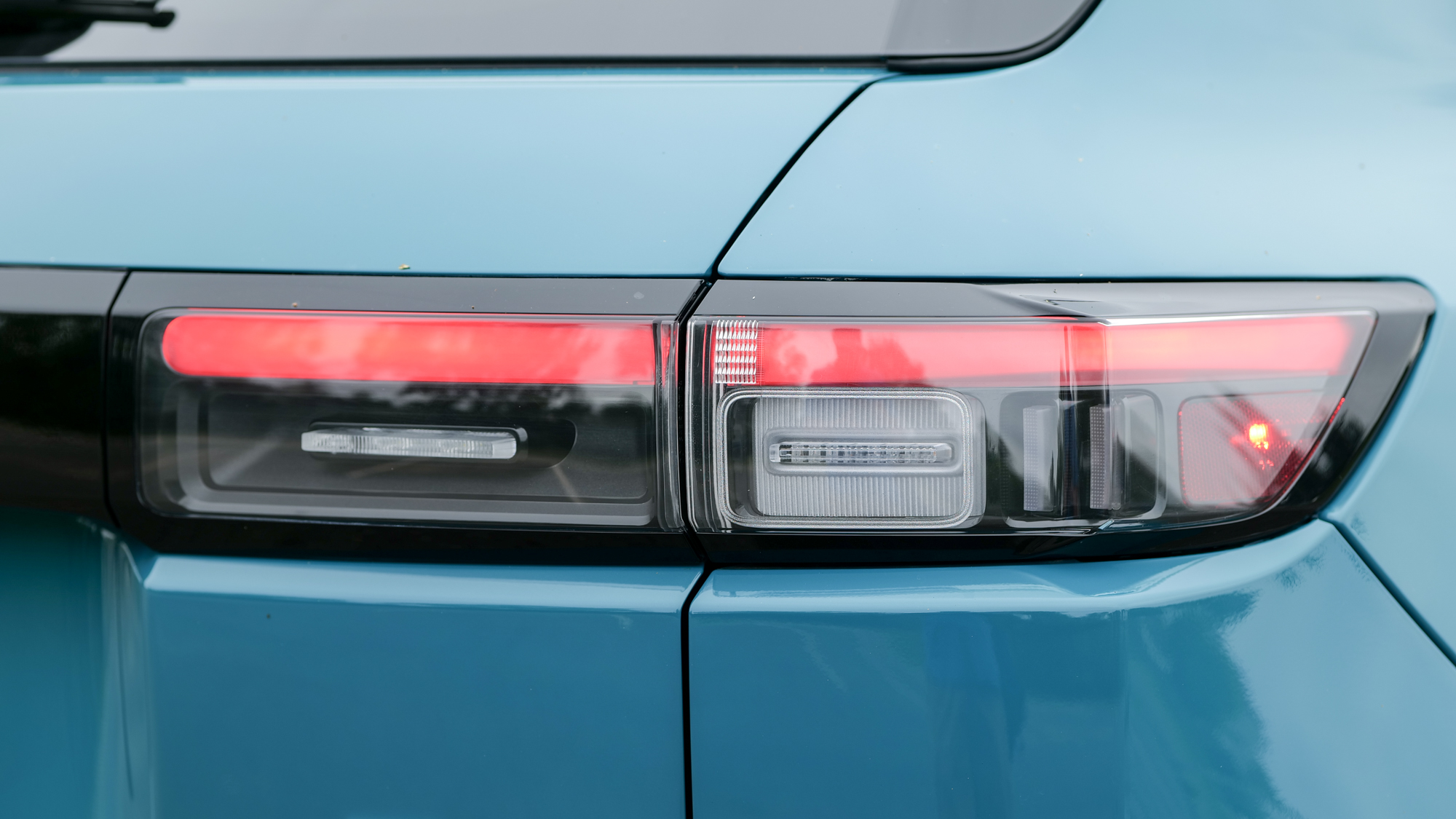
When I first checked out the Honda Prologue at the New York Auto Show, I quickly dismissed it for being too conventional. The design looked boring compared to everything else, but it’s a reminder of how there’s more to it than meets the eye.
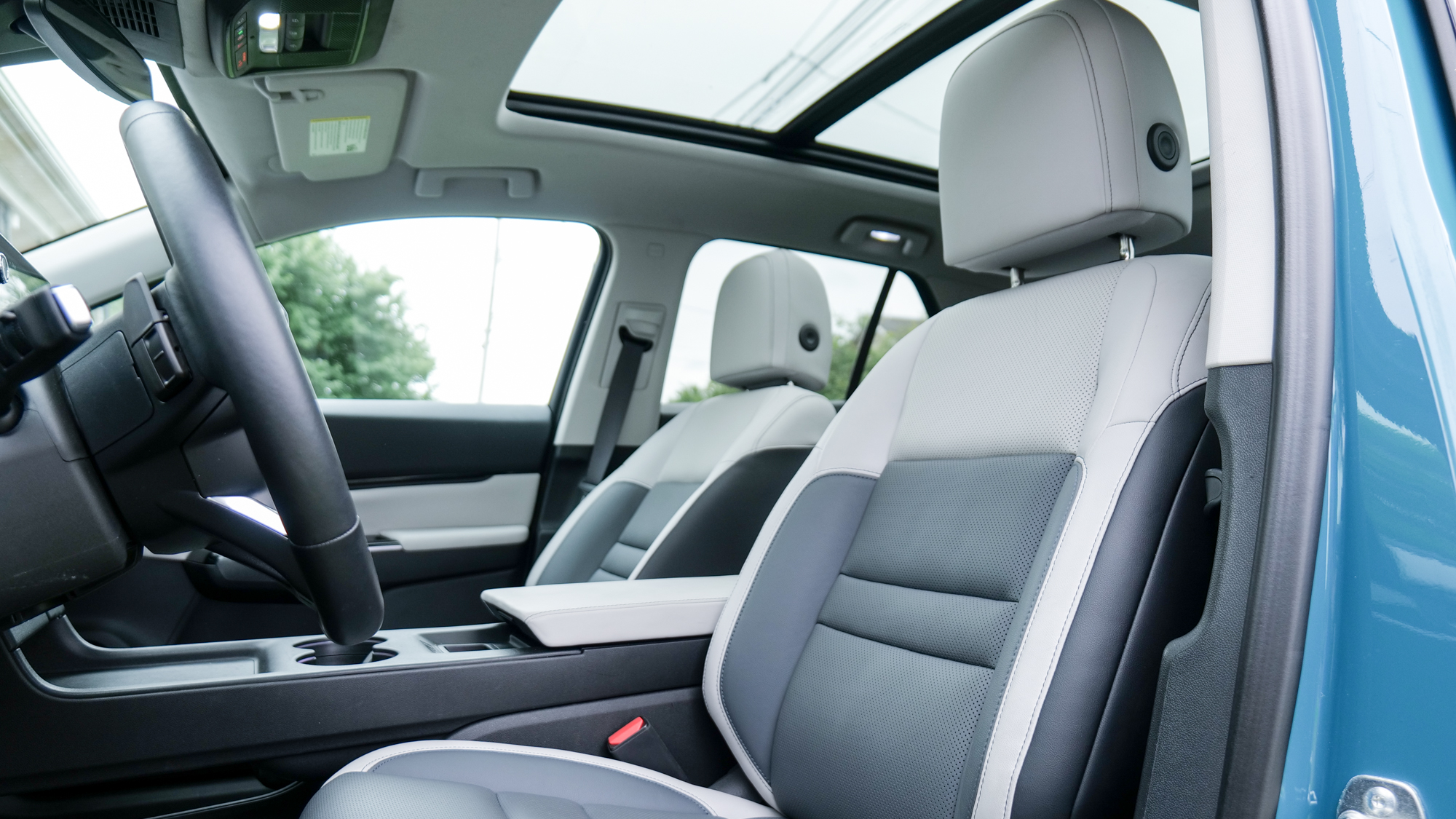
That’s because I had a complete change of heart after driving the Honda Prologue for a week, which impressed me for its spacious size, utility, good turning radius, and excellent efficiency. The Elite trim also packages in a lot of premium features, like a head-up display and panoramic sunroof.
The reason why the Honda Prologue is the best all-electric SUV you can buy is because of its modest starting cost paired with its ability to carry a lot of people (and payloads) comfortably. While the design borrows from a more conventional stylizing, its smooth driving makes it fun to drive around as a family vehicle.
Read our full Honda Prologue review.
How we test electric cars
(Image credit: Tom’s Guide / John Velasco)
There’s a lot that I look at when determining what are the best electric cars you can buy today. From their price and features, to how fast they charge, and how efficient they are, there are a lot of factors to consider.
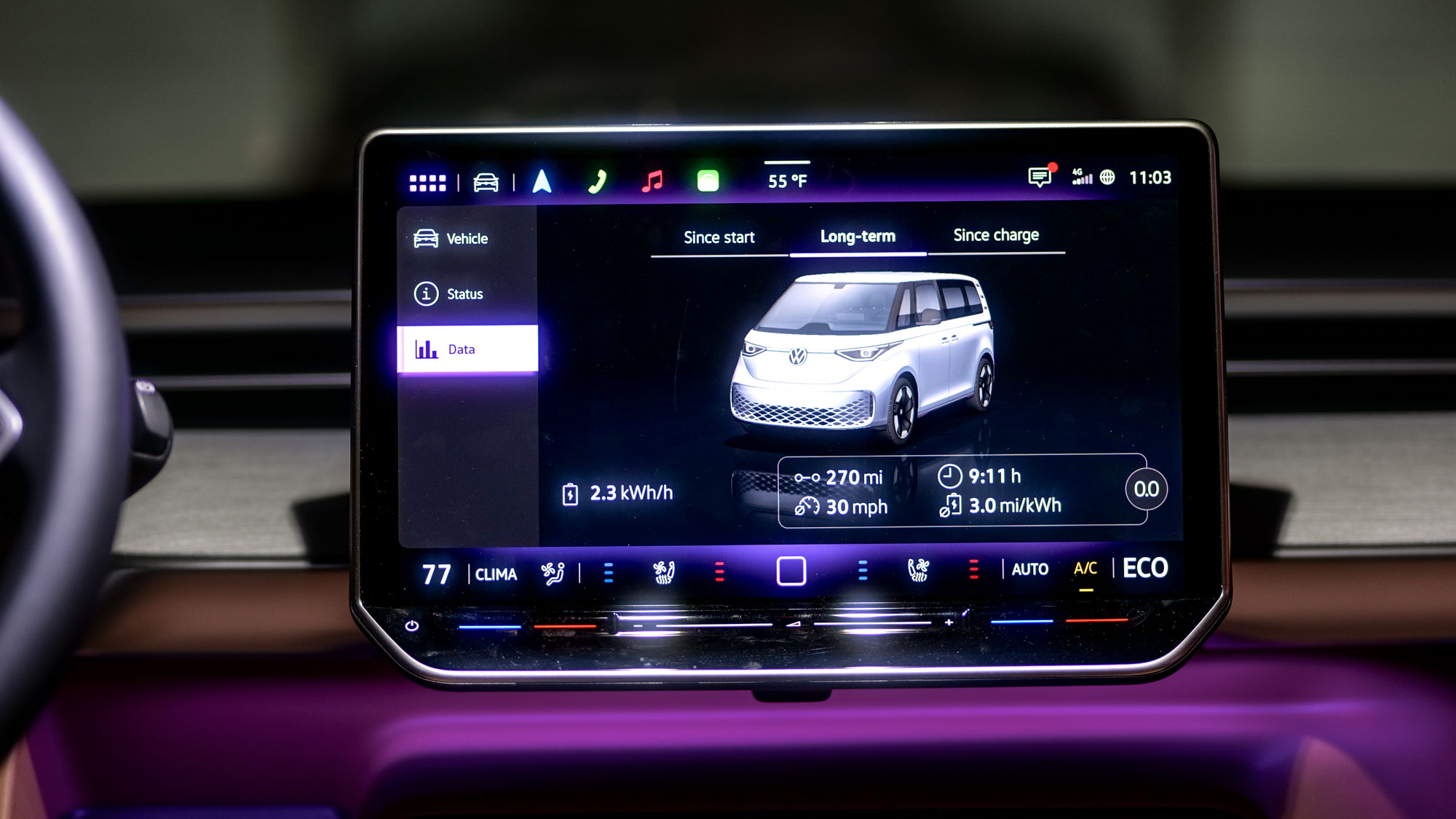
All the electric vehicles we test are driven for a full week, under various driving conditions. Not only do we measure their average efficiency from beginning to end, but we also point out in our reviews some of their best long and short distance efficiencies.
Similar to the fuel economy in a gas-powered vehicle, a battery’s efficiency determines how well a vehicle is working to deliver the most range based on its battery capacity — which is measured in mi/kWh. The higher the number, the more efficient it is. Here’s how our favorite EVs stack up in this area:
Swipe to scroll horizontallyRow 0 – Cell 0
Average Efficiency
Volvo EX30
3.4 mi/kWh
Subaru Solterra
4.2 mi/kWh
Hyundai Kona Electric
4.3 mi/kWh
Nissan Leaf
3.6 mi/kWh
Rivian R1t Tri
2.09 mi/kWh
Cadillac Lyriq
2.6 mi/kWh
Audi A6 Sportback
3.7 mi/kWh
Volkswagen ID.Buzz
3 mi/kWh
Kia Niro Plug-In Hybrid
39.8 mpg
Honda Prologue
3.4 mi/kWh
Another metric we look at is to see how fast they charge with Level 1 charging at home. Even though it’s much slower than Level 2 charging, most homes are equipped to handle Level 1 charging because it relies on your standard 120V outlet — whereas Level 2 charging requires additional installation.
Swipe to scroll horizontallyRow 0 – Cell 0
Level 1 Charging Speed (mi/hr)
Volvo EX30
3.66 mi/hr
Subaru Solterra
3.82 mi/hr
Hyundai Kona Electric
3.96 mi/hr
Nissan Leaf
4.24 mi/hr
Rivian R1t Tri
2.25 mi/hr
Cadillac Lyriq-V
3.65 mi/hr
Audi A6 Sportback
2.82 mi/hr
Volkswagen ID.Buzz
2.66 mi/hr
Kia Niro Plug-In Hybrid
2.83 mi/hr
Honda Prologue
2.4 mi/hr
If you intend on driving long distances, however, I recommend putting the investment in installing a Level 2 charger because it usually provides a full charge with charging overnight.
What to look for in an electric car
(Image credit: Future)
Buying a new car is a very personal thing, and electric cars are no exception to that. What you want to look for is all very dependent on your circumstances and what you need the car to be able to do. That’ll help you narrow things down and work out which EV is right for you.
If you have a large family, and need to move a bunch of kids and their stuff around on the regular, you’re not going to want a compact vehicle. Likewise if you only need something for short trips and getting groceries home, you don’t necessarily need a big long-range SUV.
As for range, it’s easy to insist that more range is always better but that’s not always the case. Having that option is helpful, but if you commute under 50 miles a day and rarely take long road trips, then a car with 300 miles of range isn’t essential. It’s nice to have if you can afford it, but it shouldn’t put you off. The same is true for performance. super-quick cars are fun to drive, but how often are you going to take advantage of that?
Finally, supply chain issues may limit your choice and force your hand. Automakers have been struggling to produce cars, especially as demand picks up, but that doesn’t mean they’re impossible to buy. Some dealers and automakers will have new models in stock, you just won’t get much choice in what features are included.
Next: Here’s how you can keep your electric car’s battery healthy.
More from Tom’s Guide
Today’s best Dash Cams deals