Tokyo dreams, Addis streets
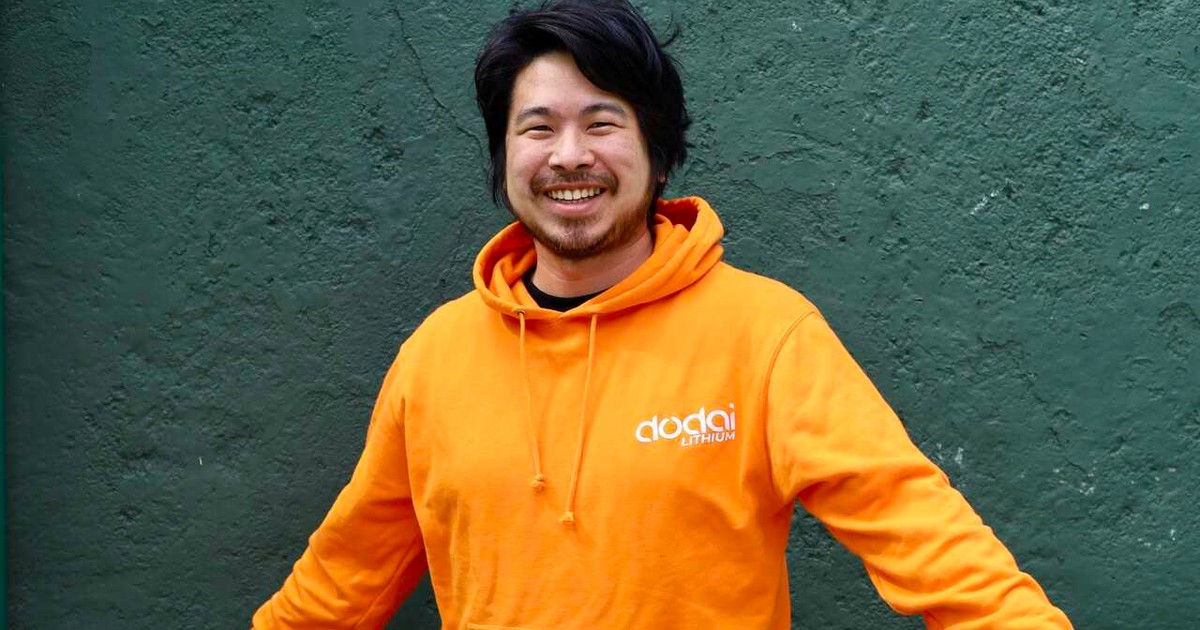
Sasaki’s African story started far from Addis, at the University of Tokyo. After graduating, he joined a large Japanese oil and gas company. Not for a love of petroleum or corporate ladders, but because he hoped they would send him to Africa, Gabon, Nigeria, Senegal, anywhere with energy, opportunity, and challenge.
“They never did, so I quit,” he said. “It was about the size of TotalEnergies, roughly $100 billion in revenue. Very big in Japan, but not global. So I left and joined PEG Africa, a solar company in West Africa, to work in Ghana and Côte d’Ivoire.”
But before moving, he did what he calls a “gap upgrade.” He enrolled at ESSEC Business School in France to sharpen his skills and improve his language abilities. “I am Japanese, not an engineer, and my English and French were not native-level. I needed something extra to create an entry point into Africa,” he explained.
By 2021, Africa was calling again. He moved first to Djibouti, then to Ethiopia, and in 2022 founded Dodai.
After two years working in solar, Sasaki had seen up close how tough it is to electrify communities and build businesses in African markets.
He eventually headed back to Japan, joined Uber, and later became a founding member and chief business officer at Luup, a Japanese e-mobility startup now eyeing a 2026 IPO and valued at around $400–$500 million.
By 2021, Africa was calling again. He moved first to Djibouti, then to Ethiopia, and in 2022 founded Dodai.

Tough terrain, tougher vision
While most investors stick to Africa’s usual hotspots, Lagos, Nairobi, and Johannesburg, drawn by their large populations and strong economies, Sasaki intentionally looks for opportunities off the beaten path.
“There are markets people avoid,” he said. “Nigeria and Kenya are attractive but crowded. Ethiopia and the DRC are large but difficult, with fewer competitors. That means more impact if we succeed.”
Ethiopia is famously tricky to do business in, with complex bureaucracy, logistics, and regulations. Being landlocked, it relies on neighbouring countries’ ports for imports and exports, most goods have to go through Djibouti, and paperwork can be labyrinthine.
Even so, Sasaki is encouraged by the pace of reform. “Ethiopia is difficult, but the speed of progress is remarkable. Retail, banking, and real estate sectors have opened to foreign investment within the past 18 months. The pace is faster than anywhere else I know on the continent.”
Early on, Dodai landed a big win when the Ethiopian Postal Service became an exclusive partner in 2023, even before the company started selling bikes to the public. It remains Dodai’s biggest customer today.
Electric dreams on the street
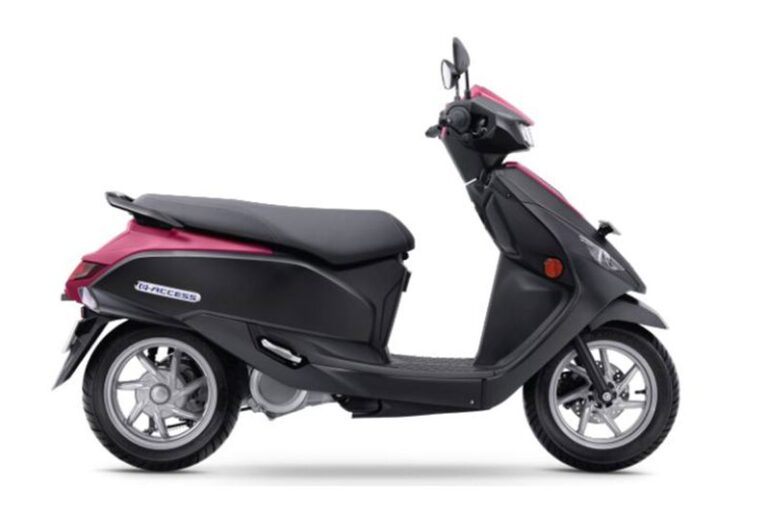
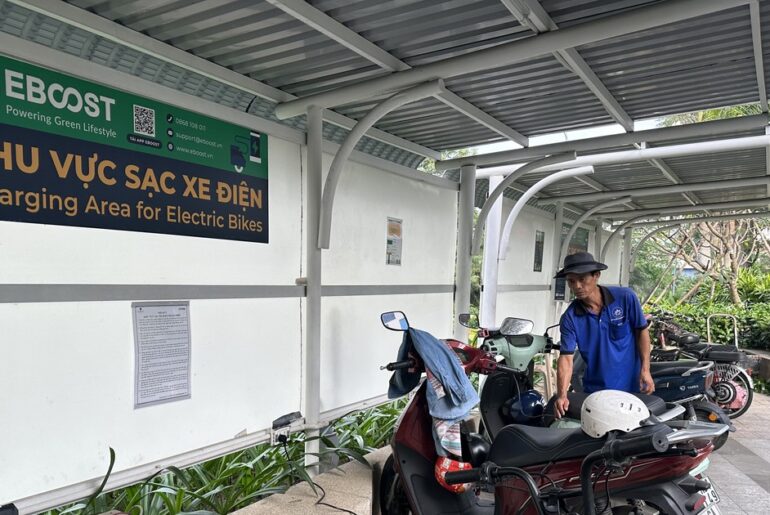
Dodai’s electric motorcycles cost between $1,200 and $2,000, depending on battery size and range. They’ve become a favourite for businesses with delivery needs since a single charge can cover up to 150 kilometres (93 miles). Their advantage comes from using lithium-ion batteries, while most competitors still rely on lead-acid ones.
All of Dodai’s bikes are assembled in Ethiopia using imported parts, and in the past 18 months, the company has sold around 1,500 units.
Unlike some competitors like Spiro, Dodai’s fixed-battery model works well because many customers can charge at home. But the company plans to roll out battery swapping in the future to make things even easier.
With battery swapping, riders can trade a dead battery for a fully charged one in just a couple of minutes at dedicated stations. They don’t own the battery anymore, which cuts the upfront cost of the motorcycles by 40–50% and makes electric bikes much more affordable for city commuters.
Dodai kicked off a soft launch of its battery-swapping stations in August, with a full rollout expected around February or March next year. Sasaki sees big potential for the system.
“In five years, we aim to serve 50,000 battery-swapping users in Ethiopia and expand into five or six other African countries through partnerships with local operators,” he says.

Japanese investors, long-term bets
Raising money in Ethiopia isn’t easy. Many international investors are hesitant, worried about tricky regulations and the risks of an underdeveloped market. So Sasaki turned to Japanese investors instead.
“So far, we’ve raised $7 million, and we’re closing a new round soon,” he said. The backers include Japanese venture capital firms Nissay Capital and Inclusion Japan, plus auto parts company Musashi Seimitsu.
“Most of our investors are Japanese because it is very hard to convince international investors to invest in Ethiopia. Japanese investors are patient and understand they do not know Africa, which is actually a strength.”
That patience gives Dodai room to focus on building the business for the long term instead of worrying about short-term returns. It also lets them experiment with battery swapping, local assembly, and software without the constant pressure to deliver quick wins.
Local hands, continental reach
Right now, Dodai imports most of its parts for assembly, but Sasaki has bigger plans. He wants to team up with local manufacturers, create jobs, and build up domestic production.
“We want to focus on battery-swapping and software while helping local manufacturers grow,” he said.
In five years, Sasaki sees Dodai playing across the continent. Ethiopia will be the starting point, a testbed for scalable electric mobility. Working with local partners in other African countries will let Dodai expand without losing the quality or community focus that makes the brand stand out.
“We want to demonstrate that Africa can build sophisticated mobility infrastructure,” he said. “Battery-swapping is just the beginning. Software, data analytics, and local assembly will follow.”
Sasaki advises entrepreneurs to think differently, be patient, and embrace complexity. While many chase the obvious hotspots like Lagos or Nairobi, the continent’s toughest challenges and often its biggest opportunities are in places people tend to overlook.