A driver claimed his parked electric car “jumped forward” and killed a child because the boy touched an external sensor.
Ashenafei Demissie was in a car park in his Volkswagen when it accelerated rapidly into Fareed Amir, five, the child of a family friend, and his own son Raphael, 12, who suffered serious leg injuries.
A police collision investigator told the Old Bailey on Wednesday that he could not find any fault with the car and concluded that the driver pressed the accelerator rather than the brake.
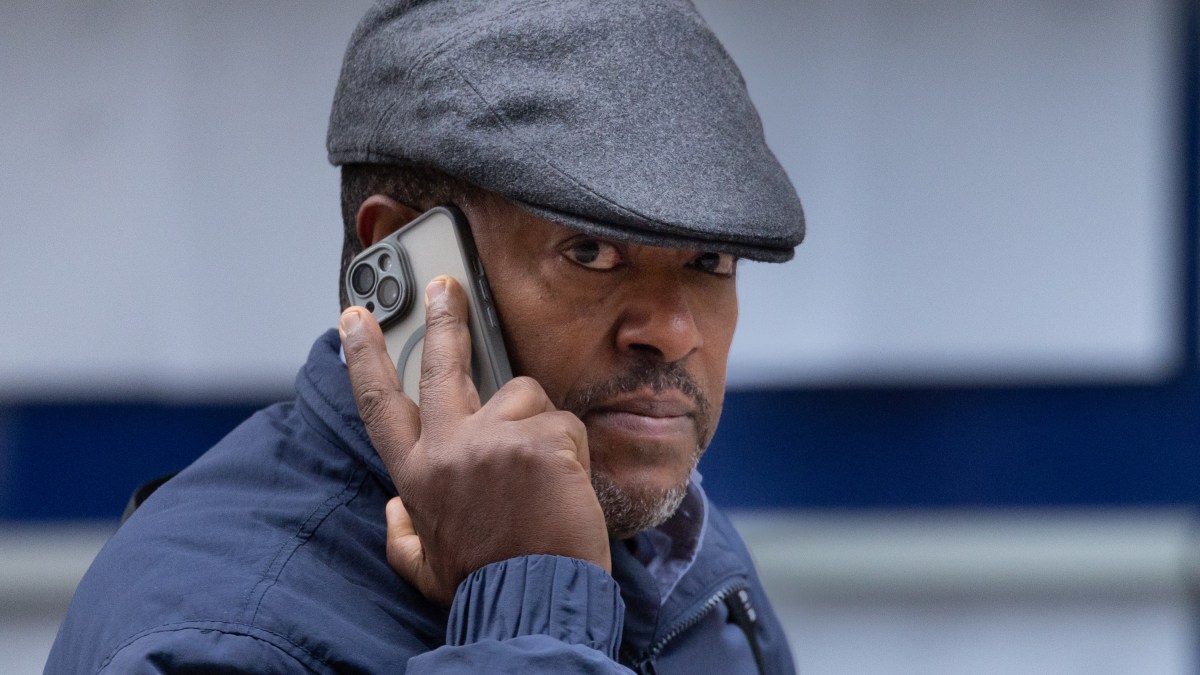
Demissie, 52, denies causing death and serious injury by careless or inconsiderate driving.
Fareed was walking home from primary school with his mother, Maryam Lemulu, when she stopped to talk to her friend and Demissie’s wife, Yodit Samuel, who was with Raphael.
Demissie offered Fareed a treat but his mother said he could not have it as she was trying to stop him eating sweets. The Volkswagen ID 4 then suddenly shot forward, hitting the two boys and crashing into five other cars before coming to a stop, the court was told.
Demissie, a minicab driver, said he had rented the car from Addison Lee for two months at the time of the incident in November 2022.
He told police that after Fareed’s mother said he could not have a sweet, the boy “went by the sensor at the front of the car and suddenly the car jumped. I believe the car jumped because Fareed touched the sensor”.
“I have been driving for 21 years and I have never seen anything like it,” he added.
Demissie had stopped in the car park outside his flat close to London Bridge Station in south London. He told police he pressed the “P” button for the parking brake and took his feet off the pedals.
The driver said the sudden acceleration was “something to do with the sensor because Fareed was there and he was touching it. Raphael was trying to make him stop.
“I had never had any mechanical problems with the car before. Just like a moment of madness. I don’t know what happened exactly. I tried to brake. It was like too late. It was just like a moment, second, whoosh and jump.
“It was not a normal drive, it was like the car jumped. I tried to steer but I don’t know what happened.”
The car, which weighs more than two tonnes, was 11 months old and had covered 19,132 miles.
The VW’s black box recorder did not store details of the incident, the court was told. The Event Data Recorder, which is also called Airbag Control Module, records six seconds of pre-event and 300 milliseconds of post-event details including the pressing of the accelerator and brake.
Records of incidents in which safety equipment such as airbags are deployed are kept permanently while other so-called “external trigger events” are overwritten when the system becomes full.

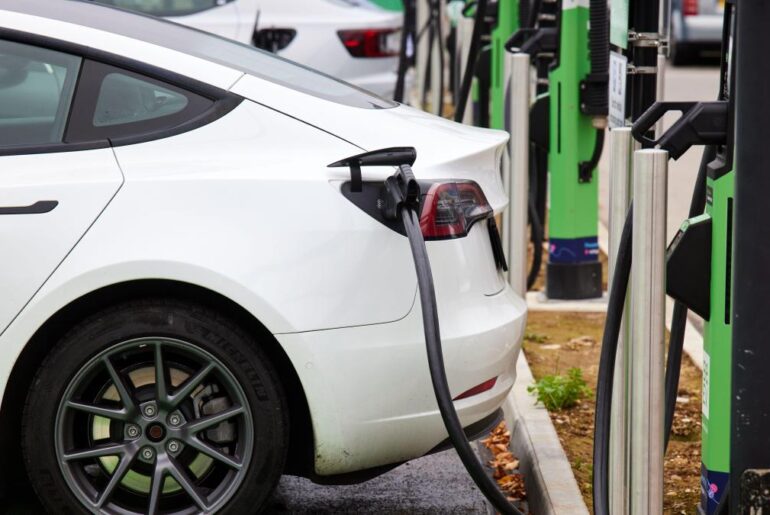
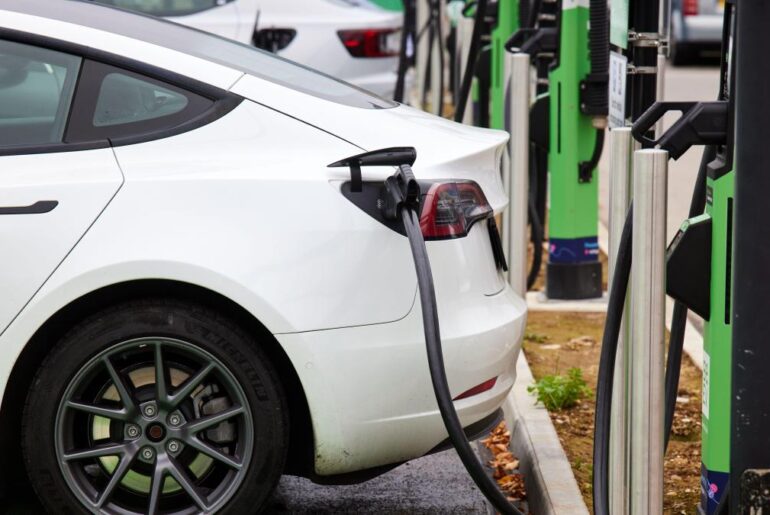
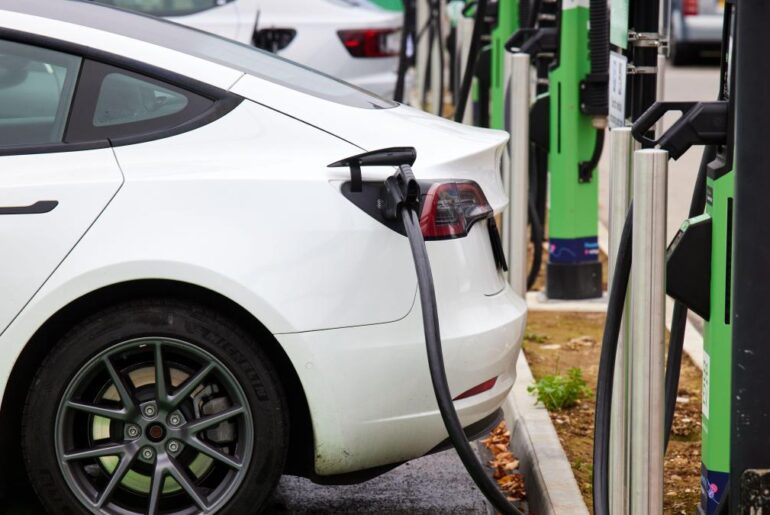
A VW ID 4, the car involved in the crash
GETTY
The court heard that there was no record of any incident in which safety equipment was deployed and the system became full two months before the fatal incident.
Mark Still, a Metropolitan Police forensic collision and automotive investigator, said because the VW hit a series of other cars it might not have met the threshold for the black box system recording an incident of an 8km/h change of speed over 150 milliseconds, which he described as “half a blink of an eye”. The airbags were not deployed.
Still said he had not investigated the car’s computer software, which he agreed was “an industry trade secret”.
“A fault with the electronic system, which includes the software … can either be replicated or not.” He said the car’s active hold feature, which operates the parking brake, was activated but would be overridden if the accelerator pedal was pressed.
“I was unable to find any defects that could have contributed to the collision or made the car accelerate without driver input,” he told the court. “Without any evidence of a fault, I could not get the vehicle to move apart from putting my foot on the accelerator. The vehicle could not be set to drive without the input of the driver and the brakes would bring the car to a stop if applied.”
Still concluded: “Mr Demissie’s foot was pressed on the accelerator, starting the vehicle moving and he continued to press the accelerator hard, most likely to full acceleration”.
The investigator described a “phenomenon” in previous collisions in which drivers claimed that their vehicles had accelerated when they believed they had been braking.
“They have put their foot on the wrong pedal,” he said. “The result of that is the car will start moving. Because the driver thinks they have their foot on the brake, they will likely press harder to make it stop … It spirals out of control.”
“The only way to make the car move was driver input by pressing the accelerator,” he added. “The evidence supports the view that this was pedal misapplication by Mr Demissie”.
Demissie wept as he began to give evidence in court about events leading up to the incident, the disabilities suffered by Raphael as a result of his injuries, and the death of Fareed whom he “treated like family”.
The trial continues.