The Toyota Prius is one of the most globally recognized hybrid models, pioneering the gasoline hybrid powertrain since its launch, which gave rise to the hybrid vehicle segment as it is known today. Since 2010, the Prius nameplate has expanded to feature other hybrid models to meet a more diverse range of markets and customer profiles, all while retaining the model’s focus on delivering competitive fuel efficiency.
One such variant to spawn is the Prius with the plug-in hybrid powertrain, a PHEV, which was marketed for a number of years as the Toyota Prius Prime before being renamed recently. In the following piece, we’ll outline this Prius PHEV model’s history and development since it was added to the Prius range, discussing each iteration in greater detail and how each form improved on the existing qualities of the Prius Prime.

Base Trim Engine
2L I-4 Hybrid
Base Trim Transmission
CVT
Base Trim Drivetrain
Front-Wheel Drive
Base Trim Horsepower
150 HP @6000 RPM
Base Trim Torque
139 lb.-ft. @ 4400 RPM
Base Trim Battery Type
Lead acid battery
Segment
Compact Hatchback
All information and pricing quoted here is correct at the time of writing. Prices quoted exclude destination, options, and fees. Manufacturers reserve the right to change prices at any time without notice.
Prius Prime: A History Of The Nameplate

2012 Toyota Prius Plug-In – charging Toyota
The Toyota Prius Prime, now known as the Prius Plug-In Hybrid, is a fairly recent addition to the Prius family. The Prius Plug-In Hybrid first appeared in the early 2010s, as one of the Prius models that spawned from the standalone gasoline hybrid model; other variants include the smaller Prius C and the more spacious Prius V, alongside Toyota’s first attempt to incorporate a plug-in hybrid powertrain in their best-selling hybrid’s platform.
Rivals of the Prius Plug-In Hybrid include a variety of other models from Japanese, European, and American brands that also offer a PHEV powertrain, such as the Kia Niro Plug-In Hybrid, Honda Clarity, Hyundai Ioniq, and Ford Escape Plug-In Hybrid.
Related
Here’s How Much Popular Hybrids Save You On Gas
To hybrid or not to hybrid? Here’s the math you need to see
First-Gen Prius Prime (XW30, 2012–2016)
Toyota Prius Explores PHEV Technology For The First Time
Toyota Prius Plug-In Hybrid (XW30) Key Specs
Powertrain
1.8L gasoline inline four-cylinder PHEV
Prius Prime HP (Combined)
134 hp
Drivetrain
Front-Wheel Drive
Transmission
CVT Automatic Transmission
0-60 MPH
~11.3 seconds
EV Range
15 Miles
Combined MPGe
95 MPGe
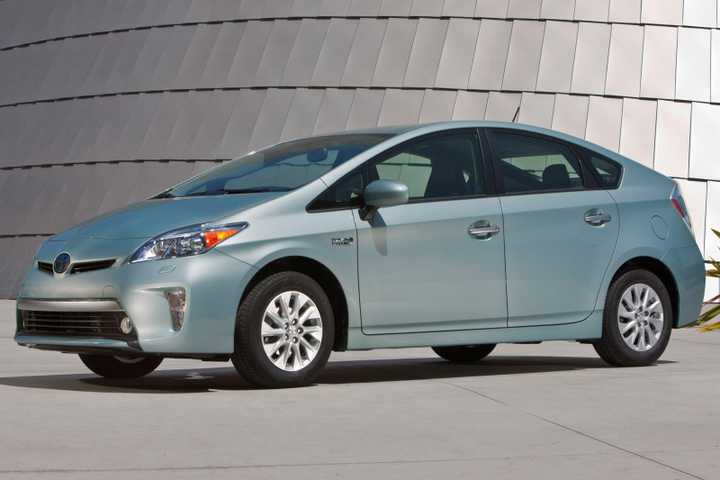
The first iteration of the Prius Plug-In Hybrid was based on the XW30-generation Prius hatchback, made for the 2012 to 2016 model years. Compared to a standard hybrid Prius of the same generation, there was little styling-wise to differentiate this from its full gasoline counterpart — aside from very subtle differences such as the inclusion of a charging port on the rear fender, the inclusion of more exterior chrome trim, and slightly different alloy wheel designs that served as subtle ways to distinguish the Prius Plug In Hybrid variant. Cabin design and features remained unchanged as well, with the same color LCD screen, steering wheel, and infotainment features that were also seen in a typical standard XW30-gen Prius.
Under the hood of the first-gen Prius Plug-In Hybrid you’ll find a 1.8L four-cylinder hybrid powertrain (paired to a dual electric motor setup) sending power to the front. Notably, drivers could engage an all-electric ‘EV’ mode to purely drive on electric power alone, with a range of up to 15 miles per full charge. While the range-extender capabilities of the Prius were limited compared to other PHEVs at the time, this model served as crucial experience for Toyota to further improve upon the plug-in hybrid powertrain and battery technology.
Base Trim Engine
1.8L Inline-4 Plug-in Hybrid
Base Trim Transmission
Continuously Variable Automatic (CVT)
Base Trim Drivetrain
Front-Wheel Drive
Base Trim Horsepower
134 hp
Base Trim Torque
105 lb-ft @ 4000 rpm
Fuel Economy
TBC
Segment
Compact Hatchback
Where research meets the right deal
Second-Gen Prius Prime (XV40, 2017-2022)
Plug-In Prius Hybrid Gains ‘Prime’ Naming and More Unique Styling
Toyota Prius Prime (XW40) Key Specs
Powertrain
1.8L gasoline inline four-cylinder PHEV
Prius Prime HP (Combined)
121 hp
Drivetrain
Front-Wheel Drive
Transmission
eCVT Automatic Transmission
0-60 MPH
~10.2-10.5 secs
EV Range
25 Miles
Combined MPGe
133 MPGe
For the brand’s second attempt at a plug-in hybrid variant of the Prius, Toyota introduced the ‘Prime’ name to the model, which would also be featured on other PHEV models Toyota added to the product range after the Prius Prime made its debut.
In addition to a more distinct model name, Toyota took a step further and introduced a significantly different body shape and design to the plug-in hybrid variant, while using the same platform as the XV40-generation Prius. The XV40-gen Prius Prime featured a more rigid body structure, along with further building upon the XV40’s improved aerodynamic design with more curved lines throughout the rear hatchback and LED exterior lights, as well as a more distinguishable front fascia.
The Japanese brand also sought to develop this iteration of the Prius with accommodation for a plug-in hybrid powertrain in mind, unlike the previous generation, which was mainly a retrofit of the existing hybrid sedan’s tooling. The PHEV powertrain continued to feature a 1.8L gasoline hybrid inline-four cylinder, but now utilized a more powerful and larger battery onboard that expanded its all-electric range up to 25 miles — a significant improvement compared to the previous gen. The combined MPGe rating also increased to 133 MPGe, making it one of the most fuel-efficient internal-combustion engine hybrids available at its launch.
Certain trims were also available with a Tesla-style vertical multimedia touchscreen display measuring up to 11.6 inches, with wireless charging pads and a more premium JBL audio system making their way as further amenities. At launch, this version of the Prius was only available as a four-seater, but towards the end of its production, Toyota reintroduced the familiar 60/40 split-folding rear seat, allowing three people to sit in the rear and restoring the total seating capacity to five.

Base Trim Engine
1.8L Inline-4 Plug-in Hybrid
Base Trim Transmission
Continuously Variable Automatic (CVT)
Base Trim Drivetrain
Front-Wheel Drive
Base Trim Horsepower
121 hp
Base Trim Torque
105 lb-ft
Fuel Economy
TBC
Infotainment & Features
7 /10
Where research meets the right deal
Third-Gen Prius Prime/Plug-In Hybrid (XV60, 2023-present)
Electrified Prius Improves in Aesthetics and Performance
Toyota Prius Prime/Plug-In Hybrid (XW60) Key Specs
Powertrain
2.0L gasoline inline four-cylinder PHEV
Prius Prime HP (Combined)
220 hp
Drivetrain
Front-Wheel Drive
Transmission
eCVT Automatic Transmission
0-60 MPH
5.3 seconds
EV Range
39–44 Miles
Combined MPGe
127 MPGe
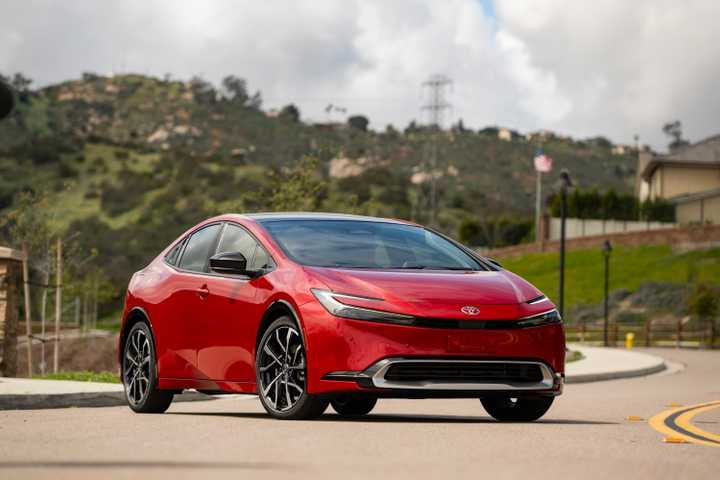
First introduced for the 2023 model year, the third-gen Prius Prime follows a similar approach as the first-gen Prius Plug-In Hybrid – with little to no aesthetic features to distinguish its status over a standard Prius model, as now both use the sportier, widely praised body design that has defined the XV60-gen Prius as one of the more striking iterations out of all the Prius’s generations. These sporting qualities and aesthetics can also be further elaborated upon with the ‘Nightshade Edition’ that is also available for this variant of the Prius, which brings black-finished 19-inch alloy wheels, combined with darkened/dechromed exterior trim sections.
Related
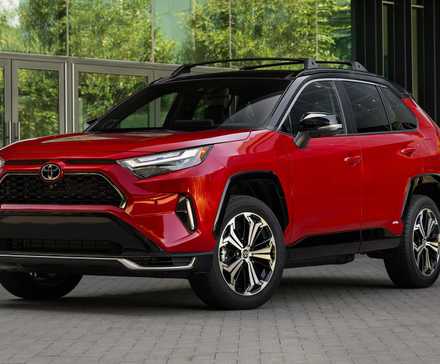
Toyota Prius Prime And RAV4 Prime Are No More
The PHEVs are getting new names to make things easier for customers.
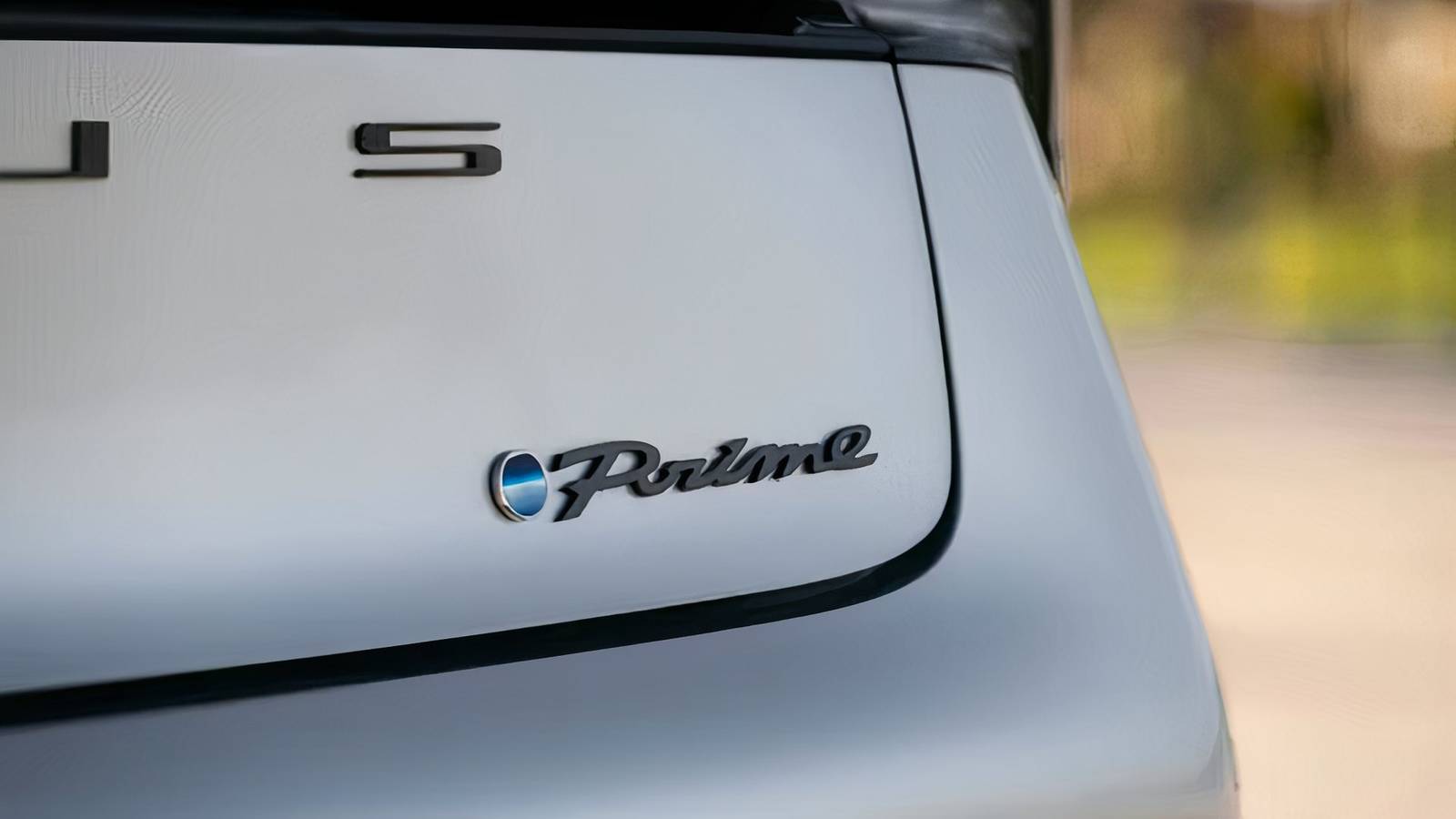
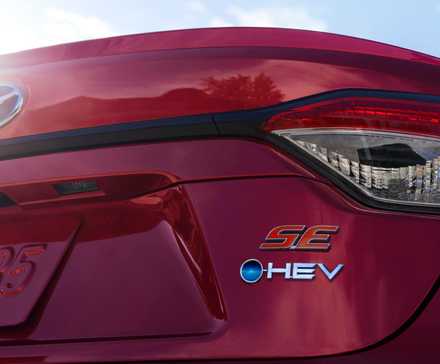
It’s also worth highlighting that for the 2025 model year onwards, Toyota dropped the ‘Prime’ name for all of its PHEV models, the Prius included, with the Prius Plug-In Hybrid model name returning once more.
The major differences of this generation compared to previous Prius Prime/Plug-In Hybrid gens can be found under the hood, with this version now using a 2.0L gasoline inline-four-cylinder engine combined with a dual electric motor setup, allowing this Prius Prime to produce up to 220 hp combined. The XV60-gen Prius Prime further sprints up from 0 to 60 MPH within less than 6 seconds, which are impressive numbers for a vehicle not largely associated with performance as one of its key selling points. A larger battery pack further extends the EV range to 33–44 miles and 127 MPGe combined, making it the most efficient Prius Plug-In Hybrid out of all its generations.
In one of our drive reviews of the Toyota Prius Prime in its third generation, we praised the major difference that a larger engine made to improving the potency of the driving experience, making this the fastest Prius with a plug-in hybrid powertrain so far.
“Toyota’s fifth-generation hybrid powertrain pairs a 2.0-liter four-cylinder engine with a new compact drive motor and delivers power to the front wheels via a continuously variable transmission. Two electric motors are used to make the engine more responsive and charge the lithium-ion battery unit. The result is 220 horsepower and 139 lb.-ft of torque, and a 6.6-second 0-60 [Prius Prime time]. That isn’t spectacular in the car industry, but it’s a vast improvement over the previous generation’s lethargic 10+ second time.
And by a vast improvement, we do mean vast. The Prius Prime is now a car you drive in a brisk and business-like fashion and can get up to freeway speeds without feeling like you’re pushing the engine to its limits.”
The latest series of Toyota’s Safety Sense technologies also makes its way into this latest generation Prius PHEV, including Traffic Jam Assist that offers some degree of hands-free driving, a digital instrument gauge cluster (as seen in its EV sibling, the Toyota bZ), digital key function via a dedicated Toyota app, and a wider 12.3-inch touchscreen display with Apple CarPlay and Android Auto connectivity.
Pricing for the latest model year, the 2026 Prius Plug-In Hybrid, begins at $33,775 for the Prius Plug-In Hybrid SE, with the most expensive trim, the XSE Premium, topping out at around $40,470. It may have dropped the Prime naming convention, but this latest iteration is certainly the pinnacle of the nameplate thus far.
Base Trim Engine
2L I-4 Hybrid
Base Trim Transmission
CVT
Base Trim Drivetrain
Front-Wheel Drive
Base Trim Horsepower
150 HP @6000 RPM
Base Trim Torque
139 lb.-ft. @ 4400 RPM
Base Trim Battery Type
Lead acid battery
Segment
Compact Hatchback
Where research meets the right deal
FAQs
What are the best years for the Prius Prime?
The model years of the Prius Prime that report the fewest number of complaints from owners, according to CarComplaints, are those made for the 2016 and 2021 model years — though its worth highlighting overall, this Toyota hybrid is generally considered a trouble-free vehicle by owners and reliability surveys, with little to no serious problems or issues reported.
Is the Toyota Prius Prime a good car?
CarBuzz rates the second-gen Toyota Prius Prime with a Buzzscore of 7.4/10, with some of the highest marks when it comes to overall fuel efficiency, safety equipment, design, and value for money. The latest generation, despite not having the Prime name, is a wholesale improvement on this, even, making it a great car by most metrics.
Are there any Prius years to avoid?
CarComplaints lists the most troublesome Prius Prime Hybrid model years to be those made for 2013 and 2017, although well maintained models should still be a good purchase.
How long will a Toyota Prius Prime last?
Depending on usage and the life a Prius Prime experiences, some have reported that these Toyota hybrids can last up to 400,000 and even 500,000 miles — provided maintenance and other regular upkeep are performed to schedule. The hybrid battery, as well as the battery that powers the powertrain, will also play a role in the overall lifespan of the vehicle; Toyota currently covers all hybrid batteries with a 10-year/150,000-mile limited warranty (EV drive components are covered by an 8-year/100,000-mile limited warranty), but replacement units can be sourced even if this no longer applies.
Sources: Toyota