India recently surpassed China to become the world’s largest two-wheeler market — a milestone that underscores both the sector’s scale and its accelerating growth. And alongside this growth runs a defining trend: the steady rise of electrification in two-wheelers, year after year. In 2024 alone, India sold 1.2 million electric two-wheelers, accounting for 6% of new 2W sales.
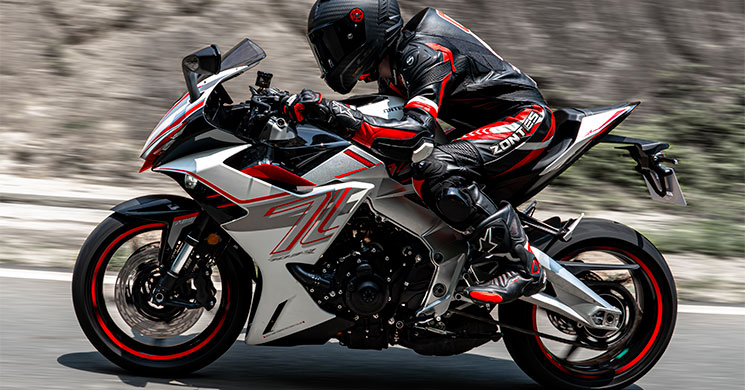
These milestones are worth celebrating. But what often gets missed is that this transition is not happening evenly. Electrification is taking off in scooters, which represent just a third of the market. The dominant segment—motorcycles, nearly two-thirds of all sales—hasn’t even crossed 1% adoption. Until motorcycles electrify, India’s ambition of 80% two-wheeler electrification by 2030 will remain an ambition at risk of falling short.
The scooter success story—and its limits
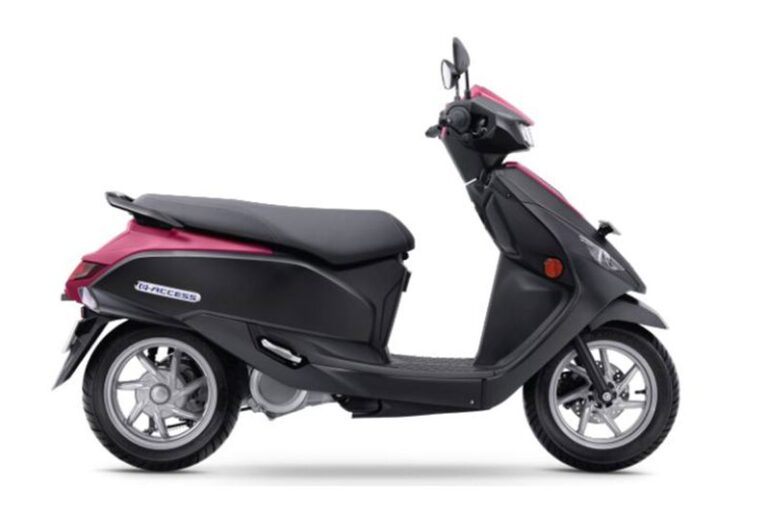
The rise of electric scooters tells a compelling story of market alignment. Early EVs met urban commuting needs: short distances, gearless rides, and performance expectations aligned with early battery capabilities. The gig economy boosted demand, with delivery workers quickly adopting it for its low operating costs and leasing options.
Technology helped. Scooters’ relatively inefficient petrol engines (40–55 km/l) made the economics of switching to electric more compelling, while their design enabled simple, safe battery placement.
But scooters can only take us so far. Even if electrification within the segment reaches an optimistic 80% by 2030, overall adoption may plateau around 35% unless motorcycles catch up.
The motorcycle roadblock
Motorcycles are India’s true mobility workhorse—used for longer commutes, intercity travel, and rural connectivity. These use cases demand higher speed, longer range, and more power, all of which stretch battery economics.
65% of the motorcycles purchased today are below 110 cc. With the average consumer being more price sensitive, the price gap is stark: mass-market ICE commuter motorcycles sell for ₹60,000–85,000, while current electric models cost 1.5-2 times that.
Engineering adds another hurdle. Issues around manual vs. gearless transmission, ride dynamics based on large batteries and their placement, and chassis and frame weight management—all require advanced—and costly—solutions.
Consumers, especially in rural and semi-urban areas, prioritise affordability and reliability. With charging networks still thin, range anxiety is real.
Lessons from abroad
India is not alone. China, the world’s largest EV two-wheeler market, sold about 6 times India’s electric 2W volume in 2024, but the majority of those were also scooters. Other electric two-wheeler markets, such as Indonesia and Vietnam, show similar patterns. Globally, motorcycles remain the hardest two-wheeler segment to electrify cost-effectively.
This makes India’s role even more critical. Cracking the electric motorcycle puzzle would not only help meet domestic goals but also deliver solutions for Southeast Asia, Africa, and Latin America — regions where motorcycles dominate daily mobility and electrification is gaining pace. It would also advance India’s ambition to lead the world in two-wheeler exports.
The path forward
Policy: The building blocks are emerging. Battery technology is improving rapidly, and costs are falling. Startups like Ultraviolette, Revolt, Raptee, Odysse, and Oben are betting on electric motorcycles. Pureplay EV firms such as Ola and Ather are testing options, while giants like Hero MotoCorp, HMSI, TVS, Suzuki, and Royal Enfield can bring scale and trust.
Policy can accelerate this momentum — not just through subsidies but through targeted interventions:
Building a charging infrastructure compatible with motorcycles and their driving patterns.
Setting technical standards for battery swapping, especially for commercial fleets.
Offering R&D incentives for motorcycle-specific powertrains.
Innovation: Despite the momentum, India’s EV ecosystem faces an innovation gap. Over 200 startups operate in the space, yet most focus on scooters — the easier entry point. Motorcycles present a tougher challenge: they require more energy-dense batteries, advanced motor–transmission integration, and cost structures that can compete with finely optimised internal combustion engines. Solving these technical hurdles is the key to unlocking mass adoption.
Seize the export opportunity: India’s challenge is clear: electrify its motorcycles not just to meet domestic goals, but to capture and lead the electric two-wheeler market across the Global South. By leading this transition, India can drive innovation at scale and secure its position as a dominant player in global two-wheeler exports.
We have, at best, five years to close this gap. The electric motorcycle is not a “next step” for the future — it is the keystone of India’s clean mobility transition. The time for postponing the challenge has passed. India’s transport future depends on it — and the future is now.