An end-of-year rise in electric vehicle sales sent the number of annual car registrations in the UK above the 2 million mark for the first time since the start of the pandemic.
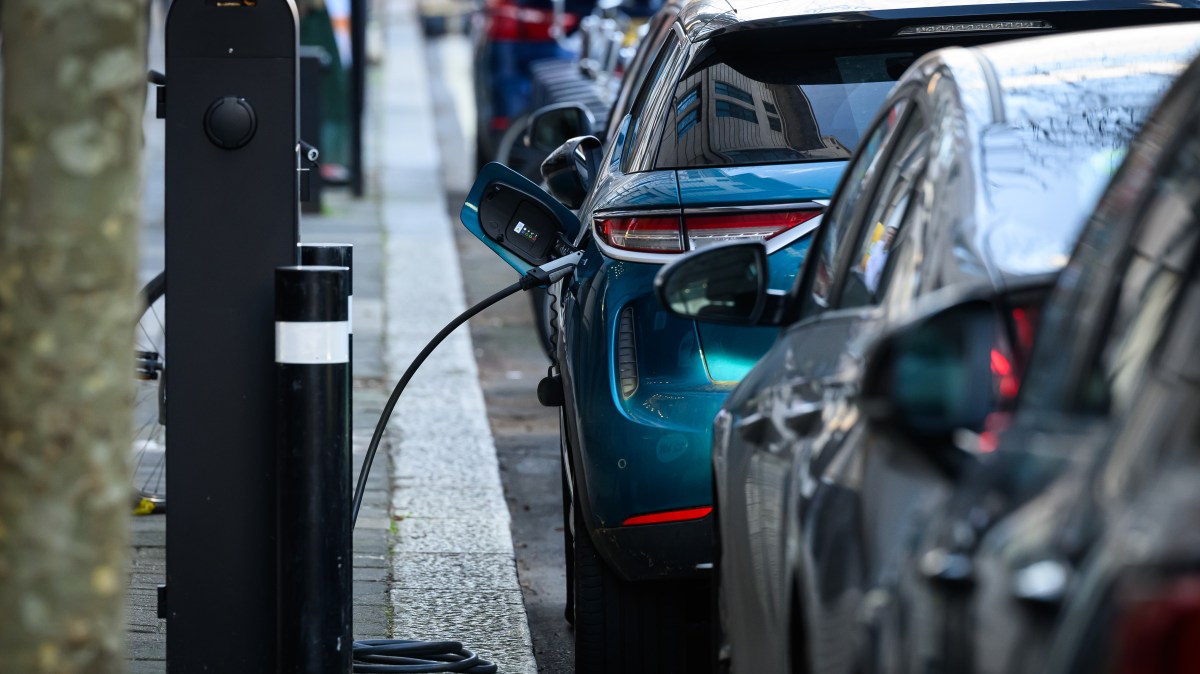
Almost one in every three new cars, 32.3 per cent, sold in Britain in December was an all-electric model, data from the Society of Motor Manufacturers and Traders (SMMT) shows.
Total car sales in the month rose by nearly 4 per cent to 146,100, taking overall registrations for the year to 2.02 million, a year-on-year rise of 3.5 per cent, the trade body said.
The number of pure electric cars sold in December was 47,100, taking the total for 2025 to a new high of 473,300, an increase of nearly 24 per cent from 2024. Overall, all-electric cars accounted for 23.4 per cent of the market last year.
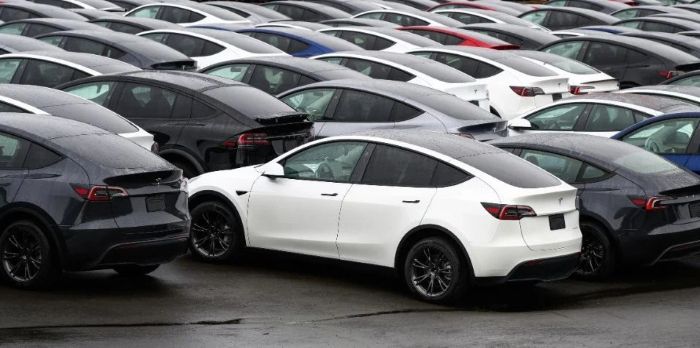
As in previous years, the December figure was an outlier. In the final month of the year there have typically been large shipments from manufacturers such as Tesla, while dealers discount heavily to meet end-of-year targets and secure sales bonuses.
December was the only month in 2025 when electric car sales hit the target set in the government’s zero-emission vehicle mandate that they should make up 28 per cent of the market. Manufacturers face penalties for underperformance or are forced to buy “credits” from those electric carmakers that do exceed the threshold.
• Has the big drive to electric cars run out of energy in the UK?
Commenting on the latest electric car registrations, Mike Hawes, chief executive of the SMMT, said: “Of course it is a positive but is still below where we need to be.”
He added that the zero-emission vehicle mandate target would only get tougher to hit. It rises to 33 per cent of all sales in 2026.
With forecasts indicating that total registrations for this year will only be marginally above 2025’s figure, electric car sales need to materially accelerate and increase by about another 200,000 sales this year — growth of more than 40 per cent.
Hawes said that was a difficult target, especially as SMMT analysis suggested that electric car sales were only being achieved through significant discounting by manufacturers and dealers to the tune of more than £5 billion in the past year — or on average £11,000 per vehicle.
This “forced” market, he said, remained unsustainable for the industry in the long-term against the historically high cost of energy and raw materials.
The electric car lobby believes that is too pessimistic an outlook. Fiona Howarth, founder of the electric car sourcing division of Octopus Energy, said: “A surge of affordable new models meant 2025 was another stand-out year for electric vehicle uptake.”
She added: “This momentum has been driven by the UK’s ZEV mandate, giving carmakers and investors the confidence to deliver more choice, more charging, and cleaner, more affordable driving for British drivers.”
Separate but related statistics in the annual registration data show that the era of the Chinese car on the roads of Britain has arrived.
Nearly one in ten, or 9.7 per cent, new cars sold in Britain last year was a Chinese brand, led by the likes of MG, owned by Shanghai Automotive, and BYD, the largest automotive group in China.
For cars sold in the UK that were built in China, that figure swells to nearly one in seven, or 13.5 per cent, including cars produced by the likes of Polestar and certain Tesla models.
Of the 473,000 new electric cars that came on to British roads last year, nearly 28 per cent, or 132,000, were made in China.
The difference a decade made
Ten years ago just shy of 2.7 million new cars were registered in the UK in a single year. Few people, if any, believe that figure will be ever reached again.
That year, 2016, was a historical highpoint — just as the motor trade was visited by twin calamities.
The diesel scandal, when otherwise reputable automotive groups were found to have been cheating in the measuring of emissions, led to tougher legislation. Demand for cars powered by diesel engines went into freefall to the point that in 2025 only 5 per cent of all new cars sold in Britain were diesels.
It was also the year that the UK voted to leave the European Union. The spectre of tariffs, inflated costs and a crisis of consumer confidence put the brakes on demand for cars. And then the Covid pandemic exacerbated disruption.
The SMMT reckons a steady-state UK market is for annual sales of between 2.25 million and 2.3 million, or up to 15 per cent more than today. Many believe that figure will not be reached either.

A Volkswagen Golf GTE plug-In hybrid electric car
ALAMY
Mike Hawes, chief executive of the SMMT, said the automotive market had changed inexorably in the past decade, not least because the electric transition was asking the consumer to accept cars that were substantially more expensive than their petrol or diesel equivalents. In any event, cars were more long-lived than they used to be and drivers had turned to a dynamic second-hand market.
• Five best affordable EVs under £22,000 (after electric car grants)
At the same time the pandemic hastened the change in car use. More working from home has meant a decline in the number of two-car households.
Perhaps most crucial, was the decline in the availability of what the industry calls A-segment vehicles — what the British call runarounds, small, affordable, economical models — as inflated manufacturing costs made them less profitable to build.
Of any meaningful revival in UK sales, Hawes said: “The battery electric A-segment at affordable prices is where the focus is.”