Five years ago, spotting a hybrid or electric car was a rare treat. Tesla sold about half a million EVs globally in 2020, proving the technology worked, while the Toyota Prius led hybrids in the US with 43,500 sales.
By 2025, the landscape has shifted dramatically. EVs grabbed 10.5 percent of new-car sales by Q3, thanks in part to expiring tax incentives.
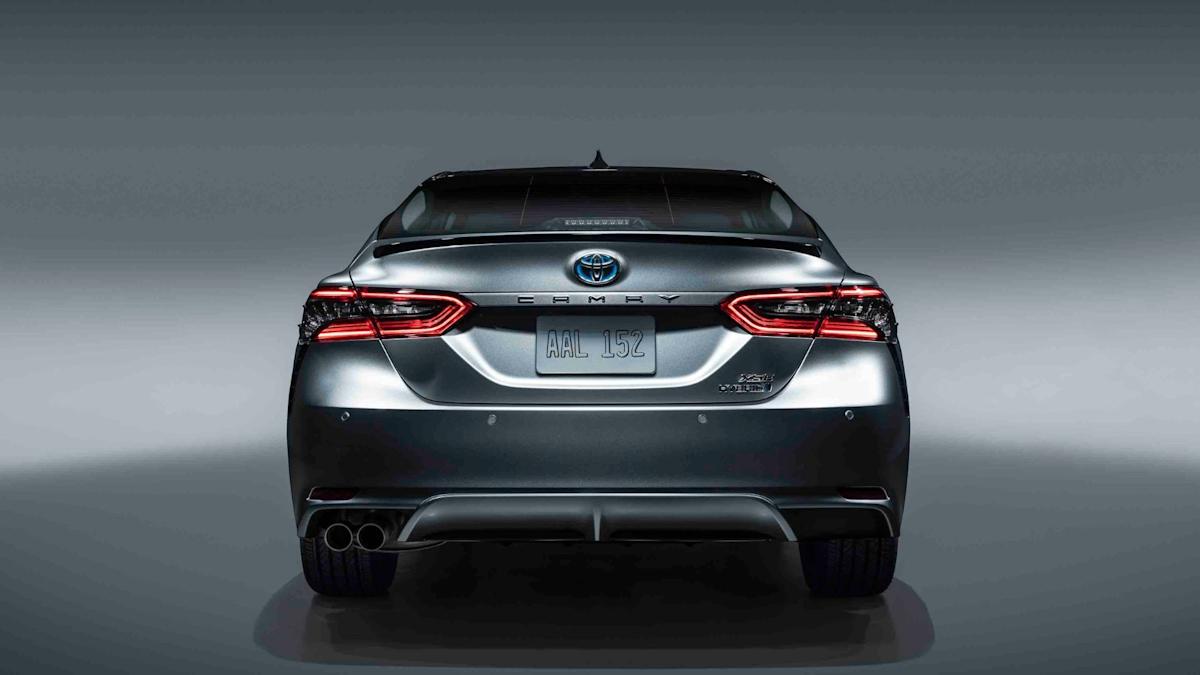
Hybrids are even hotter, making up roughly one in five new vehicles sold. The Camry going hybrid-only is a clear marker of just how far the segment has come.
The Toyota Camry ushers hybrids into a golden age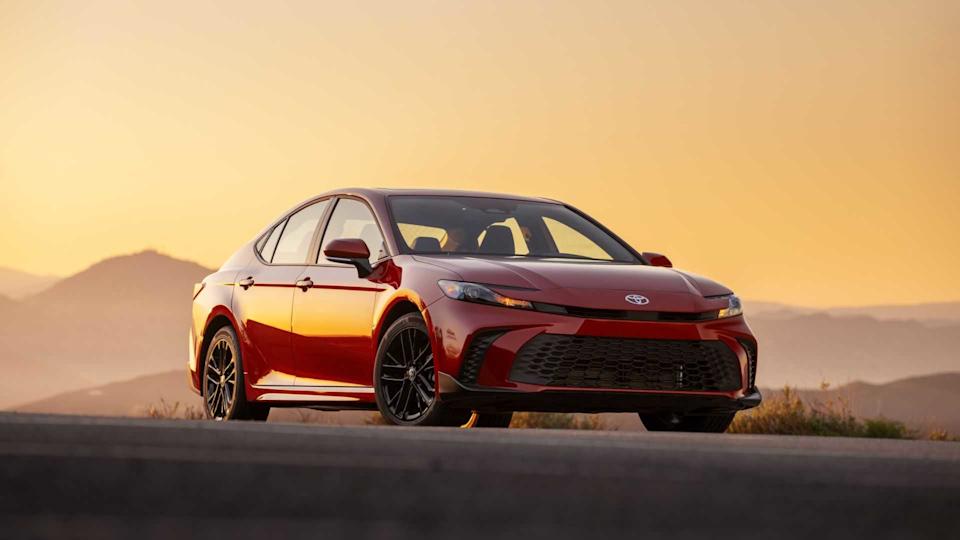
Toyota
The Toyota Camry made waves last year when news broke that the new model would be hybrid-only. Some longtime buyers weren’t thrilled, ready to say goodbye to the familiar nameplate.
Still, with a 17-horsepower boost over the 2024 Camry Hybrid, the new model is capable enough to quiet a lot of the early criticism.
If we had a choice, we’d pick a real 8-speed automatic over a CVT any day. But judging by the latest sales numbers, most Americans don’t seem to mind.
Here’s a look at how Camry sales have shaped up over the past five years.
These numbers don’t include December 2025.
The Camry has been averaging 24,056 units sold per month, so even with an average final month, the hybrid-only model could hit around 312,929 sales.
That would mark its second-highest sales this decade—and that’s a conservative estimate.
The 2025 Camry marks a milestone for hybrids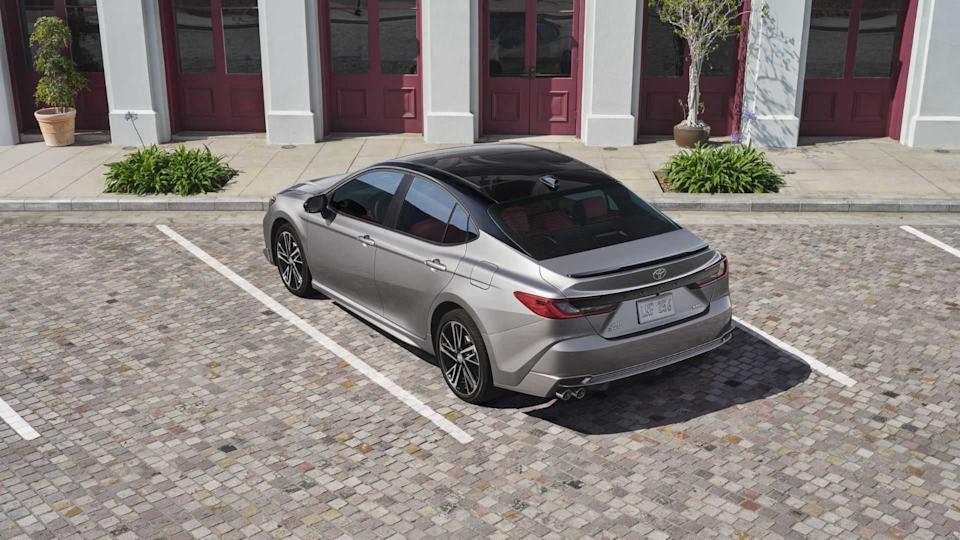
Toyota
The Toyota Camry has been America’s favorite car—counting only sedans and coupes—for decades. Its only slip came in 2001, when the Honda Accord edged it out by a slim margin.
You might think Honda would have a shot at reclaiming the crown, but the Camry going hybrid-only hasn’t dented its sales one bit.
Toyota likely expected some drop in sales when it ditched the ICE Camry, but that never materialized.
While EVs may have been overhyped, with many brands dialing back their all-electric promises, hybrids are quietly proving they’re the real future of the auto industry.
A strange year for electrified vehicles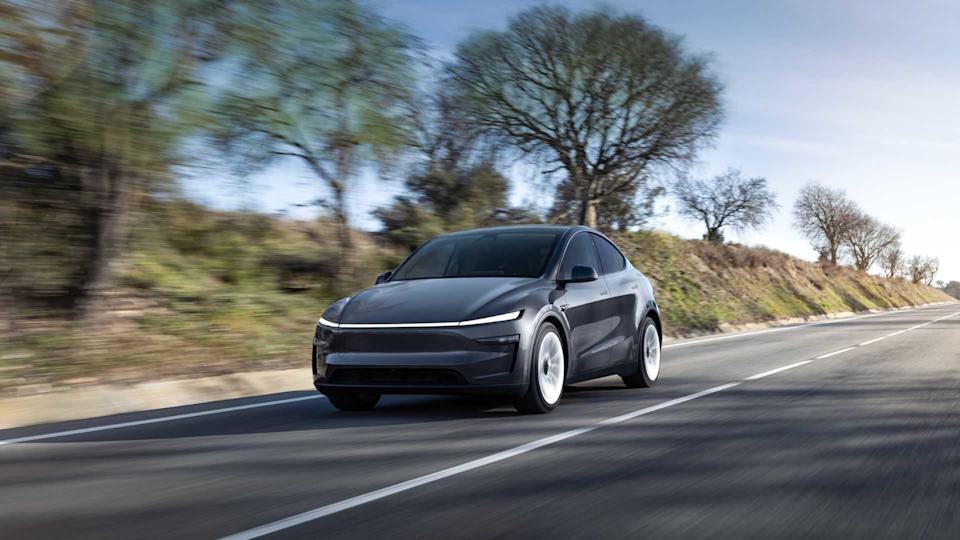
Tesla
We’re still waiting on the year-end numbers for EVs and hybrids, but so far, things are going “according to plan.”
The news that EV tax credits would expire at the end of September gave the entire electrified segment a nice boost.
The Tesla Model Y sold 25,800 units in August and then posted its best month of the year in September with 30,702 units.
Tesla’s Q4 results are still up in the air, as is the bigger question of EV sales in a post-credit world.
Industry experts predicted exactly what we saw: a sharp spike as buyers rushed to grab expiring EV incentives.
We probably won’t see a total crash, but the September surge looks more like a one-time boom than a lasting upward trend.
Tesla stays king of EVs through the highs and lows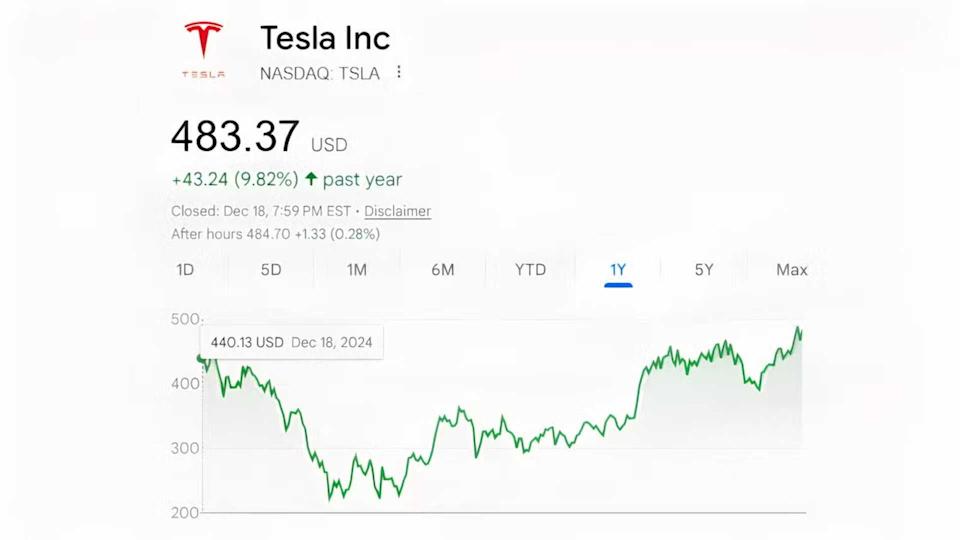
Nasdaq via Google
A quick look at Tesla’s stock over the past year tells the story: dramatic swings, soaring highs, and gut-dropping lows. It’s been that kind of strange, roller-coaster year.
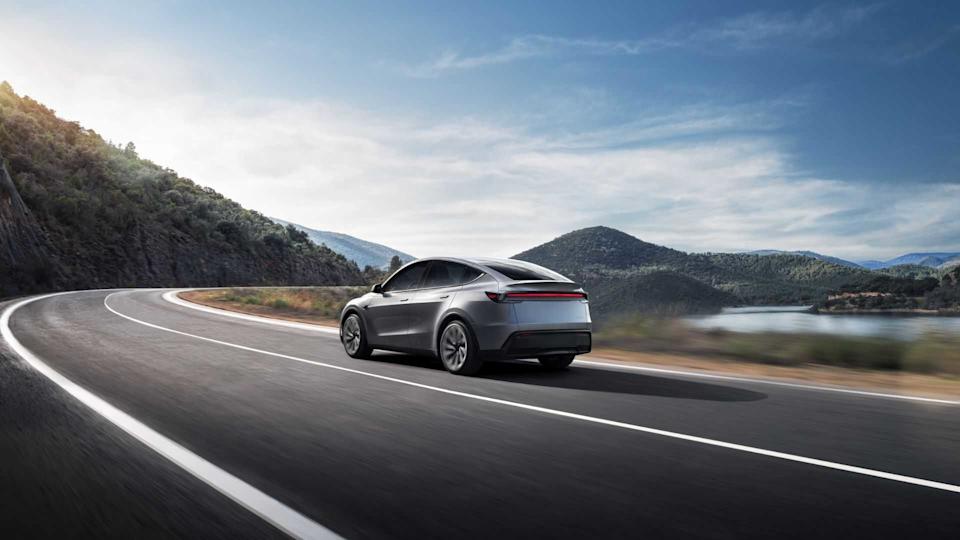
Tesla
Early in the year, Tesla’s stock nosedive and the rise of competing EVs had some wondering if its reign as the EV leader was ending. That clearly hasn’t happened.
Even so, electric vehicles are still a niche compared with hybrids.
Are we truly ready for an all-electric future?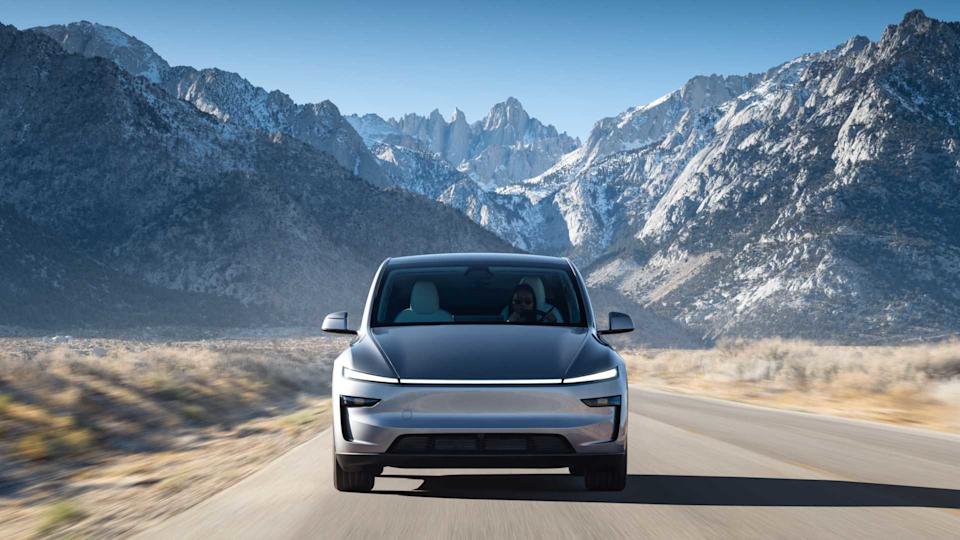
Tesla
Fully electrified highways may be inevitable—gasoline won’t last forever, and a switch to diesel isn’t very likely. Early estimates suggest it won’t happen for at least 25 years.
The real question isn’t if we’ll get there, but whether it’ll happen in the next five to ten years.
Without getting political, the facts are clear: it’s not going to happen during this administration.
The bipartisan infrastructure bill under President Biden helped put more charging stations on the map and encouraged buyers to cash in on EV tax credits.
On the other hand, President Trump has shown little interest in supporting or nudging the EV market, slowing much of the momentum it had gained.
Electric cars aren’t political, but they rely on political support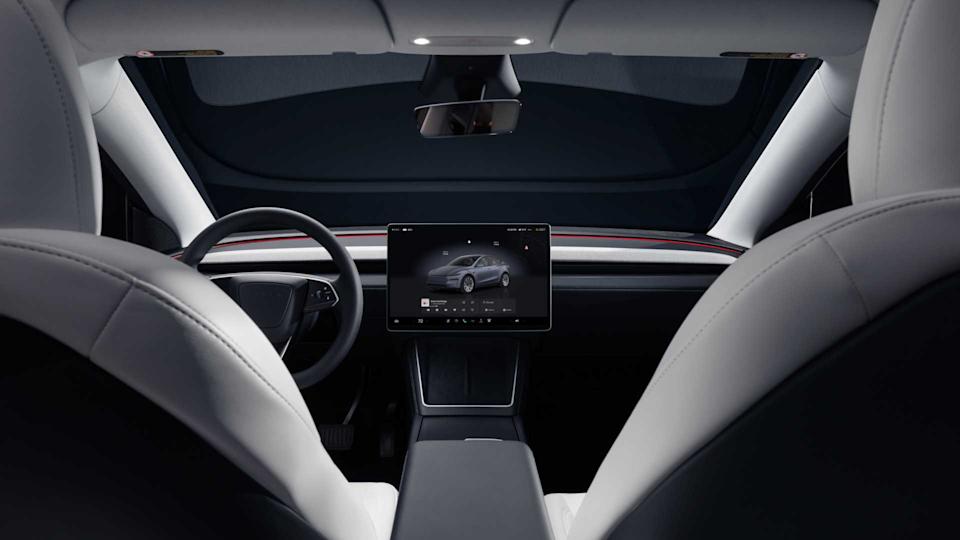
Tesla
Electric vehicles aren’t really a left-or-right issue. Driving a Tesla doesn’t reveal your politics, and the word “bipartisan” played a key role in Biden’s infrastructure bill.
Major changes in the American auto industry have always leaned on government support. Think Eisenhower’s 1956 Highway Act or Obama’s $7,500 EV rebate—big shifts rarely happen without it.
Cars are heavily regulated because the government runs the roads and aims to keep cities smog-free. Without ongoing support, major changes in the industry are nearly impossible.
For now, electric cars are more of a “definitely someday” deal. We could see another big push toward electrification by the end of the decade.
But don’t expect it in the next three years. Whether that’s good or bad is up to you, but in the meantime, hybrids are likely to keep selling like crazy.