5 Electric Motorcycles FASTER Than Most Superbikes | Coming to USA
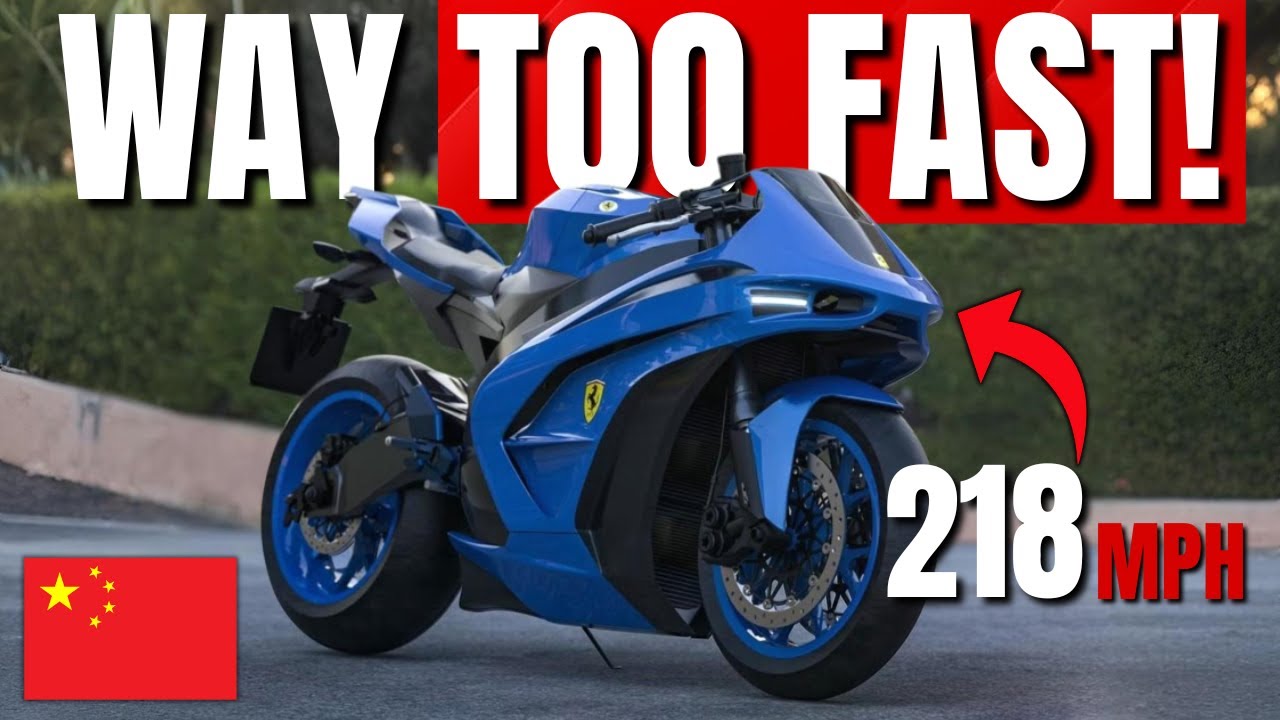
Speed kills, but it also thrills. And in the electric motorcycle revolution, top speed represents the ultimate proof that battery power can genuinely compete with gasoline [music] superbikes. We’re talking 218 mph from electric motors, 150 mph from Moto E racing machines, 124 mph from homeless motors, and flagship American sport bikes. >> [music] >> Today, we’re counting down the five fastest electric motorcycles you can actually buy and ride right now. Not vaporware promises, not delayed prototypes, not concept bikes gathering dust in [music] showrooms. These are production motorcycles currently being delivered to customers worldwide with verified top speeds shattering every assumption about electric performance. Hit subscribe because this channel separates genuine speed demons from marketing hype. We verify which motorcycles actually achieve claimed top speeds versus theoretical maximums. We expose which companies deliver production bikes versus endless prototypes. Let’s count down the five fastest electric motorcycles dominating roads today. Starting our countdown at [music] number five is the Livewire S2 Delmare from Harley-Davidson’s dedicated electric motorcycle division. With a verified top speed of 103 mph, this represents accessible high performance from America’s most iconic motorcycle manufacturer, the S2 Delmare produces 84 horsepower [music] and 194 lb feet of torque from its permanent magnet motor. Acceleration from 0 to [music] 60 happens in 3.0 seconds, flat matching or beating most 600cc sport bikes. The 10.5 kWh battery provides 113 mi of city range or 70 mi at [music] sustained 55 mph highway speeds. But the Delmare’s significance extends beyond raw speed specifications. This motorcycle marks the first LiveWire model equipped with over-the-air software updates. Your motorcycle genuinely improves throughout ownership as engineers develop enhancements to power delivery algorithms, regenerative braking calibration, or user interface improvements, downloading automatically via cellular connection without requiring dealer visits. The revolutionary Arrow architecture uses the battery case itself as the motorcycle [music] frame. Traditional motorcycles mount batteries inside separate frame tubes, adding [music] weight and complexity. LiveWire engineers eliminated frame tubes, completely making the battery housing the primary structural element. This innovative approach reduces total weight to 431 lb while maintaining rigorous safety standards. The sixaxis inertial measurement unit monitors pitch, roll, yaw, longitudinal acceleration, lateral acceleration, and rotational [music] rates, providing complete understanding of motorcycle motion in three-dimensional space, lean angle sensitive traction control, [music] and ABS adjust intervention based on cornering angle. Traditional electronics measure only straight line motion. The six-axis IMU enables the Bosch systems to understand exactly how much the motorcycle is leaning and adjust braking and traction control accordingly. Five ride modes adjust power delivery, throttle response, regenerative braking force, traction control intervention, and ABS behavior. Sport mode unleashes full performance. Road mode balances performance and efficiency. Range mode maximizes [music] distance. Rain mode provides maximum safety for slippery conditions. [music] Custom mode allows independent adjustment of every parameter, creating infinitely personalized riding experiences. Active regenerative braking provides intuitive control through throttle input. Rolling the throttle forward past neutral position engages maximum regenerative braking regardless of selected mode. This gives riders seamless one-handed control over acceleration, coasting, and regenerative braking without touching mechanical [music] brake levers. The implementation feels natural and intuitive after just minutes of riding. [music] Reverse mode allows controlled backward movement at walking speed. Twist throttle forward beyond regenerative braking position, [music] and the motorcycle rolls backward smoothly. This helps navigate tight parking situations where manually backing heavy [music] motorcycles proves difficult, especially for shorter riders struggling with weight management. The unique [music] 19-in front wheel creates flat track inspired handling characteristics. Most sport bikes use 17-in wheels front and rear for maximum cornering agility. The larger front wheel provides stability and confidence. [music] inspiring steering feel particularly suited to urban riding and aggressive street maneuvers. The Dunlop tires developed specifically for this wheel size balance grip and longevity. The 4-in round TFT display connects via Bluetooth to the LiveWire Connect smartphone application. Navigation routes appear directly on the dash. Tire pressure monitoring alerts to dangerous pressure loss. Weather information helps plan rides. The owner’s manual stores digitally for easy reference. Scheduled maintenance reminders [music] prevent missed service intervals. Why does the LiveWire S2 Delmare rank at [music] number five despite comprehensive technology from legendary manufacturer? Because while 103 mph provides adequate performance for realworld riding, it trails significantly behind competitors, achieving 124 [music] to 218 mph top speeds. The Delmare excels at accessible, refined [music] performance rather than outright maximum velocity. The S2 Delmare works perfectly for riders wanting proven American brand heritage combined with modern electric technology at accessible $15,499 pricing. [music] But compared to motorcycles ranked higher on this countdown, it lacks the extreme top speed capabilities defining truly fast electric motorcycles. The Livewire S2 Delmare ranks at number five as accessible American performance with genuine Harley-Davidson dealer support. Position 4 belongs to the Zero SRF from America’s most established electric motorcycle manufacturer with a verified top speed of 124 mph. This represents 16 years of electric motorcycle development crystallized into California’s flagship naked sport bike. The SRF produces 111 horsepower and 140 lb feet of torque from the ZForce 7510 interior permanent magnet motor. The 17.3 kWh battery provides 171 mi of city range or 117 mi combined city highway. Acceleration from 0 to 60 happens in approximately 3.7 seconds [music] with instantaneous torque delivery characteristic of electric motors. But the Zerotory centers on sophisticated electronics rather than just raw speed. The Cipher 3 Plus operating system represents the most advanced motorcycle software platform in production, managing every aspect of motorcycle performance [music] while connecting seamlessly with smartphones and enabling over-the-air updates [music] continuously improving functionality. Five factory preset riding modes adjust power delivery, throttle response, regenerative braking, traction control, and ABS. Beyond presets, custom modes allow riders to independently adjust dozens of parameters, creating infinitely customizable riding experiences. Maximum speed can be limited for new riders. Torque can be reduced [music] for slippery conditions. Throttle response can be gentled or sharpened. Regenerative braking adjusts across 12 levels. Traction control intervention increases or decreases. Every aspect of motorcycle behavior can be precisely tuned. The Cipher Store represents [music] genuinely revolutionary thinking. Through the Zero smartphone application, riders purchase digital upgrades, unlocking additional performance, features, or capabilities. Want more top speed? Purchase the speed upgrade. Want faster charging? Purchase the rapid charge upgrade. Want Bosch motorcycle stability control? Purchase the MSC upgrade. Want turnbyturn navigation? Purchase the navigation upgrade. [music] This represents the first time motorcycles function as software platforms where capabilities add on demand throughout ownership. Traditional motorcycles require physical modifications to improve performance. The SRF improves through [music] software purchases, downloading wirelessly, and activating instantly, transforming motorcycle capabilities [music] without wrenches or dealer visits. The Cipher 3 Plus continuously collects performance data, helping Zero improve future updates. Millions of miles of riding data from thousands of zero motorcycles worldwide inform algorithm development. The traction control learns which surfaces require intervention. The battery management learns which charging profiles maximize longevity. The motor controller learns which power delivery curves. [music] Optimize efficiency. This represents genuine machine learning applied to motorcycles. [music] Your motorcycle doesn’t just execute pre-programmed responses. It learns from collective riding data and adapts behavior to optimize performance and efficiency. The system becomes smarter over time as the user base grows and riding conditions diversify. The Bosch motorcycle stability control system represents the most advanced rider aids available. Traditional traction control and ABS operate independently. The Bosch MSC integrates these functions with lean angle awareness for comprehensive stability management, monitoring sixaxis motion data 100 times per second. Cornering ABS maintains maximum braking force while leaned over, preventing dangerous front wheel lockup during emergency stops midc corner. Traction control allows controlled rear wheel slip on corner exit without breaking the rear end loose and high-sighting the rider. Drag torque control prevents rear wheel hop on aggressive downshifting or hard engine braking. Front wheel lift control prevents dangerous wheelies during hard acceleration. The NextG smartphone application provides comprehensive motorcycle monitoring and control. Check battery charge level remotely before leaving home. Locate your parked motorcycle via GPS if you forget where you parked. Monitor ride statistics, including distance, average speed, energy consumption, and regeneration. Customize riding modes, adjusting individual parameters. Purchase cipher store upgrades, expanding capabilities. Update firmware, ensuring latest improvements. Access owner manual digitally. schedule service reminders, preventing missed maintenance. The 5-in TFT dash display provides customizable information layouts. Navigation instructions appear directly on the dash when connected to your phone. Incoming calls and text messages display without requiring separate phone mounts. The display brightness adjusts automatically based on ambient light, ensuring visibility in bright sunlight or darkness. The Street Fighter styling combines aggressive naked bike aesthetics with refined execution. [music] The stacked LED headlight framed by opolescent light pipes provides distinctive appearance and excellent visibility. The stubby tail section creates compact [music] profile. The ergonomics balance aggressive sport positioning with allday comfort suitable [music] for extended rides. Premium components include fully adjustable Showa suspension [music] front and rear. Juan brakes provide powerful stopping with excellent feel. The cast aluminum wheels reduce unsprung weight, improving handling response. The overall build quality reflects Zero’s years of development and refinement. Why does the Zero SRF rank at number [music] four despite sophisticated electronics and proven reliability? Because while 124 mph provides legitimate high-speed capability, [music] it matches rather than exceeds competitor top speeds. The SRF excels at intelligent software on capable [music] hardware, but lacks revolutionary physical technology fundamentally reimagining motorcycle engineering. The SRF works perfectly for riders wanting the most sophisticated motorcycle operating system. combined with proven American manufacturing at $22,995 pricing. But compared to motorcycles ranked higher on this countdown, it represents incremental evolution rather than revolutionary advancement. The Zero SRF ranks at number four as the most intelligent conventional motorcycle, combining proven hardware with revolutionary software intelligence. Position three goes to the Verge TS Ultra from Finland’s revolutionary motorcycle manufacturer. With a verified top speed of 124 mph electronically limited, this represents the most visually distinctive and mechanically unique electric motorcycle currently in production and being delivered. The TS Ultra produces 201 horsepower [music] and 885 lb feet of torque. That torque figure absolutely shatters every competitor on this countdown. To put this in perspective, 885 lb feet equals 1,200 Newton m that matches or exceeds many 1,000cc gasoline sport bikes and rivals supercar territory from a motorcycle. The 20.2 2 kWh battery provides 217 mi of city range or 124 mi at highway speeds. NX fast charging adds [music] 124 m in just 35 minutes. Total motorcycle weight measures just 507 lb, making this remarkably light given the enormous battery capacity. Acceleration from 0 to 60 happens in 2.5 seconds. But specifications barely scratch the surface of what makes the Verge genuinely revolutionary. The patented hubless donut motor 2.0 represents completely reimagine motorcycle propulsion. Fundamentally different from every other motorcycle ever built, including gasoline or electric competitors. Traditional motorcycles [music] use engines or motors mounted in frames connected to rear wheels through chains, belts, or shafts. Every motorcycle for over 100 years has used this architecture. The Verge eliminates all that complexity by building the motor directly into the rear wheel with no central hub, creating a hollow doughut shape. [music] The motor comprises a carbon fiber rotor and aluminum stator arranged in ring shape. The wheel rim attaches directly to [music] the rotor. When electricity flows through stator coils, magnetic [music] fields induce rotation in the rotor which directly turns the wheel. No chain, no belt, no shaft, no gear reduction, no transmission. The motor is the wheel. The wheel is the motor. This hubless design creates multiple engineering advantages impossible to achieve with conventional architectures. Eliminating the chain or belt removes maintenance requirements completely. No adjustment, no lubrication, no replacement, no cleaning, [music] no wear. The drivetrain simply works without ongoing attention [music] for the motorcycle’s entire lifespan, potentially exceeding 300,000 mi. Weight distribution improves dramatically. Traditional motorcycles concentrate heavy components in frame center, creating high center of gravity. The Verge distributes motor mass at [music] wheel perimeter, creating lower center of gravity and reduced gyroscopic effects. This fundamentally changes handling characteristics, making the motorcycle feel lighter and more responsive than weight suggests. The second [music] generation donut motor weighs 50% less than the original while producing identical power and torque. This massive weight reduction from Gen 1 to Gen 2 improves handling, increases efficiency, and enhances range. The new motor uses advanced carbon fiber blends engineered specifically to handle enormous torque loads without fracturing or deforming under stress. The modular architecture allows servicing, repairing, or upgrading individual components without replacing entire assemblies. Traditional motorcycles often require expensive component replacement when repairs are needed. The Verge design enables targeted fixes, reducing long-term ownership costs dramatically while extending practical lifespan. The Star Matter intelligence software platform represents Verge’s proprietary operating system, managing all motorcycle functions. Overthe-air updates continuously improve performance, [music] add features, and optimize efficiency. Your motorcycle genuinely becomes smarter over time. As Verge develops enhanced algorithms and capabilities without requiring dealer visits or manual updates, the Star Matter Vision system uses six cameras and two radars, providing 360° awareness of surroundings. [music] Front and rear radars detect approaching vehicles, monitoring closing speeds. Six cameras record continuously, providing comprehensive documentation if accidents occur. The system provides collision warnings if fast approaching vehicles threaten from behind. Lane change assist activates camera feeds when turn signals engage, helping verify safety before merging. Artificial intelligence analyzes riding patterns and adapts behavior. The system learns which roads you ride frequently and preloads navigation. It learns your preferred power delivery and adjusts throttle mapping. It learns your braking habits and optimizes regeneration. The motorcycle personalizes itself to your riding style, becoming more intuitive over time. Four riding modes adjust performance [music] characteristics. Range mode maximizes distance through conservative power delivery and [music] aggressive regeneration. Zen mode provides relaxed cruising, suitable for traffic. Beast mode unleashes full 201 horsepower and 885 lb feet for maximum acceleration. Custom mode allows precise tuning of individual parameters, including throttle response, regeneration strength, maximum speed, and torque limits. The regenerative braking adjusts across multiple strength levels. Eco mode provides 80% regeneration strength. Highway mode reduces to 20% for smooth coasting. [music] Max mode delivers 100% regeneration, creating strong engine braking feel. Custom mode allows any percentage between zero and 100. Additional features include cruise control, maintaining set speeds on highway riding, heated grips for cold weather comfort, adjustable ergonomics accommodating different rider heights, [music] and storage compartments for essentials. The fully adjustable Olan suspension delivers exceptional [music] ride quality. Galer brakes provide powerful stopping. The aerodynamic fairing reduces wind resistance, improving highway efficiency by 13% compared to naked [music] versions. The styling creates genuinely distinctive aesthetics unlike any other motorcycle. The hubless rear wheel with visible hollow center draws attention everywhere you ride. People stop and stare trying to understand how the wheel works without central hub. The futuristic appearance matches the revolutionary engineering underneath. Why does the Verge TS Ultra rank at number three despite revolutionary hubless motor and massive torque? Because while the top speed matches the Zeros ref at 124 mph, both remain significantly slower than motorcycles ranked higher. The Verge represents mechanical innovation rather than outright maximum velocity. The acceleration and torque impress, but top speed limitations prevent higher ranking. The TS Ultra works perfectly for riders wanting genuinely unique motorcycle, combining unprecedented engineering [music] with sophisticated intelligence at $45,000 pricing. But compared to motorcycles ranked higher [music] on this countdown, it prioritizes revolutionary design over maximum speed. The Verge TS Ultra ranks at number three [music] as the most mechanically innovative electric motorcycle fundamentally reimagining propulsion architecture. Position two belongs to the Energica Ego Plus from Italy’s electric motorcycle racing specialist with a verified top speed of 150 mph electronically governed. This represents five consecutive seasons of Motoy World Cup racing crystallized into the most powerful street legal electric motorcycle in production. The Ego Plus produces 171 horsepower peak with 149 horsepower sustained and 164 lb feet of [music] torque from the permanent magnet. Assisted synchronous reluctance motor. Acceleration from 0 to 60 happens in 2.6 6 seconds for the RS version or [music] 2.8 seconds for standard model. The 21.5 kWh battery provides 249 mi of city range or 123 mi at highway speeds. But the Energ story begins with racing rather than street bikes. [music] In 2018, Dorna selected Energa as the single manufacturer for the FM NL Moto E World Cup. For five consecutive seasons through 2022, 18 race pilots from 12 international teams competed on identically prepared Ego Corsa racing machines at iconic Moto GP circuits throughout Europe. This intensive racing development at the highest possible level created technology impossible for manufacturers without race programs to achieve. The Moto bikes endured sustained full throttle acceleration, maximum speedruns, aggressive braking, [music] and extreme lean angles lap after lap, race after race. Components failed. Engineers redesigned. Testing continued. The resulting technology transferred directly to production motorcycles. The EMCE motor and inverter [music] represent Energica’s latest evolution developed with renowned Italian company MAVL. Motor and inverter share a liquid cooling system resulting in simpler, more effective design with reduced size and greater [music] thermal efficiency. The integration delivers lighter weight and lower center of gravity for enhanced agility while increasing peak performance and range especially at higher speeds. The battery management system functions as an intelligent device with its own electrical brain. According to Energica, the proprietary BMS monitors individual cell voltages and [music] temperatures, ensuring safety and longevity. The system predicts failures before they occur. It optimizes charging profiles based on usage patterns. It maximizes [music] power delivery while protecting cells from damage. The battery achieves 1,200 full discharge [music] recharge cycles, maintaining 80% capacity. At typical usage patterns, this translates to over 300,000 mi of lifespan. The battery life exceeds most riders total motorcycle ownership, extending practical utility far beyond conventional expectations. DC fast charging provides 80% charge in 40 minutes using CCS combo connectors. The onboard 3.3 kW charger [music] works with standard level two charging stations, achieving full charge in approximately 3 and 1/2 hours. [music] Level one household outlet charging takes 8 hours for complete fill. Sixle traction control adjusts [music] intervention sensitivity. Level one provides minimal intervention allowing experienced riders maximum [music] freedom. Level six delivers aggressive intervention suitable for wet conditions or inexperienced riders. The system prevents rear wheel spin during acceleration without killing power delivery creating confidence inspiring performance. Four regenerative braking maps adjust deceleration force. [music] Maximum regeneration creates strong engine braking. Feel useful for mountain descents or aggressive riding. Minimum regeneration allows smooth coasting on flat roads or highway cruising. [music] The maps integrate with riding modes, creating cohesive performance packages. [music] Four riding modes adjust comprehensive performance characteristics. Urban mode limits power and provides smooth delivery for city traffic. Eco mode maximizes range through conservative mapping. Rain mode gentles throttle response and increases safety intervention for slippery conditions. Sport mode unleashes full 171 horsepower with aggressive throttle response and minimal intervention. Sophisticated cruise control uses electronic brake to maintain speed and increased braking energy recovery. The system works seamlessly with regenerative braking, creating intuitive operation. Set desired speed and the motorcycle maintains pace up hills and down while recovering energy during deceleration. The RS version provides more off-the-line acceleration for enthusiasts who thought 2.8 8 seconds felt too slow. Redesigned VCU mapping and modified [music] final drive shave 2/10en of a second off zero to 60 [music] time. Additional increases in velocity continue all the way to 150 mph top speed. The kit corsa clientei transforms production ego plus into track ready race bike with electronic suspension and running gear features derived from moto world cup competition motorcycles. [music] Braking system and suspension come from racing world guaranteeing maximum performance handling and reliability. Specific battery management firmware and control unit firmware. Optimize track riding, maintaining homogeneous behavior between battery discharge and performance. Premium components include suspension, front and rear, fully adjustable for any riding condition. Brembo brakes provide powerful stopping with excellent modulation. Pirelli tires developed specifically for electric motorcycle torque characteristics ensure maximum grip. The build quality reflects Italian manufacturing heritage and attention to [music] detail. The styling combines aggressive sport bike aesthetics with refined execution. The full fairing creates aerodynamic efficiency while protecting rider from wind. The LED lighting provides excellent visibility. The TFT display shows comprehensive information clearly. The overall design communicates performance and sophistication. Why does the Energica Ego Plus rank at number two despite racing pedigree and 150 mph top speed? Because while it represents the pinnacle of conventional electric motorcycle development with proven reliability and comprehensive technology, it remains significantly slower than the motorcycle ranked number one. The Ego Plus excels at refined racing proven performance, but lacks the outright maximum velocity defining the fastest electric motorcycle. The Ego Plus works perfectly for riders wanting genuine racing technology combined with Italian manufacturing at $33,000 pricing from company now backed by Singapore investors after 2024 insolveny and July 2025 [music] acquisition. But compared to the motorcycle ranked number one, it represents refined evolution rather than revolutionary speed. [music] The Energica Ego Plus ranks at number two as the most powerful refined electric motorcycle, combining racing proven technology with sophisticated street performance. [music] The number one spot goes to the Lightning LS 218 from California’s speed obsessed motorcycle manufacturer. With a verified top speed of 218 mph set at Bonavville Salt Flats, this represents the fastest production electric motorcycle ever built [music] and the fastest production motorcycle period, whether electric or [music] gasoline. The LS 218 produces 244 horsepower [music] and 220 lb feet of torque from the liquid cooled 150 kW interior permanent magnet motor. Acceleration from 0 to 60 happens in 2.0 seconds. 0 to 100 happens in 5.5 seconds. [music] These acceleration figures match or exceed gasoline superbikes costing significantly more. The battery options include 15, 20, or 28 kWh capacities providing 188 to 255 mi of range. The lightning fast charge system achieves 80% charge in just 12 minutes using DC fast charging. Level two charging fills the battery in approximately [music] 2 hours. The charging speed eliminates range anxiety for practical riding. But raw specifications only begin the lightning story. In 2013 at Bonavville Speed Week, the LS 218 set the land speed record for fastest production motorcycle, whether electric or gasoline, achieving 215.96 mph, officially with best timed run of 218.637 mph. This record stands today over 12 years later. The LS218 won at Pikes Peak International Hill Climb against the fastest gasoline race bikes. Legendary Mountain Course, climbing 14,115 ft [music] through 156 turns over 12.42 mi, challenged every motorcycle competing. The Lightning not only competed, but won outright against unlimited gasoline race bikes specifically prepared for the event. The LS218 won at Circuit Paul [music] Ricar in France, competing in the FIMM E-Road Racing World Cup. Professional racers riding identically prepared LS218 motorcycles [music] battled at iconic French circuit, demonstrating reliability and performance at [music] racing speeds lap after lap. These competition victories weren’t flukes [music] or one-time achievements. Lightning developed racing electric motorcycles, triumphing over competition before manufacturing them for public sale. The company successfully built racing electric motorcycles, winning prestigious competitions, then integrated that proven technology into the LS218 roadgoing model. The development began in 2006 with initial lithium battery electric bike converting a Yamaha R1 race bike. Lightning designed and built new prototype electric superbike, applying lessons learned. Over years, the company refined technology through continuous racing and testing. The first mass production LS28 unveiled at Quail Motorcycle Gathering in California in 2014. The ultra high power density drive technology represents Lightning’s patented approach, allowing the bike to be tuned for maximum power delivery without overheating issues. [music] Traditional electric motors generate excessive heat at sustained [music] high power limiting performance. Lightning’s cooling system and motor design maintain optimal temperatures even during continuous full throttle operation. The 380 volt electrical system provides higher voltage than competitors, enabling more efficient power delivery and faster charging. The direct drive transmission eliminates gears and clutches, reducing [music] complexity and maintenance while maximizing efficiency. The carbon reinforced belt final [music] drive transfers power smoothly and quietly. The aerodynamic bodywork reduces drag coefficient, enabling the motorcycle to slice through air resistance at [music] extreme speeds. Wind tunnel testing refined every surface, creating minimal turbulence. [music] The full carbon fiber fairings reduce weight while providing maximum strength. The integrated design channels cooling air precisely where needed. The chassis uses lightweight aluminum construction achieving just 495 lb [music] total weight. The low weight combined with massive power creates incredible [music] power to weight ratio rivaling anything on two wheels. The handling characteristics feel nimble and responsive despite the performance potential. Premium components include fully adjustable suspension capable of handling sustained high-speed operation. High performance brakes provide fade-free stopping power even after repeated hard use. The wheels use lightweight construction reducing unsprung weight improving handling response. Every component reflects no compromise engineering. The LED lighting provides excellent visibility day or night. The instrumentation displays critical information clearly at any speed. The >> [music] >> ergonomics balance aggressive sport positioning with comfort suitable for extended high-speed runs. The overall build quality reflects American manufacturing and attention to performance details. The pricing starts at $38,888 for the 12 kWh base model. rising to $46,888 for the 20 kowatth version with optional 28 kwatth available. The pricing positions the LS218 as premium offering but delivers unmatched performance justifying the investment for serious [music] riders. The LS218 represents more than just fastest electric motorcycle. It proves electric power can [music] exceed gasoline performance in every meaningful metric. The land speed record stands unchallenged. The racing victories demonstrate realworld capability. The production availability makes the performance accessible to anyone willing to invest. Why does the Lightning LS 2008 Dean rank at number one by overwhelming margin? Because 218 mph top speed exceeds every competitor by 68 to 115 mph. [music] The competition victories prove performance under demanding conditions. The production availability since 2014 demonstrates reliability and maturity. Nothing else comes close. The LS 218 works perfectly for riders wanting the absolute fastest motorcycle available. Regardless of power source at premium but justified pricing, the performance speaks for [music] itself. The records prove the capability. The Lightning LS 218 ranks [music] at number one as the undisputed fastest production electric motorcycle and fastest production motorcycle period dominating every competitor. These five electric motorcycles represent the absolute fastest production two- wheeled vehicles actually being delivered to customers today. From the LiveWire’s accessible 103 mph to the Zero sophisticated 124 mph to the Verge’s revolutionary 124 mph to the Enerica’s racing proven 150 mph to the Lightning’s record shattering 218 mph. Each pushes boundaries in different directions. What fast electric motorcycle genuinely excites you? Drop a comment and let us know which speed matters most. [music] If this ranking helped you understand the fastest production motorcycles actually being delivered, smash that like button and subscribe for content separating real performance from marketing claims.
5 Electric Motorcycles FASTER Than Most Superbikes | Coming to USA
Discover the electric motorcycles arriving in America with acceleration and performance that make traditional gas-powered superbikes feel outdated. These aren’t hypothetical concept bikes or far-future promises—they’re production motorcycles with confirmed U.S. availability delivering zero-to-sixty times under 3 seconds, power outputs exceeding 150 horsepower, and instant torque that launches riders with violence internal combustion engines simply cannot match. From established electric manufacturers to new performance brands, the fastest electric motorcycles coming to America prove that removing the gas tank doesn’t mean removing adrenaline.
The superbike-killing EVs heading to U.S. markets feature power outputs between 150-200+ horsepower rivaling or exceeding gas superbikes like the Suzuki GSX-R1000 or Yamaha R1, zero-to-sixty acceleration times between 2.5-2.9 seconds matching or beating the quickest gas bikes, top speeds electronically limited to 150-200 mph proving electric can compete at the absolute top end, and instant torque delivery from zero RPM that creates acceleration sensations gas engines can’t replicate regardless of displacement. Track-focused models include racing modes unlocking full power, launch control preventing wheelies during maximum acceleration, and regenerative braking that actually helps lap times by providing engine-braking feel into corners.
The performance advantage is undeniable—electric motors deliver 100% torque instantly while gas engines need revs to build power, creating acceleration that feels more violent despite similar or even lower peak horsepower numbers. No clutch slip, no waiting for powerband, no lag between throttle input and wheel speed—just instantaneous response that redefines what “fast” feels like. Whether these bikes can match gas superbikes on extended track sessions where heat management and range become factors remains debated, but for straight-line acceleration and real-world riding, electric is already faster. This is the future arriving in America: superbike performance without the combustion.
#ElectricSuperbikes #FasterThanGas #Superbikes #ElectricMotorcycles #0to60 #EVPerformance #USAMarket #SuperbikeKiller #ElectricSpeed #InstantTorque #performanceev