The Best SUV to Buy in 2026? Engineers’ Breakdown of Hybrids vs EVs
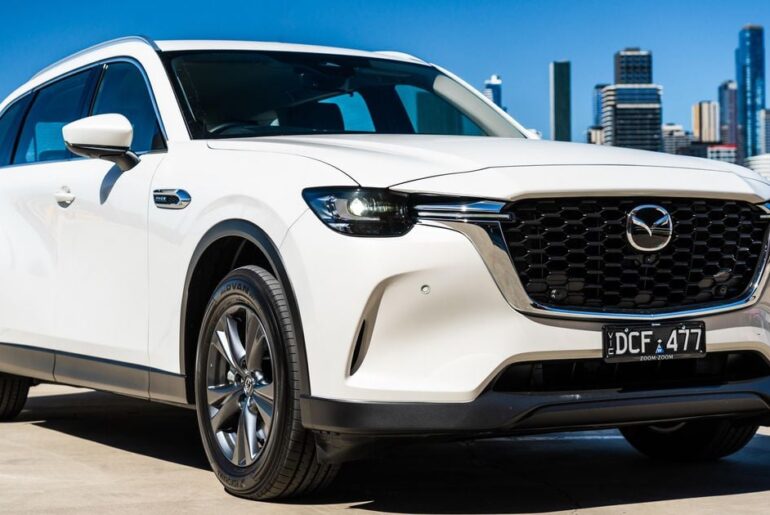
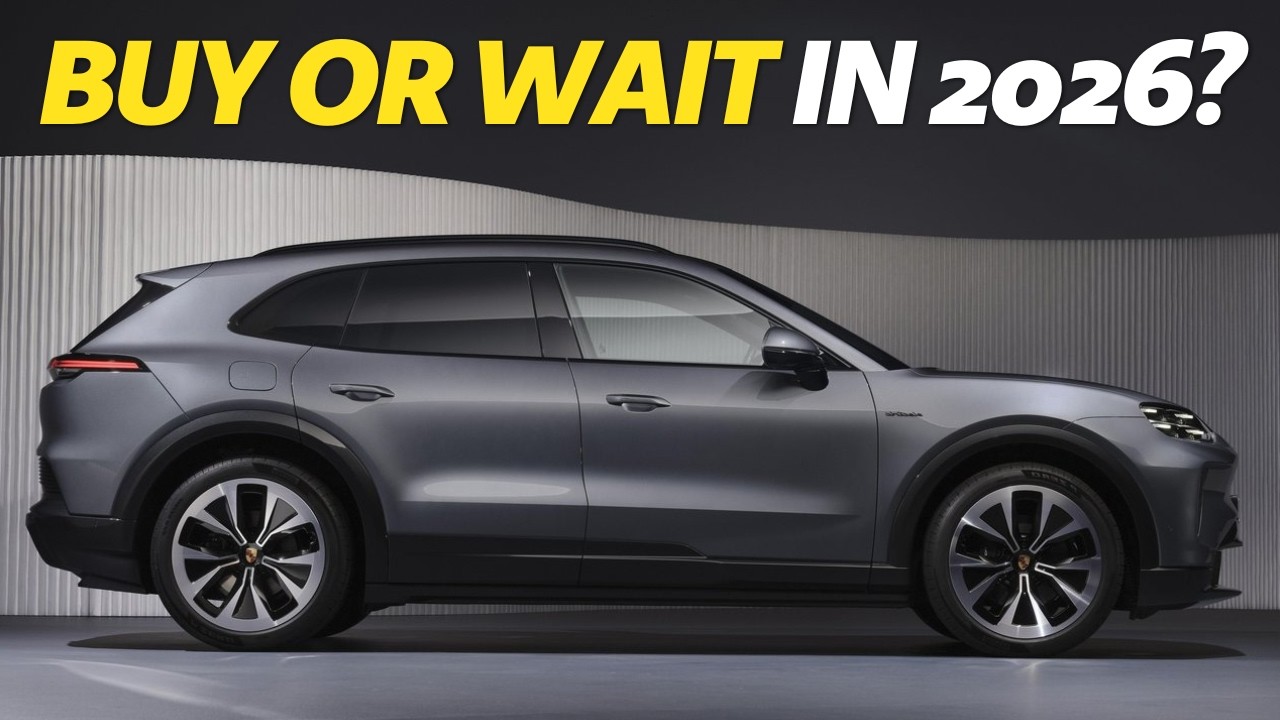
Picture this. It’s 2026. You walk into a dealership or open a configurator at 2 a.m. and every SUV looks all new. Every badge promises electrified. And somehow you’re still supposed to pick one vehicle that won’t feel outdated the second you drive it off the lot. So, here’s the move. Instead of asking, “What’s the best SUV?” We’re going to answer the only version of that question that actually works. What’s the best SUV to buy in 2026 for your life, your roads, your charging situation, your budget, and your tolerance for tech? Because in 2026, the best SUV is really the best powertrain and platform strategy that matches how you drive. Let’s set the rules like engineers do. A 2026 ready SUV needs five things. One, an efficient drivetrain you’ll actually use, hybrid, plug-in hybrid, or EV without annoying compromises. Two, a platform that can handle updates for years, not months. Three, realworld usability, space, ride comfort, visibility, and towing or ground clearance if you need it. Four, charging speed, and thermal management if it’s electric, because big battery without fast charging is just long waiting. And five, driver assistance that’s robust and predictable, not a gimmick. you turn off in week two. Today, we’ll go model by model across the exact lineup you asked for, but I’ll also tell you who wins specific categories at the end so you can make a clean decision. First up, the 2027 Kia Tellide, second generation. Yes, it’s a 2027 model, but it matters for 2026 buyers because this is exactly the kind of wait one more year vehicle that can change the entire value equation if you’re shopping the three row family SUV segment. Kia’s own official coming soon page is already telling us the headline engineering story. A turbo hybrid setup rated at 329 horsepower with Kia estimating 35 MPG combined on an EX frontwheel drive hybrid trim plus an XPro angle for capability and seating for up to eight. That’s a very specific direction. Keep the big family packaging. Add a serious hybrid torque curve and aim directly at fuel economy pain. The number one complaint with large three row gas SUVs. If Kia can deliver the refinement you want in a family hauler, quiet cabin, smooth low-speed control, predictable brake blending, this becomes the default smart three row pick for people who need space but don’t want to live at the gas station. Now, what’s the technical reason hybrids are so important in a big three row? Mass. Once you’re moving 4,500 plus pounds of vehicle, passengers, and cargo, you’re fighting inertia every time you leave a stoplight. Hybrids claw back efficiency by recapturing energy under braking and using electric torque to reduce how hard the engine has to work in the low efficiency zones. The Tellyide’s 329 horsepower turbo hybrid headline suggests Kia is aiming for no compromise performance because nobody wants a three row that feels like it’s negotiating with gravity on on-ramps. If you’re a 2026 buyer and you can wait, this is the kind of product that makes sense to delay for, especially if your current SUV is paid off and you’re not in a rush. Next, the 2026 Toyota RAV 4. And this one is absolutely core to the best SUV conversation because Toyota’s official press materials frame it as a new generation, sixth generation, and crucially, it’s built around hybrid and plug-in hybrid powertrains. Toyota’s newsroom description is clear. The 2026 Rav 4 is offered as a hybrid electric vehicle or a plug-in hybrid electric vehicle with front or all-wheel drive depending on grade. And it introduces distinct style directions, core, rugged, and sport. This is Toyota doing what Toyota does best. Take the most mainstream SUV shape in the world, then evolve it with electrification that’s designed to be boring in the best way. Reliable, consistent, easy to live with, and efficient without you having to try. Here’s the key technical angle. Plug-in hybrid power is the ultimate onecar solution when your charging is decent but not perfect. Toyota’s upcoming vehicle info for the RAV 4 plug-in hybrid calls out up to 320 combined system net horsepower. That’s big because it means the PHEV isn’t just about efficiency. It’s about giving you EV- like torque for daily driving while keeping gasoline range for road trips and cold weather and eliminating charging anxiety. In a 2026 world where public charging is improving but still uneven depending on region, a strong PHEV can be the most rational pick for a massive number of buyers. Also, Toyota’s own 2026 RAV 4 page emphasizes bold new styling and a spacious interior. and their features hub is framed around a fully hybrid 2026 RAV 4 specification approach. Translation: Toyota wants hybrid to feel normal, not special. If your goal is lowest ownership drama, predictable resale, and high efficiency in a compact SUV footprint, the 2026 RAV 4 Hybrid is the kind of answer that makes financial sense and engineering sense. Now, the 2026 Mazda CX-5 new generation. Mazda officially announced an allnew CX-5 debut in Europe with arrival in European showrooms at the end of 2025 and other markets during 2026. That’s the hard official timeline. The important nuance is powertrain cadence. Mazda’s own corporate materials describe Skyactive Z paired with Mazda’s hybrid system as something scheduled to be introduced to the new generation CX-5 by the end of 2027. So, if you’re buying in 2026, the all-new CX-5 is real. But the very next wave of powertrain tech, Skyactive Z Hybrid, is a later step. So, how do you shop that intelligently? You decide whether you’re chasing the newest platform and design now or the newest platform plus latest hybrid later. A new generation vehicle usually brings improvements in structure, crash performance strategies, packaging efficiency, NVH control, and chassis tuning potential. Mazda’s whole brand identity is built around steering feel, pedal response, and ride handling balance. So, a new Gen CX-5 is likely to be one of the feels expensive, even when it isn’t picks. But if your top priority is maximum powertrain efficiency improvement, it’s worth knowing straight from Mazda’s own published plan that Skyactive Zed hybrid integration is slated for later. All right, let’s pivot into premium compact luxury, the 2026 Audi Q3. I’m going to keep this official and technical using Audi’s own published model year documents. For model year 2026, Audi’s product and price guide shows 110 kW, 150 horsepower configurations in certain markets with listed fuel consumption and CO2 figures depending on trim. Separately, Audi’s MI26 Q3 SUV price list for Germany shows an e-hybrid variant rated at 200 kW system power, 272 horsepower paired with an automatic transmission. That’s the engineering story. The Q3 isn’t just small luxury SUV. It’s small luxury SUV with an available electrified powertrain that adds torque and efficiency while keeping the familiar Audi packaging. And for the physical footprint, because urban usability matters, Audi’s official dimensions sheet lists a wheelbase of 2,681 mm and an overall length of 4531 mm for the Q3. That’s the sweet spot for a lot of buyers. Big enough to feel stable and usable. Small enough to park without turning every grocery run into a three-point documentary. If you want premium materials, tight exterior size, and the option of electrification without going full EV, the MY26 Q3E hybrid configuration is exactly the kind of balanced spec that fits 2026 reality. Quick reality check before we continue. None of these choices exist in a vacuum. If you never charge at home, a plug-in hybrid becomes a hybrid you paid extra for. If you drive 90% highway, aerodynamic efficiency matters more than stopand go regen. If you live where winters are brutal, thermal management and heat pump strategy can matter more than peak horsepower. Keep that in mind because the next half of the lineup is where the electrification choices get very, very serious. Let’s go straight into one of the most practical electrified daily driver plays on your list. The 2026 Subaru Forester Hybrid. Subaru’s official 2026 Forester specs and trims page explicitly lists a Forester Hybrid trim and calls out an estimated range number, 581 mi, along with pricing for that trim level in Subaru’s own presentation. The bigger engineering point is Subaru’s positioning, a right-sized SUV with all-weather competence and then hybridization to reduce fuel stops without asking you to change your lifestyle. This is the I want efficiency, but my life involves bad roads, bad weather, and hauling things choice. And Subaru’s safety angle isn’t marketing fluff. They emphasize EyeSight driver assist technology as standard across the 2026 Forester lineup and describe features like automatic emergency steering availability as part of that safety suite. In real ownership terms, this matters because you’re buying a vehicle for the messiest parts of life, kids, commutes, fatigue, rain. So, safety systems need to be consistent and confidence inspiring, not twitchy. If your priorities are traction, safety culture, and long haul usability, Forester Hybrid is one of the most rational picks on the list. Now, to the full EV side, starting with the Hyundai Ionic 9. Hyundai’s official European model page frames it clearly as a three row all-electric SUV with seating for up to seven. And it publishes a big concrete number. Up to 620 km of all electric range in the long range battery version with rearw wheelel drive and 19in wheels measured on WLTP. That’s not just a brag. It’s a packaging and efficiency statement. Three row EVs are usually aerodynamic bricks and arrow is king at highway speeds. So, when an official range number like that exists, it’s a sign Hyundai is taking drag reduction, powertrain efficiency, and battery utilization seriously. If your household needs three rows and you want to go fully electric in 2026, the Ionic 9 is the type of vehicle that can actually make that lifestyle work, assuming your charging situation is solid. The benefit of a dedicated EV platform is flat floor packaging, better cabin volume for a given footprint, and the potential for better ride quality due to the mass being low and central. The caution, as always, be honest about your charging access. A three row EV is amazing when you’re charging at home. It’s more complicated when you’re hunting for public chargers every week with a packed schedule. Next, BMW iX3 Noa Classic launching in 2026, and this is one of the most important tech shift SUVs on your entire list. BMW’s official press release in English states, “The new BMW iX3 market launch starts in Europe in spring 2026 and in the USA in summer 2026.” In BMW’s own corporate news coverage, they describe key technology themes for this Noya classic generation, including Gen 6 with 800 volt technology, and they state an increased WLTP range figure of 800 km. In that context, whether you buy the first EX-3 variant or wait for later trims, the platform itself is the story. 800VT architectures are about charging performance and efficiency under load, not just numbers on a brochure. Here’s why 800 volt matters in real life. For the same power level, higher voltage means lower current, and lower current reduces heat in cables and components, which helps sustain faster charging and repeated high load events more gracefully. It’s one of the reasons the best EVs don’t just charge fast once, they charge fast consistently. If you’re the kind of buyer who wants the newest EV fundamentals, architecture, charging curve potential, nextgen battery strategy, the EX-3 Noi Classic is a prime candidate for best EV SUV to buy in 2026 because it’s designed around that new baseline rather than adapting an older one. Now, the Mercedes GLC EV, the allnew electric GLC, Mercedes’s official page introducing the allnew electric GLC calls out a very specific fast charging claim. Up to 305 km of range in just 10 minutes of charging time. That’s Mercedes planting a flag. This EV is meant to road trip. Mercedes also discusses the new GLC’s tech direction in official channels, including the integration of advanced infotainment and broader EV readiness themes. The practical takeaway is simple. If the charging curve and thermal system deliver what that claim implies, the electric GLC becomes one of the strongest premium all-rounders. comfortable, quiet, efficient, and fast to refuel. So, how do you choose between EX-3 and electric GLC? If you’re shopping premium electric midsize SUVs in 2026, BMW is screaming new EV architecture era, while Mercedes is screaming effortless long-d distanceance EV living. In a perfect world, you test drive both and focus on two things nobody talks about enough. One, low-speed smoothness. how the car meters torque in parking lots and stop and go traffic, and two, highway cabin control, wind noise, seat comfort, and steering stability. The best EV is the one you enjoy at 15 mph and 75 mph, not just the one with the biggest headline number. And then we get to the sledgehammer, the Porsche Cayenne full electric for 2026. Porschee’s official US newsroom release explicitly positions the 2026 Cayenne Electric and Cayenne Turbo Electric as additions that complement the ongoing combustion and plug-in hybrid portfolio. And it lists MSRPs $19,000 for Cayenne Electric and $163,000 for Cayenne Turbo Electric before fees. Porsche’s official technical communications go much further. One press statement calls out up to 400 kW charging power and up to 642 km of range and describes the Cayenne Turbo Electric reaching up to 850 kW 156 PS with 0100 km/h in 25 seconds. That’s not an SUV that happens to be electric. That’s a supercar powertrain wrapped in SUV utility. But Porsche is also doing something nerdy and important that most brands aren’t bold enough to headline. Wireless charging. Porschee’s official Cayenne electric model info describes the Porsche wireless charging system with up to 11 kowatt. And Porschee’s newsroom explains that from 2026 it will offer this as an option with efficiency up to 90%. And that the vehicle can detect the charging plate and lower slightly for charging. This is the kind of daily convenience feature that sounds like a gimmick until you live with it. then it becomes the feature you miss in every other vehicle. So, is the electric Cayenne the best SUV to buy in 2026? If we’re talking purely about engineering, ambition, charging performance, and performance capability, it’s one of the most extreme SUV packages you can buy. But the best question always comes back to use case. If you mostly commute and do school runs, the Cayenne is overkill in the most expensive way possible. If you want a luxury EV SUV that can genuinely replace a sports car emotionally while still doing SUV life, then yes, this becomes a top tier answer. Now, let’s land the plane with clean recommendations because you don’t just want a list, you want a decision. If you want the safest all-around bet for most people in 2026, efficiency, practicality, resale logic, the 2026 Toyota RAV 4 Hybrid is the pick. And if you can charge reliably, the RAV 4 plug-in hybrid gets you that EV during the week gas on roadtrip superpower with up to 320 combined system horsepower. If you need a three row family SUV and you hate fuel bills, the upcoming second generation 2027 Kia Tellyide turbo hybrid is the one to watch hard because 329 horsepower plus an estimated 35 malipg combined on certain hybrid configurations is exactly the direction big family SUVs should go. If you can wait, waiting is smart here. If you’re the all-weather safety first, keep it forever buyer, the 2026 Subaru Forester Hybrid is your practical champion, especially with Subaru’s official range figure and its consistent emphasis on eyesight driver assist as a standard foundation. If you want a premium compact SUV that stays city-friendly but offers electrified options, the 2026 Audi Q3, especially in e-hybrid form with 200 kW system power, sits right in that sweet spot of manageable size and upgraded drivetrain flexibility. If you want a three row EV that’s designed to be a real family vehicle, the Hyundai Ionic 9 is the clear mainstream electric family play with Hyundai publishing up to 620 km WLTP range in the long range RWD configuration. If you want the most future forward EV platform move in 2026, the BMW iX3 Newclass is the new era architecture pick. BMW is officially timing launch for 2026 and highlighting nextgen EV tech themes tied to 800 volt strategy and big well TP range figures in its own communications. If you want the premium EV allrounder with a serious roadtrip charging claim, the all-new electric Mercedes-Benz GLC is the one to test first because Mercedes is openly focusing on fast replenishment up to 305 km in 10 minutes per their own introduction page. And if your definition of best includes, I want the most advanced, most powerful electric SUV that still does SUV things, then the Porsche Cayenne Electric is the Apex Predator. Officially positioned as a 2026 model line with massive charging and performance statements, plus wireless charging convenience that’s honestly straight up futuristic. Last thing, my personal cheat code for 2026 SUV shopping. Don’t fall in love with horsepower first. Fall in love with the drivetrain behavior. Drive it in stop and go, do a tight parking lot loop, then hit a highway merge. The best SUV is the one that feels calm and confident everywhere you actually live your life. And if you want, tell me your budget, whether you can charge at home, and how many seats you truly need, and I’ll pick the single best match from this exact list for your situation. And before you go, if this breakdown helped you see past the marketing and actually understand which SUV makes sense for 2026, hit like, subscribe, and turn on notifications for AutoPedia. We break down cars the way engineers think about them, not the way ads sell them. Drop a comment with the SUV you’re leaning toward and tell us how you actually drive. city, highway, family, road trips because the next video might be built around your choice.
Choosing the best SUV in 2026 isn’t about badges or hype anymore—it’s about powertrains, platforms, charging speed, efficiency, and how the vehicle fits real life. In this video, Auto Pedia delivers a deep, technical breakdown of the most important upcoming SUVs you can buy in 2026 and beyond.
We analyze officially confirmed models only, using manufacturer data and engineering fundamentals to explain what really matters: hybrid systems, plug-in flexibility, full-electric platforms, range, charging performance, safety tech, and long-term usability.
Featured models include the next-generation Kia Telluride, Toyota RAV4, Mazda CX-5, Audi Q3, Subaru Forester Hybrid, Hyundai IONIQ 9, BMW iX3 Neue Klasse, Mercedes-Benz GLC EV, and the electric Porsche Cayenne.
If you want to understand which SUV actually makes sense for your lifestyle, budget, and future driving needs, this is the video you need to watch before buying.
Subscribe to Auto Pedia for real car knowledge—no marketing fluff, just engineering logic.
#BestSUV2026
#AutoPedia
#HybridSUV
#ElectricSUV
#CarBuyingGuide
#FutureCars