A new warning about certain Tesla battery packs is raising fresh doubts about the reliability of electric vehicles. The concern could affect broader EV adoption, especially among people still considering the transition from gas vehicles.
What’s happening?
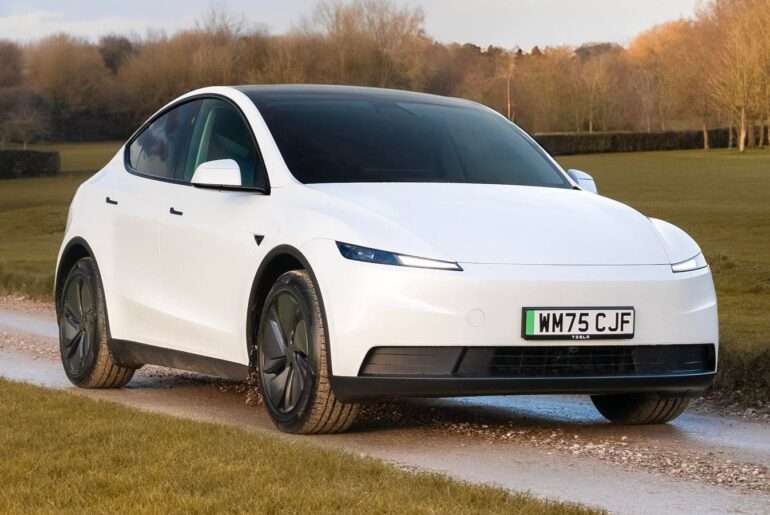
According to Electrek, research and repair facility EV Clinic warned about unusually high failure rates tied to the use of LG Energy Solution NCM811 battery cells from Nanjing, China, on Tesla Model 3s and Model Ys. The company alleged that the cells have shorter lifespans than Panasonic batteries.
“We are raising serious concerns about Tesla Model 3/Y LG NCM811 battery packs,” EV Clinic posted on X, noting the stark difference in resistance between Panasonic and LG Nanjing cells. While Panasonic starts at around 10 milliohms, new LG cells have 28 milliohms — a level Panasonic cells reach only when they are already failing.
Simply put, LG cells perform worse even when new. And when LG battery packs fail, more than 90% cannot be repaired at the cell level.
Why is this issue concerning?
Battery failure, especially from a high-profile EV brand like Tesla, could make consumers hesitant to switch from gas to electric, particularly among those who are cautious about EV reliability.
The latest poll by Kelly Blue Book showed that range anxiety, high battery repair and replacement costs, and limited repair options are among the top reasons people avoid buying an EV.
If consumers fear their battery won’t last as long as expected, they may delay investing in an electric car — a transition the world can’t put off as rising global temperatures fuel destructive storms, heat waves, flooding, and other disasters.
This year, the concentrations of heat-trapping gases are forecasted to be even higher than the record-high levels in 2024, according to the World Meteorological Organization. And based on the Environmental Protection Agency’s data, the transportation sector remains the largest U.S. contributor to these gases, accounting for 28% of total pollution.
So, this issue goes beyond battery efficiency — it has a wider impact on the planet and in everyone’s lives.
What’s being done about the issue?
EV Clinic advised Tesla owners with LG Nanjing batteries to swap them for Panasonic packs or visit a Tesla service center for a full replacement. Manufacturers may also need to place greater emphasis on ensuring battery quality to maintain consumer trust and avoid tarnishing the industry’s growth.
A more proactive approach would be pushing for policies that protect consumers, ease access to EV ownership, improve infrastructure, and ensure sustainability.
Consumers exploring EV options can compare models with proven battery durability. They can also consider other alternatives, such as using electric bikes for shorter trips or choosing public transport for longer ones.
While EV Clinic’s warning raises valid concerns, it shouldn’t discourage people from switching to electric vehicles. There are plenty of EV manufacturers and models that show strong long-term performance. Plus, making your next car an EV is still one of the most effective ways to cut pollution.
Get TCD’s free newsletters for easy tips to save more, waste less, and make smarter choices — and earn up to $5,000 toward clean upgrades in TCD’s exclusive Rewards Club.