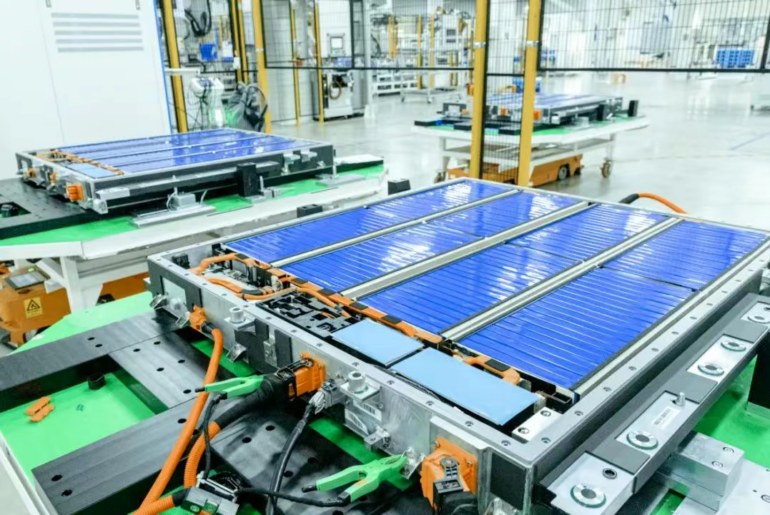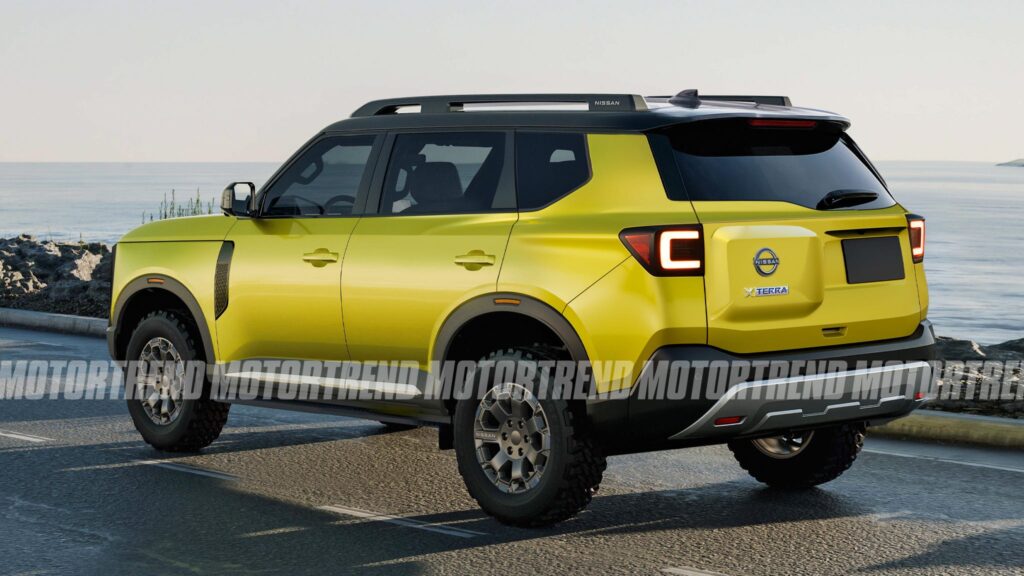
Larger vehicles—Frontier, Pathfinder, Xterra—will be moving to a new body-on-frame architecture with a V-6 engine, four-wheel drive, and the room to add larger, more expensive batteries.
V-6 Engine a Differentiator
Having a V-6 will help differentiate the models from the competition. Pandikuthira says the efficiency will come from hybridization, not from downsizing to a four-cylinder engine. He says there are a number of V-6s within the company to choose from.
A school of thought and test results say a parallel hybrid may make more sense for the larger 4WD vehicles which must also be able to tow, Pandikuthira says. The V-6 could drive one axle and the electric motors drive another. These larger vehicles are also better able to accommodate the additional weight and cost of a larger battery.
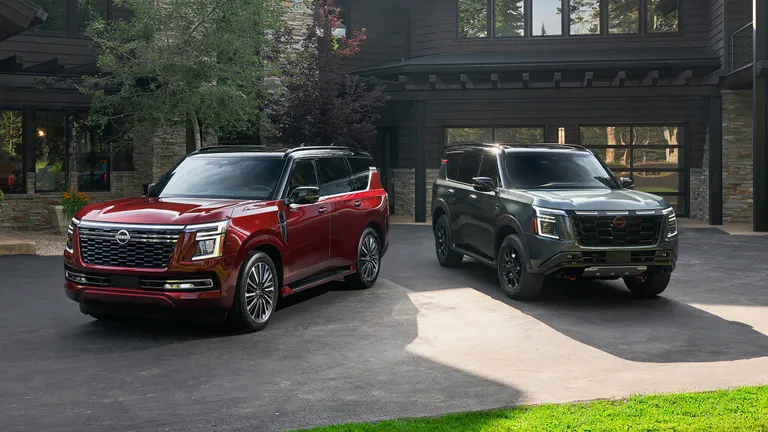
The final decision is not nailed yet, in part because the body-on-frame architecture is still being finalized. The desire to move the D-segment vehicles to body-on-frame is buoyed by the success of the larger Nissan Armada and Infiniti QX80. One option is a scaled-down version of that architecture. Another is creating a new platform from the ground up. Some vestiges of the current platform used by the Frontier could be carried over but the platform is quite dated. The next-generation underpinnings need to be lighter and able to be electrified, which the current Frontier is not designed to do. Nissan is still studying how to achieve fuel efficiency, light weight, and the ability to accommodate a hybrid.
The next generation of body-on-frame models would be built at Nissan’s plant in Canton, Mississippi, starting with the Xterra in 2028, with the others following by 2030. The plant used to make the body-on-frame Nissan Titan full-size truck, which has been discontinued. It continues to make the Frontier. If demand takes off, Nissan has the flexibility to also build body-on-frame vehicles at its Smyrna, Tennessee, plant.