Non-serious crashes in the City of Boulder involving e-bikes are on the rise, and the rate of severe crashes has decreased over the past five years, according to a crash data update provided to the Transportation Advisory Board in November.
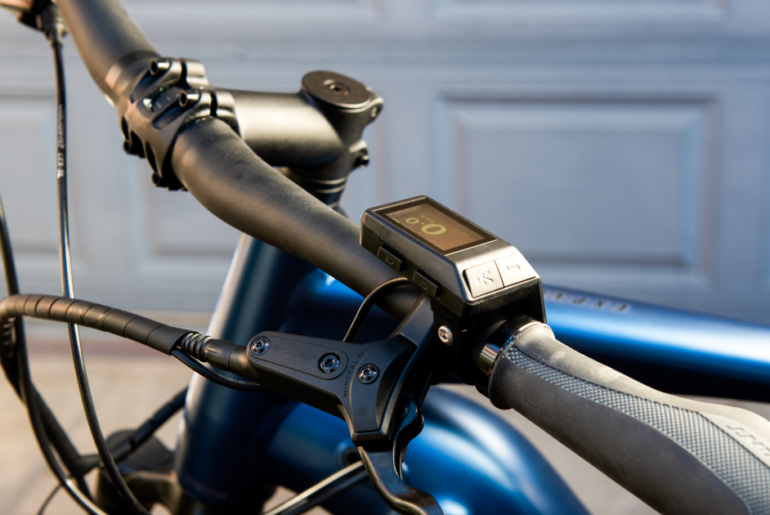
In the past four and a half years, 16% of bicycling crashes involved an e-bike, according to officers’ narratives of crash reports. Total bicycle crashes involving e-bikes have increased from 4% in 2021 to 25% in 2024. The percentage of severe crashes, defined as incidents that result in serious injury or death, involving all bicycles remains at 36%. The City Attorney’s Office has been directed to research the city’s authority to regulate e-bikes, and city staff are monitoring crashes that involve e-bikes versus traditional bikes.
Citywide and across vehicle types, Boulder saw 45 severe crashes in 2024. Through September 2025, the city had 34 severe crashes and is expected to see similar rates to those in 2024 by the end of the year. These rates are an improvement from the years leading up to the pandemic, when Boulder saw an average of 55 severe crashes annually.
Vehicle-bicycle collisions made up almost a third of crashes in 2024, followed by vehicle-pedestrian and vehicle-vehicle crashes. Severe crashes often involved bicyclists, pedestrians, fixed objects and drivers making left turns. Between 2022 and 2024, Boulder saw significant decreases in severe crashes caused by driving under the influence, speeding and crashes involving people aged 15 to 29 and 65 or older compared to he period from 2018 to 2020. Motorcycle crashes have increased by 6%.
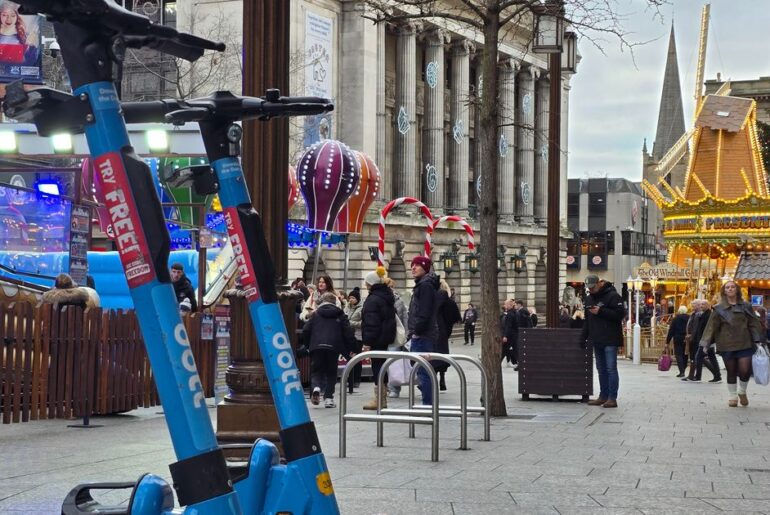
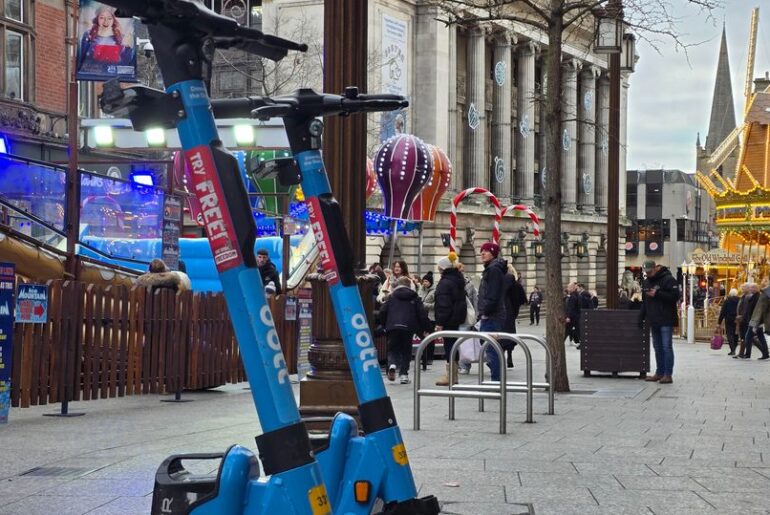
Meanwhile, less than 1% of crashes citywide involve e-scooters. Lime e-scooters have logged 2.5 million rides since their introduction in August 2021 and their citywide expansion in August 2023. Through 2024, e-scooters were involved in a severe crash roughly once per 350,000 rides.
Boulder’s current Vision Zero Action Plan, which aims to eliminate severe crashes, was finalized in May 2023 and outlines traffic safety priorities through 2027. Implementation of some items, such as studying right-turn slip lane design and updating signal timing practices for certain turns, is inhibited by staff vacancies.
Related