
BEYOND ZERO | Paths to the Future Episode3: The Spirit of Craftsmanship | Toyota
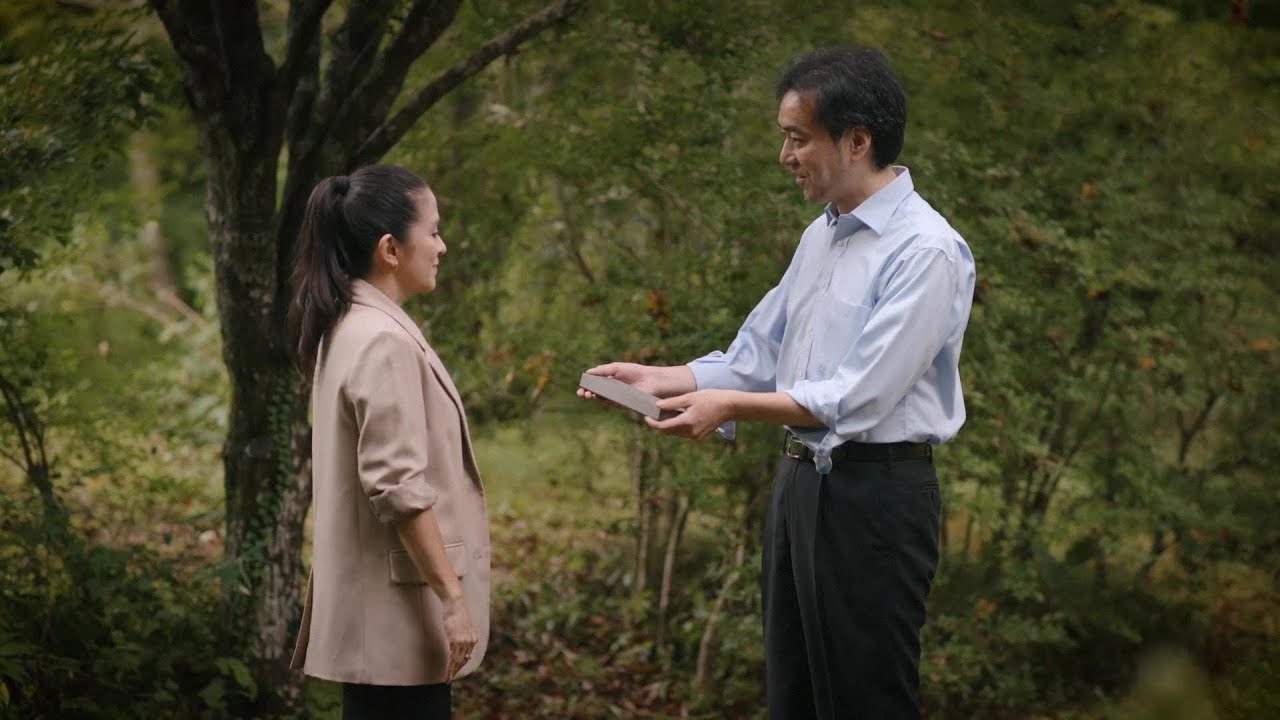
My time in Aichi was about seeing how tradition could be woven into the fabric of innovation. Now, in Miyagi, I hope to find out what other creations are being given a second life. The more I travel, the more I learn. I’ve come to understand monozukuri, the spirit of craftsmanship, dedication and the constant quest for perfection. It’s a philosophy that I believe is at the very heart of upcycling. If this spirit can turn car waste into new textiles, what else is possible? Nice to meet you, Mr. Daigaku. Nice to meet you. I’m Antoinette. I’m Daigaku. Nice to meet you. It was so interesting learning about upcycling in Aichi. And I do see how it feels so deeply rooted in Japanese culture. When it comes to upcycling, it’s not only altering the form. I believe it’s also about adding value to that creation. So I think the craftsmanship of artisans combined with upcycled materials can create something new. Well, I do love to cook and I know how much chefs place value on the knives that they use. When it comes to upcycling, it’s not just about changing the shape of things or just making them. I want to add value to them. I think traditional crafts and artisanal techniques are a perfect match for adding value to them. From the design stage, we plan for how a product gets disposed of when the time comes. We call this the “geological design” concept. What is geological design? Geological design is rooted in those who create things and building a community where the mindset can be put into practice and spread. Of course, it would be best if all the scrap material could be put back into cars. But where that’s not possible, it goes toward another plan of use. Like this glass is made of recycled automotive glass. This glass is so beautiful! It’s made by a craftsman who works just nearby. Shall we drop in? I’d love to see it! Hi, Mr. Murayama! It’s been a while. Long time no see. Nice to meet you. Nice to meet you. This is Mr. Murayama. So, this is your studio? Yes, this is my studio that I’ve been running for 30 years. Is automotive glass usually discarded? Once car glass becomes scrap material, it won’t be used in any cars. But then I thought, we should plan for its next life as something else. But rather than just changing its form, I wanted to add value. So I thought of combining it with traditional crafts. And that’s when I got the idea of working with Mr. Murayama. I first saw the material, which was broken car glass. While talking about how to use it, the discussion started to get really animated. And then we got our idea. How exactly does this upcycling of automotive glass work? We first receive glass from Mr. Daigaku for upcycling. It’s put in here and melted down. But simply melting it isn’t enough to upcycle the material. So we make adjustments. The glass we typically use in crafts is quite soft and pliable. Car glass is incredibly tough. Yes, to handle the strong glass, we made a few adjustments to make it easier to use. Looking ahead to the distant future, it began to feel like a kind of creative activity that could be done. I’ve seen textiles and now glassware. So, what’s next for you in upcycling? The project is going well for now. But it shouldn’t depend on me. Even after I leave, this movement should not stop and should keep spreading. That would be my hope for the future. Here’s a gift. This is so beautiful! Thank you! This knife is made from automotive scrap. It’s made from parts of the brake. Thank you for your interest in upcycling. Thank you. The more I reflect on this journey, the more I realize that sustainability is born from a place of human ingenuity and cultural essence. This is a story with many paths. To be successful, sustainability must touch every part of a society, its unique rhythm and soul. And there are multiple ways to achieve this. A different solution for every person, every place. This is the multi-pathway approach. From introducing modern EV versions of cultural icons to upcycling by skilled craftspeople, we need to make sustainability part of how we live our lives and create within our lives. And a beautiful upcycled design isn’t the finish line. It’s a lesson that circles back to where the original product was made. To create with upcycling and sustainability at heart. I came looking for answers but what I found was a whole new way of seeing the world. One where every end is a new beginning and every challenge is an opportunity that leads us to the path to the future.
Warner Brothers Discovery presents: “Paths to the Future”
Real sustainability means recognizing the incredible potential of that which has been deemed unusable.
In Sendai, glass extracted from old vehicles is combined and repurposed into beautiful glassware, opening the door for all kinds of artisans and artists to transform automotive waste into precious works of art.
About “Paths to the Future”:
Antoinette Taus, an actor/singer passionate about environmental protection activities, journeys through Thailand and Japan. During her travels she discovers how sustainable innovation can be inspired by traditional wisdom and modern concepts.
Discover more
https://sponsorcontent.wbd.com/beyond-zero/
See the link below to learn more about Beyond Zero and our sustainability efforts.
https://global.toyota/en/mobility/beyond-zero/
#toyota #ToyotaGlobal #BeyondZero
Toyota Motor Corporation Official Global Website: https://global.toyota/en/
トヨタ自動車株式会社 公式企業サイト: https://global.toyota/jp/
Facebook: https://www.facebook.com/TOYOTA.Global/
X: https://x.com/ToyotaMotorCorp
Instagram: https://www.instagram.com/toyota/
BEYOND ZERO | Paths to the Future Episode3: The Spirit of Craftsmanship | Toyota
https://www.youtube.com/user/TOYOTAglobal