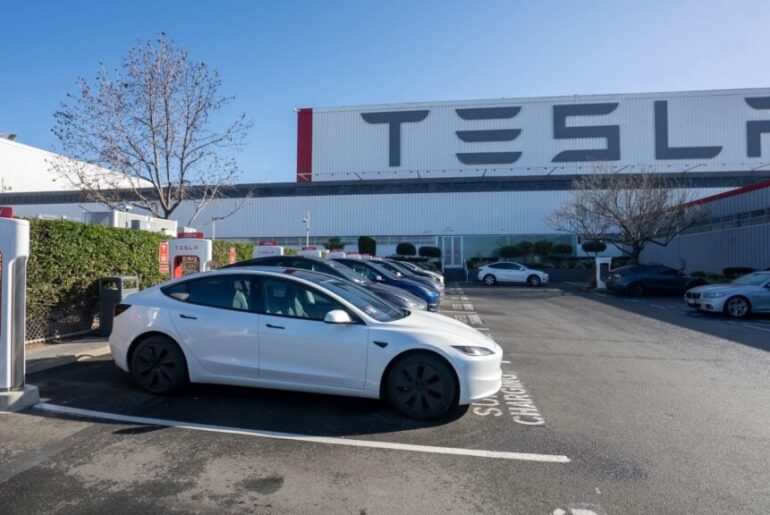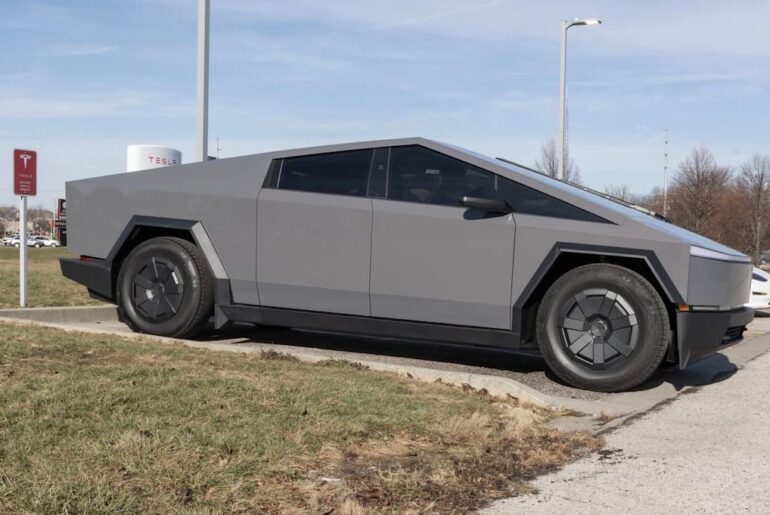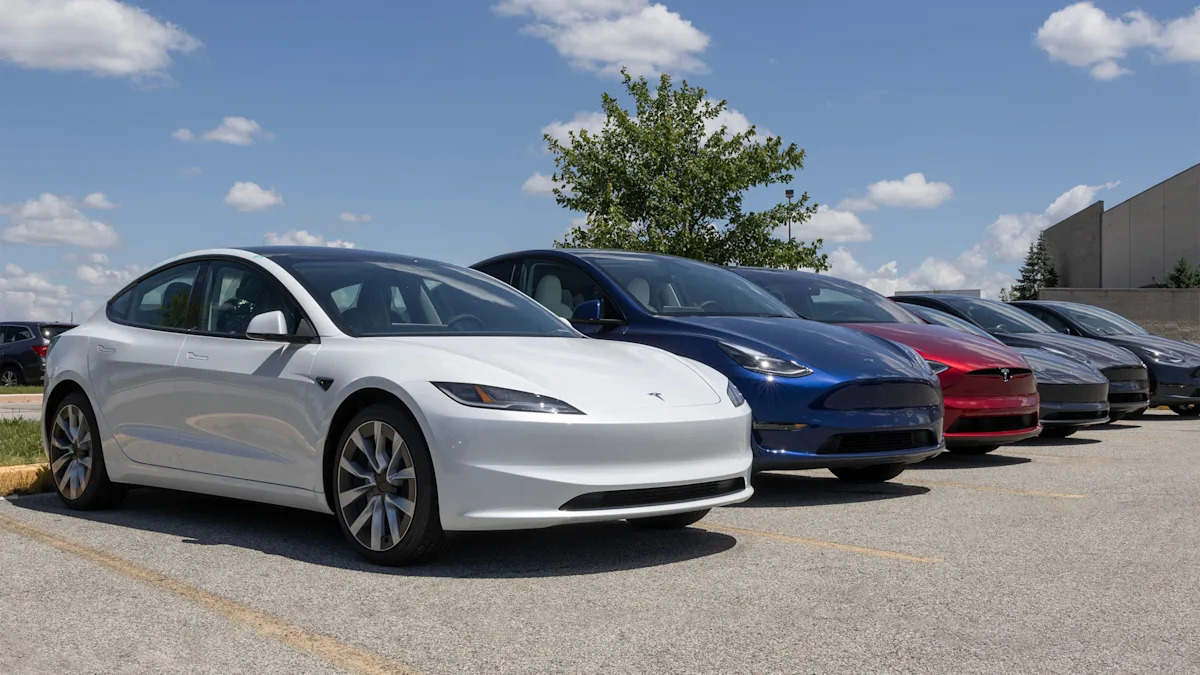
Buying a Tesla is a significant step for many drivers, and the experience can feel dramatically different from driving a gasoline vehicle. New owners often describe the transition as “sitting in a spaceship,” with unfamiliar controls and features that go far beyond the large touchscreen. To help first-time buyers understand what to expect, current Tesla drivers have shared their most valuable lessons across owner forums, complemented by my professional insights working in the automotive industry and driving several electric cars, including Tesla.
What real owners wish they knew from day one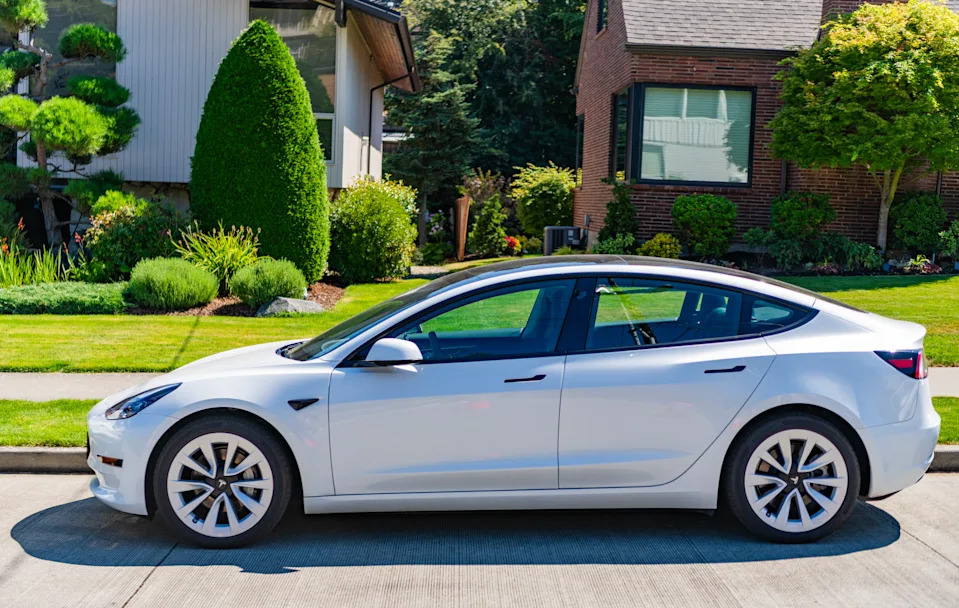
A recent Model Y buyer on Reddit advised new owners to “switch the display from Km to %,” noting that watching remaining miles can trigger range anxiety, while percentage offers a clearer sense of available battery. Another commenter on r/ModelY cautioned that estimated range often differs from real-world performance, particularly on longer trips or when using HVAC systems and accessories. This advice applies to nearly any EV. Much like a smartphone, drivers rarely track remaining hours of use and instead rely on the percentage as a more intuitive measure of what’s left in the device.
Cold weather also surfaced as a common concern. One user pointed out “expect significant range reduction when it starts getting below 4 Celsius (40°F).” This aligns with owner manuals and independent EV cold-weather studies, which show that low temperatures can reduce usable range and affect regenerative braking performance.
Charging habits were another recurring topic among owners. Several commenters advised against routinely charging to 100 percent or relying heavily on Superchargers, noting that the “last 10%” fills slowly and offers limited day-to-day benefit.”
Regenerative braking drew significant attention as well. A user on r/TeslaModel3 explained that “the biggest difference you will probably notice right away is how regen affects deceleration. When you lift your foot off the accelerator, the car will slow down as if you are applying the brake.” Many drivers transitioning from gasoline vehicles find this unusual at first, but owners say it quickly becomes intuitive. They recommend easing off the accelerator gradually, rather than lifting abruptly, to get a better feel for how the car slows.
Charging etiquette also appeared frequently in owner discussions. One user emphasized the importance of respecting shared infrastructure, writing, “Do not ever park in a charging bay and not to be charging… And do not unplug other people.” Beyond courtesy, occupying a charging bay when not actively charging can disrupt access for other EV drivers, particularly during periods of high demand.
More tips that only come with time
Set habit-based charging instead of waiting for “empty”. A tip many new owners learn too late: plug in at night, top off when convenient. As one user put it: Get your “charging situation sorted out ASAP” especially if you don’t have a home charger yet.
Get ready for a single-tablet car experience. Another first-time owner noted: “Everything is controlled by the single tablet, even the opening of the glove box… your phone becomes the key, and it can also control everything remotely.” Tesla, just like any modern EV, is basically a giant smartphone on wheels. If you are not familiar with a touchscreen, then the learning curve can be steep.
Be realistic about long trips and range numbers. One poster described a road trip: planned 203 miles, thought they’d have ~25% battery left. They arrived with only about 10%. Even though the starting estimate was 320 miles on a full battery, real-world conditions — speed, A/C, terrain — left them short.
My professional recommendations if you are considering buying a Tesla
If you’re evaluating a first-time Tesla purchase or just accepted delivery, here’s what I recommend you do first:
Don’t let the “300+ miles” printed on Tesla’s website shape your expectations. Instead, once you get your car, track your real range over several days under your usual driving conditions. Use that to form a mental baseline. Don’t rely on maximum-range scenarios.
Use Tesla’s navigation as your “charging brain”. When going on longer trips, enter your destination and let the car map out charging-station stops for you. Also, add buffer time to your schedule. Charging can have surprises. From technical glitches to slow charging stations, many factors can affect charging on the road.
Factor in charging speed when planning your travel style. Supercharging is fast, but charging from 80% to 100% usually isn’t worth the time or the impact on battery health. For daily use or short trips, topping up to 70-80% is typically sufficient and better for battery health in the long term. Use a full charge only when a longer trip absolutely requires it, and plan breaks around charging stops.
Plan for cold weather before it hits. If you live in a cold-winter area or frequently travel through cold zones, take precautions early. Extreme cold can significantly reduce range, so when the mercury drops, it is better to be cautious with range.
Regenerative braking takes a day to learn, and maybe a week to master. Spend your first few drives in a quiet parking lot to get used to the car slowing down on its own without touching the brake. Only after you’re comfortable should you really trust “one-pedal driving.”
Sentry mode has recently gotten much better. It still drains the battery a bit, but nowhere near as much as it used to. Tesla did some decent work in one of the updates. But, mostly use it when not at home.
Another tip that many people forget is the tires. EVs are heavy and have immediate, constant torque, which puts extra stress on tires. Don’t be surprised if the tires won’t last as long as those on a gasoline vehicle. A good quality EV-specific tire is highly recommended.
Buying your first Tesla is exciting. The smooth acceleration, the tech-forward cabin, and the “EV feeling” all feel like the future. But as these first-time owners show, the thrill comes with caveats. The way you charge, drive, and think about “range” and “battery” matters just as much as horsepower or screen size. Get accustomed to the habits early.
Treat charging like charging your phone overnight, respect the quirks of regenerative braking, and approach long trips with realistic expectations.