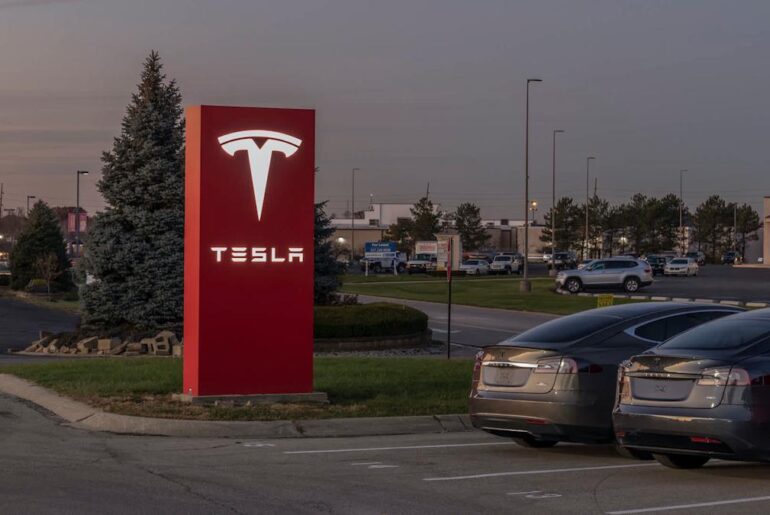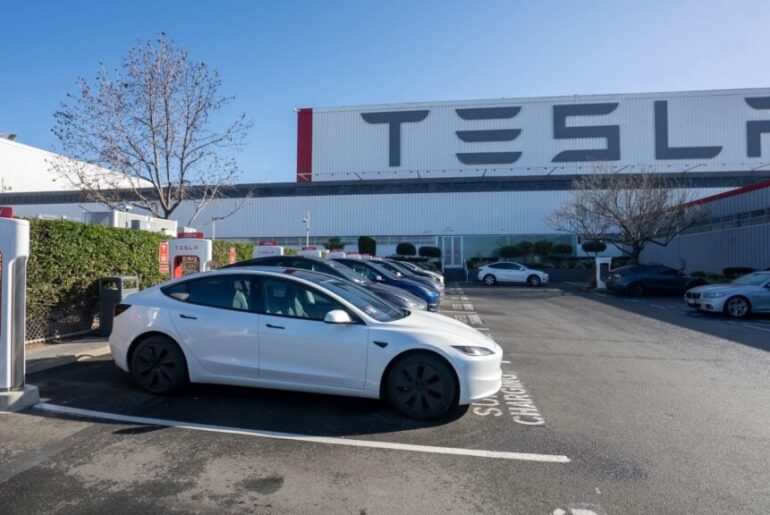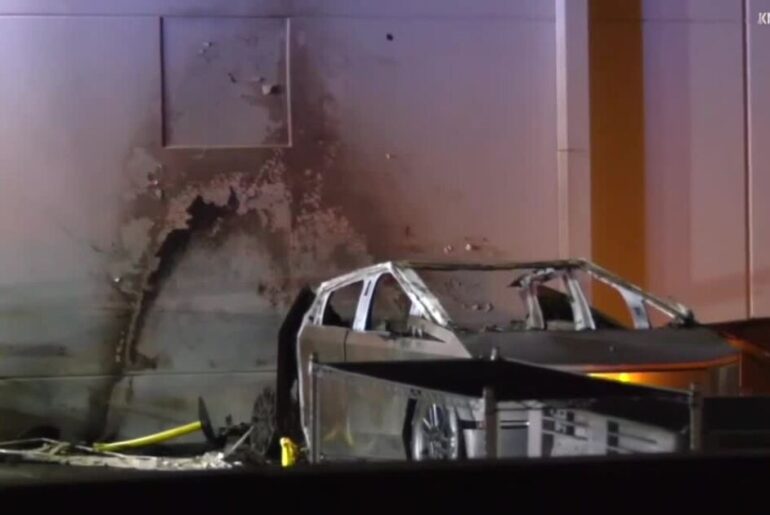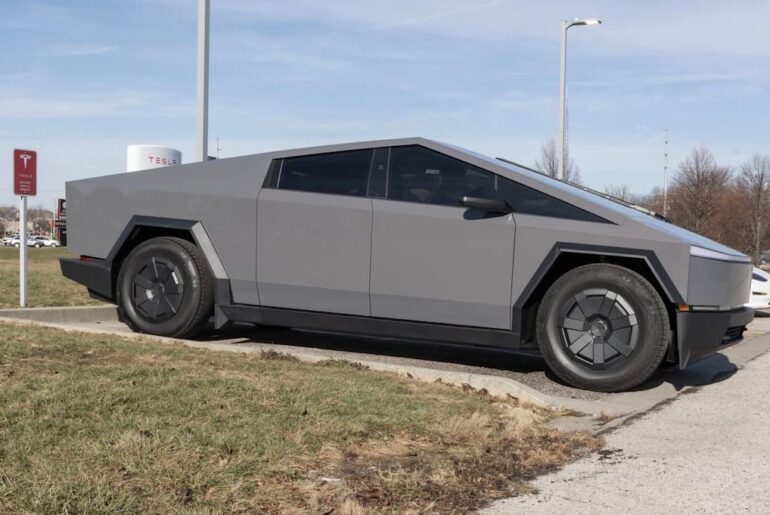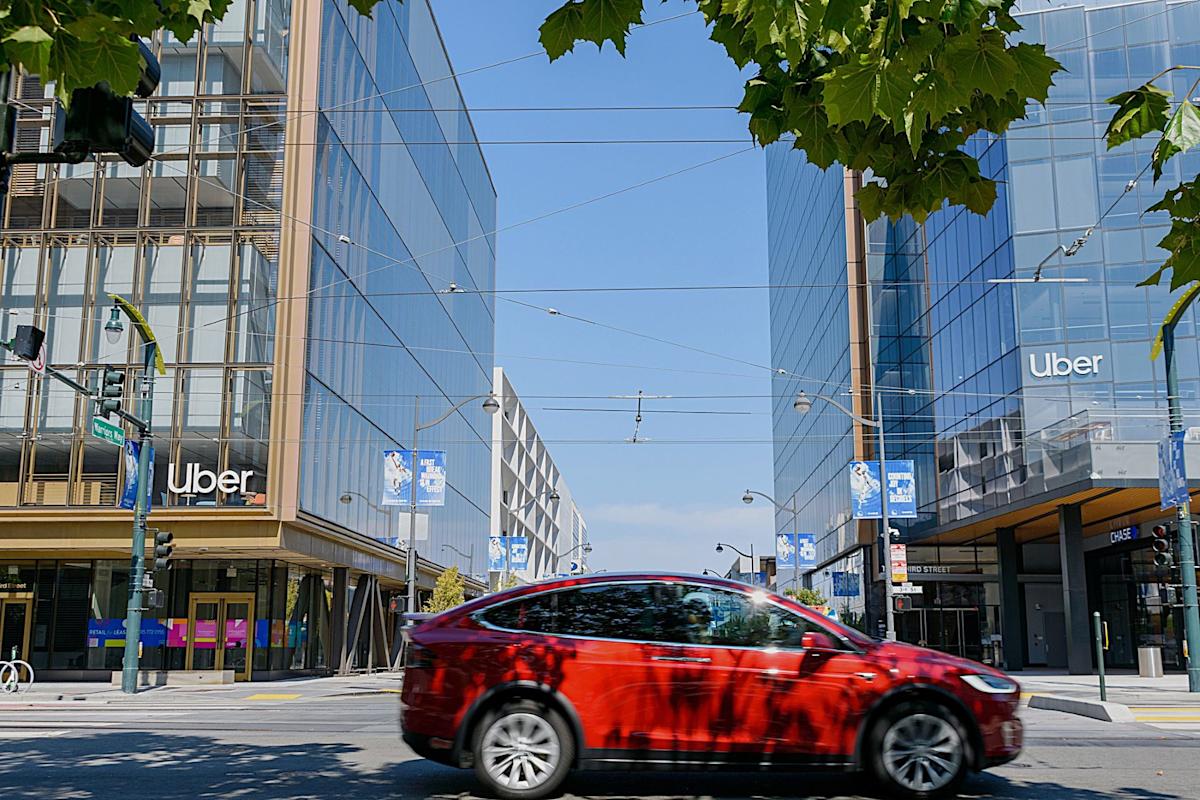
Tesla is pushing back against Uber and Waymo’s regulatory proposals for robotaxis in California, per Business Insider. The dispute could affect how reliable and accessible these services appear to riders as the state develops new rules.
The California Public Utilities Commission (CPUC) is drafting new rules for robotaxi passenger services and has invited companies like Tesla, Waymo, and Uber to participate.
However, Tesla is clashing with both companies over their proposals.
Waymo wanted companies using advanced driver-assistance systems (ADAS) for ride-hailing to file quarterly reports on mileage, passenger trip time, and incidents.
Current regulations require robotaxi operators like Waymo to disclose this information, but Tesla’s ride-hailing service in California isn’t required to do so.
Tesla pushed back, arguing that ADAS-equipped vehicles, including those using its Full Self-Driving system, are “wholly distinct” from autonomous vehicles because they require human supervision.
Tesla maintained that making additional reporting mandatory would confuse consumers and complicate the process.
Uber proposed that California’s Department of Motor Vehicles define what qualifies as an autonomous vehicle. It also cautioned that applying autonomous-vehicle rules to cars with driver-assist technology could obfuscate important distinctions.
Tesla also disputed Uber’s suggestion, arguing that regulators should ensure ADAS-equipped vehicles aren’t advertised as fully autonomous and avoid phrases like “self-driving” or “robotaxis,” which could be “misleading.”
Robotaxis have routinely been scrutinized for concerns about their reliability.
The Guardian reported that approximately 2,000 of Waymo’s robotaxis were investigated in October to assess their compliance with traffic safety laws. Tesla has faced scrutiny after several reported crashes.
The regulations are crucial because they will determine the safety standards of robotaxis in California. Disputes between these companies could exacerbate concerns about robotaxi readiness and undermine riders’ confidence in the service.
These developments came as Tesla grappled with concerns about its driver-assist features and recent sales performance — factors that can shape how riders perceive the safety and dependability of emerging transportation technologies.
They could also affect consumer trust in Tesla’s reliability, potentially slowing broader electric vehicle adoption.
EVs don’t produce tailpipe emissions, and delays in expanding cleaner transportation options can slow efforts to curb air pollution generated by gas-powered vehicles.
It’s still unclear how the CPUC will handle the dispute or how the rulemaking has progressed.
According to the Bureau of Labor Statistics, EV demand in the U.S. is still growing, with some forecasts predicting that electric cars could account for 50% of new-car sales by 2030.
While robotaxi regulations in California remain in flux, there are low-impact travel options, which include switching to an EV.
 ��
��
Get TCD’s free newsletters for easy tips to save more, waste less, and make smarter choices — and earn up to $5,000 toward clean upgrades in TCD’s exclusive Rewards Club.