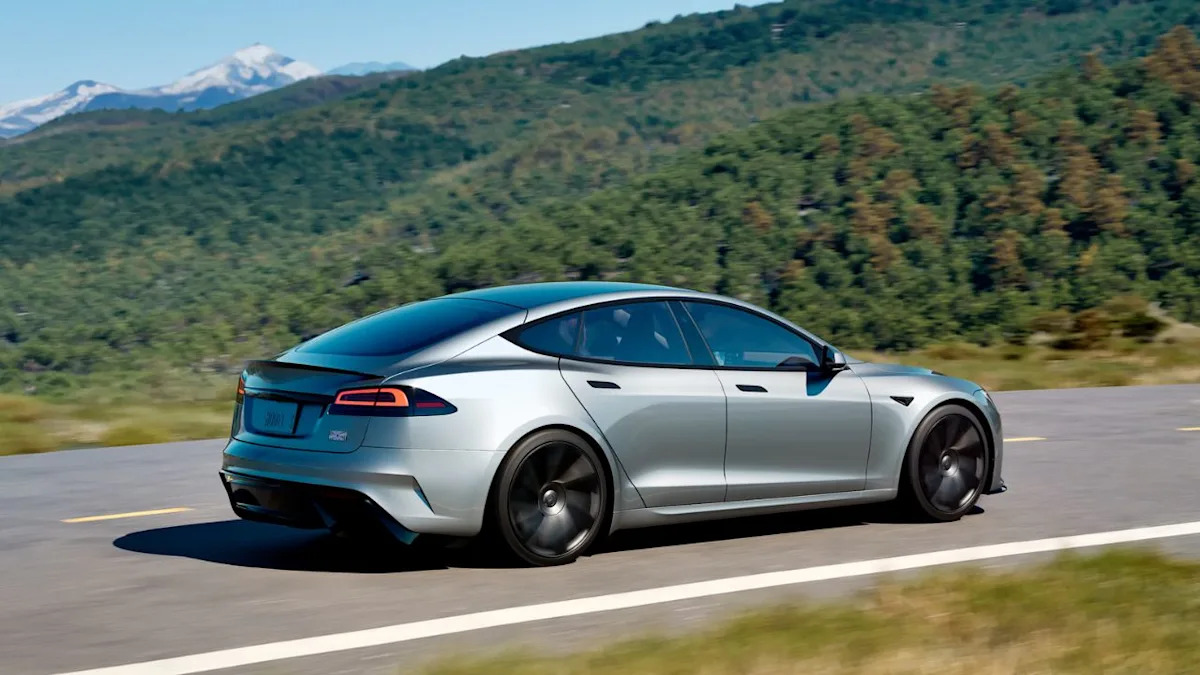
Tesla’s Full Self‑Driving (FSD) software has proven to be an ever-evolving saga. CEO Elon Musk has once again stirred the pot. His latest claim? Drivers may soon be able to focus on their phones while the car handles the road. Sounds futuristic, right? It should, because even Tesla’s bleeding-edge self-driving technology still require human supervision. If you decide to sleep behind the wheel, you’re officially on your own. Despite Tesla’s attempt to over-aggrandize the latest version of its self-driving software, police departments across the U.S. are quick to remind everyone that texting and driving is still very much illegal.
Musk’s Bold Statement
On Thursday, Musk responded to a fan on X (formerly Twitter) who asked if FSD version 14.2 would allow texting while driving. Musk’s reply was tantalizing yes, “depending on context of surrounding traffic.” In other words, if the car’s sensors and software deem the situation safe, drivers might sneak a peek at their phones without the system nagging them to keep eyes on the road.
This marks a shift from Tesla’s previous stance. The company has long emphasized that FSD is “Supervised,” meaning drivers must remain attentive. Musk himself admitted earlier this year that the system would “nag” less often once safety improvements were confirmed. Now, he’s hinting at a more relaxed approach.
The Law Says Otherwise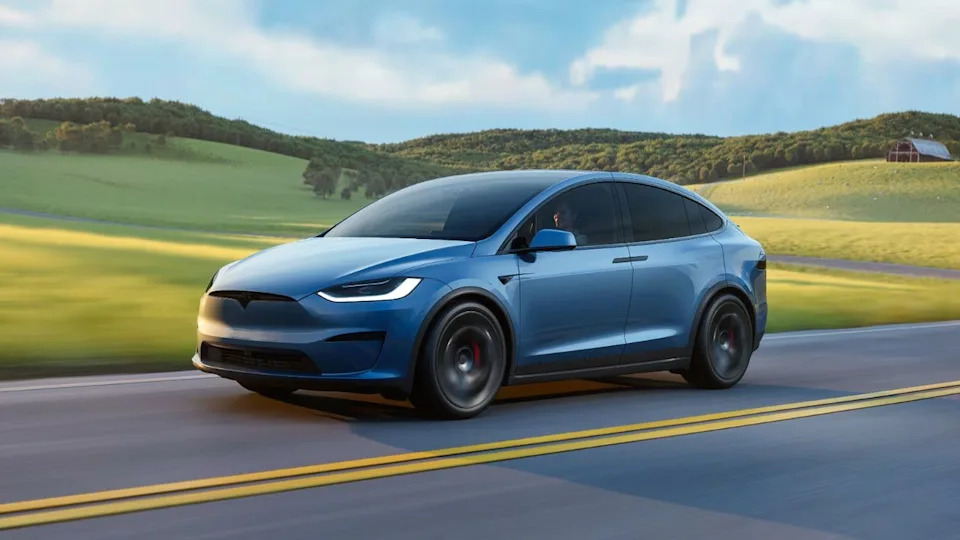
Image Credit: Tesla.
Police agencies in Arizona, New York, and Illinois didn’t mince words. Representatives told Business Insider that no state currently allows exceptions for cellphone use, even if advanced driver‑assistance systems are engaged. The only carve‑out? Emergencies, like dialing 911.
“Texting and driving/talking (while holding a phone) is still illegal, along with using any other portable wireless communication device while driving,” said a spokesperson for the Arizona Department of Public Safety. Translation: don’t expect to scroll TikTok just because your Tesla is steering itself.
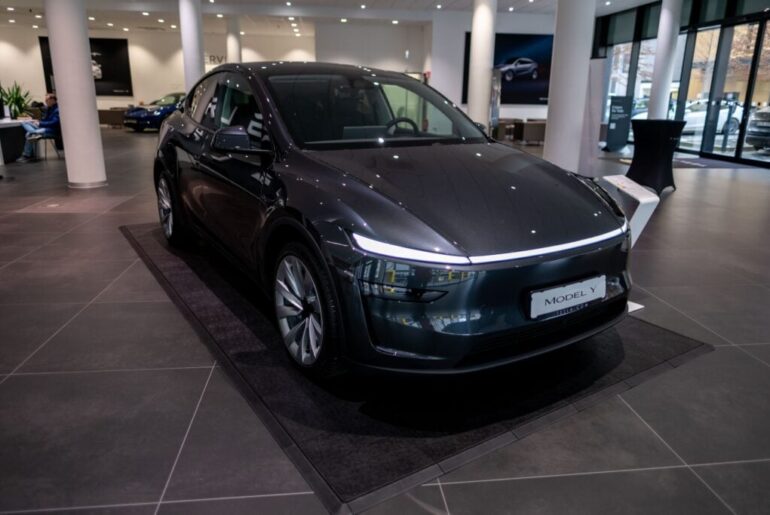
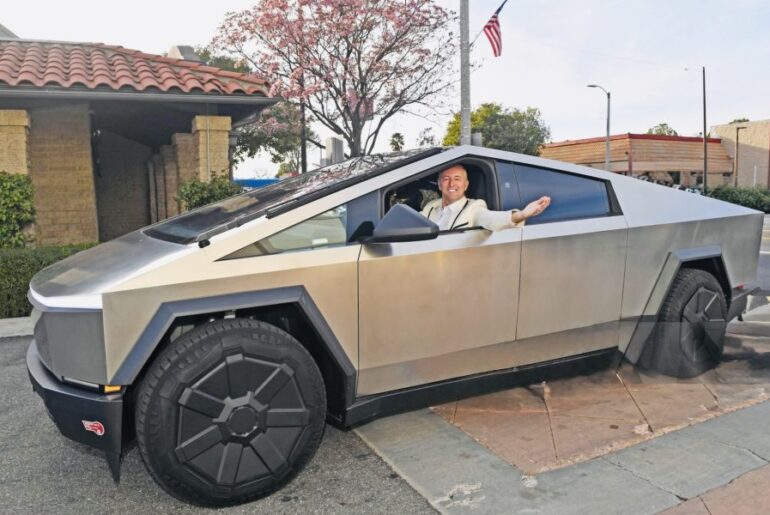
Despite the warnings, some Tesla owners are already testing the limits. Ring CEO Jamie Siminoff admitted he often answers emails during his commute in a Model Y, carefully positioning his phone to avoid triggering Tesla’s attention‑monitoring system. He confessed to occasionally getting tickets and sometimes talking his way out of them. “You get a dirty look,” he said of police officers skeptical of his explanation that “the car was driving.”
Business Insider’s own reporter, Alistair Barr, tried it out too. His Tesla issued two alerts while he used his phone, but the car kept driving. That experiment underscores the tension between what the technology allows and what the law forbids. Well, the law doesn’t require automakers to make their cars stop the moment the driver uses their phones whole driving.
Regulators Watching Closely
Tesla’s FSD has long been under scrutiny. In October, the National Highway Traffic Safety Administration (NHTSA) opened a probe into 2.9 million Tesla vehicles equipped with FSD after reports of traffic violations, including running red lights and driving against traffic. The agency’s investigation highlights the stakes: if drivers believe FSD frees them from responsibility, accidents could rise.
Tesla insists FSD is not fully autonomous. The “Supervised” label is meant to remind users that they must stay alert and allows Tesla to still hype the technology’s capabilities while dodging reliability. The system even suspends access if drivers repeatedly ignore warnings to keep their eyes on the road. Still, Musk’s comments risk blurring the line between supervision and autonomy.
Tesla is simultaneously piloting a robotaxi service in Austin, Texas, with safety monitors in the passenger seat. Musk has promised “step change improvements” as Tesla integrates robotaxi upgrades into consumer vehicles. Allowing drivers to use phones could be seen as a step toward that vision; cars that truly drive themselves while passengers relax.
But until laws catch up, drivers remain responsible. Police departments are adamant, regulators are watching, and safety advocates warn against complacency. The dream of carefree texting, dancing, or streaming Netflix while cruising down the highway may be closer than ever, but it’s not here yet.