Tesla’s Model Y: A Reliability Debacle in Europe’s Toughest Auto Scrutiny
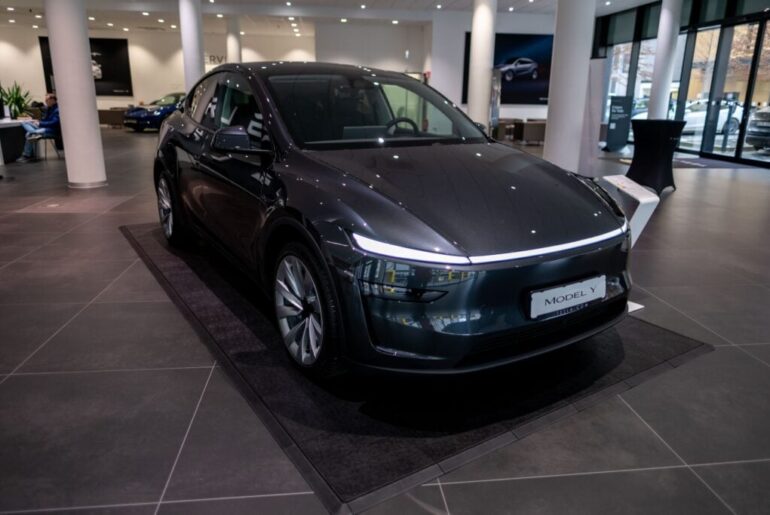
In the heart of Germany’s rigorous automotive testing regime, Tesla’s Model Y has stumbled spectacularly, earning the dubious distinction of the least reliable vehicle in the latest TÜV Report 2026. This annual assessment, conducted by the Technischer Überwachungsverein—a network of independent organizations that inspect millions of vehicles—has long served as a benchmark for car quality across Europe. For 2026, the report analyzed over 9.5 million inspections from July 2024 to June 2025, focusing on vehicles in various age groups. The Model Y, Tesla’s bestselling electric SUV, landed dead last in the two- to three-year-old category, with a staggering defect rate of 17.3%. This figure not only outpaces its peers but marks the worst performance in a decade, according to the report’s findings.
The implications ripple far beyond Germany’s borders. Tesla, under CEO Elon Musk, has positioned itself as a disruptor in the electric vehicle market, emphasizing innovation and rapid production scaling. Yet this reliability setback underscores persistent challenges in build quality and durability that have plagued the company. Industry analysts point to manufacturing shortcuts, supply chain pressures, and a focus on volume over precision as potential culprits. In a market where European consumers prioritize longevity and safety, such a poor showing could erode Tesla’s market share, especially as competitors like Volkswagen and Mercedes-Benz continue to excel in these evaluations.
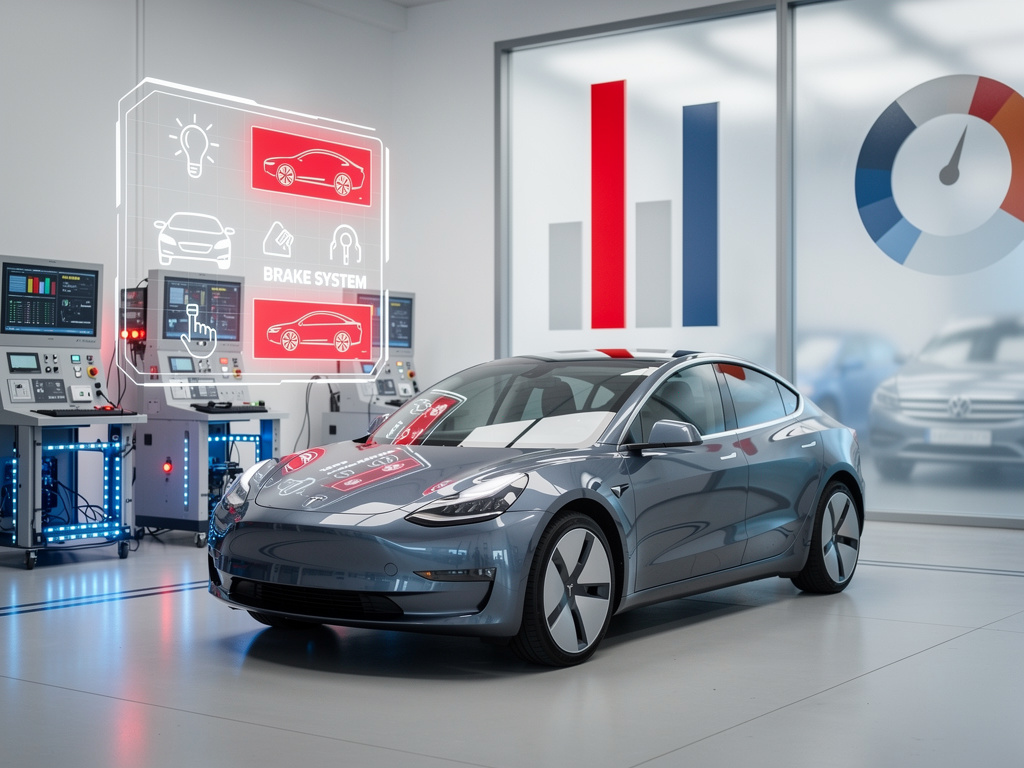
Delving into the specifics, the TÜV inspections revealed widespread issues in the Model Y’s lighting systems, brakes, and suspension components. These aren’t minor quibbles; they represent critical failures that could compromise safety on the road. For instance, faulty headlights and brake malfunctions were flagged repeatedly, contributing to the high defect rate. Compared to the category average of around 5-6% defects, the Model Y’s numbers are alarmingly high, suggesting systemic problems in assembly or component sourcing.
Unpacking the TÜV Methodology and Tesla’s Shortfalls
The TÜV process is exhaustive, mandating biennial inspections for all vehicles in Germany after their third year. This isn’t a voluntary survey but a legal requirement, providing a comprehensive dataset unmatched in scale. In the 2026 report, vehicles like the Volkswagen T-Roc and Mercedes models topped the charts with defect rates under 2%, highlighting the stark contrast. Tesla’s Model Y, produced primarily at its Gigafactory in Berlin, seems to suffer from inconsistencies that older automakers have ironed out through decades of refinement.
Reports from Electrek detail how this ranking serves as a “brutal reality check” for Tesla, noting that the company’s emphasis on software updates and over-the-air fixes may not address hardware flaws effectively. Similarly, CleanTechnica emphasizes the irony: while Tesla leads in EV sales globally, its reliability lags behind even some budget brands. Experts cited in these analyses suggest that Tesla’s rapid production ramp-up, including the use of large-scale castings and minimalist designs, might introduce vulnerabilities not caught in initial quality checks.
Beyond the Model Y, other Tesla models haven’t fared much better in historical TÜV reports. The Model 3, for example, has previously ranked poorly, with issues in axles and steering. This pattern raises questions about Tesla’s overall engineering philosophy. Insiders familiar with the company’s operations note that its “gigacasting” technique—molding large aluminum parts in one piece—aims to reduce costs and assembly time but can lead to structural weaknesses if not executed flawlessly. In Germany, where roads endure harsh winters and high-speed autobahns, such compromises become glaring.
Broader Market Repercussions and Consumer Sentiment
The fallout from this report is already evident in public discourse. Posts on X, formerly Twitter, reflect a mix of shock and schadenfreude among users. Some highlight Elon Musk’s past promises of vehicles lasting a million miles with minimal maintenance, contrasting them with the real-world data. One prominent post from a safety advocate pointed out that 17.3% of inspected Model Ys failed, echoing broader concerns about Tesla’s quality control. This sentiment aligns with media coverage, where autoevolution describes the Model Y as having the “highest defect rate” in its class, urging potential buyers to consider long-term ownership costs.
For Tesla, this comes at a precarious time. The company has faced production halts, including a temporary shutdown at its Berlin plant due to supply chain disruptions from Red Sea conflicts. Despite these hurdles, Tesla outsold competitors in Germany earlier this year, but reliability concerns could shift buyer preferences toward more established brands. Mercedes-Benz, for instance, saw its models dominate the top spots in the TÜV rankings, reinforcing its reputation for engineering excellence.
Industry observers argue that this report amplifies Tesla’s image troubles in Europe. ArenaEV notes rising defect rates across EVs, but Tesla’s stand out as particularly egregious. This isn’t isolated; similar criticisms have emerged in U.S. assessments, though none as stringent as TÜV. Consumer Reports, for example, has improved Tesla’s overall ranking to the top 10 for 2026, citing better performance in newer models. However, this U.S.-centric view contrasts sharply with European data, suggesting regional differences in usage and inspection standards.
Comparative Analysis with Rivals and Historical Context
To contextualize, let’s compare the Model Y’s performance against key rivals. The Volkswagen ID.3, another popular EV, posted a defect rate of about 4.5% in the same category—still higher than legacy gas vehicles but far superior to Tesla’s. Hyundai’s Kona Electric also outperformed, with issues mainly in non-critical areas. This disparity points to Tesla’s relative inexperience in mass-producing vehicles that withstand Europe’s demanding conditions, including salted roads and frequent high-mileage driving.
Historically, TÜV reports have exposed weaknesses in emerging technologies. In the early 2000s, some Japanese hybrids faced similar scrutiny before refinements boosted their scores. Tesla could follow suit, but it requires addressing root causes. Sources like Autoblog warn that ignoring these signals could lead to recalls and warranty claims, straining finances. Indeed, Tesla has issued multiple recalls for suspension and brake issues, validating some TÜV findings.
Moreover, the report’s timing coincides with Tesla’s push into autonomous driving and robotaxis, where reliability is paramount. If basic components like lights and brakes falter, trust in advanced systems could wane. Analysts from firms like BloombergNEF suggest that Tesla’s vertical integration—controlling everything from batteries to software—offers a path to quick fixes, but execution has been spotty.
Strategic Responses and Future Outlook for Tesla
Tesla’s response to such critiques has typically involved downplaying external assessments while highlighting internal metrics. Musk has tweeted dismissively about traditional reliability tests, arguing they don’t account for EVs’ unique attributes. Yet, with the Model Y being the world’s top-selling car, this TÜV black mark demands attention. Insiders speculate that enhancements in the upcoming “Juniper” refresh—rumored for 2025—could incorporate sturdier components, drawing from lessons in Shanghai and Fremont factories.
European regulators, meanwhile, are watching closely. Germany’s emphasis on safety could influence EU-wide standards, potentially mandating stricter EV inspections. For Tesla, adapting means investing more in quality assurance, perhaps emulating Toyota’s famed production system. Speedme reports that while Volkswagen and Mercedes lead in longevity, Tesla’s innovation edge keeps it competitive in sales— but for how long?
Public reaction on platforms like X amplifies the narrative. Users share anecdotes of Model Y breakdowns, from suspension failures to software glitches mimicking hardware issues. One viral thread criticized Tesla’s service network in Europe as inadequate, with long wait times exacerbating problems. This grassroots feedback, combined with formal reports, paints a picture of a brand at a crossroads.
Implications for the EV Sector and Investor Considerations
Zooming out, this reliability hiccup reflects broader hurdles in the electric vehicle shift. As adoption accelerates, consumers expect parity with internal-combustion engines in durability. Tesla’s struggles highlight the trade-offs of pioneering tech: speed to market versus polished execution. Competitors like BMW and Audi, with hybrid approaches blending EV innovation with proven mechanics, are gaining ground.
For investors, the TÜV report adds to volatility in Tesla’s stock. While the company boasts strong margins and a loyal fanbase, persistent quality issues could invite lawsuits or regulatory scrutiny. NewMobility.news underscores the 17.3% defect rate as a decade-low, urging stakeholders to monitor warranty reserves.
Ultimately, Tesla’s path forward involves bridging the gap between ambition and reliability. By heeding TÜV’s lessons, the company could reinforce its dominance. Failure to do so risks ceding territory to rivals better attuned to Europe’s exacting standards. As the EV market matures, such reports will increasingly separate leaders from laggards, shaping the future of sustainable mobility.