Tesla’s Price Slash Gambit: Reviving Model 3 Appeal in Europe’s Fierce EV Arena
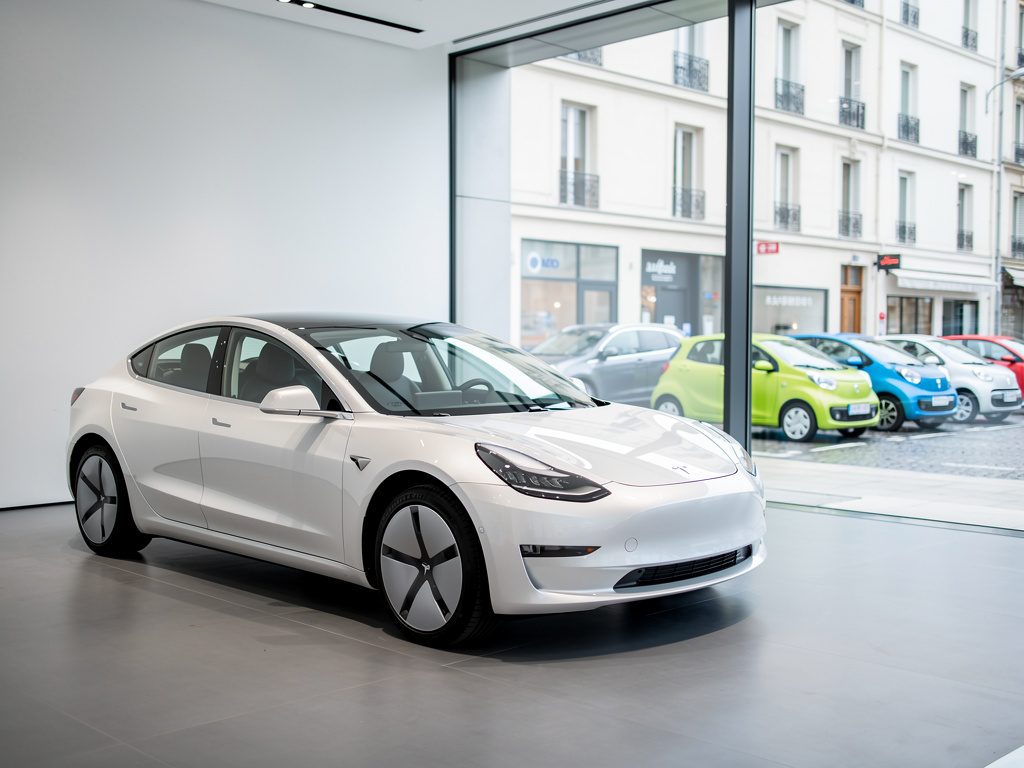
Tesla has rolled out a more affordable version of its Model 3 sedan in Europe, a strategic move aimed at countering sluggish sales and intensifying rivalry from budget-conscious competitors. This lower-cost variant, dubbed the Model 3 Standard, debuted quietly on the company’s European websites, starting at €37,970 in Germany, marking a significant reduction from previous entry-level prices. The launch comes amid broader challenges for the electric vehicle maker, including declining demand and pressure from Chinese manufacturers flooding the market with cheaper alternatives. According to reports from Reuters, this stripped-down model sacrifices features like ambient lighting and a rear touchscreen to achieve the lower price point, positioning it as a direct response to economic headwinds and competitive pricing wars.
Industry analysts view this as Tesla’s attempt to broaden its customer base in a region where electric vehicle adoption is robust but increasingly price-sensitive. In countries like Norway and Sweden, where EV penetration is high, the new pricing—330,056 Kronas in Norway and 449,990 Krones in Sweden—could lure buyers who previously found Tesla’s offerings out of reach. Posts found on X highlight Tesla’s historical emphasis on affordability, with the company previously touting price cuts and tax incentives to drive ownership costs below $30,000 in some markets, factoring in fuel and maintenance savings. This echoes earlier strategies, such as the 2019 introduction of a $35,000 Model 3 in the U.S., which aimed to democratize electric mobility but faced production hurdles.
The timing is critical, as Tesla grapples with a sales slowdown across the continent. Recent data indicates a dip in deliveries, exacerbated by economic uncertainty and subsidy reductions in key markets. Elon Musk, Tesla’s CEO, has publicly acknowledged the need to reignite demand, stating in recent communications that lower-cost options will appeal to a wider array of buyers. Coverage from The Guardian notes Musk’s optimism amid backlash over sales figures, suggesting this variant could be a pivotal tool in Tesla’s arsenal to combat the influx of economical Chinese EVs like those from BYD and Nio.
Stripping Down to Compete: Features Sacrificed for Affordability
To hit the sub-€38,000 mark, Tesla has made calculated compromises on the Model 3 Standard. Gone are luxuries such as the premium audio system, heated rear seats, and advanced interior lighting, which were staples in higher trims. This approach mirrors cost-cutting measures seen in the U.S. version launched two months prior, where similar omissions helped shave thousands off the sticker price. Insights from Mashable emphasize how these changes target budget buyers without undermining the core driving experience, retaining essential elements like the single-motor rear-wheel drive and a respectable range of around 272 miles on the WLTP cycle.
However, this de-contenting strategy raises questions about brand perception. For a company that built its reputation on cutting-edge technology and premium features, offering a “bare-bones” model risks diluting the aspirational allure that has defined Tesla. Industry insiders point out that while this may boost volume sales, it could alienate loyal customers expecting the full suite of innovations, such as enhanced Autopilot capabilities. Posts on X from Tesla’s official account underscore the company’s focus on scalability and autonomy, suggesting that even entry-level models are designed with future upgrades in mind, potentially mitigating some concerns through over-the-air updates.
Competitors are not standing still. Chinese firms like XPeng and Zeekr are introducing models priced under €30,000, undercutting Tesla while offering comparable range and tech. European automakers, including Volkswagen with its ID.3 and Renault’s Zoe, are also ramping up affordable options, often bolstered by local manufacturing advantages that avoid import tariffs. A report from Technology Org highlights the mounting pressure from these rivals, noting that Tesla’s move is a defensive play to maintain market share in a segment where price elasticity is high.
Market Dynamics: Navigating Economic Pressures and Regulatory Shifts
Europe’s electric vehicle sector is undergoing rapid transformation, influenced by fluctuating incentives and environmental policies. In Germany, the phase-out of generous subsidies has led to a 20% drop in EV registrations this year, per industry data. Tesla’s pricing adjustment arrives just as these changes bite hardest, potentially positioning the Model 3 Standard as a gateway for first-time EV owners. Analysis from Investing.com suggests this could stimulate demand, with projections estimating a 15-20% uplift in European sales for the Model 3 lineup in the coming quarters.
Broader economic factors, including inflation and rising energy costs, are dampening consumer enthusiasm. Yet, Tesla’s global supply chain efficiencies allow it to undercut many legacy automakers, who struggle with higher production costs. The company’s Gigafactory in Berlin plays a crucial role here, enabling localized assembly that reduces logistics expenses and qualifies vehicles for certain regional incentives. Recent news from Automotive News details how this facility supports the budget model’s rollout, helping Tesla navigate trade barriers like the EU’s tariffs on Chinese imports, which indirectly benefit homegrown production.
Investor sentiment reflects cautious optimism. Tesla’s stock has seen volatility, with shares dipping amid reports of softening demand, but the European launch has sparked some recovery. Posts on X reveal Tesla’s ongoing narrative around cost reductions, such as past promotions tying into U.S. tax credits, which have effectively lowered barriers to entry. In Europe, where similar incentives vary by country, the Model 3 Standard’s pricing could align well with programs in France and the Netherlands, where rebates can bring the effective cost down further.
Strategic Implications: Elon Musk’s Vision Amid Sales Headwinds
Elon Musk’s leadership style often involves bold pricing maneuvers to disrupt markets, and this launch fits that pattern. Facing criticism over recent sales figures, Musk has pivoted to emphasize accessibility, as noted in coverage from Proactive Investors. By expanding the Model 3’s appeal, Tesla aims to capture a larger slice of the mass-market segment, which is vital for sustaining growth as premium EV demand plateaus.
The move also ties into Tesla’s broader ecosystem strategy. Even the budget model includes access to the Supercharger network and potential Full Self-Driving subscriptions, creating revenue streams beyond the initial sale. Industry experts argue this could enhance customer lifetime value, with software updates providing ongoing monetization. However, challenges persist, including supply chain vulnerabilities and the need for continuous innovation to stay ahead of agile competitors.
Looking ahead, the success of this variant will hinge on consumer reception and macroeconomic recovery. If it reignites sales momentum, it could validate Tesla’s adaptive pricing model, influencing future product strategies. Reports from TradingView News speculate that similar affordability pushes might extend to other models, like the Model Y, to fortify Tesla’s position in Europe’s evolving EV arena.
Competitive Ripples: How Rivals Are Responding
Rivals are already adjusting tactics in response to Tesla’s price cut. Volkswagen has accelerated updates to its ID. series, promising enhanced batteries and lower prices to compete directly. Meanwhile, Chinese entrants are doubling down on aggressive marketing, leveraging their cost advantages to gain footholds in markets like the UK and Spain. A piece from StockTwits questions whether Tesla’s reductions will suffice to halt the sales decline, given the depth of competition.
Tesla’s data-driven approach provides an edge, with real-time analytics informing pricing and feature decisions. Posts on X showcase the company’s emphasis on energy storage and autonomy, hinting at integrated offerings that could differentiate the Model 3 from pure-play EV competitors. Yet, regulatory scrutiny over data privacy and autonomous tech could complicate expansion plans.
For industry observers, this launch underscores the maturation of the EV market, where scale and affordability increasingly trump novelty. Tesla’s ability to balance cost reductions with innovation will be key to long-term dominance.
Broader Industry Trends: Affordability as the New Battleground
The push for cheaper EVs is reshaping global strategies, with automakers investing heavily in battery tech to drive down costs. Tesla’s move aligns with this trend, potentially accelerating adoption rates in price-sensitive regions. Insights from London Stock Exchange News indicate that such initiatives could boost overall market penetration, benefiting the sector amid climate goals.
Consumer behavior is shifting toward value-driven purchases, influenced by economic pressures. Tesla’s ecosystem, including home charging solutions, adds appeal for budget buyers seeking long-term savings. However, infrastructure gaps in rural Europe remain a hurdle.
Ultimately, this pricing strategy could redefine Tesla’s role in the market, from innovator to volume player, setting the stage for sustained growth.
Future Prospects: Scaling Up in a Maturing Market
As Tesla refines its European operations, expansions like additional Gigafactory capacity could further lower costs. The Model 3 Standard might serve as a template for global affordability efforts, especially in emerging markets.
Industry insiders anticipate that software monetization will offset hardware compromises, with FSD subscriptions generating recurring revenue. Posts on X highlight Tesla’s advancements in autonomy, suggesting even entry-level vehicles will benefit from future enhancements.
In the end, this launch represents a calculated risk, one that could solidify Tesla’s foothold if executed flawlessly amid ongoing rivalries and economic variables.