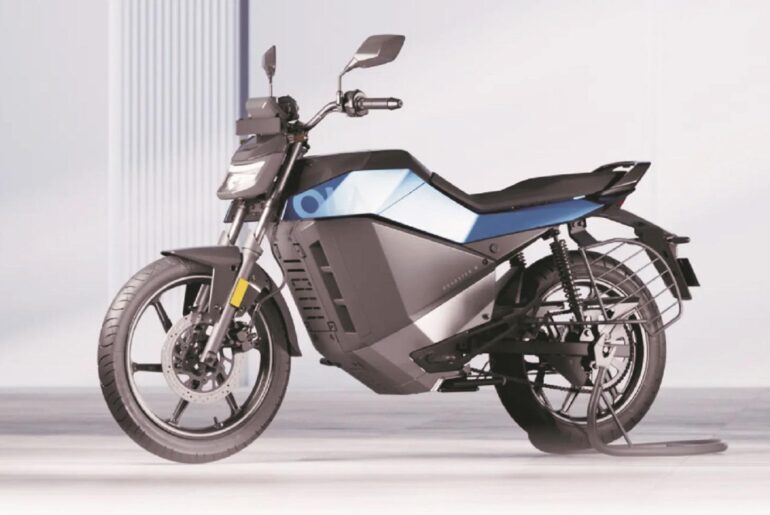
 As per MRFR analysis, the India Electric Bike Market Size was estimated at 2.119 USD Billion in 2024. The India Electric Bike industry is projected to grow from 2.362 USD Billion in 2025 to 7.017 USD Billion by 2035, exhibiting a compound annual growth rate (CAGR) of 11.5% during the forecast period 2025 – 2035. With urban congestion, rising fuel prices, and growing environmental awareness shaping mobility choices, electric bikes are quickly emerging as a popular alternative to traditional motorcycles and scooters. As the demand curve inclines, manufacturers – both established and new entrants – are scaling operations, launching new models, and leveraging incentives. This blog explores the key forces propelling growth, competitive landscape, technological innovations, and regional dynamics shaping the future of electric biking in India.
Get Sample PDF Brochure: https://www.marketresearchfuture.com/sample_request/12685
Key Market Drivers
Environmental and Regulatory Pressures
The shift toward greener mobility is a major driver. With increasing pollution levels in Indian cities and heightened awareness of climate change, many urban consumers are seeking sustainable alternatives. Electric bikes – emitting zero tailpipe emissions – offer a cleaner way to commute. Simultaneously, national and state-level policies encouraging electric vehicles (EVs), including subsidies, tax rebates, and reduced road taxes, make EVs more financially attractive than before. As governments tighten emission norms for internal combustion engines, EVs become a forward-looking choice for eco-conscious buyers.
Rising Fuel Prices and Operating Cost Advantage
Frequent fuel price hikes have shifted consumer calculus in favor of EVs. Electric bikes have a significantly lower cost per kilometer compared to petrol-powered bikes, which makes them especially appealing to daily commuters, delivery riders, and ride share services. Over time, savings on fuel – along with lower maintenance costs (fewer moving parts, no oil changes, etc.) – translate to tangible economic benefits. These long-term savings make electric bikes a practical investment rather than just a feel good, eco-friendly option.
Urbanization and Traffic Congestion
India’s urban landscape is rapidly expanding, with more people relocating to cities in search of livelihood and modern amenities. This intensifies traffic congestion on roads already crowded with vehicles. Electric bikes – being compact and easy to maneuver through traffic – offer convenience and time savings. For many city dwellers, commuting by an electric bike becomes a faster, more efficient option compared to cars or larger two wheelers. The convenience factor is further amplified by the growing prevalence of ride sharing and last-mile delivery services in densely populated areas.
Browse In depth Market Research Report: https://www.marketresearchfuture.com/reports/india-electric-bike-market-12685
Incentives on Infrastructure Development
The growth of charging infrastructure – both at home and in public spaces – has eased concerns around “range anxiety.” As more apartment complexes, parking facilities, malls, and workplaces provide EV charging points, buyers feel more confident about switching to electric bikes. Additionally, some states offer incentives or expedited permissions for setting up charging stations, which encourages businesses to invest in EV infrastructure. This fosters a positive feedback loop: better infrastructure encourages adoption, which in turn prompts more infrastructure deployment.
Competitor Insights
The race in India’s electric bike segment is vigorous, with both legacy two wheeler companies and new-age startups vying for share. Traditional manufacturers, already possessing strong brand recognition, dealer networks, and production capabilities, are turning to electric models to diversify their offerings. Their advantage lies in large-scale manufacturing capacity, established supply chains, and trusted after-sales networks.
At the same time, agile startups – often EV focused – bring innovation and flexibility. These companies can quickly iterate on design, battery technology, and user experience, targeting the younger, tech-savvy market. They often adopt direct-to-consumer models or hybrid sales channels leveraging online platforms, which reduces overhead and allows competitive pricing. Their marketing strategies emphasize eco-friendliness, cost savings, and contemporary aesthetic appeal, which resonates with new buyers entering the EV space.
Competition is also shaped by business models. Some players target daily commuters with budget-friendly, high-efficiency bikes; others aim for premium segments offering better range, design, and smart features. A few focus heavily on institutional clients – e.g., delivery, logistics, ride-sharing – where bulk purchases and fleet management are key. As a result, the competitive landscape is fragmented yet dynamic, with room for niche players and mass-market manufacturers alike.
Partnerships between OEMs (Original Equipment Manufacturers), battery suppliers, and financing firms are also emerging. Bundling financing solutions and battery-leasing options reduces upfront costs and makes EV adoption more accessible for a larger population. Such collaborations further shape competition, allowing companies to differentiate not merely on specifications but on total ownership cost.
Buy Now Premium Research Report: https://www.marketresearchfuture.com/checkout?currency=one_user-USD&report_id=12685
Technology Advancement
Battery Technology and Energy Density Improvements
At the heart of electric bike performance lies battery technology. Improvements in lithium-ion battery chemistries, better thermal management, and increased energy density have dramatically enhanced range and reliability. Modern electric bikes can now achieve ranges comparable to traditional petrol bikes for urban commuting. Swappable battery systems are another major development – allowing riders to quickly exchange depleted batteries for charged ones at swapping stations. This reduces downtime and removes the dependency on long charging cycles.
Smart Connectivity and IoT Features
Electric bikes are increasingly being equipped with smart features – from app-based ride monitoring and battery status updates to GPS navigation, theft tracking, and OTA (over-the-air) updates. These features enhance user experience, safety, and maintenance convenience. Integration of IoT also enables fleet owners (e.g. delivery companies) to track usage, rides, and maintenance schedules – boosting operational efficiency.
Lightweight Materials and Design Innovations
Beyond batteries and electronics, manufacturers are rethinking bike design. Use of lightweight yet sturdy materials such as aluminum alloys and composites reduces bike weight, improving range and handling. Ergonomic and modular designs – often inspired by global EV trends – cater to both urban commuters and delivery riders. Modular battery compartments, detachable seats, and adjustable handlebars contribute to flexibility and convenience.
Faster Charging and Infrastructure Integration
Newer charging solutions include fast-charging batteries and charging stations that support multiple standard connectors, enabling quicker turnaround times. Some manufacturers are working with infrastructure providers to build charging networks across urban centers, offering seamless integration of home charging, public charging, and battery swapping. As charging times shorten, the perceived limitations of EV bikes diminish, making them viable for a wider range of use cases.
Regional Insights
The growth trajectory of electric bikes varies considerably across India’s regions, shaped by income levels, urbanization rate, state-level incentives, infrastructure readiness, and consumer awareness.
Metro Cities and Tier 1 Urban Centers
In metropolitan hubs – such as Delhi, Mumbai, Bengaluru, and Hyderabad – electric bike adoption is fastest. High population density, heavy traffic congestion, rising fuel costs, and greater environmental awareness make EV bikes a practical choice. Moreover, these cities often have better-developed charging infrastructure, and local governments may provide additional perks (e.g., parking subsidies, reduced registration fees) to promote EV adoption.
Tier 2 and Emerging Cities
Tier-2 cities – such as Pune, Jaipur, Lucknow, and Kochi – are showing growing interest in electric bikes. While infrastructure development may lag behind metros, the economic benefits of EVs (lower running costs, savings over time) are attractive to cost-conscious consumers. Regional dealerships and startup-led battery swap ventures are helping bridge the infrastructure gap. Additionally, rising standards of living and increased exposure to EV trends via social media and urban migration play a role in rising demand.
Rural Areas and Semi-Urban Regions
Adoption in rural or semi-urban regions is still nascent but shows potential over time. Challenges include limited charging infrastructure, lower purchasing power, and lack of awareness. However, with concerted efforts – for instance, schemes to provide subsidized EVs or community charging stations – electric bikes can find a place as affordable, low-maintenance mobility solutions, particularly for short-distance commuting or delivery services.
State-Level Policy Impact and Incentives
Several Indian states have proactively introduced EV policies offering incentives: subsidies on vehicle price, reduced road taxes, and grants for setting up charging infrastructure. States that are aggressive in implementing such incentives – for both buyers and infrastructure providers – tend to see swifter adoption. Additionally, states with dense urban populations and active ride sharing economies see higher demand for electric bikes in personal and commercial segments.
The Indian electric bike market is poised for robust growth. Strategic innovation, infrastructure development, and supportive policies will collectively define the pace of adoption, making electric bikes an increasingly integral part of India’s urban and semi-urban mobility ecosystem.
More Related Reports:
India Electric Bicycles Market: https://www.marketresearchfuture.com/reports/india-electric-bicycles-market-54209
India Electric Vehicles Market: https://www.marketresearchfuture.com/reports/india-electric-vehicles-market-54262
India Automotive Glass Market: https://www.marketresearchfuture.com/reports/india-automotive-glass-market-54703
India Automotive Shock Absorber Market: https://www.marketresearchfuture.com/reports/india-automotive-shock-absorber-market-54673
India Automotive Suspension System Market: https://www.marketresearchfuture.com/reports/india-automotive-suspension-system-market-54683
India Automotive Finance Market: https://www.marketresearchfuture.com/reports/india-automotive-finance-market-56721
India Automotive Horn Systems Market: https://www.marketresearchfuture.com/reports/india-automotive-horn-systems-market-56682
India Automotive Retail Market: https://www.marketresearchfuture.com/reports/india-automotive-retail-market-56714
India Off Highway Diesel Common Rail Injection System Market: https://www.marketresearchfuture.com/reports/india-off-highway-diesel-common-rail-injection-system-market-57919
India Ambulance Market: https://www.marketresearchfuture.com/reports/india-ambulance-market-58288
About Market Research Future:
Market Research Future (MRFR) is a global market research company that takes pride in its services, offering a complete and accurate analysis regarding diverse markets and consumers worldwide. Market Research Future has the distinguished objective of providing the optimal quality research and granular research to clients. Our market research studies by products, services, technologies, applications, end users, and market players for global, regional, and country level market segments, enable our clients to see more, know more, and do more, which help answer your most important questions.
Market Research Future (Part of Wantstats Research and Media Private Limited)
99 Hudson Street, 5Th Floor
New York, NY 10013
United States of America
+1 628 258 0071 (US)
+44 2035 002 764 (UK)
Email: mailto:sales@marketresearchfuture.com
Website: https://www.marketresearchfuture.com
This release was published on openPR.