Tesla’s eligibility for a multimillion-dollar tax rebate in Travis County, Texas, is now in jeopardy — and the uncertainty could ultimately affect customers.
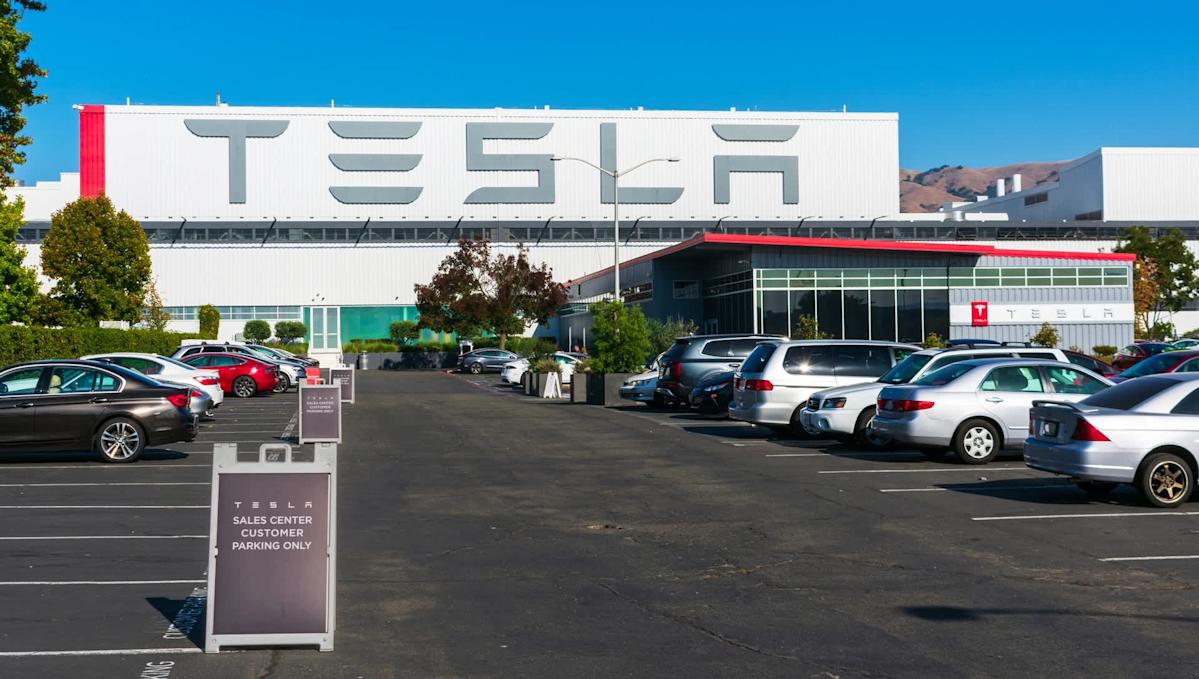
County officials say Tesla has withheld information required under its 2020 incentive agreement, raising the possibility that the company could lose a sizable rebate meant to support its Texas Gigafactory.
If that happens, any resulting financial strain could impact consumers through higher vehicle prices or delayed production — developments that could also slow the broader shift toward electric transportation.
Travis County is reviewing a 20-year tax rebate agreement it approved in 2020, according to the Austin American-Statesman.
The deal granted Tesla up to an 80% rebate on property taxes if it met specific requirements, including investing more than $2 billion in the region, creating thousands of full-time jobs, and complying with state and federal regulations.
County commissioner Margaret Gómez said Tesla has repeatedly failed to provide proof that it has met those benchmarks, describing the situation as an attempt to “wiggle out of” its original commitments.
“A company like that should be good at keeping records,” she told the American-Statesman.
No rebate funds will be distributed until the review is finished, and Tesla has not responded to the Statesman’s requests for comment.
The scrutiny follows earlier regulatory concerns. Past reporting from The Wall Street Journal found that Tesla’s Austin facility improperly released pollutants and discharged untreated wastewater in 2022, which could violate parts of the agreement.
The Occupational Safety and Health Administration and the Texas Commission on Environmental Quality have also issued the company fines in recent years for safety and environmental violations, per the Statesman.
If Tesla loses access to the rebate, the company may need to absorb higher operational costs in Texas. For customers, that could translate to higher vehicle prices or slowed production at a time when affordability remains one of the biggest barriers to EV adoption.
There is also a larger environmental angle: If EVs become more expensive or difficult to access, the transition away from gas-powered vehicles could slow. That shift is key to reducing pollution and cutting reliance on dirty fuels.
Travis County leaders say they are continuing a thorough compliance review. Commissioner Brigid Shea emphasized to the American-Statesman that the agreement is a legally binding contract and noted the county could pursue legal options if Tesla is found to be out of compliance.
For those who want to make the switch from a gas-guzzling car to an electric vehicle but are put off by Tesla’s activity or prices, there are plenty of automotive brands with battery-powered alternatives.
 ��
��
Get TCD’s free newsletters for easy tips to save more, waste less, and make smarter choices — and earn up to $5,000 toward clean upgrades in TCD’s exclusive Rewards Club.