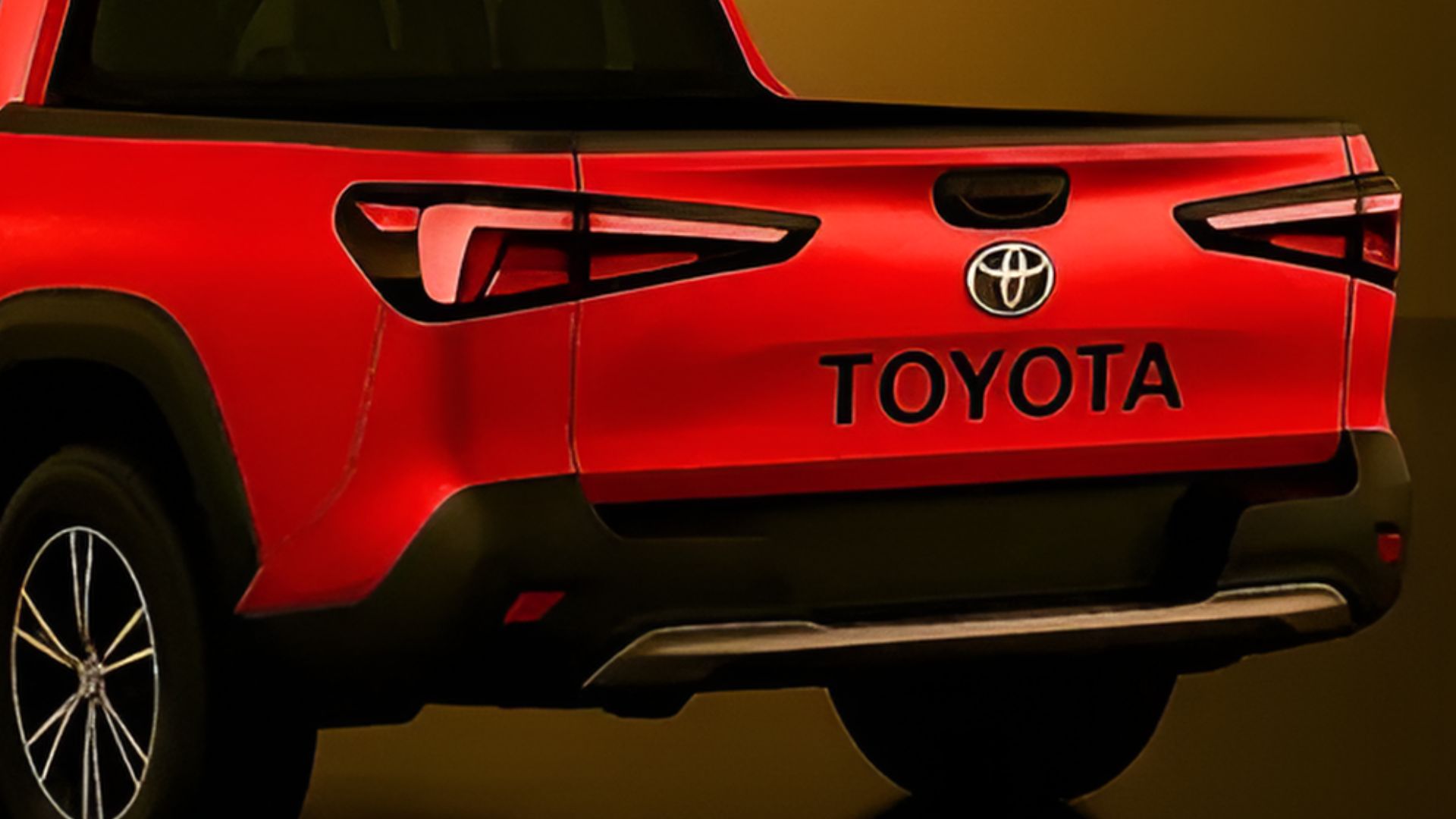
Toyota’s upcoming mid-size pickup truck, nicknamed “Corolla pickup truck” Positioned to compete with the Fiat Toro, Ford Maverick, and Ram Rampage, it has been confirmed with at least a full hybrid flex version, in the same style as the Corolla and Corolla Cross.
During the launch of the Yaris Cross, the president of Toyota Brazil, Evandro Maggio, emphasized that every new vehicle from the brand in the country will have a full hybrid flex-fuel configuration, aligning the pickup truck project with the local electrification strategy.
According to the executive, “our strategy is always to have a full hybrid flex-fuel version when launching a vehicle,” a position that complements the investment plan of… R$11 billion by 2030, announced by the automaker to expand the production of electrified vehicles and engines in Brazil.
— ARTICLE CONTINUES BELOW —
With this, the new pickup truck, similar in size to the Toro and built on a unibody architecture, joins the list of models that should arrive in the country already with a factory-installed hybrid flex-fuel option.
Specialized reports indicate that the model will be part of the product line manufactured in Sorocaba, within a package that includes new hybrid engines and battery assembly in the country.
Corolla-based pickup truck targets the mid-size pickup truck segment.
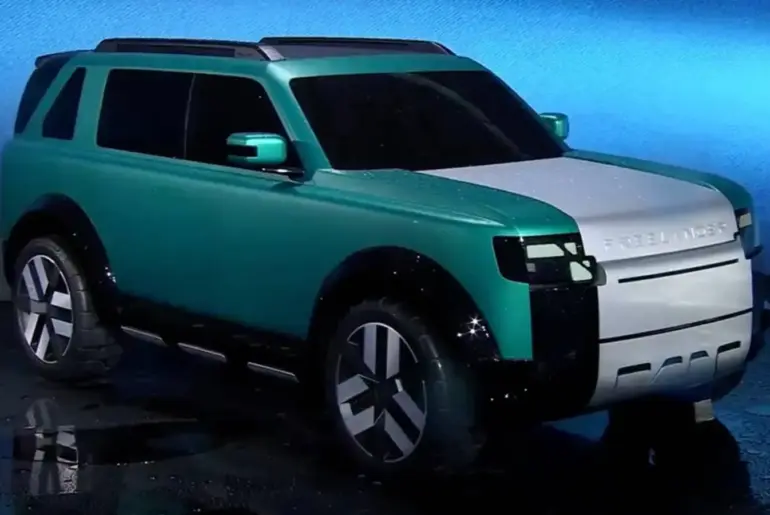
Although it doesn’t yet have an official name, the model has been associated with the concept. Toyota EPU, shown in Japan, and could revive historic names like Stout in some markets, although the automaker has not confirmed the commercial name.
In interviews abroad, Toyota executives treat the new compact/midsize pickup truck as a project already approved, with a global launch planned for the middle of the second half of this decade and arrival in Brazil by 2027.
Monobloc construction and TNGA platform
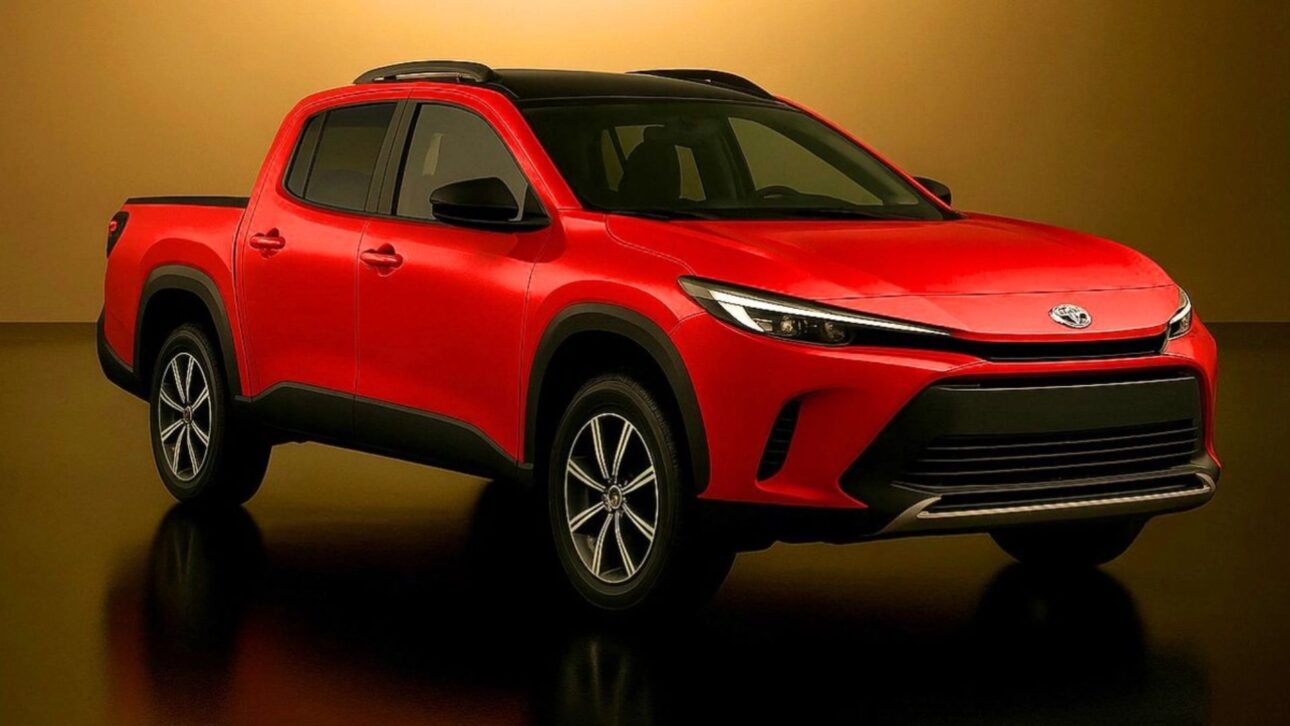 Toyota’s new hybrid flex-fuel pickup truck arrives with a plug-in 4×4 version, TNGA platform, and a focus on efficiency to compete in the mid-size segment.
The pickup truck will be positioned below the Hilux in Toyota’s lineup and will operate in the segment of mid-size unibody pickup truckscurrently occupied by Fiat Toro, Ram Rampage, and Ford Maverick.
Unlike the Hilux, which uses a body-on-frame construction, the new pickup truck will adopt… monoblock structureThis solution approximates the dynamic behavior of an SUV, favoring comfort and stability on paved roads, although it is not as robust for extreme off-road use.
The model should use a variation of modular platform TNGA (Toyota New Global Architecture), the same platform as the Corolla and Corolla Cross.
The projections cite measures close to 5 meters long and about 3 meters wheelbase, numbers very similar to those of the Fiat Toro.
This architecture allows Toyota to share structural components and safety solutions with other models already produced in Brazil, reducing development costs and facilitating the nationalization of parts.
Hybrid flex full: how the system should work
The hybrid configuration announced by Maggio will be of the type Full hybrid flex, the same concept used by Corolla and Corolla Cross.
In this arrangement, both the combustion engine and the electric motor(s) can… move the vehicle alone or together, without the need for external recharging.
This format differs from mild hybridsIn this system, the electric motor is smaller and acts only as an auxiliary to the combustion engine, without propelling the vehicle on its own.
There are still no official specifications for the flex-fuel engine in the pickup truck.
Today, the Corolla and Corolla Cross hybrids use a 1.8 naturally aspirated engine combined with an electric motor, with 122 hp total power.
The new global generation of the Prius, in its 2.0 hybrid configuration, reaches approximately… 196 hp of combined power, although it does not use a flex-fuel engine.
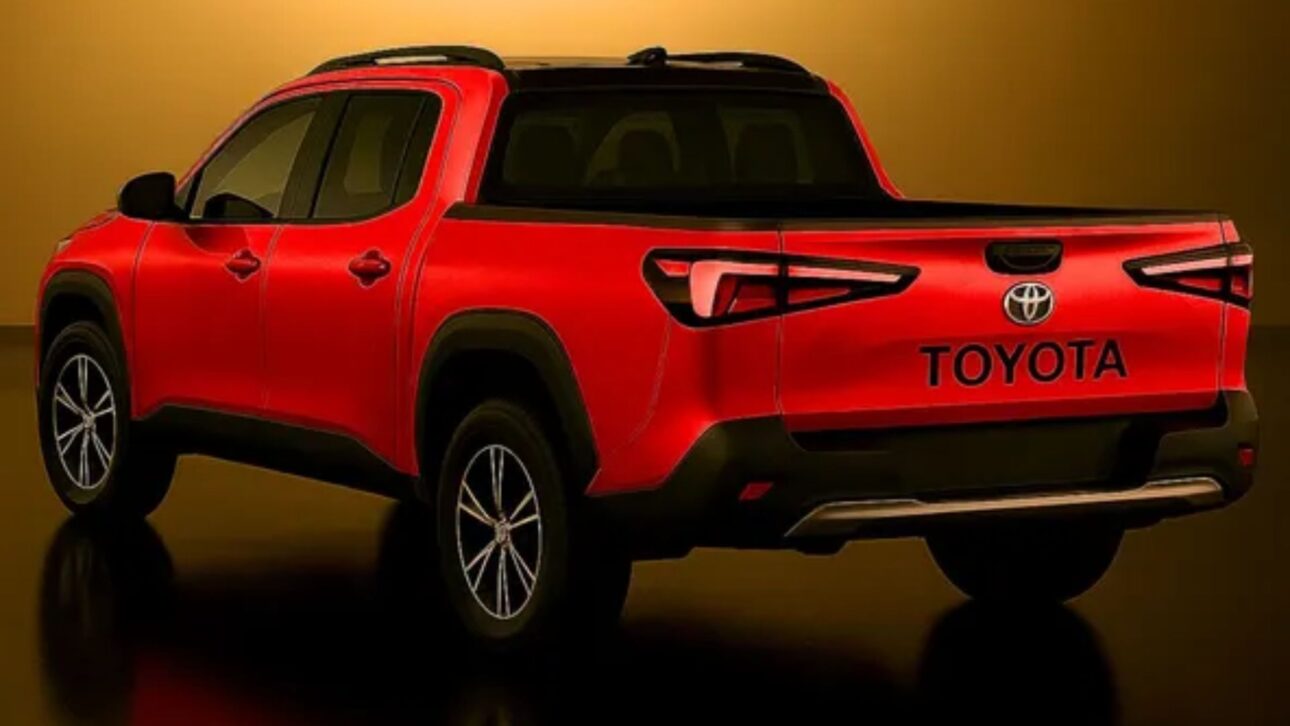 Toyota’s new hybrid flex-fuel pickup truck arrives with a plug-in 4×4 version, TNGA platform, and a focus on efficiency to compete in the mid-size segment.
The adaptation of this mechanical base for ethanol-gasoline in Brazil is considered a likely evolution of current systems, but Toyota has not yet released definitive figures.
PHEV flex project moves forward based on the Prius.
Alongside the conventional hybrid, the brand is developing a system plug-in hybrid flex (PHEV), which combines charging via a wall outlet with the use of ethanol or gasoline.
Toyota has already presented in the country a Prius plug-in hybrid flex prototype, detailing the proposal to reduce emissions by using ethanol combined with electric recharging.
This setup consists of a 2.0 naturally aspirated engine paired with a more powerful electric motor and a battery of approximately 13,6 kWh, totaling… approximately 223 hp of combined power in the global configuration.
Automotive publications are treating this solution as the basis for future plug-in models from the brand, including the new pickup truck.
The expectation is that the pickup truck will debut in Brazil with precisely this plug-in hybrid flex-fuel system, with electric 4×4 drive and performance superior to that of Toyota’s current hybrids in the country.
The goal is to meet the needs of consumers who require more torque for mixed urban and highway use, without sacrificing high range and the ability to drive long distances in fully electric mode.
The RAV4 plug-in serves as a global technical reference.
While the plug-in flex-fuel system hasn’t yet debuted in a domestically produced model, Toyota is already selling it abroad. RAV4 Plug-in Hybrid, with a 2.5 gasoline engine, two electric motors, all-wheel drive and a battery of 18,1 kWh.
This system delivers 306 hp of combined power, being one of the strongest hybrids in the global lineup.
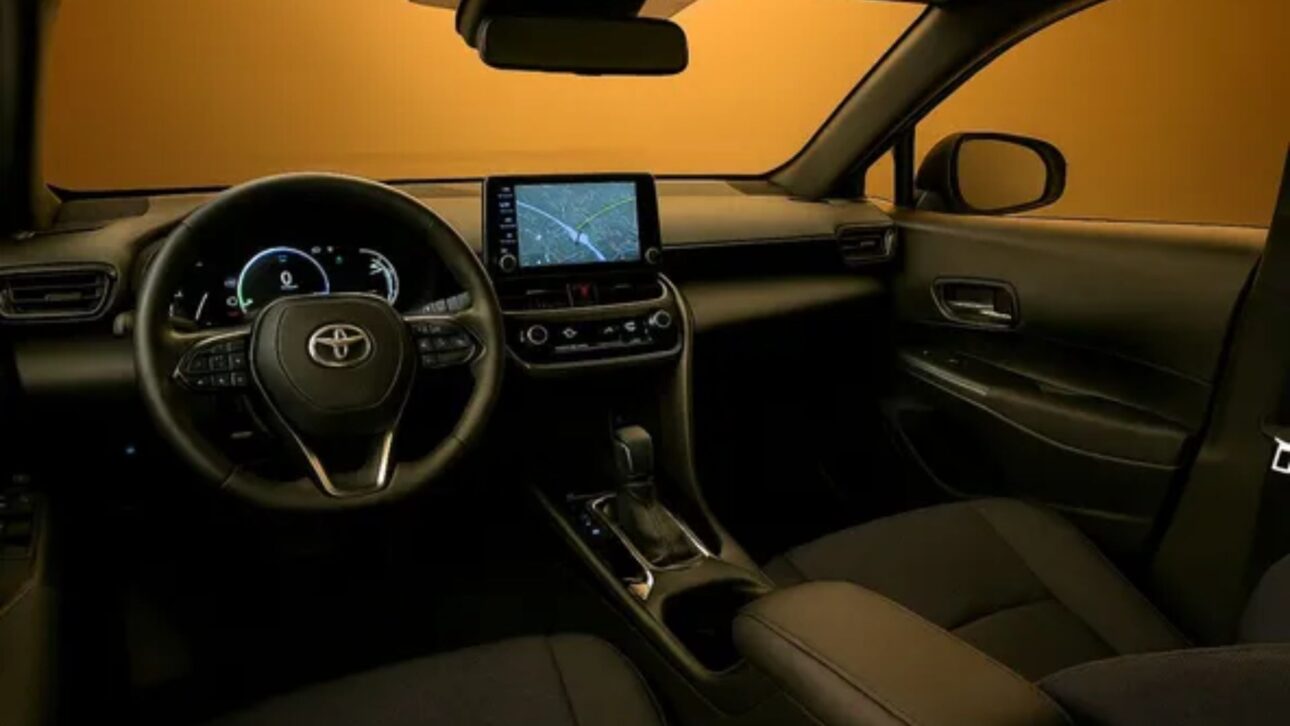 Toyota’s new hybrid flex-fuel pickup truck arrives with a plug-in 4×4 version, TNGA platform, and a focus on efficiency to compete in the mid-size segment.
Experts point out that part of the calibration and electrical architecture of the future flex-fuel PHEV system takes the RAV4 as a reference, adapting the technology for use with ethanol and the load demands of a pickup truck.
Pickup truck is part of an R$11 billion investment in the country.
The development of the pickup truck is part of the plan to R$11 billion by 2030 from Toyota in Brazil.
The program includes industrial expansion, production of hybrid engines, battery assembly, expansion of the Sorocaba factory, and the creation of up to [number missing]. 2 thousand direct jobs.
Part of this amount includes the Yaris Cross hybrid flex-fuel vehicle and a second electrified model, not yet officially named, which reports have indicated will be the new mid-size pickup truck.
With the rise of hybrid, plug-in, and even fully electric rivals, Could the combination of a full flex-fuel hybrid and a plug-in 4×4 version transform Toyota’s new pickup truck into a segment leader?