Tesla recalled over 10,000 Powerwalls in the U.S. after several fires were sparked, as reported by Electrek. This recent development follows a similar recall in Australia earlier this year. The units have been sold worldwide.
Many are wondering why, after knowing about the issue for years, Tesla did not do something about the faulty units sooner. “Money,” commented one reader of the article. “Money is why they didn’t take action sooner.”
Tesla Powerwalls are rechargeable home battery systems that store energy — either from the grid or from solar panels — for later use, such as during power outages or during peak usage times when energy costs can be higher.
Homeowners in the U.S. and around the globe have reported incidents of overheating, smoking units, and fires. There has been minor property damage, but no injuries have been reported.
Recalls have only been issued in Australia and the United States, so there is growing concern about homeowners who have Powerwalls installed in other countries.
Aside from the immediate safety risk to homeowners, this news is disheartening because the Tesla Powerwall is intended to give homeowners backup protection for power outages, allow them greater self-sufficiency, save them money on their energy bill by using the stored energy during peak usage times, and also lower their carbon footprint, especially if the Powerwall is used in conjunction with solar panels.
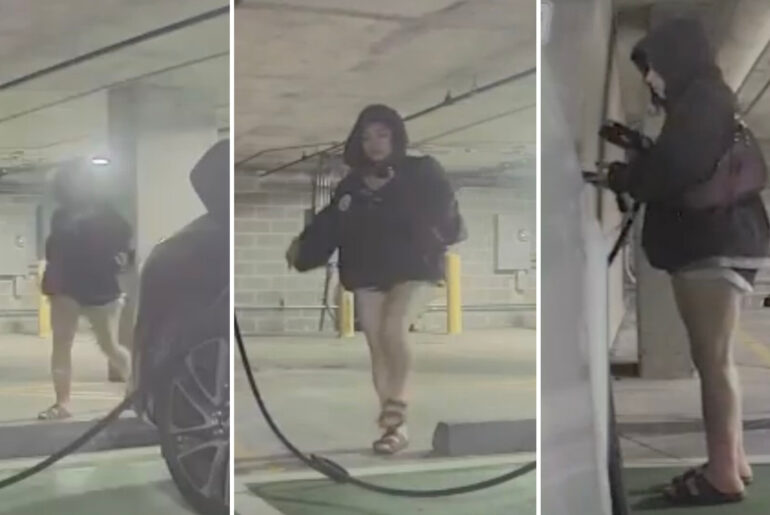
Their use, along with switching from gas-powered vehicles to EVs, is beneficial to the environment, and having the units recalled may deter people from installing them, which can stall our progress toward a cleaner future. Tesla EVs have been the targets of vandals, as well, so the negative attention does not help with the overall widespread transition to clean energy sources that could benefit the environment.
In recent months, Tesla has been lowering the prices of vehicles and offering incentives in order to make EVs more accessible.
Tesla is remotely discharging Powerwall 2 units in the U.S. until they can replace them. As long as homeowners have their Powerwall units connected online, they should expect their units to be disabled until they can be replaced.
The Electrek article sparked some commenters to voice their opinions about the situation.
“Trust is something that takes years to gain and seconds to lose,” one commenter noted.
 ��
��
Get TCD’s free newsletters for easy tips to save more, waste less, and make smarter choices — and earn up to $5,000 toward clean upgrades in TCD’s exclusive Rewards Club.