Electric vehicles (EVs) are transforming the automotive landscape, shaping a future where design and technology come together in remarkable ways. These vehicles symbolize a shift in how we view transportation, focusing on sustainability, efficiency, and user experience. Manufacturers are no longer confined to traditional automotive norms, and we now see groundbreaking designs that redefine how cars look and function.
Sleek exteriors, aerodynamic silhouettes, and inventive interiors are hallmarks of this evolution. Automakers are experimenting with new materials, fresh layouts, and cutting-edge tech to create cars that stand out. These vehicles are no longer just modes of transport; they represent a vision of a cleaner, smarter future.
From city-friendly compacts to luxury cruisers, innovation is happening at every level. We selected EVs that have redefined their categories, sparking conversations about design and usability. Each car shows that progress is as much about creative thinking as it is about engineering.
Our team explored standout vehicles that don’t simply follow trends but set them. These EVs turn heads and invite discussion, and we’re excited to highlight why they deserve recognition.
How We Chose These EV Designs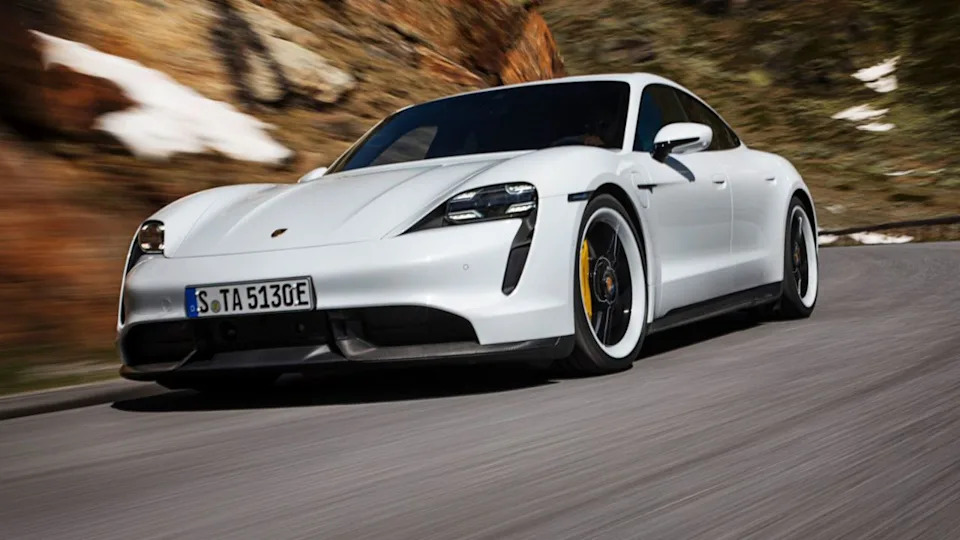
Image Credit:Porsche.
We focused on vehicles that have made a significant impact through their design, innovation, and overall contribution to the EV market. To create this list, we researched a range of electric vehicles from various manufacturers, assessing their creativity, usability, and forward-thinking features. While performance plays an important role in EV success, we prioritized vehicles that offer unique design elements or experiences rather than purely technical specifications.
Our research drew from expert reviews, automotive industry news, and direct insights from automakers. We also considered how these designs resonate with real-world drivers. Vehicles were chosen for their ability to inspire and set trends in an increasingly competitive market. Our aim is to present a well-rounded view of what makes each EV exciting, without overwhelming readers with technical details.
Tesla Cybertruck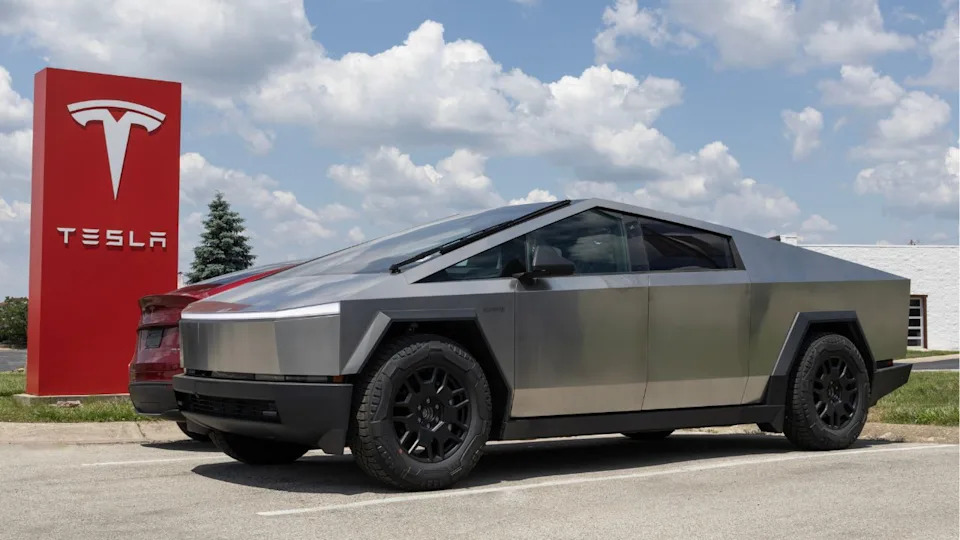
Image Credit: Jonathan Weiss/Shutterstock.
The Tesla Cybertruck introduced an entirely new approach to vehicle styling. Its geometric body panels and stainless-steel exoskeleton are designed to be durable and functional while making a bold visual statement. The angular lines and sharp edges challenge traditional truck design and highlight Tesla’s willingness to take creative risks.
Tesla’s focus was to create a product that looks as futuristic as its technology. The Cybertruck is designed around simplicity, reducing manufacturing complexity while offering extreme toughness. Its unpainted finish and minimalist aesthetic make it feel like a piece of industrial design brought to life.
This model is significant because it shifted global conversations about what a vehicle can look like. It proved that innovative design can break away from convention entirely while still appealing to buyers who value functionality and performance.
Lucid Air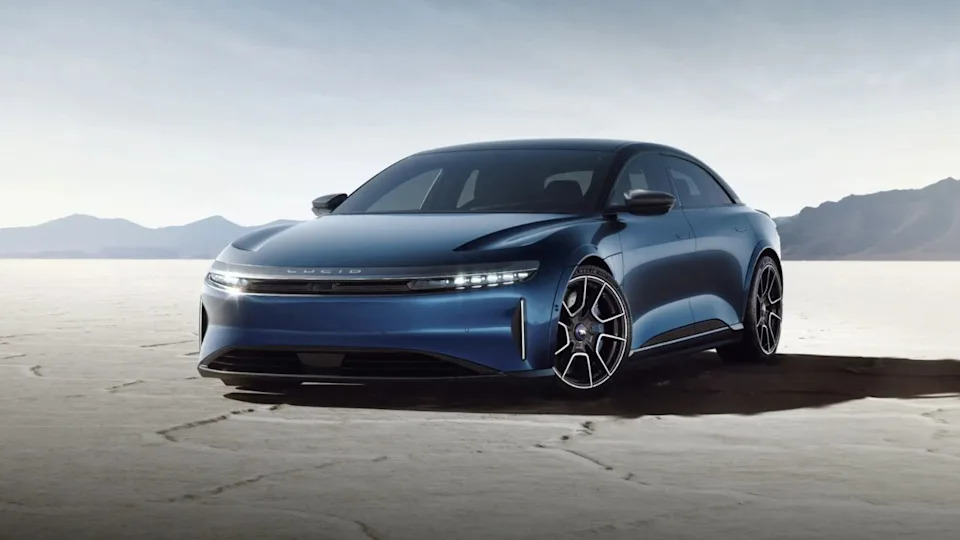
Image Credit: Lucid.
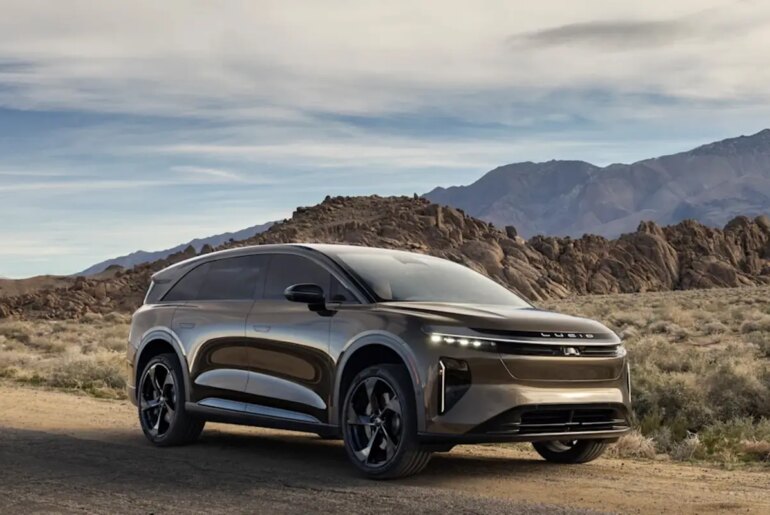
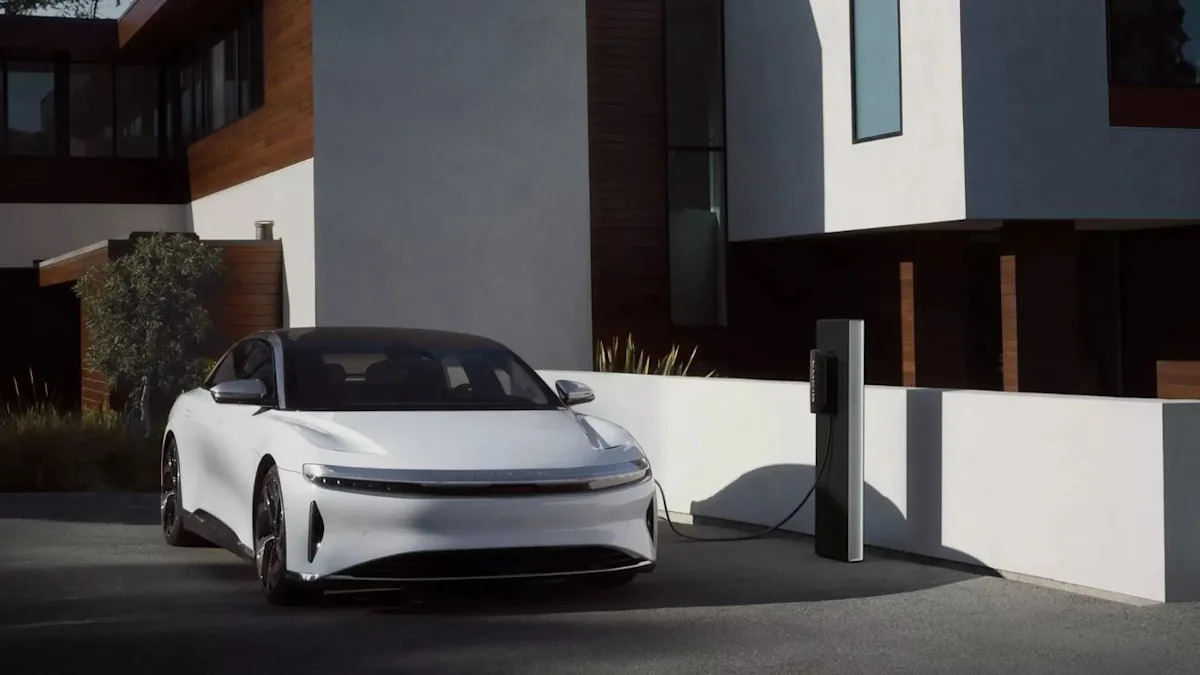
The Lucid Air represents a fresh interpretation of a luxury sedan in the electric era. Its design focuses on aerodynamics, clean lines, and a modern silhouette that emphasizes elegance without excess. Lucid Motors used electric architecture to create a vehicle that feels spacious and refined.
The interior reflects the same forward-thinking approach. A glass canopy, floating displays, and premium materials create a sense of calm and openness. Lucid prioritized usability while offering a level of craftsmanship that places the Air among the most advanced luxury EVs.
This vehicle stands out for elevating electric design beyond a technological achievement into a complete luxury experience. It proved that electric cars can deliver both performance and visual sophistication, reshaping expectations in the premium market.
Rivian R1T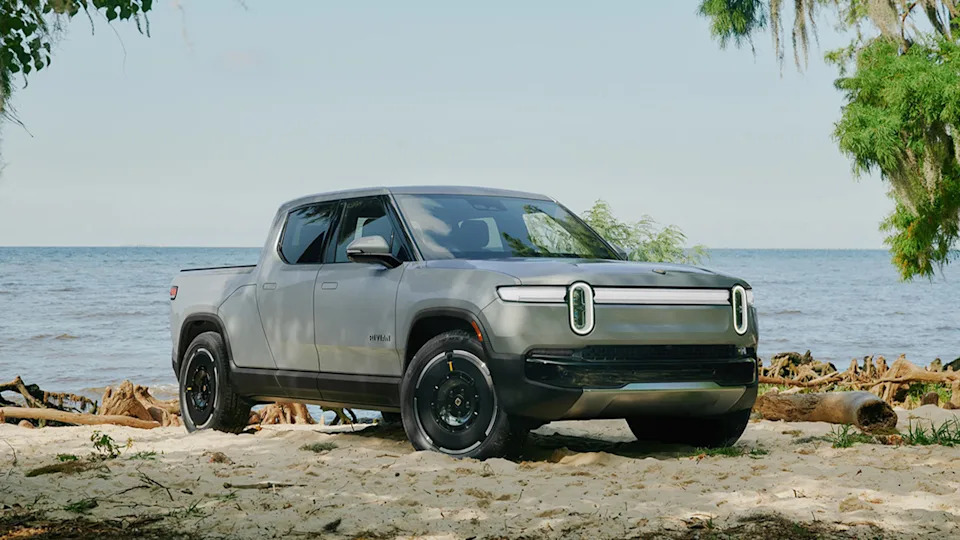
Image Credit: Rivian.
The Rivian R1T blends innovation with practicality, positioning itself as a purpose-built electric adventure vehicle. Its bold stance and clean lines are paired with practical features like the gear tunnel, a unique storage solution that reflects Rivian’s attention to detail.
The design philosophy emphasizes utility and versatility, appealing to those who spend time outdoors. The cabin continues this theme with durable, sustainable materials and earthy tones that complement its rugged image. Rivian created a truck that feels approachable, functional, and highly adaptable.
The R1T is important because it introduced an entirely new lifestyle-focused design category for EVs. Rivian demonstrated that innovation extends beyond technology to include how a vehicle integrates with its owner’s daily life and hobbies.
Porsche Taycan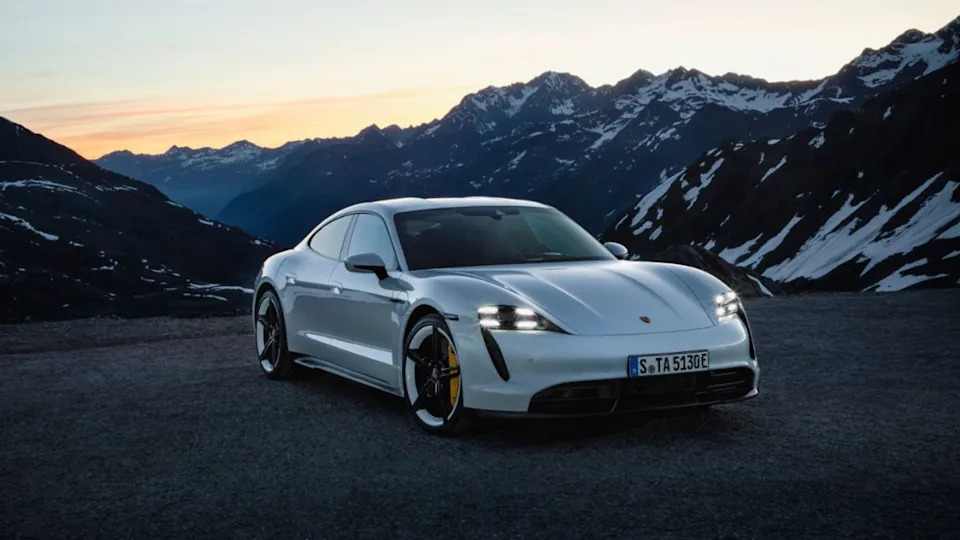
Image Credit: Porsche.
The Porsche Taycan successfully carries Porsche’s design identity into the electric age. Its sleek proportions, sculpted curves, and low-slung profile create a sense of speed and precision. Every element, from its lighting signature to its wide stance, communicates Porsche’s heritage.
The interior reinforces this connection to performance. It is driver-focused, with intuitive controls and carefully chosen materials that create a premium, purposeful environment. Porsche managed to integrate modern electric elements while retaining the essence of its iconic design philosophy.
The Taycan’s impact lies in its ability to merge tradition with innovation. It showed that a brand with a strong design legacy could transition to electrification while maintaining its character and prestige.
Hyundai Ioniq 5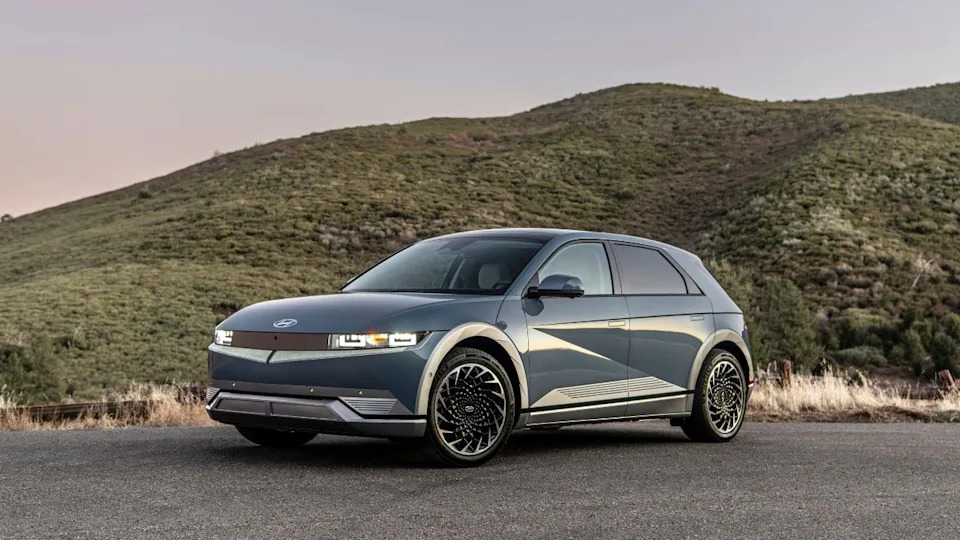
Image Credit: Hyundai.
The Hyundai Ioniq 5 combines inspiration from past concept vehicles with forward-thinking technology. Its sharp angles, pixelated headlights, and distinctive profile give it a unique identity in the EV market. The styling is bold and playful while maintaining a practical crossover shape.
The interior design is equally innovative, offering a flat floor and configurable seating arrangements that create a flexible and open space. Hyundai used this model to show that mainstream vehicles could be affordable, functional, and stylish at the same time.
This design stands out for its ability to challenge industry norms. The Ioniq 5 has become a reference point for creative design in the EV segment, proving that thoughtful styling decisions can elevate even a mass-market car.
Polestar 2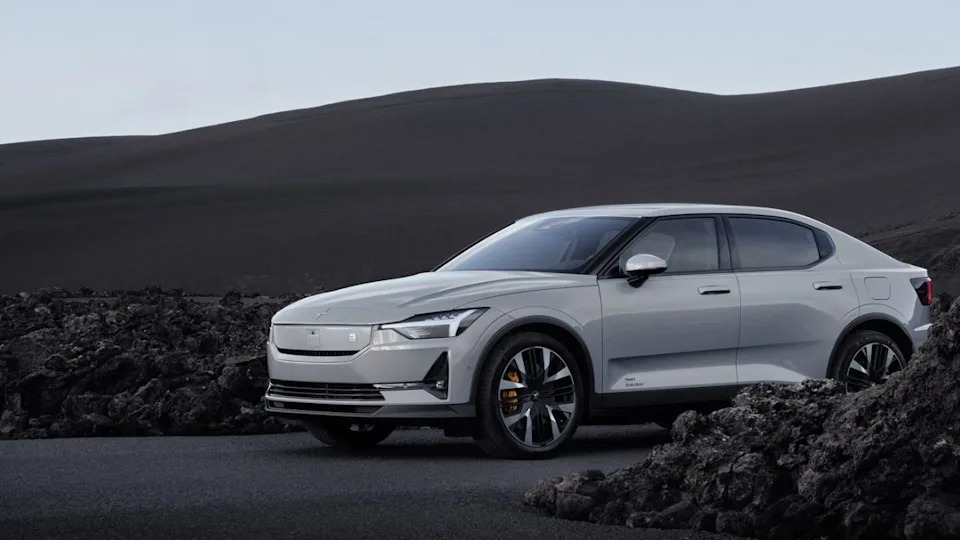
Image Credit: Polestar.
The Polestar 2 represents Scandinavian design principles applied to electric mobility. Its minimalistic form and clean proportions are paired with a cabin that emphasizes simplicity, functionality, and a sense of calm.
Polestar’s commitment to sustainability is evident in its materials and design philosophy. Vegan interiors, recycled components, and a restrained aesthetic create a product that reflects environmental responsibility. The Polestar 2 avoids unnecessary ornamentation, allowing craftsmanship and material quality to take center stage.
This vehicle is significant because it demonstrates that innovation is as much about restraint as boldness. It created a template for sustainable, premium EV design that feels modern without overwhelming the senses.
A Look at the Road Ahead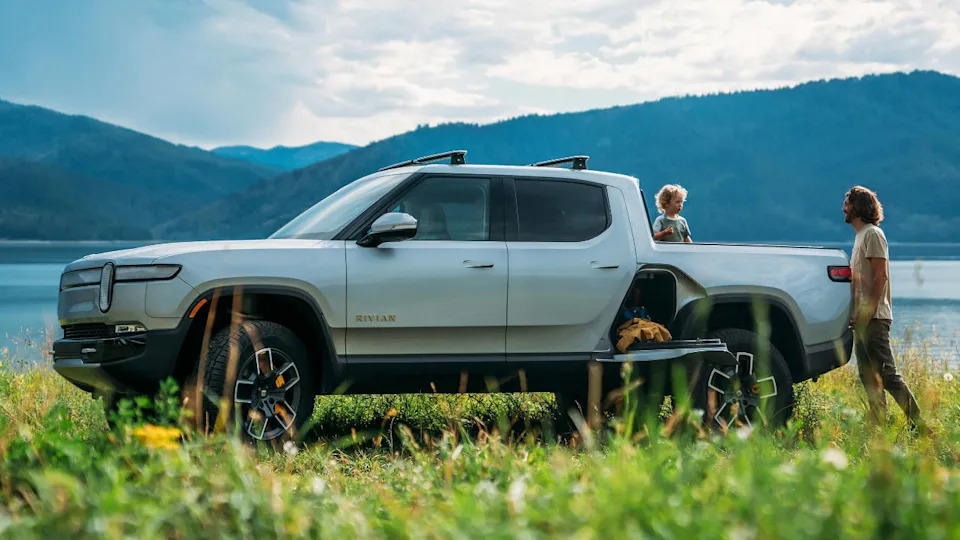
Image Credit: Rivian.
The vehicles featured here represent a new era of automotive design, where creativity and sustainability guide innovation. Each model pushes boundaries in its own way, showing that electric vehicles are not just replacements for gas-powered cars but statements of intent.
We’re seeing automakers embrace daring design choices, whether it’s the bold lines of the Cybertruck or the refined luxury of the Lucid Air. Rivian and Hyundai prove that EVs can combine practicality and personality, while Porsche and Polestar bring heritage and minimalism into the electric future.
As the EV market expands, these vehicles will serve as inspiration for future designs. They demonstrate that thoughtful aesthetics and functionality can coexist, and that electric mobility can be exciting, stylish, and innovative.
This is a moment where car design feels alive with possibilities. We look forward to watching how these bold ideas shape the next decade of electric driving.