The City and Lethbridge Police Service are teaming up to clamp down on the use of illegal electric dirt bikes. Officials say use of unregulated e-dirt bikes can cause public safety issues and damage to pathways in the community.
The LPS notes that officers have seen an increased presence of e-dirt bikes on trails in the river valley and on local streets and paths.
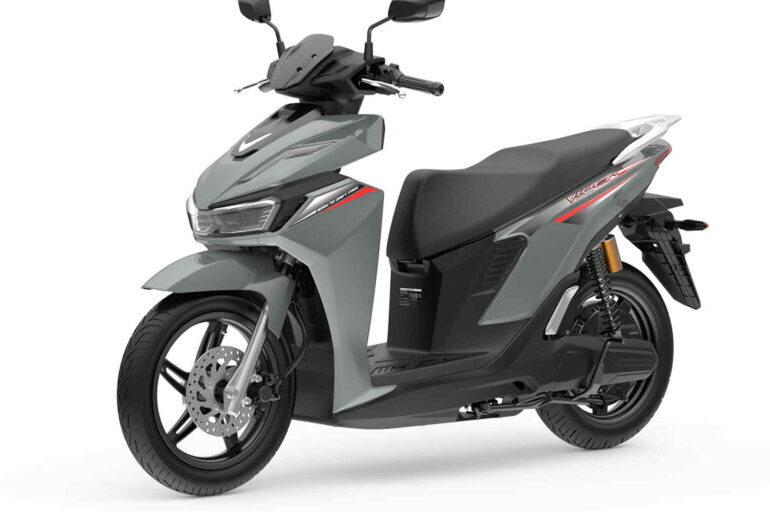
E-dirt bikes, unlike regular electric bicycles, are built for speed and power, and can reach speeds of 100 kilometres per hour.
Sergeant Ryan Darroch with the LPS Downtown Policing Unit notes regular e-bikes are pedal-assist devices regulated by the federal government and are capped at 32 kilometres per hour.
“Many of the different electric dirt bikes, which are illegal on any of our pathways, roadways and sidewalks and throughout the river valley, have been involved in several events with us, some failing to stop, some near misses [in] the river valley, where they are driving at high speeds and almost hitting dog walkers, families and people out for a stroll,” Darroch says.
“The pathway system throughout the city isn’t built for that level of speed and weight, as some of these bikes are 200 or 300 kilograms, [and] with a rider on them, add another 100 or 80 kilograms. That’s a lot of force moving down the pathway at, say, 80 or 90 kilometres [and that] can easily hurt someone or take the life of someone.”
He adds the last four fatal vehicle collisions the LPS has responded to have involved motorbikes, which he says are “in the same realm as our electric dirt bikes”.
“My main goal is just to press out the education piece that these bikes are not welcome anywhere on our roadways, pathways, [and] sidewalks as they are illegal,” Darroch states.
“They’re off-highway vehicles and no different than a gas-powered dirt bike. That’s how we treat them. They need to be registered and insured, which they cannot be currently within the province of Alberta.”
He adds that these bikes can be purchased, but they must be used on private land.
Darroch adds there is a “very big difference” between an e-dirt bike and a regular e-bike.
Under federal law, an e-bike is a vehicle that, among other components:
Is equipped with pedals;
Can be propelled by muscular power;
Has a maximum power output of 500 W and a top speed of 32 km/h;
Has a separate on/off switch for the motor or a system that prevents motor engagement until the bike reaches three kilometres per hour.
A reference guide is available on the provincial government website.
Darroch says although education is a key focus, enforcement will be done when necessary. Offenders caught on illegal e-dirt bikes could face a fine of $500 on their first offence, and that could go up to $1,000 to $1,500 for repeat violations within 12 months.
Complaints can be reported to the LPS non-emergency line at 403-328-4444.
DAMAGE TO LOCAL TRAILS
Andrew Sommerville, Parks Planning Manager for the City, says illegal e-dirt bike use on Lethbridge’s pathways can cause damage to local ecosystems, and the trails themselves.
“This undermines a lot of volunteer efforts that the Lethbridge Trail Alliance has put into sanctioning and developing resilient, sustainable trails in the river valley,” he remarks.
“They have very large tires that can be damaging to the trail surface themselves. You talk about natural trails that are in the river valley, when those e-dirt bikes are used, the extra weight and torque create a lot of disturbance to the soil and trail surface itself and that can create deep ruts, causing greater erosion and damage to the trail, which then has to be fixed, so that can be costly for the City but also costly in terms of the amount of manpower to fix it by our Trail Alliance partners.”
READ MORE: Partnership to help enhance trail network in Lethbridge
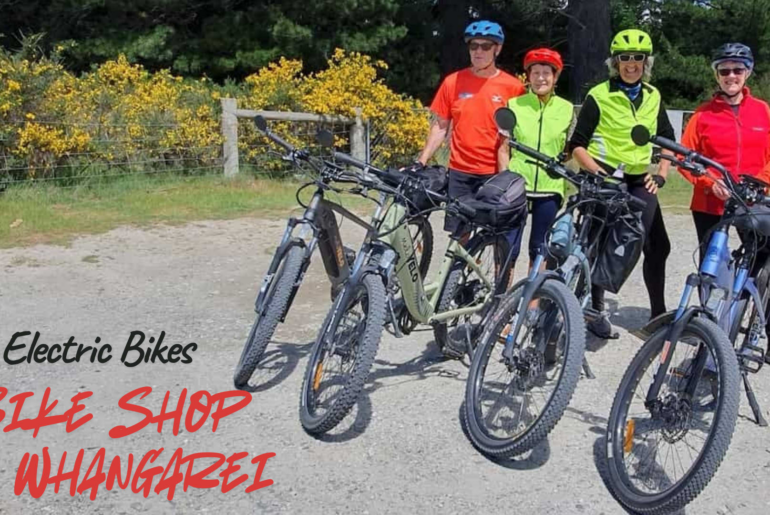
Sommerville does note though that traditional e-bikes with pedals are allowed.
“They support active transportation and recreation without high speeds and ecological damage associated with electric dirt bikes,” he states.
Sommerville adds the City’s Parks Bylaw prohibits motorized vehicles in the river valley, and in Lethbridge’s parks and pathways.