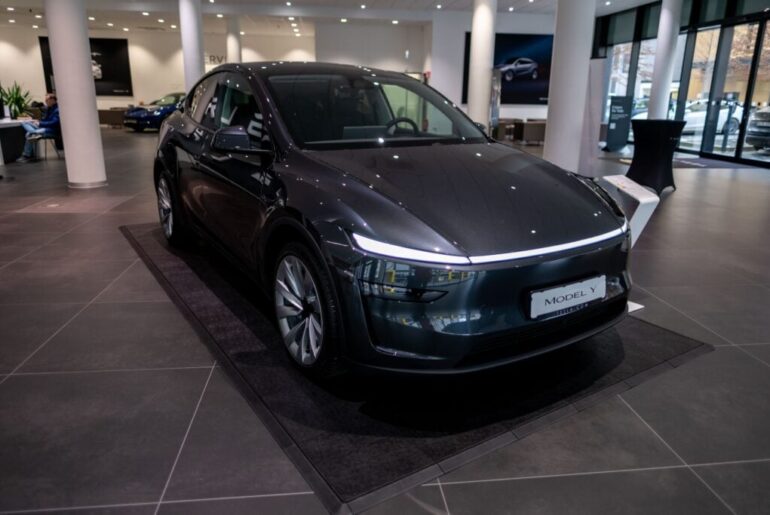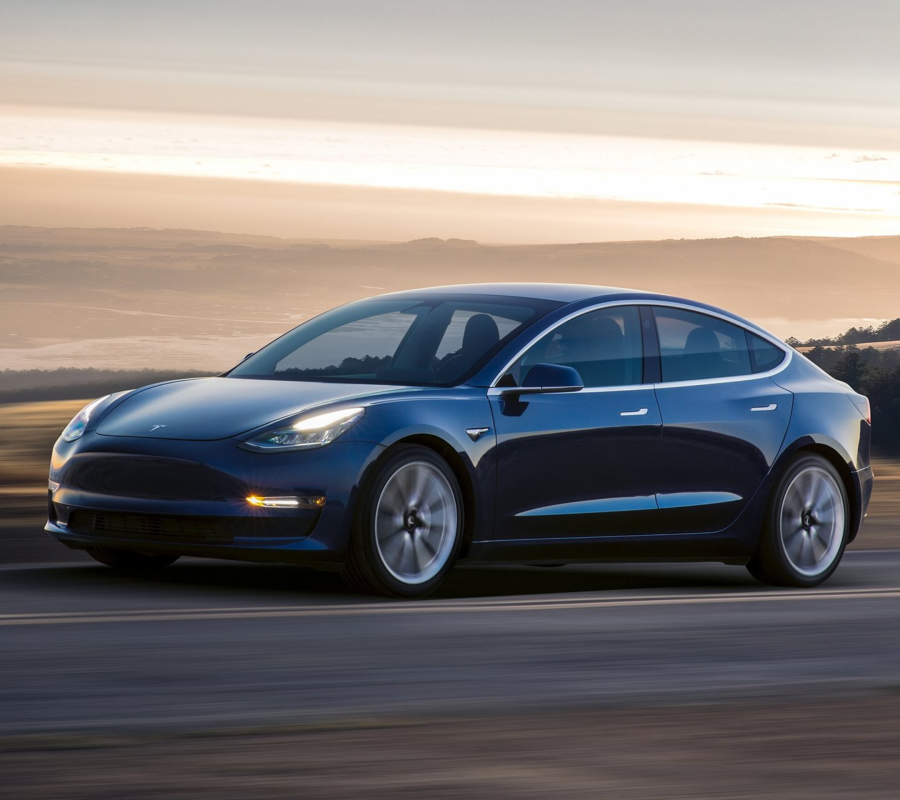
While expectations were high that electric vehicles could be as reliable—or potentially more reliable—than gas-powered cars, Tesla found itself at the bottom of the defect rankings in the TÜV-Report 2026. Specifically, the Model 3 and Model Y landed among the lowest performers in their age group, alongside the Ford Mondeo.
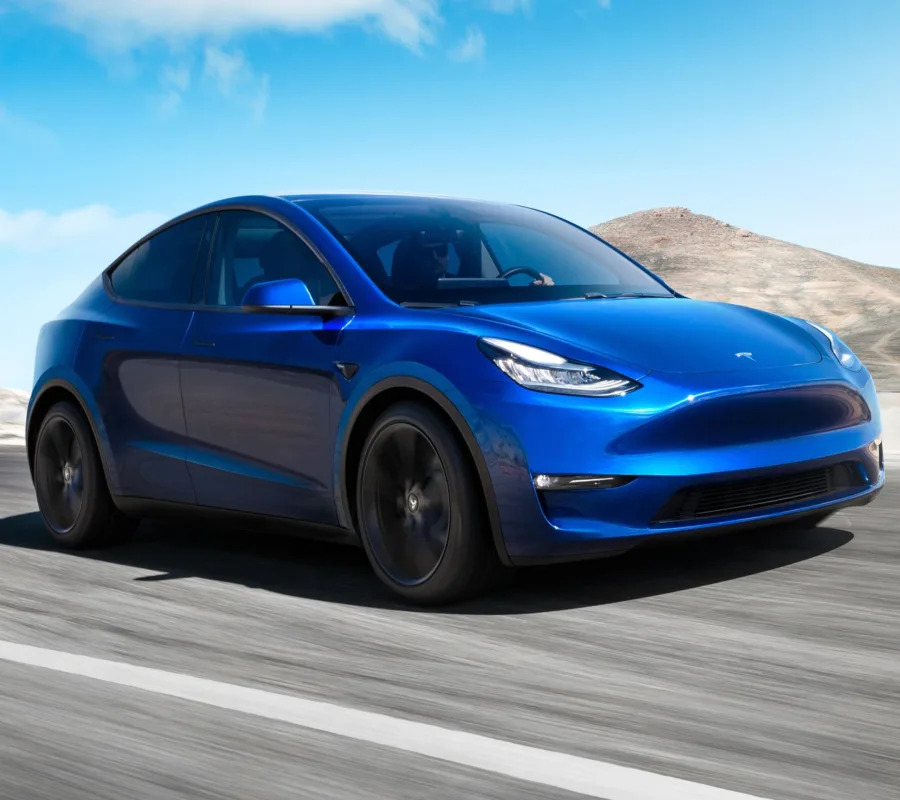
TÜV is a technical inspection association based in Germany. Its 2026 report is based on roughly 9.5 million mandatory vehicle inspections carried out from July 1, 2024, to June 30, 2025. The category where the two Tesla EVs fell short was the 2–3-year-old segment, with the Model 3 and Model Y posting 13.1% and 17.3% significant defect rates, respectively.
 Tough Report Card
That means, for example, that in the Model Y’s case, about one in every 5.8 units had a serious issue at inspection. The silver lining, however, is that the association noted both Tesla models typically reached their first inspection with above-average mileage of over 50,000 km (around 31,069 miles), which it considered noteworthy for an all-electric vehicle. This age group is particularly important because it reflects the quality of vehicles closest to their manufacturing date.
This type of vehicle is engineered with fewer moving parts compared to combustion engines, which rely on components such as camshafts, pistons, and multi-speed gearboxes. EVs use electric motors and single-speed transmissions, though models like the Porsche Taycan employ a two-speed setup.
As a result, they are generally less prone to powertrain-related issues than gas cars, which can translate into lower maintenance costs over time.
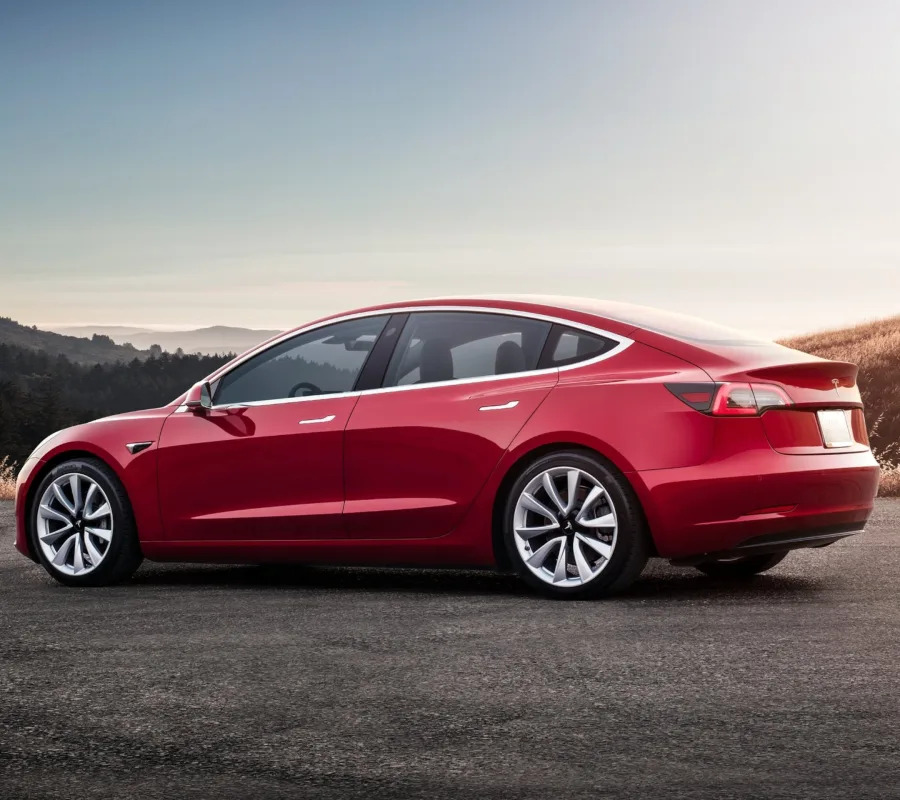
TÜV’s data supports this, noting that most of the problems in Tesla’s results stemmed from the brake discs and axle suspension. While this year’s overall winner of the so-called “Golden Sticker” is the Mazda2 Hybrid with a defect rate of 2.9%, the highest-rated EVs are the Mini Cooper SE (3.5%) and the Audi Q4 e-tron (4.0%).
Here in the U.S., Tesla ranks slightly below the average in the J.D. Power 2025 U.S. Vehicle Dependability Study, earning 209 problems per 100 vehicles (209 PP100). Lexus topped the list with 140 PP100, followed by Buick (143 PP100) and Mazda (161 PP100).