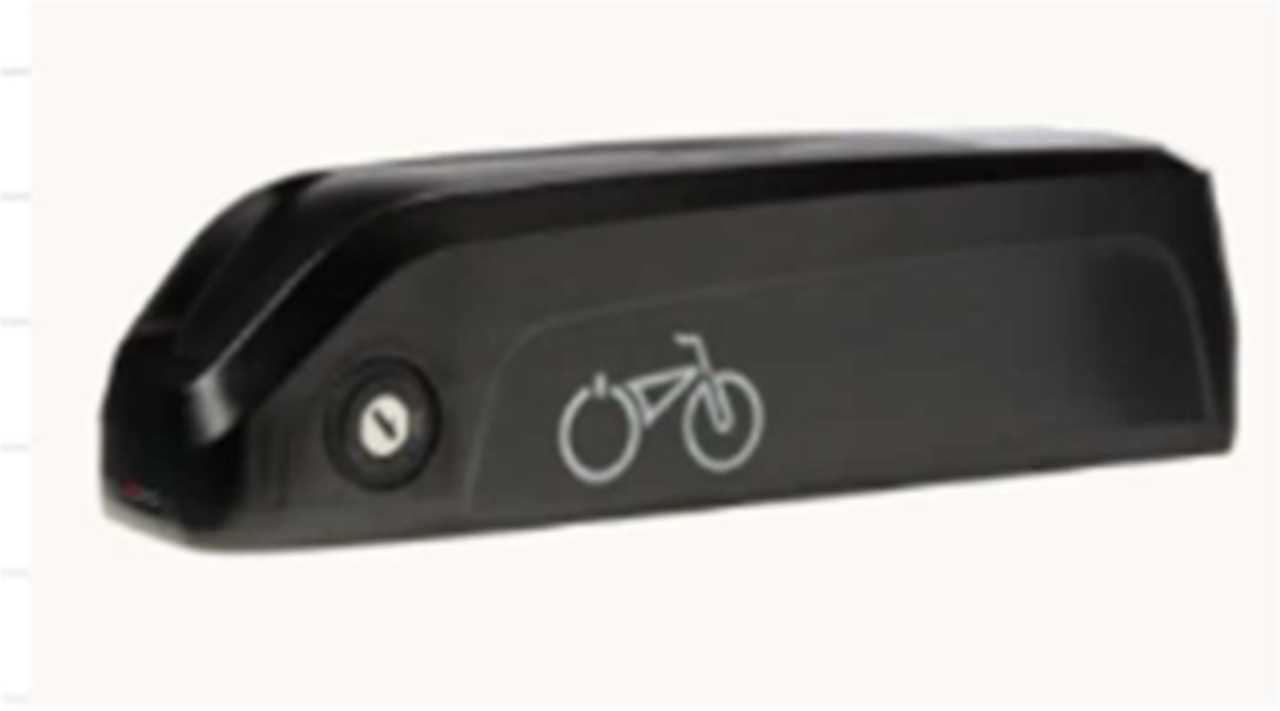
Cyclists who ride certain models from a Seattle-based electric bike company should immediately dispose of their bike’s batteries, according to a federal warning.
The U.S. Consumer Product Safety Commission posted a notice Monday warning users of some Rad Power Bikes e-bike models to ditch their vehicle’s batteries. Per the warning, hazardous lithium-ion batteries may “unexpectedly ignite and explode,” especially when the battery or harness has been exposed to water and debris.
The agency is aware of 31 fire reports related to Rad Power Bikes batteries, including 12 instances of property damage totaling $734,500, according to the notice.
Two battery models are affected by the recall: HL-RP-S1304 or RP-1304, each which has its model number printed on a label at the back of the battery. Batteries were sold online, at Best Buy stores and at independent bike shops nationwide.
Affected items were sold either separately as replacement batteries or with the following e-bike models: RadWagon 4, RadCity HS 4, RadRover High Step 5, RadCity Step Thru 3, RadRover Step Thru 1, RadRunner 2, RadRunner 1, RadRunner Plus and RadExpand 5
Consumers should immediately remove the battery from their e-bike and dispose of the battery while following local hazardous waste disposal procedures.
Rad Power Bikes refused to agree to an “acceptable recall,” according to the federal notice, and said it is unable to offer replacement batteries or refunds to consumers. The e-bike company has faced considerable financial challenges since the pandemic, and earlier this month announced it may soon be forced to close.
The Seattle company did, however, issue its own response to the federal warning “strongly” disagreeing with the agency’s characterization of its batteries.
“Reputable, independent third-party labs,” tested Rad Power Bikes batteries and confirmed compliance with industry standards, the company wrote.
“The incident rate associated with the batteries in the CPSC’s notice is a fraction of one percent,” Rad Power Bikes wrote in its Monday statement. “While that number is low, we know even one incident is one too many, and we are heartbroken by any report involving our products.”
The e-bike company also said that it was willing to offer consumers the chance to upgrade to its Safe Shield batteries at a “substantial discount,” but CPSC rejected the suggestion.
“The significant cost of the all-or-nothing demand would force Rad to shut its doors immediately,” the statement continued, “leaving no way to support our riders or our employees.”