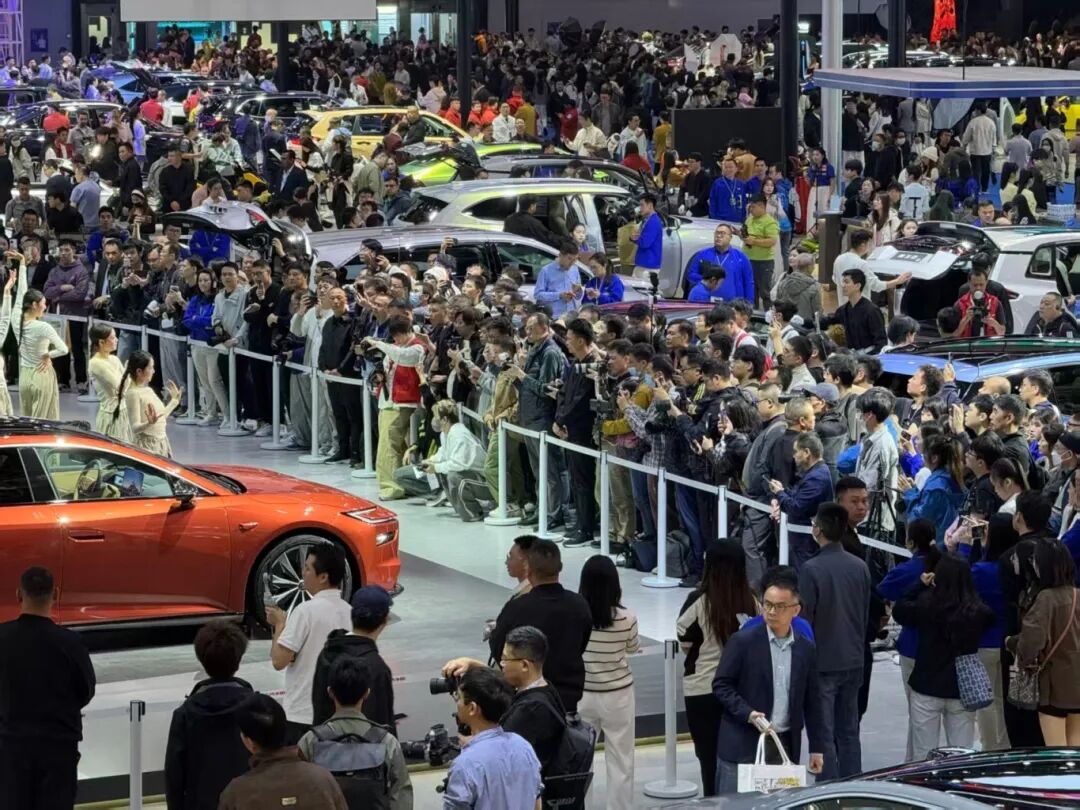
Before the opening of the Guangzhou Auto Show, with the promotion of various local car purchase subsidy policies and the confirmation of the vehicle purchase tax exemption policy for next year, the outside world was worried about the future development of the auto market. At this critical juncture, compared with the booming Chinese automakers, the foreign capital forces, which were already on high alert, were undoubtedly even more on pins and needles.
Since this year, after choosing to fully embrace the electrification strategy in the Chinese market, joint – venture automakers have indeed made visible progress. Except for Honda, all enterprises, including Volkswagen and Toyota, have been getting more and more on track in the process of transformation. However, there is always a price to pay for all this.
In the past two years, in terms of public opinion, almost everyone has belittled joint – venture automakers. It seems that after the auto industry entered a new era, these enterprises that have been operating in China for about 30 years have suddenly become stumbling blocks to the industry’s progress overnight.
People within the enterprises may think that, “Normally, joint – ventures have made great contributions to the construction of the Chinese auto industry ecosystem. No matter how the industry develops, there should at least be basic respect.”
In view of the impetuous market and the successive entry of “barbarians”, such a situation is quite normal. However, as we enter 2025, rather than doubting the rationality of the market, joint – ventures can only prove themselves with practical actions. Otherwise, all complaints are meaningless.
From the moment GAC Toyota’s bZ3X fired the first shot in the counter – attack of joint – ventures in March this year, to the launch of Dongfeng Nissan’s N7, Changan Mazda’s EZ – 60, SAIC – GM’s Zhijing L7, and Beijing Hyundai’s EO, it is obvious that joint – ventures are launching more and more aggressive offensives. No matter what stance we take to view these events, perhaps this is a wake – up call. Of course, compared with the past, the most important thing for joint – ventures to show such enthusiasm is to lower their stance.
Learning with an open mind is not a bad thing
Looking back at 2025, the competition in the new energy vehicle market has shown a relatively stable pattern after the collapse of many speculators. Generally speaking, with price wars as the background, the tug – of – war between various forces has not weakened at all. That is to say, whether they can put aside their arrogance or not, joint – venture automakers have to face the competition head – on if they want to break the deadlock.
Previously, with their stubbornness, joint – ventures produced electric vehicles in rather abstract ways. This is an established fact. It also sends a signal that if we take the needs of Chinese users as a reference, the only outcome for these so – called advanced electric vehicles is poor sales.
Facing the harsh reality of repeated market setbacks and seeing many joint – venture companies shut down and withdraw from China, there is no reason for them to stick to their old ways this year. On the day of the bZ3X’s launch, it was quite rare to see both Chinese and Japanese sides humbly learn from the current product situation. At the same time, in order to improve the future market performance of the bZ3X, they chose to make the greatest possible compromises in terms of product and price.
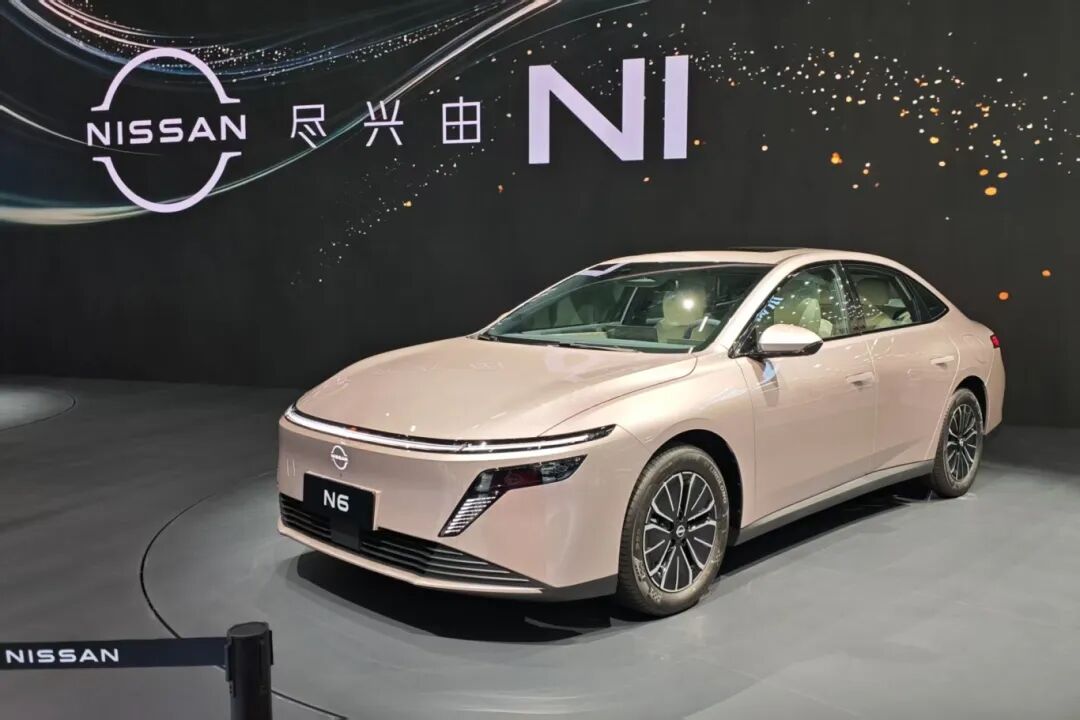
Although it’s still hard to say whether this move by the foreign side is sincere based on past experience, judging from the subsequent market performance of the bZ3X, this kind of product is exactly what Chinese consumers need. Similarly, when Nissan’s N7 combines superior product strength with a price that exceeds everyone’s expectations, its sales performance is bound to be satisfactory.
In the past few years of the rapid evolution of the new energy industry, we are well aware that Chinese consumers have the most demanding requirements for vehicles in the world. Relying on the massive reserves and advanced nature of three – electric technology and intelligent technology, no one will only care about the obvious things such as basic configurations, materials, and brands when buying a car as before. Full – scenario coverage of the usage environment has become a necessity.
Can joint – ventures change this situation? Facing the cruel reality of the past years, continuing to produce electric vehicles in the old way is a dead end, which will only lead to self – inflicted pain.
It can even be said that after the global new energy industry turns its attention to China, there is only one way left for joint – ventures to follow. In the post – joint – venture era, the decision – making power of both Chinese and foreign parties needs to be adjusted according to the development of the times in order to survive better.
A prominent counter – example is that when Honda persists in its self – delusion and produces the P7 and S7, which only emphasize driving pleasure, and sets prices that it thinks are close to the cost bottom line for these two new cars, the market will show Honda in the most real way what the right way to enter the Chinese market is.
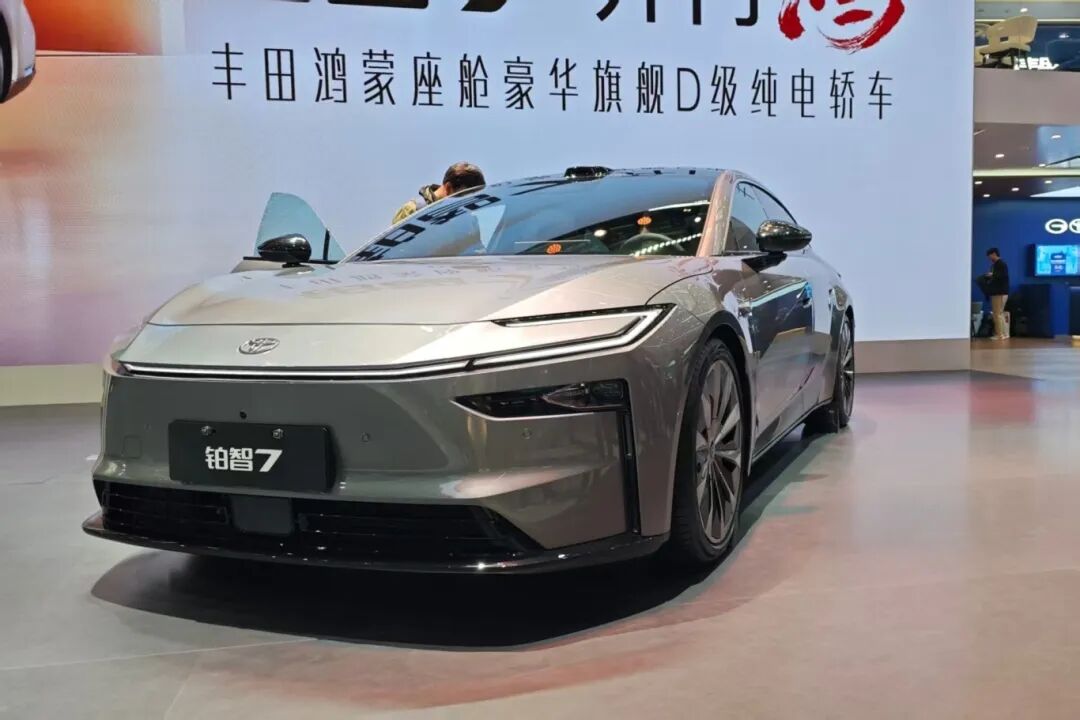
“In this era, joint – venture electric vehicles cannot talk about brand premium with Chinese users.” Does this conclusion seem unfair to the long – term development of joint – venture automakers? However, this is the reality, and everyone has to learn to accept it.
Without accident, in the future of car – making, joint – ventures will be on the same starting line as Chinese brands. Even strong players like Volkswagen and Toyota should not be nostalgic for the old R & D path of “the foreign side is responsible for the overall direction, and the Chinese side is responsible for minor adjustments”.
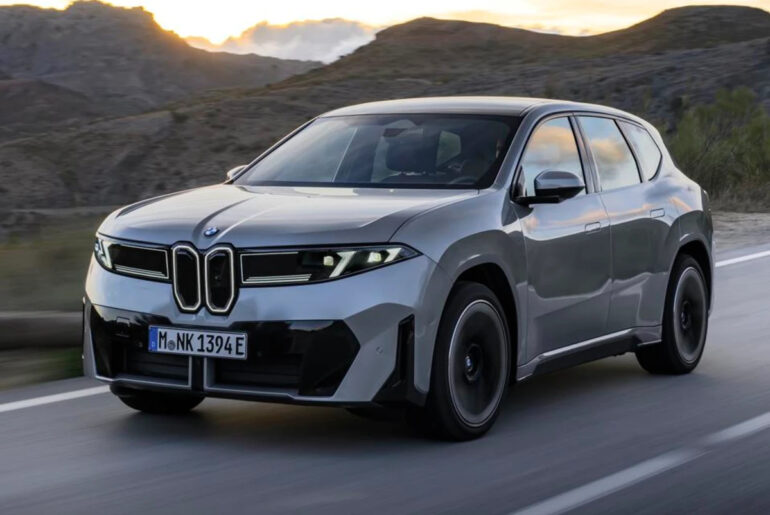
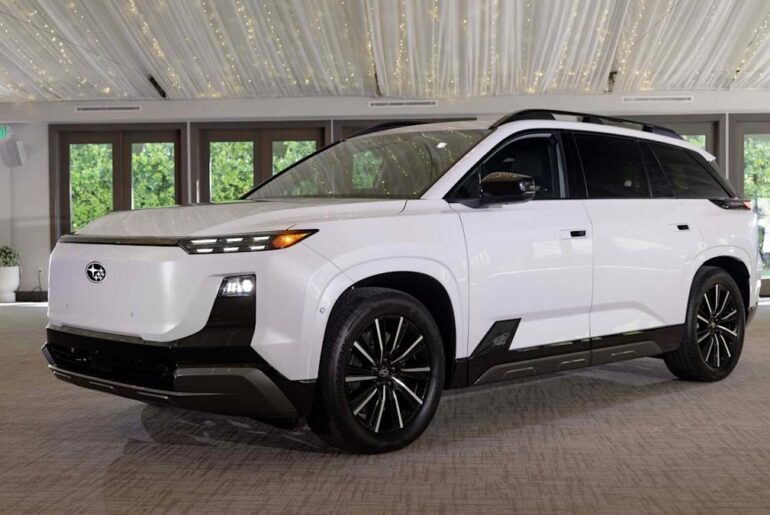
Especially after a series of joint – venture new energy products with a strong Chinese flavor, such as the bZ3X, have reversed the decline, issues such as what kind of electric vehicles to produce and how to produce them should be decided by the Chinese side of the joint – ventures. At the Guangzhou Auto Show, when Nissan’s N6 and Toyota’s bZ7 made their official debuts, who can say that this view is wrong?
Only by being localized in China can you win in China
Facing 2026, as the trend of equal treatment for fuel – powered and electric vehicles becomes more and more obvious, if joint – ventures want to achieve their own development and transformation without going against the general trend of the industry’s electrification, the tasks they need to undertake will only be more complex and cumbersome than now. Behind the abandonment of brand premium is not only an admission of the growing strength of Chinese brands but also a real – deal effort to listen to the opinions of the Chinese market and actively mobilize existing resources to meet the requirements of the Chinese R & D team.
Yes, when the entire industry is in an involution – type competition, joint – ventures always prioritize topics related to quality and mobilize consumers’ attention to the entire life cycle of vehicle use around their relatively mature service systems. However, when this year’s market competition has forced out all the weak players, all the so – called beliefs seem insignificant.
At another Guangzhou Auto Show, everyone is saying that Chinese automakers have now stepped out of their once – immature ecosystem. Facing the rapidly growing new energy market, Chinese enterprises will only become more and more courageous in the future development of the industry and will eventually stand at the center of the global automotive stage.
During the exhibition, products represented by Voyah’s Taishan and Zeekr’s 9X have received the olive branch from Zunjie’s S800, further dressing up Chinese brands in high – end attire. “NIO, XPeng, Li Auto, and Leapmotor” are all telling inspiring stories of latecomers overtaking the predecessors in their own ways in the market…
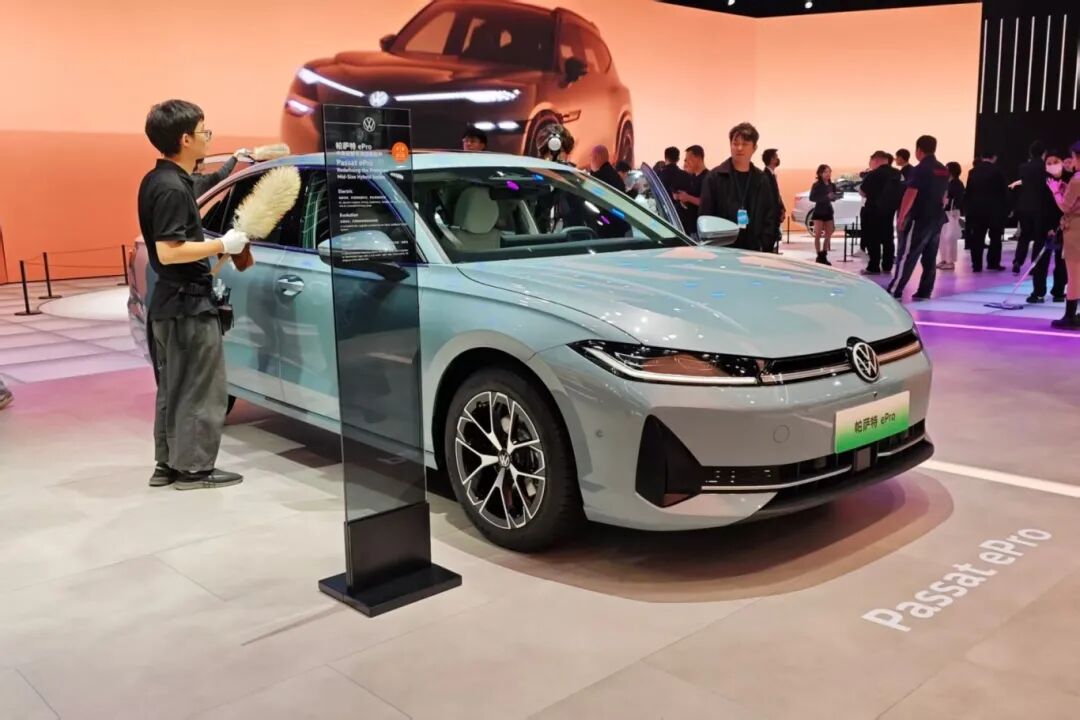
In contrast, because the fuel – powered vehicle market still exists, joint – ventures can use new models such as the new Lavida PRO and the new Venza/RAV4 to show the outside world their dominance in the traditional field. On the other hand, the official debut of new cars like the bZ7 and N6 seems to be a profound summary of 2025.
Seeing this situation, as Honda postponed the launch of the Ye GT and even decided to cancel the project, and didn’t mention much about the future plans of these two cars at the Guangzhou Auto Show, it is presumably telling the outside world how joint – ventures should proceed if they want to develop in China.
To put it bluntly, the way out for joint – venture brands lies in complete localization. This is not only about localizing production and manufacturing but also about in – depth localization of R & D, decision – making, and the supply chain. More and more joint – venture automakers are handing over the product definition and development leadership to Chinese teams and actively cooperating with local technology giants such as Huawei and CATL to quickly make up for their intelligence shortcomings and create products that better meet the needs of the Chinese market.
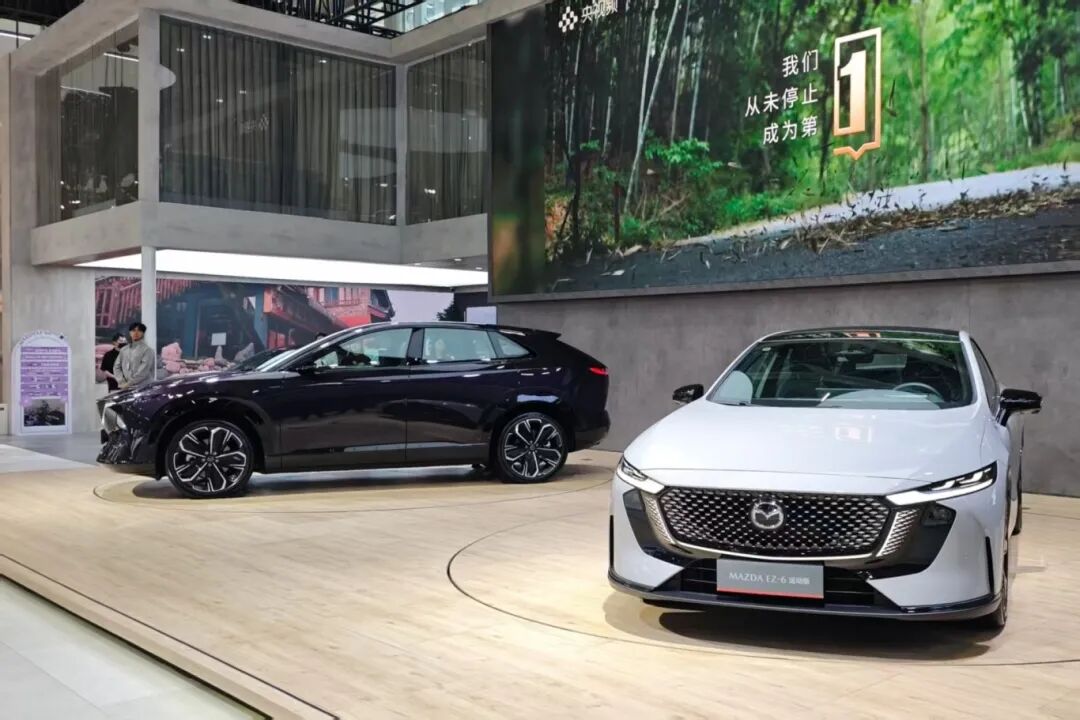
In the face of market reality, joint – venture brands need to show greater flexibility in their technology routes. For example, the extended – range electric vehicle route, once questioned by some giants, now needs to be included in the strategic plans of Volkswagen, Toyota, etc., in order to meet users’ range requirements when battery technology still has bottlenecks. At the same time, “simultaneous development of fuel – powered and electric vehicles” has become a practical strategy to consolidate the basic market of fuel – powered vehicles while accelerating the layout of electrified products.
Meanwhile, user operation and brand reshaping are complementary. The traditional 4S store model and one – way marketing of joint – venture brands seem lagging behind in the face of new – force automakers that directly interact with users and operate user communities. How to rebuild an emotional connection with users and create a brand image that suits the new era is the key soft power for them to turn the tables.
Generally speaking, starting from this Guangzhou Auto Show, the loss of brand premium for joint – venture brands in the electric vehicle field is a sign of market maturity, which means that competition has returned to the essence of products. In 2026, the main task for joint – ventures is to continue to deepen the strategy of “in China, for China”. Only through in – depth localization can they reshape their competitiveness.
This article is from the WeChat official account “Automobile Commune” (ID: iAUTO2010), author: Cao Jiadong. It is published by 36Kr with authorization.