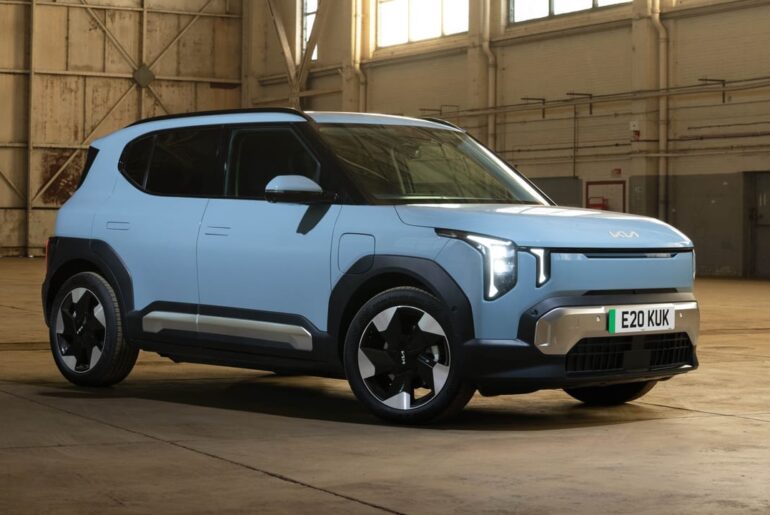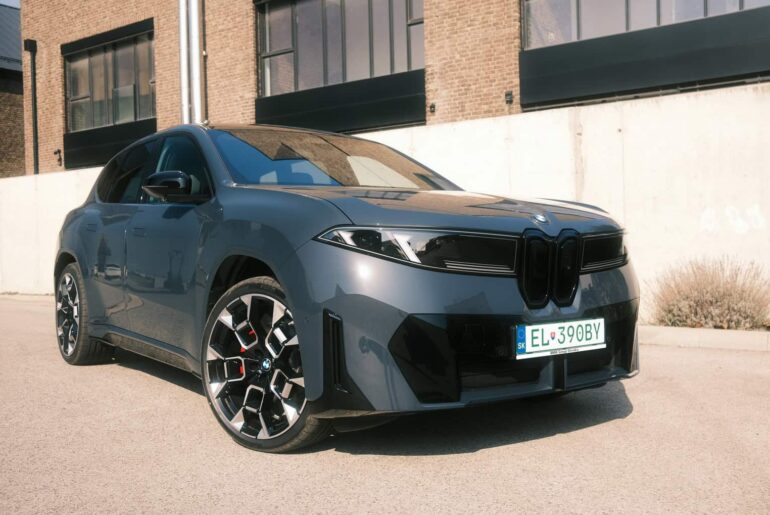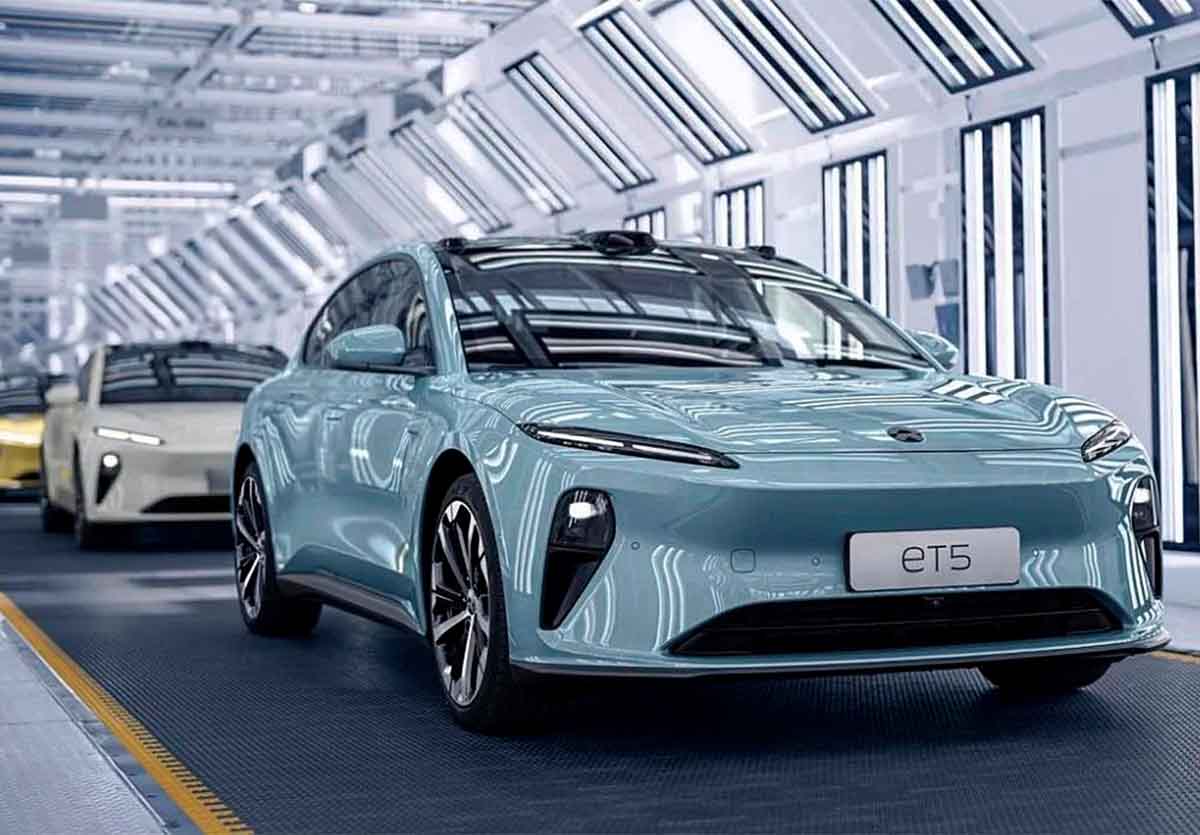
China has become the absolute reference in the electrified automotive market. Except for Japanese hybrids and with Tesla’s permission, the Asian country concentrates all the attention in terms of electric and plug-in hybrid cars.
Brands like BYD, Chery, Geely, XPeng, NIO, or Xiaomi have become everyday protagonists on the international scene.
Record Production and Sales in 2025
On November 11, the China Association of Automobile Manufacturers (CAAM) published the latest sector data. Between January and October, the production and sale of New Energy Vehicles (NEV) reached historic figures:
Production: 13.015 million units.
Sales: 12.943 million units.
Market penetration: 46.7%, the highest ever recorded.
In October alone, China produced 3.359 million cars and sold 3.322 million, regardless of the equipped mechanics.
More than 50% of Sales are Electric
For the first time in history, electric vehicles represented more than 50% of total sales in China, reaching 51.6% in October.
In the annual accumulation, between January and October, the country produced 27.692 million cars, of which 27.687 million were sold, a 12.4% increase over the same period last year. This shows that Chinese drivers buy practically everything their factories assemble.
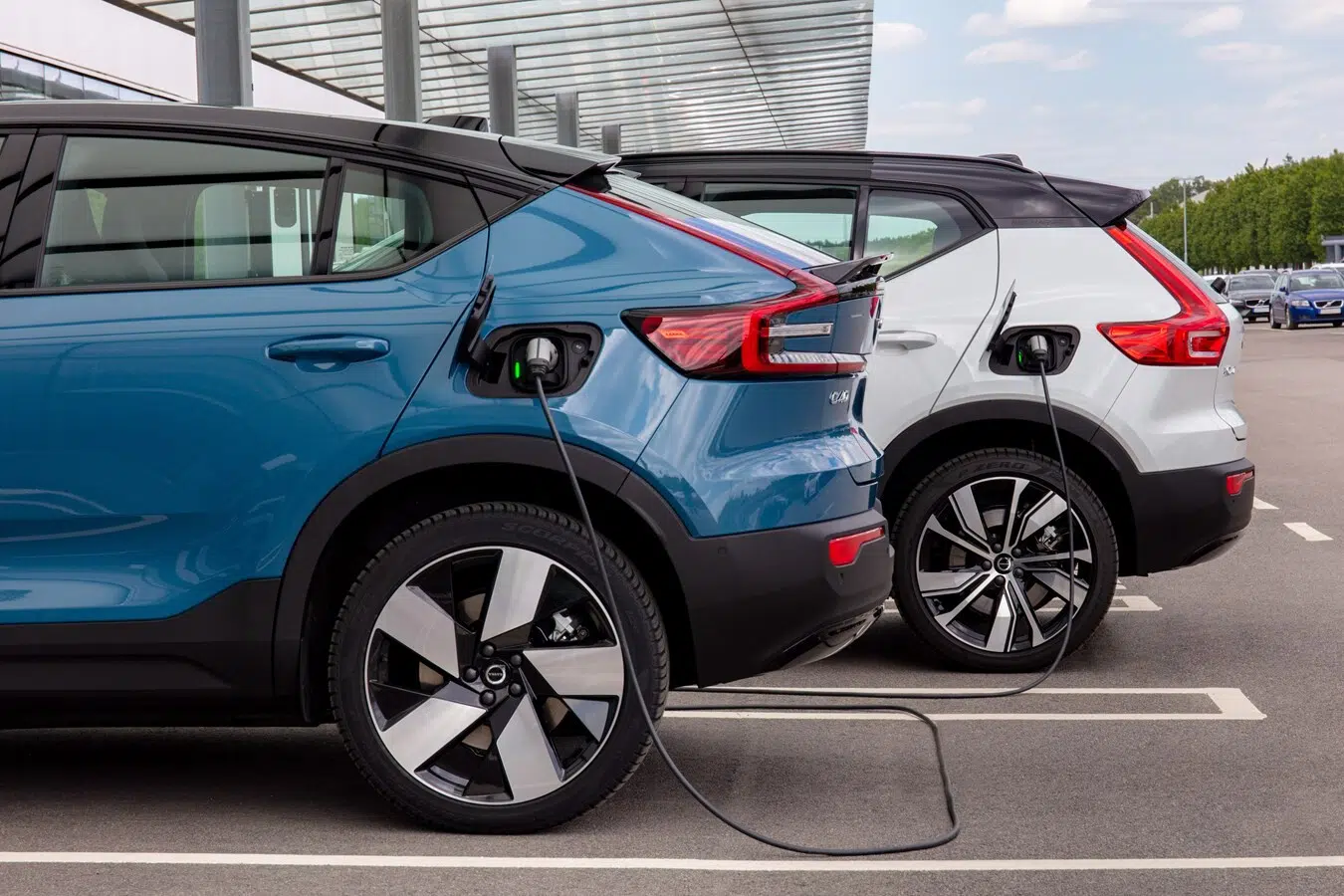 New energy vehicles reach record figures and challenge the local industry.
Growing Exports
Although the domestic market absorbs most of the production, exports show sustained growth:
In October, Chinese manufacturers exported 666,000 units, a year-on-year increase of 22.9%.
NEV exports doubled, reaching 256,000 units in the same month.
In the first ten months of the year, car exports reached 5.616 million units, a 15.7% increase over 2024.
Of that total, 2.014 million units were electric or plug-in hybrids, representing a 90.4% year-on-year increase.
Impact in Argentina
The emergence of Chinese electric cars in Argentina is significant, driven by the reduction of import tariffs that has allowed their entry at more competitive prices.
Main impacts:
Increased competition and supply: brands like BYD, MG, BAIC, and Lynk&Co increased their presence, offering more options and affordable prices.
Economic and fiscal benefits: the elimination of the 35% tariff for electric and hybrid vehicles imported from outside Mercosur facilitated their entry. Some provinces offer additional tax exemptions, further reducing the cost.
Infrastructure challenges: the lack of an extended charging network limits long trips outside the Buenos Aires Metropolitan Area (AMBA). Therefore, hybrid cars have greater potential for penetration in the short term.
Impact on the local industry: the arrival of Chinese cars, produced at lower cost, pressures the national industry to accelerate its transition to electric mobility. Local production has decreased, reflecting the drop in unit manufacturing.
Technological innovation: besides competitive prices, Chinese companies are betting on advanced equipment and greater safety, forcing the rest of the sector to raise their standards.
China consolidates as the world epicenter of electric and hybrid mobility, with record figures in production, sales, and exports of new energy cars. Its influence is already felt in markets like Argentina, where the reduction of tariffs and the arrival of Chinese brands intensify competition, challenge the local industry, and accelerate the transition to electric mobility.
The challenge for Argentina will be to accompany this growth with adequate charging infrastructure, incentive policies, and an industrial reconversion that allows taking advantage of the opportunities of a market in full transformation.