2026 Nissan Rogue Plug-In Hybrid: The Shocking Truth About Nissan’s New PHEV!
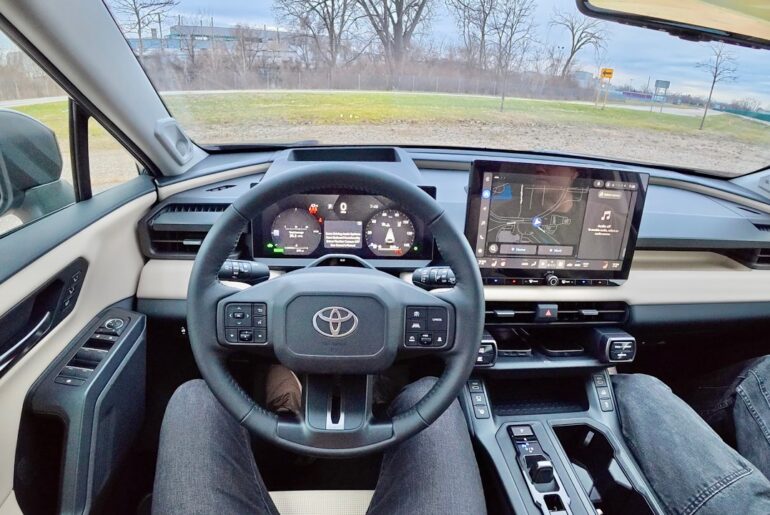
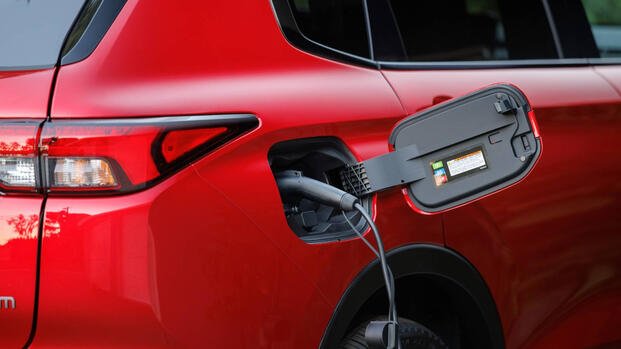
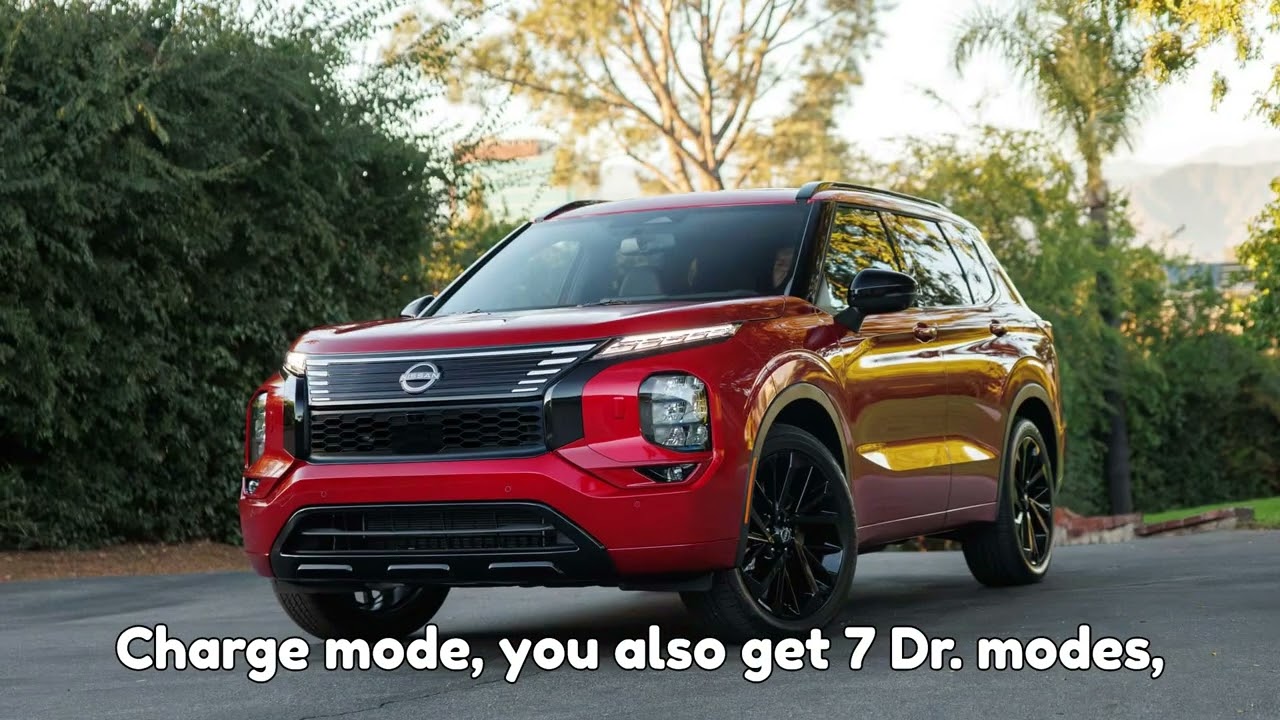
2026 Nissan Rogue plug-in hybrid. Brilliant new SUV, but missing two big features. Hey EV fans, this is Hussein, your host, and welcome back to EVPedia, the place where we charge up your day with real EV knowledge and the occasional shock of surprise. And today, we’ve got a big one. Nissan has finally stepped into the US plug-in hybrid arena for the very first time. and her opening move is well, let’s just say it’s not what anyone expected. In fact, a quarter of today’s story revolves around a surprise partnership behind the car and the two major features it’s missing right out of the box. Before we go deeper, quick copyright disclaimer. All information discussed belongs to its respective owners and is used for educational commentary. Now, here’s my question for you. Do you think Nissan made a smart move basing its first USPHV on a Mitsubishi platform or should they have built something new from the ground up? Think about it because the answer gets interesting by the end. And trust me, stick around till the end because there’s a detail most people are not talking about, but it changes the whole story. All right, let’s dive in. The 2026 Nissan Rogue plug-in hybrid has officially made its US debut and it instantly becomes a milestone for Nissan because this is, believe it or not, their first ever plug-in hybrid sold in the United States. That’s a huge deal for a brand that’s been struggling to regain its EV momentum after the early success of the Leaf. But here’s the twist that caught everyone off guard. Nissan didn’t build this PHEV from scratch. Instead, they teamed up heavily with their longtime Alliance partner, Mitsubishi. And by teamed up, I mean they practically took the Mitsubishi Outlander PHV, change a badge, and called the Rogue plug-in hybrid. It is a full unapologetic rebadge. The gas powered Rogue completely unrelated. The chassis, the drivetrain, the plug-in system, everything is pure Mitsubishi under the skin. In fact, this partnership is a two-way street because Mitsubishi is soon launching a rebadged Nissan Leaf as its next EV. These two brands are trading tech like kids trading Pokemon cards, except the Rogue PHEV didn’t get the rare shiny edition. But the good news is the Outlander PHEV is already one of America’s bestselling plug-in hybrid SUVs. That means Nissan is essentially adopting a proven formula instead of reinventing the wheel. And honestly, with development costs and timelines being what they are, it’s not a bad business decision. They get a mature plug-in system, existing reliability data, and a roomy family-friendly platform without spending billions to develop their own. And let’s be honest, in 2025 and 2026, when every automaker is scrambling for EV profits, doing things the easy way sometimes just makes sense. Now, let’s talk range. And this is where things stay familiar. The 2026 Rogue plug-in hybrid gets the same 20 kWh battery pack that’s used in the US Outlander PHEV. That battery feeds two electric motors working alongside a 2.4 L gasoline engine. When everything teams up, the total output hits 248 horsepower and 332 lb feet of torque. Totally respectable for a three row plug-in SUV. On a full charge, you can squeeze out up to 38 mi of all-electric driving, which is identical to the Outlander. And yes, if you’re wondering, that’s usually enough for most daily commutes. But here’s where things take a turn. When you look at the European version of the Outlander PHV, it has a bigger 22.7 kWh battery. That means more range, more electric only driving, and a little extra peace of mind for families trying to burn less gasoline. Nissan could have used that bigger pack. They didn’t. That’s the first big missing feature. And the second missing feature, this one hurts a bit more. DC fast charging. The European Outlander PHEV comes with CAMO fast charging port that allows the SUV to take in up to 50 kW and recharge from empty to full in around 38 minutes. That’s huge for road trips or quick topups. But Nissan removed it entirely for the Rogue PHV. The DC port is gone, deleted, vanished like your favorite socks after laundry day. Instead, owners get a standard type 2 port and a 3.5 kW onboard charger. That means a full level two recharge takes 7.5 hours. A level one charge 16 hours. That’s basically a full work shift over time included. And yes, it’s true that CIMO stations are rare in the US, even rarer than people who admit they actually read car manuals, but the option would have been nice. Moving on to performance and capability, the Rogue plug-in hybrid comes standard with all-wheel drive along with three main powertrain modes: EV mode, save mode, and charge mode. You also get seven drive modes: normal, power, eco, tarmac, gravel, snow, and mud. So whether you’re cruising the highway, rolling over gravel, or trying to convince your friends you’re an off-roader on the weekends, there’s a mode for that with a full tank and a full battery. Total range hits 420 mi and efficiency clocks in at an estimated 64 mp gallon equivalent. Once the battery is empty and you’re running on gas alone, the Rogue PHEV drops to around 26 mp gallon. Now, let’s open the door and step inside because Nissan gave the cabin a decent tech package. You’ll find a 12.3 in digital instrument cluster, clean, crisp, modern, and a 9-in center touchscreen that includes wired Android Auto and wireless Apple CarPlay. You get heated side mirrors, LED headlights with automatic high beams, 20-in alloys, an 8-way power driver seat, and three rows of seating, making a practical family hauler. Step up to platinum trim and things get fancier. You unlock leather seats, a nine- speakeraker Bose audio system, a heated steering wheel, and a power panoramic sunroof that practically turns the entire roof into a skylight. It’s a genuinely premium feeling cabin without crossing into luxury SUV pricing. Speaking of pricing, Nissan hasn’t announced it yet, but the base Mitsubishi Outlander PHEV starts around $42,675. The Rogue PHEV will probably fall somewhere in that zone, maybe slightly above or below depending on how Nissan positions it. Pricing will be absolutely crucial here because Nissan is essentially selling a rebadged version of a car customers can already buy. So, the question becomes, will customers choose a Rogue PHEV for the Nissan badge or stick with Mitsubishi’s version that has the same bones but a few extra features in other markets? That’s the puzzle Nissan needs to solve. And speaking of puzzles, here’s a joke for all my EV nerds. The Rogue PHEV is so closely related to the Outlander that if you park them next to each other, even the Chargers might get confused about which one to juice up. So, to answer the question from the intro, was a smart move for Nissan to base its first US plug-in hybrid on a Mitsubishi platform? In my opinion, yes and no. Yes, because they get a proven system and a fast path to market. No, because skipping over the bigger battery and DC fast charging creates a gap that absolutely didn’t need to exist. But I’d love to hear your take. Drop your thoughts in the comments. Before you go, here’s a fun fact. The Outlander PHEV was actually one of the world’s top selling FEVs for several years in a row, long before Tesla even announced a plug-in SUV. If you enjoyed this breakdown, help us push this video into the spotlight. Let’s aim for 10,000 likes and 1,000 comments. Hype the video using the hype button and make sure to subscribe so you never miss what EVPedia is charging up next. Your support powers this entire channel. I appreciate you and I’ll catch you in the next video.
The 2026 Nissan Rogue Plug-In Hybrid is finally here—and wow, this SUV brings a mix of brilliance, surprises, and two major missing features that nobody expected. Nissan has officially entered the U.S. PHEV segment for the first time, but instead of building something all-new, they teamed up with Mitsubishi and rebadged the Outlander PHEV.
In this detailed breakdown, we explore everything you need to know about the new Rogue PHEV—from its 20 kWh battery, 38 miles of EV range, and 248 horsepower output, all the way to what Nissan DIDN’T include: the bigger 22.7 kWh battery available in Europe and the hugely convenient DC fast-charging capability.
We also take a close look at the electric AWD system, driving modes, interior tech, three-row practicality, and expected pricing. Whether you’re an EV enthusiast, a hybrid shopper, or just curious about Nissan’s comeback strategy, this video has everything you need.
The 2026 Nissan Rogue Plug-In Hybrid could be a game-changer… or it could fall short because of those two missing features. Watch the full video to see why this SUV has everyone talking, and what it means for Nissan’s EV future.
👉 If you enjoy EV deep dives like this, make sure to LIKE the video, COMMENT your thoughts, SUBSCRIBE for more real EV insights, and stay till the end—your engagement truly powers EVPedia forward. Let’s hit 10,000 likes and 1,000 comments!
#NissanRoguePHEV #NissanRoguePlugInHybrid #NissanPHEV #PlugInHybridSUV #EVPedia #HybridSUV #ElectricVehicles #Nissan2026 #MitsubishiOutlanderPHEV #EVNews
Join this channel help us to improve:
https://www.youtube.com/channel/UCDLCUoNT_y-CCgiBAHNNuRg/join
For business inquiry kingly reach out – hsranguni@gmail.com
Copyright Disclaimer
This video is made available under the doctrine of Fair Use as outlined in Section 107 of the Copyright Act of 1976. The use of copyrighted material in this video, including but not limited to music, video clips, and images, is for educational, commentary, or transformative purposes and does not infringe on the original copyright holder’s rights.
All Rights Reserved:
All trademarks, logos, and content featured in this video are the property of their respective owners. No claim of ownership is made over third-party content.
Attribution:
Where applicable, credit for third-party content has been given in accordance with applicable laws, including licenses under Creative Commons or other licensing agreements.
Music & Media Usage:
All music, video clips, or images used in this video are either licensed, fall under public domain, or are used with permission. If you hold the copyright to any material featured in this video and believe that your rights have been violated, please contact us at [your email/contact information], and we will promptly address the issue.
Legal Notice:
The opinions expressed in this video are those of the creator and do not necessarily reflect the views of any affiliated entity. This video is not intended to harm, defame, or infringe upon the rights of any individual or organization.
credits to – insideevs.com and motor1.com also rideapart.com