![Mobile bridge [French: crane], Saint-Servan, France, at high tide. Operated 1873 to 1922.](https://www.evshift.com/wp-content/uploads/2025/11/ca6741y0q60g1-scaled.jpeg "Mobile bridge [French: crane], Saint-Servan, France, at high tide. Operated 1873 to 1922.")
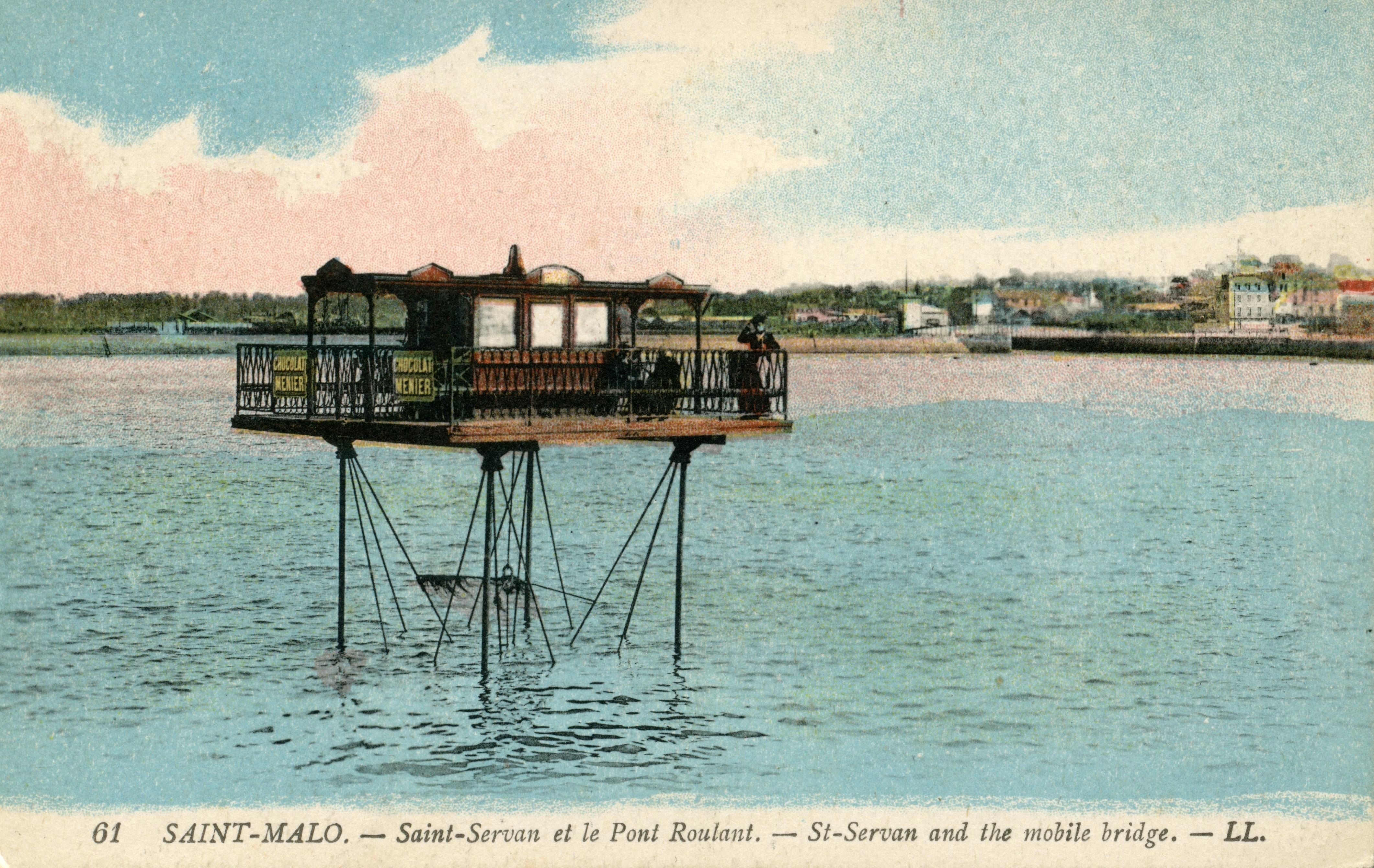
Pulled by a steam engine (electrified from 1909) along a set of rails on wheels 1 metre in diameter. The 7 metre x 6 metre platform stood about 11 metres above the rails and could take 50 passengers, the whole weighing around 14 tonnes. A two-tier ticket pricing system saw indoor passengers pay double, with each trip lasting about two minutes Transit had to account for commercial shipping, which took priority. In 1874 it made the round trip an average of 11 times per day. On 8 November 1922 a Norwegian ship broke its moorings and struck the vehicle, causing significant damage that resulted in permanent closure. A similar mobile bridge operated at Brighton in the UK over a 4.5 km route (a 35 minute trip) from 1896 to 1901.
by SebastianPhr
![[Ferrari Roma Spyder]](https://www.evshift.com/wp-content/uploads/2026/01/1768493287_nnukaifqcjdg1-770x515.jpeg "[Ferrari Roma Spyder]")



![Let's gooooo🎉 [red bull mini]](https://www.evshift.com/wp-content/uploads/2026/01/mr0lbjmvsidg1-770x515.jpg "Let’s gooooo🎉 [red bull mini]")