Hybrid vs Plug In Hybrid: What’s the Real Difference(Must Know Before You Buy!)
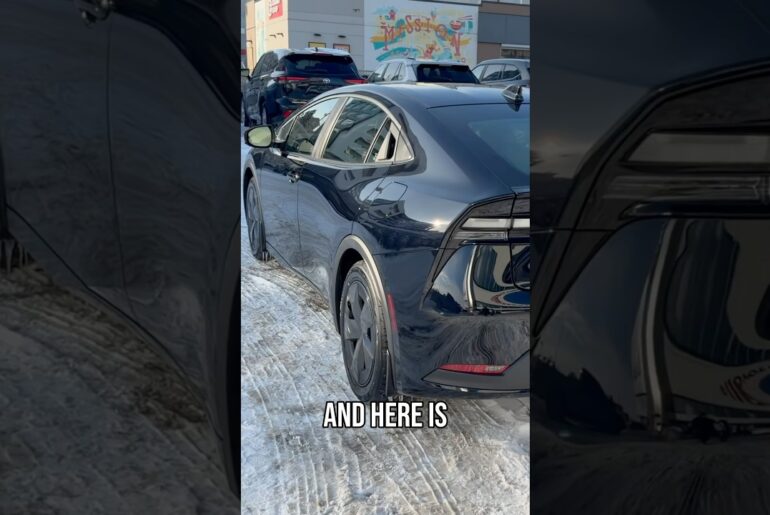
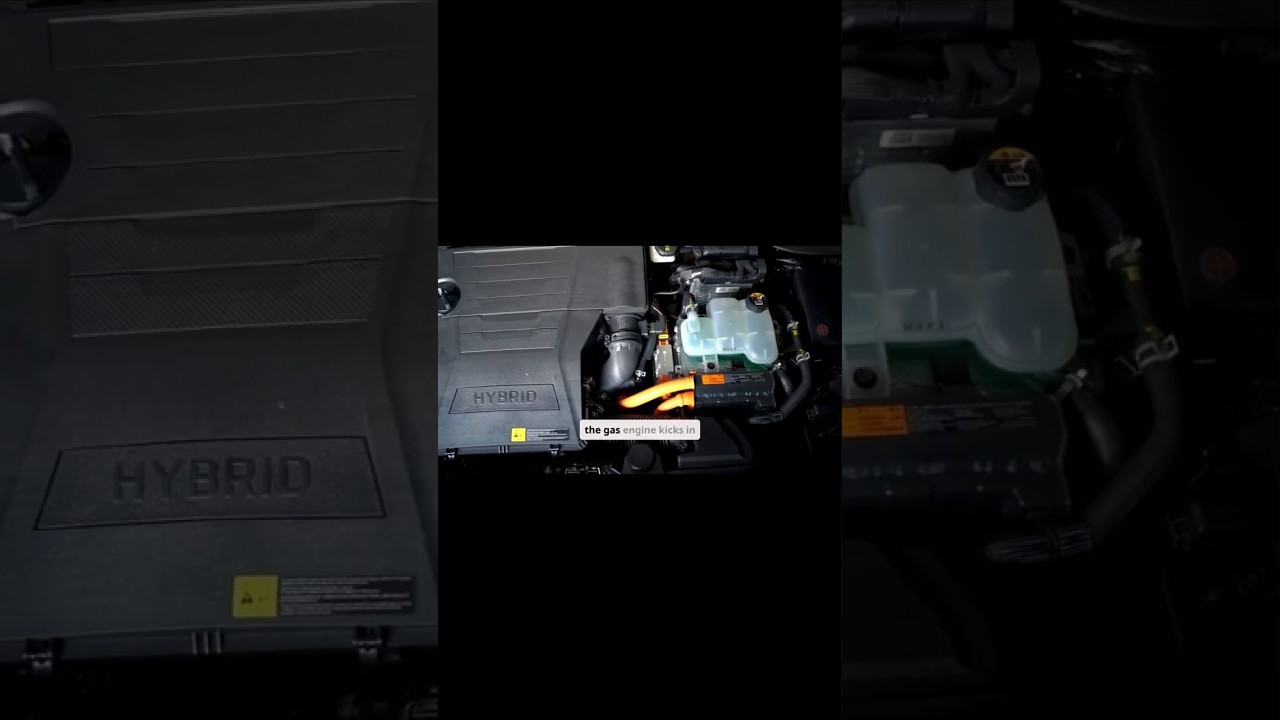
You’ve seen them on the road hybrids and plug-in hybrids. They look almost identical. They both combine a gasoline engine with an electric motor, but under the hood, they work very differently. And if you’re thinking about buying one, this difference really matters. Let’s start with the basics. A traditional hybrid like the Toyota Prius runs mostly on gasoline. The electric motor supports the engine during acceleration or low-speed driving, and it helps improve fuel efficiency. The battery charges itself through regenerative braking and by siphoning energy from the gas engine. You don’t need to plug it in ever. A plug-in hybrid or PHEV takes things further. It has a much larger battery, large enough that the car can run entirely on electric power for a while, typically 30 to 60 km, without using a single drop of gas. But when the battery runs low, the gas engine kicks in automatically. That’s why they call it plug-in. You charge it like an EV from a wall outlet or public charger. And for many people, that means you can do your daily commute without ever burning fuel.
Hybrid vs Plug-In Hybrid — what’s the real difference, and which one should you choose? Techie Tales breaks down the key differences in charging, fuel efficiency, and costs so you know exactly what fits your lifestyle.
If you’ve been thinking about upgrading to a greener car, this quick guide will help clear the confusion.
Subscribe to Techie Tales for more sharp, bite-sized breakdowns on cars, tech, and the future of driving!
#hybridcars #pluginhybrid #evs #cartech #futureofcars #sustainabledriving #techietales #shorts #viralshorts #fypシ シ #fypシ シ゚viral #fypシ