GM CEO: “This New Engine That Will OBLITERATE All Electric Cars!”
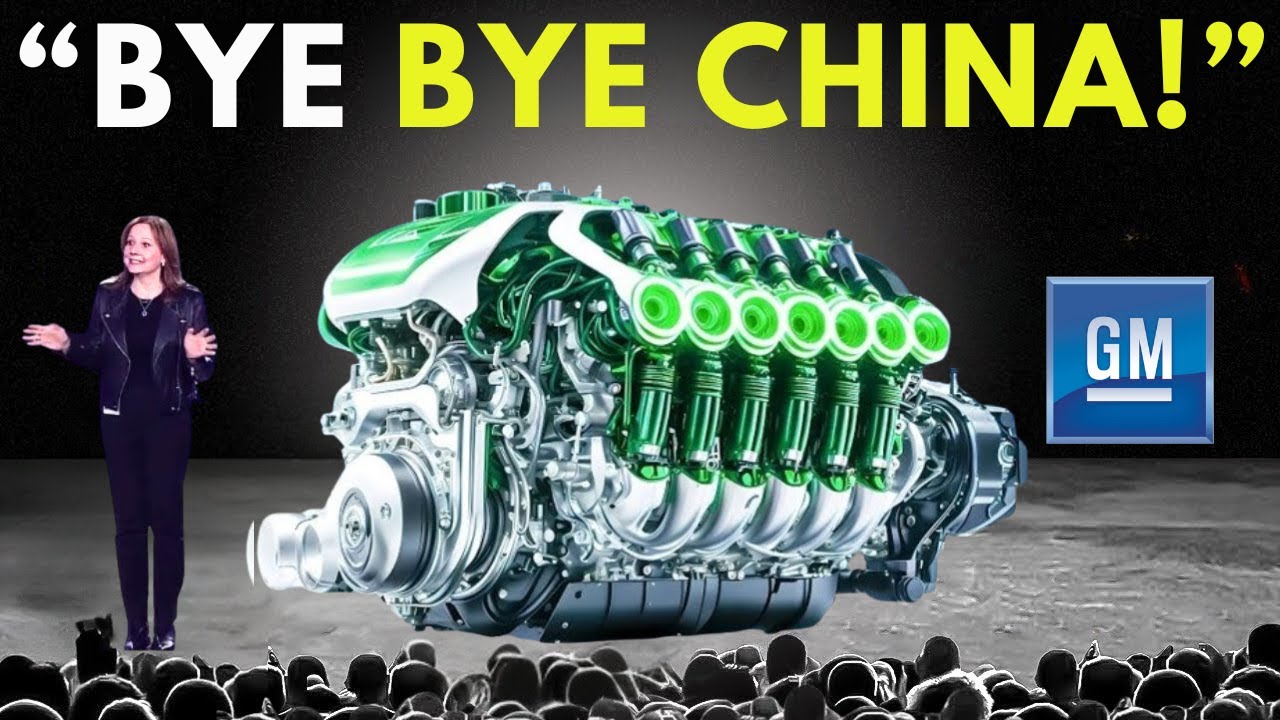
Modern crate engines come pre-certified and tuned before even hitting the market. Recently, Mary Bar, CEO of General Motors, dropped an announcement that sent shock waves through the automotive world. In an unexpected move, she unveiled a groundbreaking internal combustion engine technology that, as she suggests, could shake up the electric vehicle industry entirely. While the global trend has been speeding toward electrification, this bold strategy from one of the largest car makers challenges the widely accepted belief that the future is purely electric. Bar’s announcement signals a renewed focus on internal combustion engines and sparks significant questions about where the auto industry is really headed next. For the past decade, the automotive industry has been embroiled in a transformative journey towards electrification. Governments worldwide have been imposing stricter emission regulations while car manufacturers have been racing to develop electric vehicles that meet the growing demand for environmentally friendly transportation. Companies like Tesla with its range of highly successful electric vehicles have largely dominated the conversation pushing the narrative that the future of mobility is electric. However, GM’s latest move under Bar’s leadership could shift the landscape in unforeseen ways. The new engine technology unveiled by GM is said to combine the best of both worlds, the power and reliability of traditional internal combustion engines with unprecedented levels of fuel efficiency and reduced emissions. According to Barra, this new engine is designed to outperform even the most advanced electric vehicles in terms of range, cost, and overall environmental impact. While the specifics of the technology remain under wraps, GM has hinted that it involves advanced materials, cuttingedge combustion techniques, and innovative engineering that dramatically reduces energy loss and enhances fuel combustion efficiency. One of the key advantages that this new engine purportedly offers is its ability to match and even exceed the range of electric vehicles without the need for frequent recharging. Range anxiety has been one of the main concerns for potential EV buyers with many consumers hesitant to switch to electric due to the perceived limitations in how far they can travel on a single charge. Despite advancements in battery technology, charging infrastructure remains inconsistent, particularly in rural and less developed areas. GM’s new engine, on the other hand, leverages the widespread availability of gasoline and other fuels, providing a level of convenience that electric vehicles are still striving to achieve. Moreover, the new engine technology promises a significant reduction in carbon emissions, which has been one of the driving factors behind the push for electric vehicles. Traditional internal combustion engines have long been criticized for their environmental impact, particularly due to their greenhouse gas emissions. However, GM claims that their new engine will incorporate advanced catalytic converters, exhaust gas recirculation systems, and other emission reducing technologies that could rival the low emissions of electric vehicles, especially when considering the entire life cycle of the vehicle, including manufacturing and disposal. Bar’s announcement has not only shaken the foundations of the EV industry, but has also sparked intense debate within the broader automotive community. Many industry experts are questioning whether this new technology could indeed reverse the current trend toward electrification or whether it is simply a temporary innovation that will eventually give way to the inevitable rise of electric vehicles. The timing of the announcement is particularly intriguing given that GM itself has been heavily investing in electric vehicles with plans to phase out gasoline powered cars entirely by the year 2035. This new engine appears to be a strategic pivot or at the very least a hedge against the uncertainty of an allectric future. In the context of the broader automotive landscape, GM’s new engine could pose a significant challenge to other car manufacturers who have bet heavily on electric vehicles. Companies like Ford, Volkswagen, and BMW have all committed substantial resources to electrification. If GM’s new engine technology delivers on its promises, it could force these companies to reassess their strategies and potentially slow down or alter their electrification plans. Other EV manufacturers are likely to respond by investing in technologies that enhance the practicality and appeal of electric vehicles, focusing on innovation in battery technology, charging infrastructure, and vehicle design to stay competitive. GM’s new engine technology could also disrupt the traditional automotive supply chain, providing a lifeline to suppliers who have been struggling to adapt to the new reality of electrification. Companies that produce engine components, transmissions, and other parts specific to internal combustion engine vehicles could see a resurgence in demand. However, this could create tension within the supply chain as suppliers face uncertainty about which direction the market will ultimately take, potentially leading to increased industry consolidation as larger companies acquire smaller firms to meet the demands of both internal combustion engine and electric vehicle markets. Consumer perception will play a crucial role in determining the success of GM’s new engine technology. Over the past decade, there has been a significant shift in consumer attitudes towards electric vehicles driven by environmental concerns, rising fuel prices, and the appeal of new technology. Many consumers associate electric vehicles with progress and sustainability, while internal combustion engines are increasingly seen as outdated. To overcome this perception, GM will need to position its new engine as a revolutionary step forward, highlighting its efficiency, lower emissions, and practical advantages like longer range and quicker refueling times through a comprehensive marketing campaign. Ultimately, the success of this technology will depend on its real world performance and acceptance. If GM can demonstrate that its new engine delivers on its ambitious promises in a cost-effective manner, it could carve out a substantial market segment. This would present consumers with a powerful third choice beyond traditional internal combustion engines and full electric vehicles, potentially delaying the projected timeline for a complete industry shift to electrification. The announcement also raises important questions about infrastructure investment. A significant portion of both public and private funding has been directed towards building a comprehensive electric vehicle charging network. If internal combustion technology regains a strong competitive edge, it could impact the pace and scale of these investments. Governments and businesses may face, you know, some difficult decisions about allocating resources between supporting a new electric infrastructure and maintaining the existing fuel-based system. This development from GM underscores a broader theme in the automotive industry. The future of transportation may not be a single monolithic solution. Instead, the market is likely to diversify, offering a spectrum of power trains tailored to different needs, regions, and consumer preferences. Electric vehicles may dominate in urban areas with strong charging support. While advanced internal combustion engines, hybrids, and even hydrogen fuel cell vehicles could honestly find their niches in long haul transportation and rural communities, GM’s bold move has reignited a crucial debate about the most practical and sustainable path forward for personal and commercial transportation. It challenges the industry to reconsider assumptions and encourages a more nuanced conversation about energy efficiency, total environmental impact, and consumer choice. The road ahead is no longer a straightforward path to an all-electric future, but a more complex and interesting landscape of competing technologies. The coming years will be a critical period of validation as the industry and consumers alike wait to see if GM’s new engine can truly deliver a revolution or if it will be remembered as a final sophisticated evolution of the internal combustion era. Brand loyalty will also be a significant factor. GM has a strong legacy in the automotive industry with a loyal customer base that spans generations. Many of these customers have a deep connection to the brand, particularly when it comes to iconic models. GM will need to leverage this brand loyalty to encourage its existing customers to embrace the new engine technology rather than, you know, switching to a competitor’s electric vehicle.
In this video, we look at GM CEO Mary Barra’s bombshell statement about a game-changing new engine that has the potential to upset the whole electric vehicle (EV) industry. As GM strengthens its commitment to innovation and sustainability, this latest move could cause problems for important competitors like as Tesla, Rivian, and Ford. We look at the specifics of this breakthrough engine, its possible impact on the future of electric vehicles, and what this implies for the overall automotive industry.
As the electric vehicle market expands, with businesses like Tesla leading the way, GM’s announcement might signify a watershed moment. Mary Barra’s bold comment calls into doubt not only the dominance of EV makers, but also the industry’s future trajectory. Will this new engine replace electric vehicles, or will it usher in a new era of competitiveness and technical advancement?
Join us as we examine GM’s strategic initiatives and compare them to those of other big automakers such as Ford, which has made significant investments in its electric F-150 Lightning, and Rivian, a rising star in the EV market. We’ll talk about how this new engine technology could affect the market, either changing customer preferences back to internal combustion engines (ICE) or pushing the frontiers of hybrid powertrains.
Don’t miss this in-depth look at one of the most momentous announcements in the automobile industry today. Stay tuned as we unearth the truth behind Mary Barra’s game-changing declaration.
this new engine will destroy the entire ev industry,engine will destroy the car industry!,engine will destroy the ev industry!,the engine will destroy the ev industry!,this engine will destroy the ev industry,mary barra,gm’s new decision shocks the entire car industry,mary barra gm,mary barra interview,hydrogen combustion engine,new car engine,ev industry,hydrogen engine,toyota new engine,toyota ceo this new engine will destroy the entire ev industry