15 Most Overhyped Electric Motorcycles of All Time!
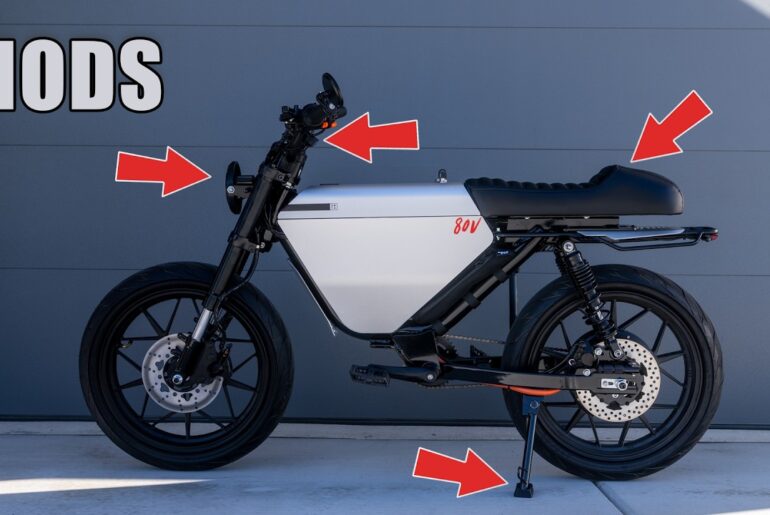
Every electric motorcycle launch promises to revolutionize transportation, but none mention the brutal truth about failure rates. What if I told you that over 90% of electric motorcycle startups collapse before delivering a single bike? That’s not pessimism. It’s the hidden reality of an industry built on broken promises. Imagine placing a deposit on your dream electric bike only to discover the company vanished overnight with your money. In this countdown, I’m exposing the 15 most overhyped electric motorcycles that crashed harder than any rider ever could. And trust me, the number one choice will shock you. It’s so overpromised that 5 years later, not one customer has received their bike. Watch every entry because this isn’t just entertainment. It’s the difference between smart investing and becoming another victim of motorcycle vaporware. Number 15, Royer Motorcycle Company. Starting our countdown at number 15 is Rorow Motorcycle Company. A name that once carried weight in American motorcycle manufacturing. While specific details about their electric ventures remain scarce, their inclusion in the graveyard of defunct US motorcycle brands tells a story that’s become all too familiar in the electric vehicle space. Rowair represents the countless ambitious startups that enter the electric space with big dreams but lack the resources, expertise or market understanding to survive. The company likely follow the same playbook we see repeated throughout this industry. Secure initial funding, create buzz around revolutionary concepts, then discover that building motorcycles is infinitely more complex than building PowerPoint presentations. The electric motorcycle industry attracts entrepreneurs who see Tesla’s success and assume they can replicate that magic with two wheels. What they don’t realize is that motorcycles present unique challenges that cars don’t face. Weight distribution becomes critical when you only have two contact patches with the ground. Battery packaging is constrained by the need to maintain proper center of gravity. Their failure serves as a reminder that good intentions and initial funding aren’t enough in an industry that demands precision engineering, supply chain mastery, and deep pockets for the long haul. The electric motorcycle sector is littered with companies that thought passion could overcome manufacturing realities. Number 14, Highland. Highland Motorcycles sits at number 14. Another casualty in the electric motorcycle battlefield. Like many American manufacturers, Highland entered the market during the early wave of EV enthusiasm when government incentives were flowing and environmental consciousness was rising among consumers hungry for alternatives to traditional motorcycles. The timing seemed perfect for Highland’s entry. Federal tax credits were making electric vehicles more affordable. States offered additional rebates. Environmental regulations were tightening on traditional engines. Urban areas were implementing low emission zones that favored electric transportation. Everything pointed to opportunity for electric motorcycle startups. But timing alone doesn’t guarantee success in an industry where execution is everything. Highland’s demise highlights a critical truth. Being based in the United States with all the theoretical advantages that brings still isn’t enough to guarantee survival. American companies should theoretically have easier access to venture capital, better supply chain relationships, and deeper understanding of their home market. Yet, Highland discovered that these advantages mean nothing if your fundamental business model is flawed. The company likely struggled with the same issues that destroy most electric motorcycle startups. underestimating manufacturing costs, overestimating market demand, and lacking expertise to navigate complex regulatory approval processes. Number 13, Evolve Motorcycles. Number 13 on our list is Evolved Motorcycles, a company whose name ironically suggested adaptation and growth. Instead, they evolved right out of existence. The irony wasn’t lost on industry observers who watched yet another promising startup flame out. Despite having a name that implied they understood the need for constant adaptation, Evolve represents the broader pattern we see throughout this industry. Companies that start with revolutionary ideas but fail to evolve their business models fast enough to match manufacturing demands and market expectations. The electric motorcycle space attracts visionaries who can imagine incredible futures but struggle with mundane realities of supply chain management, quality control, and customer service. The company’s name suggested they understood Darwin’s principle. It’s not the strongest species that survive, but those most adaptable to change. Yet, Evolve failed to apply this wisdom to their own business strategy. They likely spent too much time perfecting their vision and not enough time adapting to market feedback, regulatory changes, and supply chain disruptions. Their failure wasn’t about one bad decision, but systematic challenges that plague every electric motorcycle startup. securing sustainable funding beyond initial rounds, managing complex international supply chains during global disruptions, and finding customers willing to take expensive chances on unproven technology from unknown brands. Number 12, Onyx RCR. Coming in at number 12 is the Onyx RCR. A motorcycle that actually made it to market but couldn’t stick the landing. The RCR gained a cult following for its retro inpired design and impressive performance that blurred the lines between emoped and full motorcycle. The bike looked like it had been designed by someone who understood both vintage aesthetics and modern performance requirements. On paper, it seemed like a winner. Fun, fast, and nimble for urban commuting with enough style to turn heads at every stoplight. Early reviews praised its unique character and surprising capability. The company had cracked the design code, creating something that felt both nostalgic and futuristic. But building a cool motorcycle and running a sustainable business are entirely different skill sets. The problem wasn’t the bike itself, but everything around it. Customers began reporting nightmarish experiences with customer service, unresolved back orders, and complete lack of refunds when things went wrong. Simple warranty claims became month-long battles. parts availability became a joke. The company became so unreliable that they had to issue public warnings about aftermarket scams and unauthorized repair shops. The Onyx RCR proves that building a great motorcycle is only half the battle. Supporting it after the sale separates real companies from ambitious failures. You can have the coolest product in the world, but if customers can’t get help when they need it, your brand becomes toxic faster than you can imagine. Number 11, Brammo Impulse. At number 11, we have the Brammo Impulse. A true pioneer that deserves respect for blazing the trail, even if it couldn’t complete the journey. Brammo made headlines by partnering with Best Buy to sell electric motorcycles in retail stores. A radical move that generated enormous publicity and seemed a signal that electric bikes were ready for mainstream America. Walking into a Best Buy and seeing a motorcycle next to laptops and TVs was surreal. It represented hope that electric motorcycles could escape the boutique dealer network and reach regular consumers where they already shopped. The impulse represented a bold vision where buying a motorcycle would be as simple as buying any other electronic device. Unfortunately, the impulse arrived before the technology was ready to fulfill those promises. Performance was underwhelming with a 0 to 60 time of over 16 seconds. Numbers that would embarrass a modern sedan, let alone excite motorcycle enthusiasts. Range was severely limited, making longer rides and exercise in careful planning and frequent stops. Charging took forever, turning quick coffee breaks into hour-long waiting sessions. The bike felt more like an expensive science experiment than a practical transportation solution. Early adopters appreciated the innovation, but mainstream consumers expected their motorcycles to work like motorcycles, not rolling compromises. Brammo’s electric division was eventually sold to Polaris, marking the end of one of the industry’s earliest serious attempts at mass market electric bikes. Number 10, Victory Impulse TT. Number 10 brings us the Victory Impulse TT, which inherited Brammo Technology when Polaris acquired the brand. This should have been the moment when a major American manufacturer legitimized electric motorcycles. Polaris had everything Brammo lacked: resources, distribution network, manufacturing expertise, and dealer relationships to make electric bikes work. The Victory brand had a strong reputation among American riders and Polaris backing meant parts, service, and warranty support would be available nationwide. This was supposed to solve all the problems that had plagued earlier electric motorcycle attempts. No more fly by night startups or questionable customer service. This was the real deal from a company that understood motorcycles. Instead, the Victory Impulse TT became collateral damage in a corporate restructuring. Just one year after launch, Polaris announced they were shutting down the entire Victory Brand due to poor sales and profitability issues across the lineup. The electric motorcycle wasn’t the problem. The entire Victory brand was bleeding money and dragging down Polaris’ performance. The Impulse TT wasn’t necessarily a bad motorcycle, but it was tied to a sinking ship. This case study shows how even promising products can fail when larger business forces come into play. Sometimes the best technology and strongest backing aren’t enough if corporate priorities shift. The Victory Impulse TT died not because it failed, but because its parent brand failed to find sustainable market positioning. Before we continue, if you’re finding this breakdown of electric motorcycle failures as fascinating as we are, make sure to subscribe for more deep dives into the tech industry’s biggest disappointments and surprises. Number nine, Cake. Sliding into number nine is Cake. The Swedish startup that captured hearts with their minimalist Instagram worthy electric bikes. Cake understood aesthetics better than almost any other electric motorcycle company. Their bikes looked like they belonged in modern art museums. Clean lines, lightweight frames, and a design philosophy that screamed premium lifestyle brand. The company’s marketing was brilliant, positioning their bikes as the intersection of Scandinavian design and sustainable transportation. They collaborated with major automotive brands and received glowing coverage from design publications that typically ignored motorcycles. Their Instagram feed looked professionally curated, featuring stunning photography that made their bikes appear essential for modern urban lifestyle. The problem was that looking good doesn’t pay bills. Despite aesthetic success, critical acclaim, and collaborations with major brands, Cake filed for bankruptcy in early 2024. Their buck dirt bike retailed for almost $10,000, pricing out the very urban commuters they claim to serve. Cake proved that cool factor in design awards don’t translate to sustainable business when your target market can’t afford your product. Number eight, Enerica. At number eight, we encounter Inurgica. Often called the Tesla of motorcycles, a comparison that generated massive hype but highlighted fundamental differences between car and motorcycle markets. Enurgica built genuinely impressive machines with long range, fast charging, and credibility from being sole supplier for Moto E World Cup racing. These weren’t toys. They were serious motorcycles that could compete with gas-powered bikes on technical specifications. The racing pedigree was particularly important for establishing credibility with performance riders who dismissed most electric motorcycles as underpowered curiosities. Seeing enerica bikes competing internationally proved electric power could deliver performance that serious riders demanded. The engineering team clearly understood motorcycle dynamics and thermal challenges of high performance electric systems. The fatal flaw was price. The Enerica Xperia started at over $23,000, putting it out of reach for most riders. Unlike Tesla, which eventually scaled down to more affordable models, Enerica never found a way to bring costs down. The company filed for bankruptcy, proving that being technically superior isn’t enough if your market can’t afford your innovation. Number seven, Alta Motors Redshift. Number seven brings us one of the most tragic stories on this list, the Alta Motors Redshift. Unlike many entries here, Alta actually delivered on their promises. The Redshift dirt bikes were genuinely revolutionary, earning praise from riders and reviewers who called them the best electric off-road bikes ever made. Alta had cracked the code on electric dirt bike performance, creating machines that could challenge gas powered competitors in demanding conditions. Professional motocross riders who tested Alta bikes were impressed by instant torque delivery, precise throttle control, and elimination of clutch work that allowed focus online selection. The bikes offered advantages gasoline engines couldn’t match. Perfect power delivery from zero RPM, no engine braking to manage, and whisper quiet operation that opened noise restricted riding areas. Then in 2018, everything ended. Alta suddenly ceased operations after a failed investment deal with Harley-Davidson. This wasn’t about a bad product or unrealistic promises. This was about the fragile nature of startup funding in a capitalintensive industry. Alta’s failure haunts the industry because it showed that even when you build the perfect product, success isn’t guaranteed. The collapse eliminated the most promising electric dirt bike technology just when the market was embracing electric off-road riding. Number six, Arc Vector. At number six, we have the Ark Vector. A motorcycle so ambitious it seemed to come from another planet. With hub center steering, carbon monoke chassis, and integrated smart helmet, the Vector looked like science fiction. The company claimed 271 milei range and priced their masterpiece at 90,000 lb sterling. The arc vector represented ultimate money is no object engineering. But that approach proved fatal. Production delays mounted as complexity became clear. Cost overruns spiraled out of control. The company struggled with what they called sheer complexity and cost of bringing their ambitious design to market. Distribution issues in the US created additional obstacles. One forum member perfectly captured the problem, noting that at this price point, you’re not buying transportation. You’re buying a display piece. The Ark Vector failed because it prioritized engineering spectacle over practical utility. Revolutionary hubcenter steering, carbon construction, and smart helmet integration created a motorcycle that was more concept than practical machine. The gap between ambitious vision and market reality proved insurmountable. Number five, Harley-Davidson Livewire 1. Coming in at number five is perhaps the most shocking failure on our list, the Harley-Davidson Livewire 1. This wasn’t some unknown startup. This was Harley-Davidson, the most iconic name in American motorcycleycling. Backed by celebrity endorsements from Jason Mimoa and Yan McGregor, the company spun off LiveWire with hundreds of millions in investment. Everything should have worked. Instead, it became a masterclass in how not to launch an electric motorcycle. Sales were catastrophic. Just 597 bikes in 2022 and 660 in 2023. The company slashed prices from over 27,000 to under $17,000, but even massive discounts couldn’t save it. The LiveWire 1 wasn’t a bad motorcycle. Reviewers praised its performance and build quality. The failure was cultural. Harley riders buy into an experience. The rumble, vibration, and sensory overload of a big V twin engine. The LiveWire delivered none of that, creating fundamental disconnect between product and target market. The most legendary brand in motorcycleycling couldn’t overcome the fact that their core customers wanted an experience that electric power simply couldn’t provide. Number four, Sondor’s Metycle. Number four on our countdown is the Sondor’s Metycle, a bike that promised to democratize electric motorcycles with a $5,000 price point and futuristic styling. The Metycle looked like it had rolled out of a cyberpunk movie. And at that price, it seemed too good to be true. It was. Sondors required full payment upfront, generating enormous cash flow, but creating massive risk for customers. Deliveries crawled along with some buyers waiting years for their bikes. When Metacy finally arrived, they were missing key features like removable batteries and regenerative braking that had been promised during marketing. Then came the final blow. The company collapsed, leaving thousands of partially assembled bikes abandoned in a Chinese factory. The Sondor’s meta cycle represents everything wrong with the crowdfunding approach to complex manufacturing, big promises, upfront payments, and inevitable disappointment when reality meets ambition. The business model was fundamentally flawed from the start, using customer money to fund operations while providing no guarantees of delivery. Number three, Mission R and Mission RS. Taking the bronze medal at number three is Mission Motorcycles with their R and RS models. Mission was supposed to be different. They were early pioneers in electric sport bikes backed by serious technology and engineering talent. The Mission R demonstrated legitimate performance with 150 mph top speed and sophisticated internet connected systems that put them years ahead of competition. Industry experts took them seriously. Reviewers praised their innovation. Everything pointed to success. The technology was so impressive that major manufacturers were monitoring Mission’s progress and considering partnerships that could have provided resources for large-scale production. Professional journalists predicted Mission would be among the first electric companies to achieve mainstream success. Then in 2015, Mission filed for Chapter 7 bankruptcy without delivering a single production bike to customers. Internal fighting between co-founders combined with massive costs of scaling production destroyed the company from within. Mission’s failure was particularly devastating because their prototypes proved high performance electric motorcycles were possible. They had technology, talent, and vision, but couldn’t translate engineering brilliance into business success. Number two, Fuel Follow. At number two, we have the Fuel Follow. A project that should have succeeded based on pedigree alone. When Eric Buell, legendary motorcycle designer behind Bule Motorcycles, announced his new electric venture, the industry paid attention. Bule’s reputation attracted over $1.5 million in crowdfunding, proving people believed in his vision for urban electric mobility. Bule’s previous motorcycles had earned cult followings among riders who appreciated unconventional engineering solutions. His name carried enormous weight with enthusiasts who understood his contributions to motorcycle dynamics and frame design. The flow was positioned as practical urban commuting that would incorporate decades of engineering experience with modern electric technology. That faith was misplaced. Despite significant funding in Bule’s engineering legacy, fuel filed for Chapter 7 bankruptcy, the company couldn’t cover basic labor costs and manufacturing expenses needed to build and ship bikes. Company assets were auctioned off, leaving crowdfunding backers with nothing but disappointment. The fuel flows failure demonstrates that even legendary designers can’t overcome fundamental challenges of modern motorcycle manufacturing when business models can’t support production realities. Number one, Damon Hypersport. Finally taking the top spot as the most overhyped electric motorcycle of all time is the Damon Hypersport. Unveiled at CES 2020 with specifications that seemed impossible. 200 horsepower, 200 mph top speed, and 200 m of range. Damon’s marketing focused on revolutionary features like AI powered safety systems and shape-shifting ergonomics that could transform the bike from sport to touring configuration on command. The hype was incredible. Investment poured in. Media coverage was extensive. Pre-orders stacked up. 5 years later, not a single Hypersport has been delivered to a customer. The company has been plagued by constant manufacturing delays, facility relocations, massive layoffs, and executive departures. The AI powered co-pilot system was supposed to use cameras and sensors to warn riders about dangers before they became critical. The shift technology promised to change ergonomics without stopping. These weren’t incremental improvements. They represented fundamental rethinking of what motorcycles could become. The marketing suggested Damon was creating the world’s first truly intelligent motorcycle. The Damon Hypers Sport represents ultimate vaporware. A product that exists only in marketing materials and investor presentations. It’s overhyped because the gap between promise and reality isn’t just wide, it’s infinite. No clear path exists from current situation to actual customer deliveries, making it the perfect example of how ambitious visions can become expensive lessons in the unforgiving world of motorcycle manufacturing. While these motorcycle companies promised the moon and delivered nothing, the electric bike industry has its own overpriced disappointments that actually made it to market. Check out our breakdown of 12 popular electric bikes that just aren’t worth it. [Music]
Every electric motorcycle launch promises to revolutionize transportation, but none mention the brutal truth about failure rates. What if I told you that over ninety percent of electric motorcycle startups collapse before delivering a single bike? That’s not pessimism – it’s the hidden reality of an industry built on broken promises. Imagine placing a deposit on your dream electric bike only to discover the company vanished overnight with your money.
▶️ Watch more videos from Tech Charge: 🔋
_____________________________________________
The UGLY Truth About Electric Cars…
_____________________________________________
When Will Electric Cars Become Affordable
_____________________________________________
The INSANE History of Electric Cars
_____________________________________________
This Tiny EV is a HUGE SUCCESS
_____________________________________________
First EV to Reach 1000 MILES Range
_____________________________________________
The First EV to Reach 1,000 km Range
_____________________________________________
🔔 Subscribe: https://bit.ly/30vR5eV