23 Most Affordable Electric Bikes With Great Range
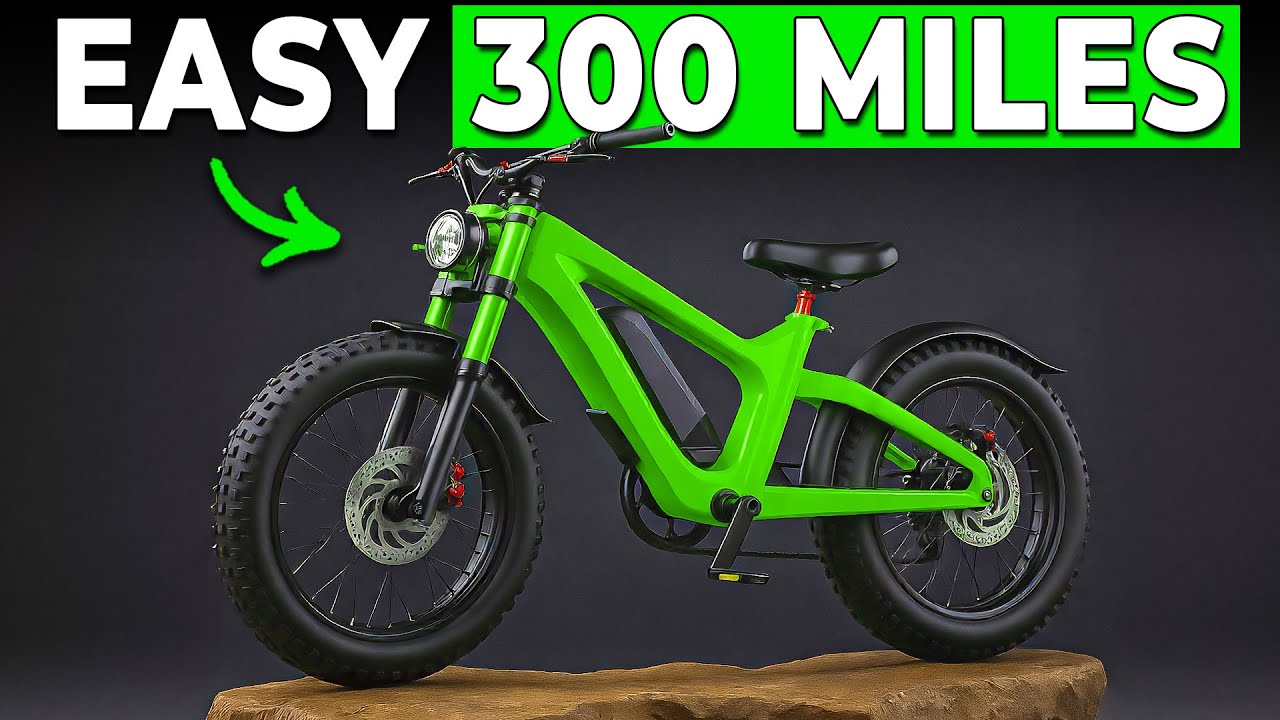
Every electric bike review obsesses over motor power and top speed, but they’re hiding the devastating truth about range. What if I told you that most affordable ebikes will strand you miles from home with a dead battery? That’s not an exaggeration. Range anxiety destroys more ebike dreams than any other factor. Picture this. You finally buy that budget ebike promising 50 mi of range only to discover it barely makes 15 miles before dying completely. The shocking reality, most cheap ebikes use garbage batteries that fail catastrophically within months. We’re talking about bikes that catch fire, explode during charging, or simply stop working after a few dozen rides. The CPSC has recalled tens of thousands of these death traps, but new ones keep flooding the market every day. In this countdown, I’m exposing the 23 most affordable electric bikes that actually deliver the range they promise without burning your house down. And the number one pick is so efficient that riders routinely get double the advertised range. Something that seems impossible until you understand the engineering behind it. Don’t skip ahead because this isn’t just about saving money. It’s about avoiding the expensive disasters that have left thousands of buyers with useless bikes and empty wallets. Number 23, generic hub motor models, $400 to $600. Starting at number 23, we have the category that appears most tempting but requires the most caution. Generic hub motor ebikes flooding online marketplaces promise incredible value with ranges up to 50 m and prices under $600. These bikes typically feature 250 to 500 W hub motors paired with basic lithium ion battery packs. The appeal is obvious. Entry-level pricing with advertised ranges that compete with much more expensive models. However, the reality rarely matches the marketing. Most users report actual ranges of 15 to 20 m under normal riding conditions, not the 30 to 50 mi advertised. The batteries often use lower grade cells that degrade quickly, meaning that already limited range shrinks further after just a few months of use. Quality control issues plague this category. Mechanical problems, electrical failures, and safety concerns are common complaints. Customer support is typically non-existent, leaving buyers to solve problems on their own. While the initial price seems attractive, the total cost of ownership often exceeds more expensive alternatives once repairs and replacements are factored in. Number 22, folding commuter models, $500 to $800. Moving to number 22. Folding commuter ebikes in the $5 to $800 range offer portability with modest range capabilities. These compact bikes typically provide 25 to 35 mi of range, making them suitable for shorter commutes and last mile transportation. The folding mechanism adds versatility for users with limited storage space or those who need to transport their bike in a car. Most models in this price range feature 350 to 500 W motors and battery capacities between 400 to 600 W hours. While not groundbreaking, this combination provides adequate performance for urban environments. The trade-off for portability often comes in comfort and stability. Smaller wheels and compact frames can make longer rides less comfortable, and the folding joints may develop play over time. However, for specific use cases where portability is essential, these bikes can provide decent value despite their limitations. Number 21, department store brands, $600 to $900. At number 21, department store ebike brands offer familiar retail environments and seemingly reliable warranties. These bikes typically advertise ranges of 30 to 40 m and come with the perceived security of purchasing from established retailers. The major advantage is accessibility. You can see and touch the bike before buying and returns are generally straightforward. Many models feature decent component specifications on paper, including name brand drivetrains and brake systems. The price point often includes assembly services, removing the complexity of setup. Unfortunately, the reality often disappoints. Build quality is frequently inconsistent with reports of misaligned wheels, poor cable routing, and substandard welds. The advertised ranges rarely translate to real world performance, and the specialized nature of ebike repairs means most department store service departments lack the expertise to handle complex issues. Number 20, basic mountain ebike styles, $700 to $1,000. [Music] Number 20 brings us to entry-level mountain ebike styles that combine off-road aesthetics with commuter practicality. These bikes typically offer 30 to 40 mi of range and feature more robust frames designed to handle varied terrain. The mountain bike styling appeals to riders who want versatility beyond just commuting. Most models include front suspension, wider tires, and more aggressive riding positions. Motor power usually ranges from 500 to 750 W, providing adequate hill climbing ability for moderate inclines. However, true mountain biking capability is limited. The suspension systems are basic. The frame materials are often heavy steel rather than lightweight alloys, and the components are typically entry level. While these bikes can handle light trail use, they’re better suited to urban environments with occasional gravel pass. Number 19, direct to consumer startups, $800 to $1,200. At number 19, direct to consumer ebike startups promise premium features at mid-range prices through online sales models. These companies often advertise ranges of 40 to 60 m while eliminating traditional retail markups. The startup approach allows for innovative features and modern designs that might not appear in traditional retail channels. Many focus on specific niches like urban commuting or cargo hauling, optimizing their designs for particular use cases. Customer service is often more responsive than larger corporations, and warranty support can be surprisingly comprehensive. The risk lies in company longevity and parts availability. Startup companies may disappear, leaving customers without support or replacement parts. Additionally, the direct to consumer model means you can’t test ride before purchasing and returns can be complicated and expensive. Number 18, established brand entry models, $900 to $1,300. Number 18 features entry-level models from established ebike manufacturers. These bikes typically provide 40 to 50 mi of range while benefiting from proven company track records in established dealer networks. Established brands bring experience in bicycle manufacturing, resulting in better frame design, component selection, and quality control. Warranty support is generally reliable, and replacement parts remain available for years after purchase. The bikes often feature more conservative specifications that prioritize reliability over flashy features. The downside is often dated technology and higher prices compared to newer companies offering similar specifications. Established brands may be slower to adopt new battery technologies or motor innovations, meaning you might get proven but older systems rather than cutting edge performance. Number 17, Cargo eBike adaptations, $1,000 to $1,400. At number 17, Cargo eBike adaptations offer exceptional utility combined with impressive range capabilities of 50 to 70 m. These bikes feature extended frames, powerful motors, and large battery packs designed to handle heavy loads while maintaining substantial range. The cargo capacity transforms these bikes into car alternatives for families and businesses. Most models can carry significant weight while still providing enough range for daily errands and commuting. The larger battery packs required for cargo hauling also benefit unloaded riding with extended range. However, these bikes are significantly larger and heavier than standard ebikes, making storage and transport challenging. The extended wheelbase affects handling, particularly in tight spaces. When not loaded with cargo, the extra weight and size can make these bikes feel cumbersome for simple transportation needs. Number 16, mid drive conversion kits, $800 to $1,200 complete. Number 16 represents mid drive conversion kits that transform existing bicycles into ebikes with impressive range potential. When combined with quality donor bikes, these systems can deliver 50 to 80 mi of range depending on battery selection. The major advantage is customization. You can choose exactly the bike frame, components, and battery capacity that suit your needs. Mid drive systems provide natural pedaling feel and efficient power delivery, often resulting in better range than comparable hub motor systems. Highquality donor bikes can result in better overall performance than similarly priced complete ebikes. Installation requires mechanical skill and specialized tools, making this option unsuitable for many buyers. Warranty coverage becomes complicated when mixing components from different manufacturers. Additionally, the conversion process may void the original bicycle warranty, leaving you without recourse for frame or component failures. Number 15, Fat Tire Adventure models, $1,100 to $1,500. At number 15, Fat Tire Adventure ebikes combine impressive range with go anywhere capability. These bikes typically deliver 40 to 60 mi of range while handling sand, snow, and rough terrain that would challenge standard ebikes. Fat tires provide exceptional traction and comfort, absorbing road imperfections and maintaining grip in challenging conditions. The robust construction handles abuse better than lightweight alternatives, making these bikes suitable for serious adventure use. Battery systems are often larger to compensate for the increased rolling resistance of fat tires. The trade-offs include increased weight, higher rolling resistance on pavement, and often awkward proportions for smaller riders. Fat tires require higher air pressure maintenance and can be more expensive to replace. The increased weight makes manual pedaling more difficult when the battery is depleted. Number 14, urban commuter specialists, $1,200 to $1,600. Number 14 features urban commuter specialists designed specifically for city riding with ranges typically between $50 and 70 mi. These bikes optimize every component for efficiency, reliability, and urban practicality. Commuter specific features include integrated lighting, fenders, racks, and theft resistant components. The geometry prioritizes comfort during longer rides while maintaining efficiency. Motor systems are tuned for stopand go traffic patterns rather than sustained high-speed operation. The specialized nature means these bikes may feel less versatile for recreational riding or off-road adventures. The upright riding position and comfort features can feel sluggish compared to more aggressive designs. Additionally, the urban specific features add weight and complexity that may not benefit all users. Number 13, step through accessibility models, $1,100 to $1,500. At number 13, step through accessibility models prioritize ease of use while delivering impressive range capabilities of 45 to 65 mi. These bikes feature low or absent top tubes, making mounting and dismounting simple for riders with mobility limitations or those wearing restrictive clothing. The accessible design doesn’t sacrifice performance. Modern stepth through frames maintain structural integrity while providing easier access. Many models include adjustable components to accommodate various rider sizes and preferences. The comfortable riding position reduces strain during longer trips. Frame strength can be a concern with step through designs, particularly for heavier riders or cargo applications. The absence of a top tube requires careful engineering to maintain stiffness, and some models may exhibit flex under hard pedaling or rough terrain. The geometry may also limit aggressive riding styles. Number 12, hybrid recreation models, $1,300 to $1,700. Number 12 brings hybrid recreation models that balance commuting capability with weekend adventure potential. These versatile bikes typically offer 50 to 70 mi of range while handling both pavement and light off-road conditions. The hybrid approach provides the most versatility for riders who want one bike for multiple purposes. Component selection typically includes mid-grade parts that offer good performance without premium pricing. The riding position and feature set work well for both practical transportation and recreational riding. The compromise approach means these bikes may not excel in any particular area. Serious off-road riders might find them lacking in capability, while dedicated commuters might prefer more specialized features. The attempt to do everything reasonably well can result in bikes that don’t do anything exceptionally well. Number 11, performance commuter models, $1,400 to $1,800. [Music] At number 11, performance commuter models focus on speed and efficiency while maintaining excellent range of 55 to 75 mi. These bikes feature powerful motors, large batteries, and components designed for sustained high-speed operation. Performanceoriented features include responsive motor systems, efficient drivetrains, and aerodynamic positioning options. The larger battery packs provide extended range even under high power operation. Build quality typically exceeds basic commuter models with better components and more attention to detail. The performance focus often comes at the expense of comfort features and versatility. Aggressive riding positions may not suit all users, and the emphasis on speed over utility can limit practical applications. Higher performance also typically means higher maintenance requirements and potentially shorter component life. Number 10, mid-range mountain ebikes, $1,500 to $2,000. Number 10 features genuine mountain ebikes that combine serious off-road capability with impressive range of 45 to 65 miles. These bikes include quality suspension systems, durable frames, and motor systems designed for demanding terrain. Real mountain biking capability opens up recreational opportunities beyond commuting and transportation. The robust construction handles abuse that would damage lighter bikes, and the component quality supports serious off-road use. Motor systems are typically mid drive units that provide natural power delivery and efficient climbing. Mountain bike features add weight, complexity, and cost that may not benefit users focused primarily on transportation. The aggressive geometry and firm suspension settings can reduce comfort for casual riding. Additionally, the off-road focus often means fewer practical features like lights, fenders, or cargo capacity. If you’re finding this countdown helpful for understanding the ebike market, make sure to subscribe for more in-depth coverage of electric transportation. We’re just getting to the models where affordability truly meets impressive performance. Number nine, premium commuter brands, $1,600 to $2,000. At number nine, premium commuter brands deliver exceptional range of 60 to 80 miles while maintaining the reliability and refinement expected from established manufacturers. These bikes represent the sweet spot where proven technology meets competitive pricing. Premium brands bring years of development experience resulting in refined motor systems, sophisticated battery management, and optimized component integration. The build quality consistently exceeds expectations and long-term reliability is generally excellent. Dealer networks provide local service and support. The premium positioning often means paying for brand reputation and marketing in addition to actual performance improvements. Feature sets may be conservative compared to newer companies pushing technological boundaries. Additionally, premium brands typically have longer product development cycles, potentially missing the latest innovations. Number eight, touring and adventure specialists, $1,700 to $2,000. Number eight showcases touring and adventure specialists designed for long-distance riding with ranges often exceeding 80 mi. These bikes optimize every system for efficiency and reliability during extended trips away from charging infrastructure. Touring specific features include robust construction, comprehensive gear ranges, and provisions for significant cargo. The electrical systems are designed for reliability over peak performance with conservative motor tuning and sophisticated battery management. Range calculations are typically conservative, meaning realworld performance often exceeds specifications. The touring focus results in bikes that may feel overbuilt for casual use. The conservative tuning can make these bikes feel less responsive than performanceoriented alternatives. The long-d distanceance features add weight and complexity that casual riders may not appreciate or utilize. Number seven, highcapacity battery models, $1,500 to $2,000. At number seven, high-capacity battery models prioritize maximum range above all other considerations, often delivering 70 to 100 m of riding per charge. These bikes feature the largest battery packs available in their price ranges. Maximum range capability eliminates most anxiety about running out of power during longer trips. The large battery packs often support higher sustained power output without depleting quickly. For users with longer commutes or those who prefer charging less frequently, the extended range provides significant practical benefits. Large batteries add substantial weight and can negatively impact bike handling and balance. The increased capacity often comes at the expense of other features or component quality within budget constraints. Additionally, larger batteries take longer to charge and may require more sophisticated charging management. Number six, integrated design leaders, $1,700 to $2,000. Number six features integrated design leaders that seamlessly blend motor, battery, and frame design for optimal efficiency and range of 65 to 85 m. These bikes represent the latest thinking in ebike design optimization. Integrated designs improve aerodynamics, protect components from weather and theft, and often result in better weight distribution. The cohesive engineering approach typically yields better overall performance than bikes assembled from disperate components. The refined appearance appeals to riders who prefer subtle integration over obvious ebike styling. Integrated designs can complicate repairs and upgrades, potentially increasing long-term costs. Component replacement may require manufacturer specific parts that cost more than standard alternatives. The integration may also limit customization options for riders who want to modify their bikes. Number five, Value Performance Leaders, $1,800 to $2,000. At number five, value performance leaders deliver premium performance at accessible prices. Typically offering 70 to 90 miles of range while including highquality components throughout. These bikes represent exceptional value in the current market. The performance focus results in bikes that excel in multiple areas without obvious compromises. Component quality rivals much more expensive alternatives and the overall riding experience meets or exceeds expectations. These bikes often include features and refinements typically found on higher price models. The value positioning may indicate aggressive pricing that could impact long-term company viability or service quality. Rapid growth companies may struggle with quality control or customer service as demand increases. Additionally, the performance focus may not include practical features valued by casual riders. Number four, technology integration pioneers, $1,800 to $2,000. Number four showcases technology integration pioneers that combine impressive range of 70 to 100 m with advanced connectivity and smart features. These bikes represent the cutting edge of affordable ebike technology. Advanced features may include smartphone integration, GPS tracking, over-the-air updates, and sophisticated riding analytics. The technology integration often improves efficiency and range through intelligent power management. Modern battery management systems provide accurate range estimation and optimized charging cycles. Technology complexity can introduce reliability concerns and may require ongoing software updates to maintain functionality. Advanced features may increase repair costs and limit service options to specialized technicians. The technology focus may also result in shorter product life cycles as software and hardware become obsolete. Number three, efficiency optimization masters $1,900 to $2,000. At number three, efficiency optimization masters achieve remarkable range through careful engineering of every system, often delivering 80 to 100 m per charge. These bikes represent the pinnacle of efficient design within affordable price ranges. Optimization efforts result in bikes that maximize every W hour of battery capacity. motor efficiency, drivetrain losses, aerodynamics, and weight are all carefully considered to extend range. The engineering focus often results in bikes that feel more responsive and natural than less optimized alternatives. The efficiency focus may result in compromises in other areas such as comfort, versatility, or feature content. Optimization for efficiency might limit customization options or upgrade paths. Additionally, the careful engineering may make these bikes more sensitive to maintenance requirements or operating conditions. Number two, premium value champions, $1,900 to $2,000. Our number two position goes to premium value champions that deliver exceptional range of 75 to 95 m while including premium components and features typically found on much more expensive bikes. These models represent the best balance of performance, quality, and value in the current market. Premium value champions typically include high-quality mid drive motors, large capacity name brand batteries, and component groups from recognized manufacturers. The build quality rivals bikes costing significantly more, and the feature sets are comprehensive without obvious gaps. Long-term reliability is generally excellent based on component quality and manufacturer track records. The premium value positioning requires careful shopping to identify genuine value versus marketing claims. Some manufacturers may cut corners in less obvious areas to achieve attractive pricing on marquee features. Additionally, the competitive pricing may indicate thin margins that could impact long-term service and support quality. Number one, ultimate range value leader, $1950 to $2,000. Taking the number one position is the ultimate range value leader that combines exceptional efficiency, premium components, and advanced battery technology to deliver consistent range of 85 to 100 plus miles per charge while maintaining a price point accessible to most serious ebike buyers. The ultimate range value leader typically features a sophisticated mid drive motor system paired with a high-capacity battery using premium cells from manufacturers like Samsung or Panasonic. The integration of motor, battery, and drivetrain is optimized for maximum efficiency rather than peak power. Component selection prioritizes longevity and performance over cost, resulting in bikes that maintain their capabilities over years of use. What sets the ultimate range value leader apart is the attention to details that impact real world range. Efficient motor algorithms, intelligent battery management, optimized gear ratios, and careful attention to rolling resistance all contribute to exceptional efficiency. The result is a bike that consistently delivers on its range promises under normal riding conditions. The comprehensive approach extends beyond just electrical systems. Frame geometry balances efficiency with comfort for longer rides. Component selection includes efficient drivetrains, low rolling resistance tires, and aerodynamic considerations. The overall package represents years of development focused specifically on maximizing range within budget constraints. Long-term value is exceptional due to the quality components and efficient design. Battery longevity is extended through sophisticated management systems and the use of premium cells. Component wear is minimized through careful selection and proper integration. The result is a bike that maintains its performance characteristics over thousands of miles and multiple years of use. The ultimate range value leader proves that exceptional ebike performance doesn’t require premium pricing. Through careful engineering, component selection, and optimization, these bikes deliver range capabilities that rival much more expensive alternatives while maintaining accessibility for most buyers. The ultimate range value leader proves that exceptional performance doesn’t require breaking the bank. But for every honest bike on this list, there are dozens making completely false range claims. Check out my breakdown of the 20 overpriced electric bikes that just aren’t worth it to see which expensive models you should avoid at all costs. [Music]
Every electric bike review obsesses over motor power and top speed, but they’re hiding the devastating truth about range. What if I told you that most “affordable” e-bikes will strand you miles from home with a dead battery? That’s not an exaggeration – range anxiety destroys more e-bike dreams than any other factor. Picture this: you finally buy that budget e-bike promising fifty miles of range, only to discover it barely makes fifteen miles before dying completely.
▶️ Watch more videos from Tech Charge: 🔋
_____________________________________________
The UGLY Truth About Electric Cars…
_____________________________________________
When Will Electric Cars Become Affordable
_____________________________________________
The INSANE History of Electric Cars
_____________________________________________
This Tiny EV is a HUGE SUCCESS
_____________________________________________
First EV to Reach 1000 MILES Range
_____________________________________________
The First EV to Reach 1,000 km Range
_____________________________________________
🔔 Subscribe: https://bit.ly/30vR5eV