The 2025 Toyota Prius XSE Plug-In Is A Prime Hybrid Commuter Car For Budget Minded Drivers
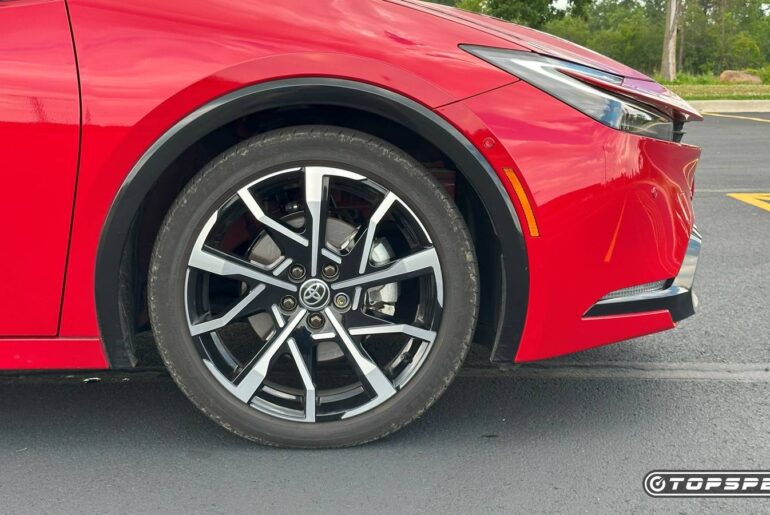
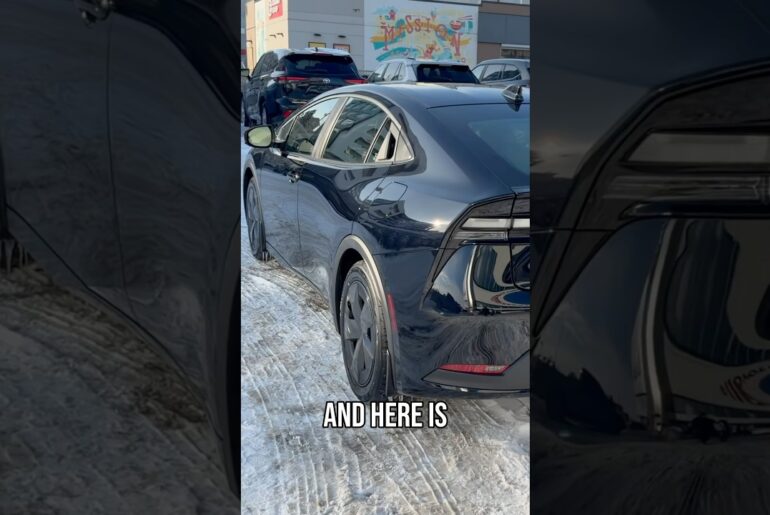
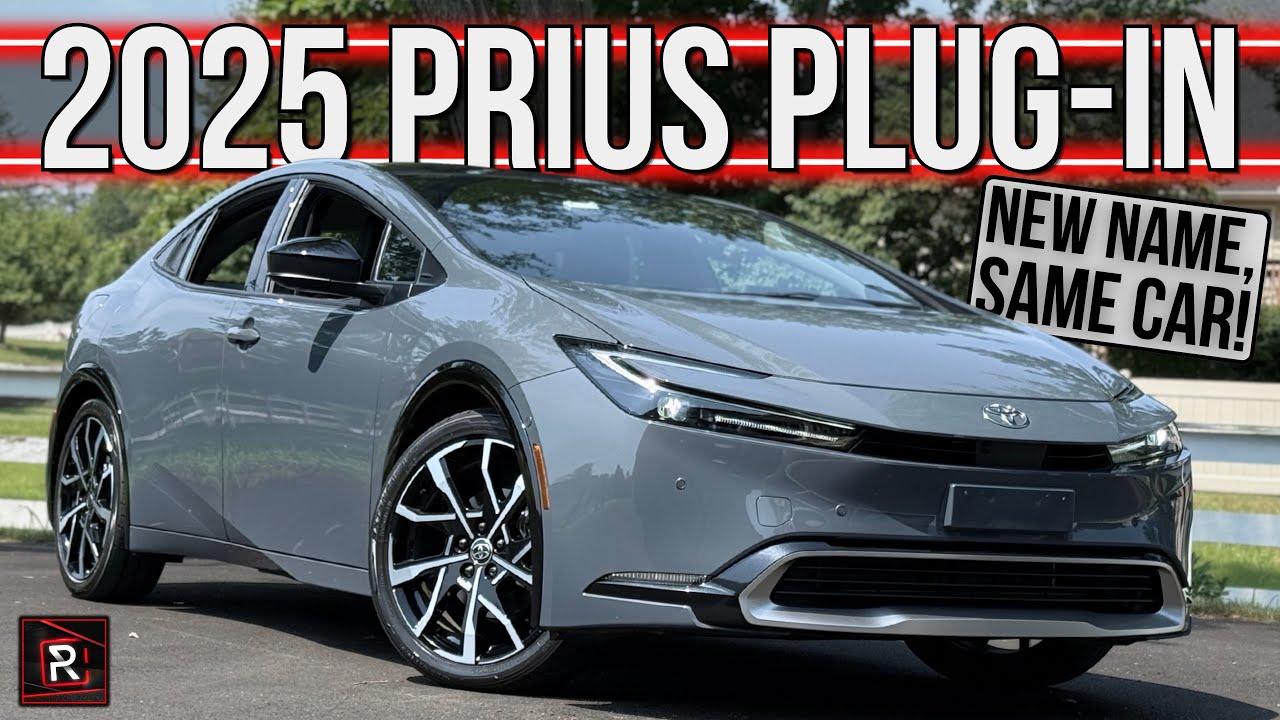
Nearly 15 years ago, Toyota expanded the Prius family when they introduced the very first plug-in hybrid variant all the way back in 2011. Now, at the time, the Prius Plugin had some pretty average specs, around 134 horsepower combined and just 11 mi of electric only range. Now, Toyota followed it up with a new version called the Prius Prime back in 2017, which allowed them to essentially double the range, but it was also burdened with rather unusual styling. Now, thankfully, 2 years ago, Toyota introduced an all-new version of the Prius, and with it, it shed its ugly duckling uh styling, and they also reintroduced another plug-in hybrid variant called the Prime. However, for 2025, it’s get it’s getting a little confusing because Toyota has discontinued the Prime and instead renamed it to once again the Toyota Prius plug-in. As you can see, this week, we are testing out the latest version in this fully loaded XSE trim. It offers up to 40 mi of all-electric range and a stout 220 horsepower. So, for those of you who are looking for an efficient commuter car that primarily functions as an electric vehicle with the backup of a gas engine when you want to go on those longer trips, how does the latest version of the Prius plug-in stack up? Stay tuned to find out. [Music] Now, before we start talking about the latest styling for this fifth generation Prius, let me go ahead and remind you guys what’s powering this thing. Now, I’ve already shown you guys a review on the latest Prius without the plug-in hybrid aspect. And basically, what you’re going to find here in the plug-in hybrid version is the same powertrain with a significantly beefed up electric motor and battery pack. Now, as you can see underneath the hood, you’re going to find a transverse mounted engine. That’s because the Prius plug-in hybrid is only front-wheel drive. There is no all-wheel drive version available if you guys want the Prius with a plug. But essentially what you get here is their latest fifth generation of their hybrid synergy drive system which combines a 2 L naturally aspirated direct injection four-cylinder that runs on the Atkinson cycle. The engine on its own delivers around 150 horsepower and 139 pound- feet of torque. Now, of course, when you add the power of the two electric motors and a 13.6 6 kWh battery pack that it draws its power from. That’s a significantly bigger battery pack versus the 1 kilowatt hours that you get in the non-plugin hybrid version. Toyota says you get a combined output of 220 horsepower. And they don’t actually quote what the combined torque figure is. And that’s because electric motors and engines, gas engines, deliver their power figures at completely different uh times in the rev range basically. Now, I mentioned earlier frontwheel drive is only offered on the plug-in hybrid version. And an ECVT puts that power to the front wheels. It primarily functions as like a direct drive transmission, but also has the characteristics of an electronic CVT when the gas engine is on. Now, Toyota says, or the EPA says this model is rated to get 50 in the city, 47 on the highway, about 48 combined. That’s technically 1 MPG less versus the all-wheel drive Prius Nightshade that I had just a couple months ago. With that 13.6 kWh battery pack, this model is rated to get around 40 miles of all-electric range. Around 10.9 of that is usable. When this car, when the plug-in hybrid first came out for the Prius all those years ago, I think it only had like an under five kilowatt hour battery pack. So again, it is significantly larger. Now, Toyota says this model is capable of 0 to 60 in 6.6 seconds. We’ll test it out when we get the vehicle out on the road. Top speed should be just under 120 uh miles an hour. Uh, with the curb weight of this vehicle coming in at around 3500 lb, the battery pack essentially adds 300 lb to the weight, which makes this vehicle again 300 lb heavier versus the non-plugged hybrid version. But closing the hood, let’s go ahead and talk about the exterior styling of the latest generation Prius. As you guys know, this fifth generation when it came out really showed like a big glow up for the Toyota Prius because Toyota basically shed its very um unattractive design of the previous generation and gave us a much lower, sleeker, wider vehicle that looks almost, dare I say, desirable compared to the old Prius. As you can see, my particular test car is painted in Guardian Gray metallic. This is a free color, which is kind of like a warm gray when the sun hits it. You can see all Prius plug-in hybrids come with their full LED headlights, which includes this new C-shape, LED daytime running light, LED turn signals, LED low and high beams, no fog lights on the vehicle, as you can see. Uh, but the front fascia has some functional air intake openings, including one that’s in the grill area along with these integrated parking sensors, a frontal camera system that’s part of an advanced tech package, and you also have this kind of silver metallic area here on the lower fascia. Down here, there’s an accent light. Uh, some of you may think it’s like the turn signal, but it’s actually up there as you can see. And overall, there are no styling changes for 2025, but the Prius has certainly been doing well for Toyota. Every year, their sales have been improving, which really shows how people are taking notice at the Prius once again because of its efficient packaging, efficient powertrains, and just easy to drive nature. Now, as you move around the side profile, you can really see that incredibly uh ste sloped roof line for the vehicle or the windshield. And that’s because this vehicle has a 0 29 coefficient of drag, which is among the best you’re going to find in the class. Uh, it’s riding on their latest um Toyota TGAC architecture, of course, and this vehicle has a 108.3 in wheelbase with a 181in overall length. This is technically around almost 2 in shorter than the previous generation, but Toyota made it around 2 in lower and an inch wider. And again, that gives this vehicle a much more aggressive stance. The wheels on the plug-in hybrid model on this XSE trim include these uh bigger 19inch alloys. Uh riding on a really skinny 195×50 R19 uh Toyo allseason tire. These tires are very much economy-minded, and this vehicle doesn’t have as much grip as I’d like it to have. You have a 12-in rotor at the front, an 11in rotor at the back, an all-independent suspension, no adaptive dampers. Toyota says this model has around 6 in of ground clearance. There’s also black gloss black painted wheel arch trim. Uh, however, the side profile, you can see the side sills are all just body color. There’s a lot of interesting character lines with this vehicle and the mirrors, as you can see, are black painted on the XSE. Uh, they are not power folding, however, but you do have a 360 camera, integrated turn signals, or actually no integrated turn signals. I take that back. U, but, uh, it is a rather nice looking aerodynamic style side mirror. My particular test car has for an extra 600 bucks the solar charging roof. Toyota basically says if you leave this vehicle parked out in the sun for about 24 hours, you can add basically a mile or two of charge to the battery or it can keep the 12volt battery charged as well. And you can see Toyota went with a much more couplike design with the door handles hidden in the D-pillar, which looks interesting. Uh this right here is your fuel door. On the other side, you’ll find the plug to charge the vehicle. And then looking over at the rear, you can see the design also looks very distinctive, but also very trendy. Uh the Priuses adopt that full LED LED light bar. It also has an LED turn signal, full LED taillights. There’s a Prius badge on the back. And then as opposed to saying Prime, it now shows their Beyond Zero badge with the Pave have badge. That’s how you know that this is the plug-in hybrid model. Uh there’s a very subtle XSSE badge there. No visible exhaust tips. And overall, it’s a pretty clean sport back look. Uh so I really like how this vehicle looks from almost every angle. You can see opening this side, this reveal revealed the J1772 plug. This vehicle has, I believe, uh a 6.6 kW onboard charger. So, it’s a little bit slow charging. It takes around 4 to 5 hours to charge this vehicle on a level two, around 12 hours on a level one. Again, that’s good for up to 40 mi of all electric range. Now, looking at the cargo area, as you can see, a power lift gate is included when you guys go for the XSSE premium trim. Uh, and you get around 20.3 cubic feet of storage space. This is going to be less versus what you got in the previous generation Prius, and that’s because the roof line is lower. Um, and it just has significantly less interior space. There is a little bit of storage there off to the side which is usable. If you look underneath here, there’s the mobile charger that the car comes with. Uh, and you also have a fix a flat kit and an air compressor, but no spare tire. Toyota does not quote what the cargo capacity is if you fold down the seats, but because it’s a lift back, you can, you know, pile things up. Although, again, the lower roof line does reduce the cargo capacity. So, if you want more space, Toyota will happily sell you a Camry hybrid or a RAV 4 hybrid. [Music] Now, moving on to the interior of the latest Toyota Prius plug-in hybrid. Before we get inside, however, let me show you guys the key fob. As you can see, this is Toyota’s latest intelligent access key. The one thing I’m noticing that Toyota forgot to do is there’s a sticker on the back here, but it still says Prius Prime on the back here, which again, Toyota’s moving away from the Prime name because technically their all-electric model should be even higher up versus the plug-in hybrids. But it’s a nice feeling key with your usual buttons here for lock, unlock, power lift gate functionality, and then you can also use the panic function. Toyota also offers their digital key system. If you’re an owner, you can use your smartphone as a key. There’s also a remote start from the fob. If you push the lock button three times, then hold it on the third try, that will actually activate the remote start for you. Now, as you can see, traditional door handle on the Prius plug-in hybrid. If I lock the door, you can see no power folding mirrors. It has the new Toyota chime, which I actually think all the Toyota models should have that chime. touch the back of the door handle. That’s what will unlock the door for you if you can hold it on properly. And checking out the interior, as you can see, my particular test car uh basically has the only color combination that you can get. And uh I hope you guys like a dark interior because the plug-in hybrid still only offers a black softex interior with the red contrast stitching. This is the also the only trim that comes with heated and ventilated front seats, which is a nice touch. You can see the perforated leather. Looks good. I love the red outline here on the actual upper bolsters with the red stitching. Uh, and you also get a 10-way power adjustable driver seat. Uh, and it also includes a two-person memory function, which is great. The passenger side, sadly, is just a four-way uh or a sixway manual adjustable seat. Now, looking at the door panels, you can see you have a soft touch injection molded plastic, silver painted plastic door handles here. A lot of the buttons and switch gear have that typical high qualityish feel from Toyota. At least all the windows are onetouch for all four. They’re illuminated window switches. Powerfolding mirrors would have been nice. There’s a nice padded center area here or armrest area where you’d rest your elbow. Cartridge plastic down here. Then my test car also has the eight- speakeraker JBL sound system. This is the only trim to get the premium audio. So, you really have to go for the premium package if you want all the bells and whistles. Now, stepping inside, the Prius does have around 7 in 6 in of ground clearance, but with that lower roof line, you really have to duck to get in because it just makes you feel a little claustrophobic in here. As I shut the door, the door has a relatively solid sounding thunk. I’ve heard more like uh I guess um better slams from other other models in this class like the Honda Civic for example. Now getting inside, as you can see, starting the vehicle up, the start stop button is right here on the dash. And because this is a plug-in hybrid or even the hybrid Prius, there’s no traditional starter noise. Instead, it just says EV. It’ll also fire up in EV mode when you have enough electric only range, but most of the times it’s not going to turn on the internal combustion engine at all. Now, looking at the rest of this cabin, nothing has really changed here from the last Prius that I showed you. So, I’m not going to go into too much detail with it, but uh as you can see, it’s very spaceship like in here. The dash is also extremely long. You have to get used to that long dash. The visibility isn’t great. Uh when you combine that with the thicker A-pillars here, that lower roof, the slimmer windows, it takes some getting used to. And then, of course, when you guys go for this trim, it’s the only trim that comes standard with the 12.3 in display. The base SE has the 8 in display. You can get the 12.3 as an option on the XSE nonpremium trim. As you can see, um the Toyota audio multimedia interface hasn’t really changed. It includes wireless Apple CarPlay Android Auto. There’s your solar roof where it actually tells you how much power it’s generating, how much it’s generated all the time. So, that’s kind of cool with keeping track of that. Um overall though, there’s nothing super special about this. There is a traditional volume knob there, which is nice. My phone is not connected because I’m using it to film and it messes with the audio. I like how the plug-in hybrid model includes the red accent for the ambient lighting as opposed to blue in the nonplugin hybrid Prius. This upper portion of the dash is a soft touch injection molded plastic, but the graining material feels a little bit cheap. This upper portion is hard touch, but you’ll never touch that. There’s a lot of cheaper plastic materials here, which I don’t love. But of course, that’s the 7-in IMID display, which almost functions as a head-up display. Um, the steering wheel kind of gets blocked by it at times. So, I kind of wish Toyota would adopt the flat bottom and flat top design that Subaru has on, for example, the Soul Terra, but Toyota just doesn’t get that version. You can see the steering wheel itself has a manual tilt telescoping, which again, I have to kind of position the wheel down low where the steering wheel is kind of in my knees if I don’t want that to block. If I have it up a little bit, that does block the lower portial portion view of the instrument panel, which is kind of annoying. No paddles on the wheel, but you do have controls or switch gear, traditional switch gear for the audio for the Toy Safety Sense 3.0, which has their hands-free driving. or not really full handsfree, but it allows for some. The camera there watches your face, of course. It has traffic jam assist. You do have your actual hard buttons here for your heated and cooled seats. You’ve got a single zone autoclimate control, not a dual zone, which is kind of frustrating. Uh you have two USBC charging ports there. Uh there’s a nice little um I guess shelf right there. And if I lift that up, there’s a hidden storage compartment there, which it even says hidden compartment in there as a part of a little Easter egg. Don’t love the piano black plastic trim here, but it’s all pretty much the same stuff. Your drive mode selectors here. There’s a total of four different drive modes, including an a custom mode. And then if you push this button, you can cycle between auto EV and an EV mode. And you can also go to the hybrid mode if you need to. Um, and that’ll tell you again or that’ll basically give you the full power. Uh, so there’s basically a few additional buttons when you guys go for the plug-in hybrid model. This could be a little bit softer padded. I also don’t like how it feels like a very cheap vinyl that you find like a school bus, for example. Open that up. You can see it’s not the deepest console storage area, but it has two more USBs in there for charging, which is nice. I do like the soft text seats. The head restraints are at a good position, but they could be a little softer, but at least the soft text feels good. The padding feels nice. It also holds you in place nicely. The cooled seat also works really well, so that’s a plus. And then looking at the glove box, you can see it’s damped, but not lined with felt. It’s a bin style. It offers additional um hidden storage there, which is a nice touch. And then my Tuscarf also has the optional digital camera mirror which is kind of a necessary thing because the view out of the back is not good as you can see with this camera. However, it becomes excellent. And you also have LED map lighting in the interior. No sunroof obviously on or glass roof on my test car. It has the solar charging roof. So it gives you I guess a little more headroom but not really. This carbon material feels a little bit cheap. But overall the build quality of this cabin while it is fine, there’s not a single squeak and rattle. It definitely has some cheaper materials and the visibility is not the best. But uh in terms of the tech, Toyota’s latest 12.3 in display gets the job done. I just don’t love the way the steering wheel looks. So for the refresh model, I’d like to see Toyota definitely put a new steering wheel and perhaps clean this area up here. It’s just a little bit too, I guess, goddy for my taste, but that’s again always a subjective thing. But let’s go ahead and hop into the back seat area really quick and show you guys what that space is like. And this is kind of the downside about the new Prius is with that lower roof line, you do have a significantly smaller back seat. Now, as you can see, material quality back here is hard touch plastic. So, they did downgrade it versus the front seats. Uh, and if I fold down the seats here, you can see that expands the cargo. It actually creates almost a completely flat floor. So, that’s kind of unexpected. But, the seat does not recline, which is to be expected, I guess. As I get in, you can see you really, really have to duck your head to get back here because that’s an even uh slope sl even steeper roof line versus the front area. As I shut the door, you can see that door had like a little rattle to it. And there’s actually there is something in here. So, ignore the rattle. That’s why uh somebody had child seats in here. That’s why it was rattling. But Toyota says you have around 34.9 in of legroom back here, which is sufficient for a small car. It’s definitely less versus the previous generation. This trim also comes with heated rear seats, just one level. You have an actual 12volt power outlet here and two USBC charging ports, which is a nice touch, but there are no rear seat air vents. Rear seat air vents should have been included at this price point. You only get one storage pocket there. And then you also have an armrest that folds down and gives you two cup holders. I like how the head restraints are at least adjustable. You have LED map lighting here. And then here’s the headroom space at 5’7. I have barely an inch of clearance. So again, for taller friends, this is going to be a problem. And it’s kind of the reason why Toyota wants you to look at a Camry hybrid or a RAV 4 hybrid if you need more interior space. So, it’s been a couple years since we’ve been behind the wheel of the Prius Prime, or at least I mean the plug-in hybrid. Remember, the two models are the same. Toyota just decided to go with the plug-in hybrid name as opposed to Prime. So, it aligns more closely with their new all-electric strategy as the company moves toward all-electric vehicles as well. But with up to 220 horsepower on tap, this is the most powerful production Prius that Toyota has ever produced, offering a 0 to 60 time in just 6.6 seconds, according to Toyota. Let’s go ahead and see what we can get here on this straight stretch of road. We’ll brake torque it. It’s in sport plus or sport. [Music] All right. On that stretch of road there, which is slightly more uphill, uh we got a 0 to 60 time of 6.76 seconds. So that’s a smidge slower versus what Toyota claims. However, keep in mind that time is also around a half a second faster versus the all-wheel drive Prius Nightshade that I tested just a couple months ago. Remember that model had around 196 horsepower. And while it did have the additional traction of all-wheel drive, um it also just didn’t have quite as much power, especially when it comes to the electric side, which does deliver a pretty good amount of power and torque instantaneously. You’re going to notice that, especially with the much stronger electric motor on the plug-in hybrid model. I also noticed that the ride quality of this model and the handling feels feels a little more balanced versus the regular hybrid version of the Prius. And that’s because that additional 300 lb of weight from the battery pack. It really helps to, I guess, settle down the ride. It feels more button down. The handling also feels a little bit more balanced because of the weight distribution, how it adds more weight on the back end of the vehicle. This car in general constantly reminds you though that it doesn’t offer all-wheel drive because it’s so quick to literally spin the front tires out, which I find to be a little frustrating. Uh, this is kind of where Toyota should be putting a fatter tire on this vehicle. But again, they’re thinking so much about literally every time I just touch the throttle, it’s just spinning the tires. They’re thinking so much about efficiency that I wouldn’t be surprised to see owners put a fatter like 225 or 235 width tire. That’s really what the plug-in hybrid Prius needs, I think, to get the best um I guess grip. Uh again, also, it’s probably these eco-minded Toyo tires, which are just garbage. They’re just not good for actual grip. But overall, um the plug-in hybrid version feels pretty much like the regular Prius. It just has a much stronger surge of acceleration, which I think is going to be nice for people who again need the extra power of this vehicle. It’s going to definitely be great for that. Let’s try one more run here. Still going to brake torque it. It’s still spinning out the tires there. That’s hilarious. All right, we got 6.46 seconds there. So, we’ll take that as our best time. 6 and 1/2 seconds is plenty fast. I mean, this is going to basically smoke a lot of hot hatches on the market, which is kind of hilarious how this car is actually quicker than some of those hot hatches. I was not expecting a Prius to be fast as as this fast, of course. Now, again, if you guys don’t go for the plug-in hybrid model, you’re going to have to deal with a slightly slower acceleration, but it’s also still not bad. Uh, the other great thing about the plug-in hybrid model is you just put it into its EV mode here, and you can start to use or drive this vehicle as a pure electric car, which I think is going to be, you know, the beauty about the plug-in hybrid model is the fact that you can have that kind of dual personality. If you’re on the fence between going electric or um kind of sticking with a hybrid, this is going to give you that nice balance. It’s almost like the training wheels uh before you go to a fully electric model. Now, going back to the pure EV mode, this is kind of where the new Prius plug-in hybrid feels a lot like an electric car. It has instantaneous throttle response. It does have significantly less power. Of course, if you guys go for this model and you drive it in pure EV mode, you’re going to have roughly half the power. So, you’re not going to be able to do 0 to 60 in 6 and 1/2 seconds when you’re in this mode. I’ll try it out when we get uh down the road over there up ahead. But what I like about this mode is it’s just so quiet. You are, however, going to hear more of the road noise that comes in. That’s the thing about this current generation Prius is it’s not the quietest car. If you plan to drive a lot of highway driving, you’re going to notice that there’s a lot more road noise that creeps in. But I do find the seats to be comfortable and supportive. They also hold you in place nicely. Visibility is not good out of this car. You have to get used to the very long hood, the big A-pillars. The view out of the back is great when you have the digital camera rearview mirror. could turn it off and you can see it’s not it’s not so great anymore when you’ve got, you know, that sloping roof and the small window. But again, it’s it just feels so refined. It’s very easy to drive. It’s also still surprisingly sporty. The steering offers a good amount of precision. It just again, I can barely touch the throttle even in EV mode. It’ll spin the front tires, which is just stupid hilarious. But let’s try a 060 run here. The beauty about this car is it’ll stay in EV mode even when my foot is to the floor. Feels pretty fast initially. No wheel spin there because again it doesn’t have all that additional power with the gas engine, but 11.73 seconds there. So 11.73 is definitely on the slow end. However, because it’s electric, it offers lots of additional power and instantaneous torque. So it feels faster versus its numbers would suggest. Even at these speeds, at 40 mph, I can hear the road noise creeping in. So, I really think there is space for Toyota to do a Lexus version of this car again, especially by increasing the sound detoning materials, just giving us a quieter ride or a quieter interior. The ride is pretty comfortable already, even though we’re on these big 19s with low profile tires. You just notice without the gas engine helping at higher speeds, it kind of lacks a little bit of horsepower. It’s got the torque that gives you the instant response, which is nice, but it kind of lacks a little bit in the horsepower department. That’s where the hybrid will come. Hybrid mode will come in and kind of fill in those gaps. Now, in terms of the efficiency, let’s go ahead and talk about that because uh this model is rated to get 48 MPG combined. I think I got around high 40s in the high hybrid all-wheel drive a couple months ago. This model I’ve been averaging around 44 MPG. So, it’s a good, you know, 3 to 4 MPG less. It’s primarily because it’s got the additional weight of the battery pack lugging it around. But on a full charge, this vehicle was showing up to 36 miles of electric only range. Now, that’s when I had the AC turned off. In my week’s worth of testing, I got around 32 miles of all electric range. Still over 30 mi is pretty usable, but it is not as good as what the EPA claims at 40 miles of range. I actually was expecting it to be a little bit better, but again, uh it’s still better than, you know, the regular hybrid non-plugin. But seriously, it’s so hilarious how the wheels will spin even when I’m barely touching the throttle. But that’s the beauty about, you know, having this all all this torque instantaneously. It just makes for a really quick response. It’s an easy car to drive. Uh, it’s sportyish handling, especially for a Prius, and you can pull up next to somebody in like a Honda Civic SI and smoke them at the light as long as you’re in hybrid mode. So, kind of keep that in mind. So, overall, I still like the way this current generation Prius drives. It’s an easy car to live with. It’s very, very fuel efficient. It has good real world range as well when you guys go for the plug-in hybrid model. It’s just if you plan to use it as, you know, a family vehicle, you plan to use it on longer highway trips, you better be, you know, you better be ready for the compromises you have to make. And that’s kind of where Toyota again will happily sell you a bigger vehicle like a Camry hybrid or a RAV 4 hybrid if you know the Prius comes up short in terms of refinement and in terms of space. Now with just under 45,000 Priuses sold in the US last year, the new version has definitely been a huge sales success for Toyota. In fact, every year since this generation has come out, Toyota has basically improved their sales on an annual basis. And this year they are on track to do well over 60,000 units, which doesn’t surprise me. This new version is an excellent commuter car and it offers a lot of variety based on what your actual priorities are. Now, compared to the regular plug or hybrid version, the plug-in hybrid model accounts for nearly 30%. Which means Toyota did just under 13,000 units last year, which is a pretty healthy amount. I wouldn’t be surprised to see that number continue to get larger as people more and more people realize that a plug-in hybrid is going to fit their daily needs. Especially if you guys are interested in going fully electric, but you aren’t ready to quite make that full leap. Because as you guys saw, you can easily get over 30 mi of pure electric only range, which should be good enough for most people’s commutes where you can charge at the office, you can charge this vehicle at home on a level one, and you don’t even have to use any gas. But again, if you want to take a longer road trip, the gas engine will kick in and give you well over 400 miles of additional range, which again uh kind of gives you the best of both worlds. In in terms of acceleration, 0 to 60 happens in around the 6secondish mark for this model, which is honestly hot hatch territory. It kind of shows you how much faster and how much sleeker and how much sportier a Prius has become. And it’s why even enthusiasts are considering this vehicle because it’s just a really well-rounded car. And really, unless you’re looking for maximum interior space, maximum cargo space, this is kind of where the new Prius falls short compared to its previous generation. But again, Toyota has so many different hybrid models to offer if you guys are looking for uh a bigger vehicle with also similar amounts of efficiency. Uh really in terms of my gripes for the Prius plug-in hybrid model, it really just comes down to the cramped headroom that you’re going to find, the smaller back seat, and of course, the noisier cabin. I would like to see Toyota add more sound deadening materials for this vehicle, or perhaps even revive the Lexus CT 200. Uh I would love to see a Lexus version of this platform with even more power, even more range. I think there’s room in the Lexus portfolio for something like that because I really love the old Lexus CT. It was just burdened by the previous uh Prius powertrain, which was too sluggish. However, this model here is definitely been pushed to almost sport compact territory. I mean, it’s kind of hilarious that you can drive something like this and smoke vehicles like a Volkswagen GLI or a Honda Civic SI at the light. It would just be nice if Toyota would offer all-wheel drive with the plug-in hybrid powertrain. But if you don’t need the plug-in hybrid, again, there’s the regular gas hybrid Prius, which does offer all-wheel drive. Now, speaking of which, if you guys are looking to get your hands on the plug-in hybrid version, it’s going to cost you around $5,000 more versus the regular hybrid Prius, which seems like a reasonable upcharge, especially if you plan to use uh or plug this vehicle in uh and not have to fill it up with gas, cuz electricity, as you guys know, is a lot cheaper to recharge, especially at your home. Going up to the XSE trim will cost you around another $4,000 extra. This premium package XSSE that I’m showing you starts at around $40,000. Plus all the options that it has from the solar charging roof, the advanced tech package, the heated rear seats, the digital camera view mirror, and the destination charge, you’re looking at around 43,850 for my particular test car here, which does sound pretty expensive, but I also want you to keep in mind at the at the top end, if you’re looking at an all-wheel drive hybrid only Prius, a non-plugin, those can be priced at just under $40,000. So really, the price difference is around $4,000. But I would probably skip the solar charging roof unless you plan to park this vehicle in the sun all the time and you live in an area that has plenty of sunshine. I just don’t think that you’re going to make that money back in your 5 years or plus of ownership unless again you can take advantage of parking it outside in direct sunlight most of the time. Again, if you’re looking at some of the competitive set, this is definitely in a class of its own. So, it’s really going to come down to your personal needs and wants and how you drive the vehicle. But I personally really like the plug-in hybrid a lot because it gets rid of the slightly sluggish acceleration you’re going to find from the gas only version. And it also gives you that, you know, instantaneous torque of the electric motor part, which also makes allows you to drive this vehicle around town just like an EV vehicle with again a gas engine to come in to kind of save your behind if you guys plan to take those longer road trips and you don’t have to deal with uh looking for a place to charge. With all that said, hope you guys have enjoyed my full overview on the brand new 2025 Toyota Prius plug-in hybrid. If you’re also looking to see latest cars I’m testing, be sure to follow me on Instagram at redline_reviews. Like us on Facebook, and as always guys, please keep subscribing to the Redline Reviews YouTube channel for all the latest reviews. Thank you so much for watching. I’ll catch you all in the next video. [Music]
The #ToyotaPrius got some big upgrades when the all-new version was first introduced 2 years ago. For 2025, the top #Prius model has been renamed to just the #ToyotaPriusPlugIn as the #PriusPrime name no longer fit the hierarchy rankings within #Toyota. It still offers an impressive 40+ miles of range with up to 220 HP, making this #Hybrid the most powerful and efficient Prius on the market.
We’re also on:
Instagram: https://www.instagram.com/redline_reviews
Facebook: https://www.facebook.com/liketheredline
Twitter: https://twitter.com/tweettheredline