
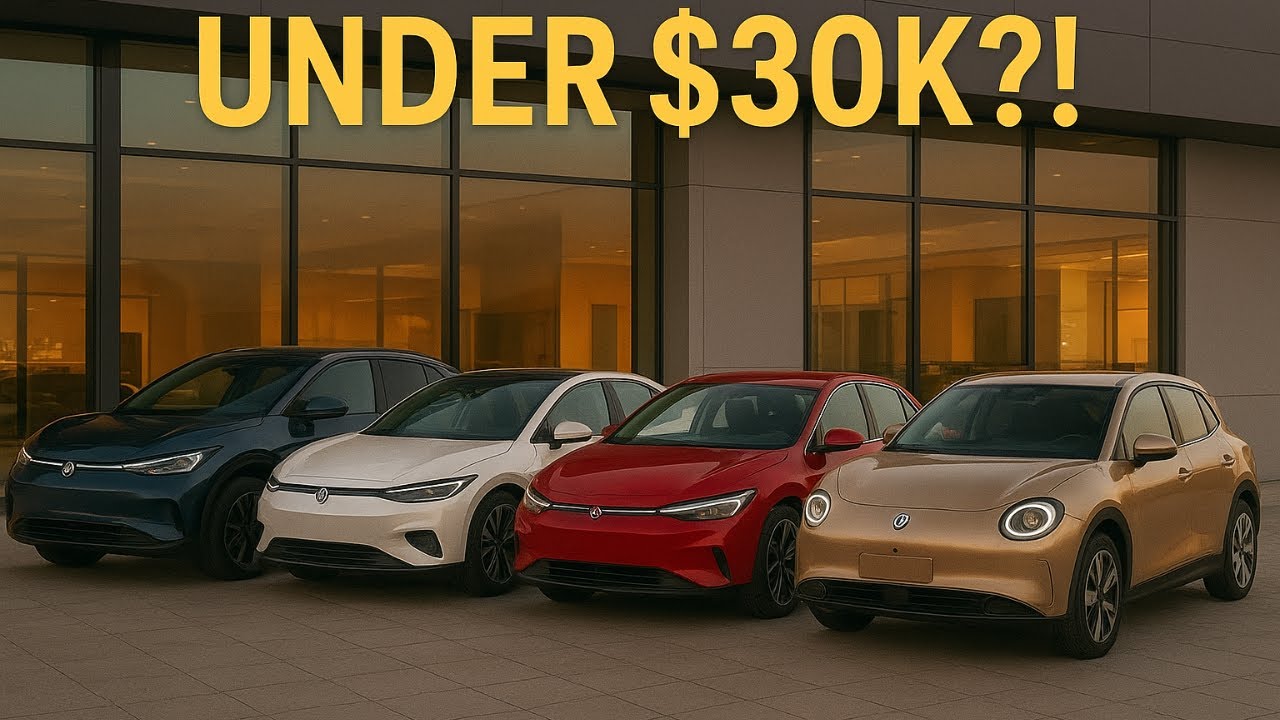
5 Electric Cars That Will CHANGE The Game in 2026
Has the dream of a truly affordable electric car felt just out of reach? For years, it has been. That big, scary price tag was always the catch. Well, things are finally starting to change. The race to build the first real mainstream electric car for under $30,000 is on, and it’s heating up fast. But let’s be real, a lot of car makers are making big promises, but only a few look like they can actually pull it off by 2026. So today we’re cutting through the noise to look at the five cars that have the best shot. We’ve got comeback stories, total game changers, and some wild cards that are shaking up the whole market. First up, we have the Comeback King, the next generation Chevy Bolt. This is the one we know is happening. After a short break, GM is bringing back its most popular affordable EV with one mission, value. Now, GM hasn’t given us a final sticker price just yet, but the company has been clear they’re using lowerc cost LFB batteries to keep it affordable. The industry expectation is that it will land very close to the old model’s price, putting it right in that sub-doll 3000 sweet spot. The target is to get production rolling in late 2025 for a 2026 release. Next is the OG of electric cars, the Nissan Leaf, and it’s getting a massive makeover. For 2026, say goodbye to the familiar hatchback, and hello to a slick, modern crossover. While the current Leaf is already one of the cheapest EVs you can get, this new version wants to be both affordable and seriously desirable. Early reports hint at some impressive specs with some versions maybe even pushing 300 mi of range. Nissan hasn’t officially shown the US version or confirmed the price. Most insiders believe the starting price will probably be closer to $35,000. It’s possible a more basic, shorter range model could still dip below that $30,000 line. Okay, let’s hit pause for a second. We’ve got the tried and trueue value approach with the Bolt and a stylish reinvention with the Leaf. Two totally different ways to tackle affordability. Which one do you think is the winning strategy? Drop a comment below and let me know. Official news on these cars. Dot. Of course, you can’t talk about affordable EVs without mentioning the elephant in the room, Tesla’s mythical sub-doll 3000 car. You’ve probably seen it called the Model 2 or something similar, and it’s been hyped for years. But let’s be clear, as we stand here in late 2025, it’s still just a rumor. Nothing has been officially shown, priced, or even named. The Promise has always been a car starting around $25,000, which would completely flip the auto industry on its head. It would have to be built on a totally new, superefficient manufacturing platform to hit that price. Is a 2026 release possible? Maybe. Our fourth contender is one that almost certainly won’t start under $30,000, but it’s super important for this whole conversation. The Kia EV3. Kia has been pretty upfront that they’re targeting a price in the mid-doll 30s for its US launch in 2026. So why include it? Because this car is all about pressured it takes the amazing design language from the high-end EV9, packs in a high-tech interior, and aims for over 300 m of range. It’s a premium package that lands just above our budget. And that’s the point. Let’s talk about a brand that’s basically synonymous with value and reliability. Honda. After getting its feet wet with the prologue EV, Honda is now developing its own platform for a new line of EVs called the Honda Zero Series. Word on the street is that a US-built affordable model targeting a price under $30,000 is part of that plan. Building it here in the States, likely at their massive new hub in Ohio, is the key to hitting that price. Now, we should be clear. The first Zero Series cars coming in 2026 will be pricier, more premium models. This smaller, cheaper version is expected to follow them. Details are still scarce, but you can’t ignore Honda. Their manufacturing power and reputation for building great affordable cars make them a serious contender to watch in this space. Thatso, that’s the lay of the land. The race for the sub-doll 3000 EV is coming from all angles. You’ve got the guaranteed return of the Chevy Bolt, the stylish reinvention of the Nissan Leaf, the ghost of a future Tesla, the barraising Kia EV3, and the sleeping giant Honda. Reality is only one or two of these might actually have a sticker price under $30,000 when 2026 rolls around. But the fierce competition between all of them is what really matters. It’s what will finally drive prices down for everyone. An affordable EV isn’t some far-off dream anymore. It’s happening. Now, the big question is, which of these cars are you most excited about? Which one would you actually park in your driveway? Let me know your pick down in the comments. Thanks for watching.
Looking for the best cheap electric cars under $30k in 2026? We break down the most affordable EVs coming soon, with real-world range, features, and why they’re set to disrupt the market.
Which budget-friendly EV could be your next daily driver
Whether you’re a first-time EV buyer or a tech-savvy car enthusiast, you’ll get all the details you need to make a smart choice. Don’t miss out on exclusive insights and up-to-date reviews from TechTuned Motors!
👉 Subscribe for more electric car news, industry updates, and deep dives into the latest automotive technology!
High-Impact Keywords
electric cars under 30k 2026
affordable electric vehicles 2026
best cheap electric cars
new EVs 2026
budget electric cars
Tesla competitors 2026
electric car review
EV buying guide
cheap electric SUVs
Chevrolet Bolt EV 2026
EV market trends
future electric cars
electric vehicle comparison
Hashtags
#ElectricCars #AffordableEV #EV2026 #CarReview #TechTunedMotors #BudgetEV #FutureCars #ElectricVehicle #TeslaCompetitors #cartech
❗ Copyright Disclaimer
➡️ We use images, clips, and other content in accordance with YouTube’s Fair Use copyright guidelines.
➡️ Section 107 of the U.S. Copyright Act allows for “fair use” of copyrighted materials for purposes such as criticism, comment, news reporting, teaching, scholarship, or research.
➡️ This video may contain copyrighted content (video clips, images, or music) not specifically authorized by the copyright holder. However, such material is used under the belief of fair use, as outlined above.
➡️ Disclaimer: Our content may include a mix of facts, publicly available information, rumors, and creative speculation.